
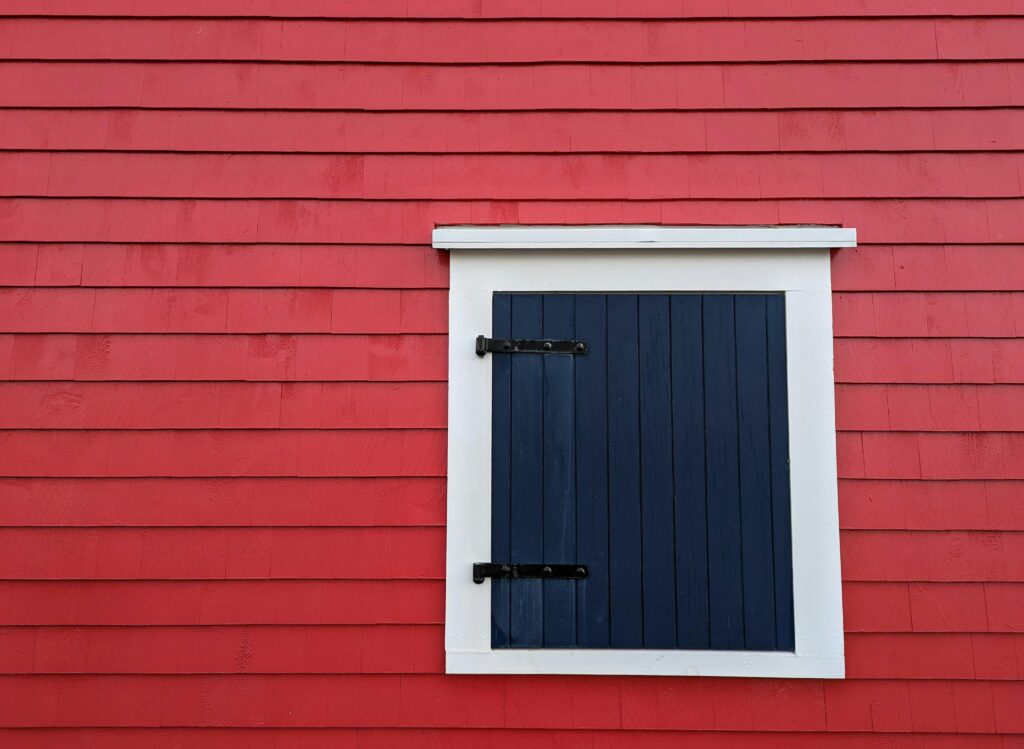
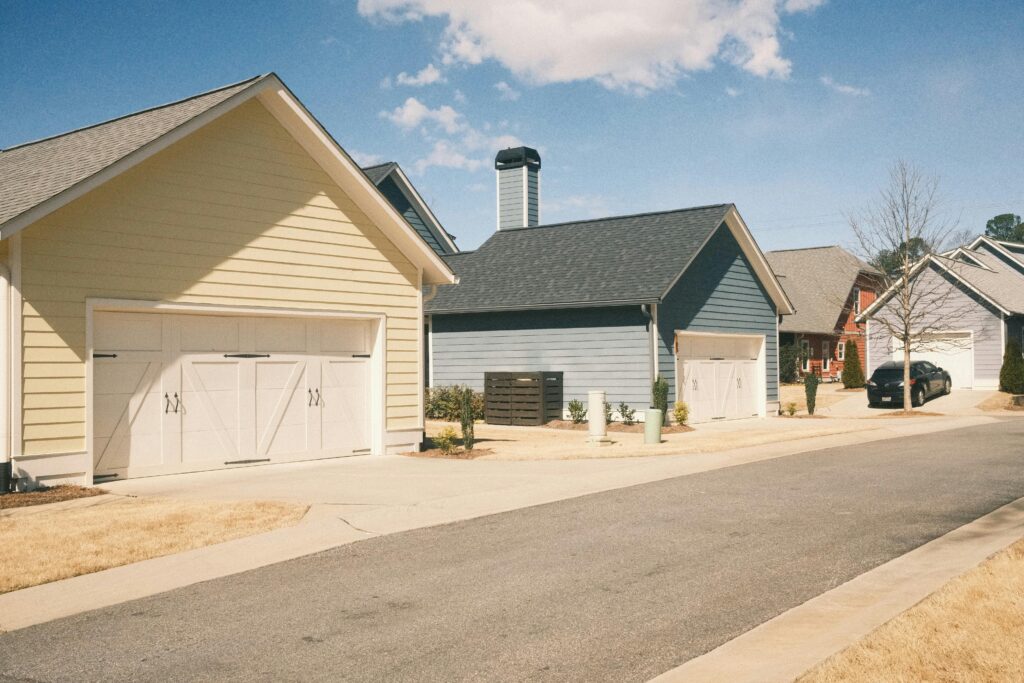
Imagine walking through a freshly built neighborhood, where each home boasts a unique exterior personality, yet all share a common thread of modern elegance and durability. One glance at these houses, and you immediately notice the transformation happening in the world of siding. In 2026, siding is no longer just a protective layer, it’s a statement of style, innovation, and sustainability.
If you’re planning new construction or home renovations, understanding the latest siding trends can be the secret weapon that elevates your property’s curb appeal and increases its value. The choices homeowners and builders make today about siding will not only impact the look of the home but also its durability and energy efficiency for decades to come.
In this article, you will explore everything you need to know about the most exciting siding trends of 2026. We’ll dive into the materials that are gaining popularity, from eco-friendly options to advanced composites, and uncover stylish finishes and textures that are revolutionizing home exteriors. Whether you are considering vinyl, fiber cement, wood, or even smart sidings embedded with technology, you’ll learn which options are best suited for different climates, budgets, and architectural styles.
Moreover, the article will guide you through innovative installation techniques and maintenance tips that can help you maximize the lifespan of your siding. With the integration of eco-conscious materials and designs growing rapidly, you’ll understand how to align your project with sustainability goals without sacrificing aesthetics or performance.
By the end of this read, you’ll have a clear roadmap for choosing the perfect siding for your construction or renovation project in 2026, armed with insights usually reserved for industry experts. Whether your dream home boasts a modern minimalist look, rustic charm, or a classic traditional feel, these emerging siding trends will inspire you to make confident, well-informed decisions.
Get ready to transform your home’s exterior, discover how the right siding choice can balance beauty, durability, and energy efficiency like never before. Let’s unlock the potential of siding in 2026 together!
Key Takeaways
- Siding trends in 2026 prioritize durability + design, turning exterior cladding into a style statement that also boosts long-term performance.
- Modern siding materials are evolving fast, with fiber cement, engineered wood, advanced composites, and upgraded vinyl leading for strength, weather resistance, and aesthetics.
- Sustainability is a major driver, with eco-friendly siding options (recycled content, low-impact manufacturing, longer lifespans) becoming standard in new builds and renovations.
- Energy-efficient siding can lower HVAC costs, especially when paired with house wrap, proper moisture barriers, and insulated siding systems for improved thermal performance.
- Texture and finish matter more than ever, as wood-grain looks, matte finishes, and dimensional profiles add depth, shadow, and “architectural character” to facades.
- Mixed-material exteriors are trending, combining panels (vertical + horizontal) or pairing siding with wood/metal accents to create contrast and curb appeal.
- Installation quality is a trend itself, with better moisture management, ventilation gaps (furring strips), flashing, and sealing practices extending siding lifespan.
- Climate matters when choosing siding, so selecting materials based on UV exposure, humidity, storms, or freeze-thaw cycles improves durability and reduces maintenance.
- Low-maintenance siding is a top homeowner priority, with finishes designed to resist fading, cracking, mildew, and frequent repainting.
- Siding upgrades can increase home value, improving curb appeal, energy efficiency, and perceived build quality—especially important for 2026 renovation ROI.
Why Siding Is More Important Than You Think for 2026 Home Projects
When it comes to new construction and home renovations, siding often takes center stage as a crucial element that influences not only the aesthetics but also the durability and energy efficiency of a house. But what exactly is siding, and why is it so important, especially as we look ahead to trends in 2026?
Understanding Siding: More Than Just a Facade
Siding refers to the protective material attached to the exterior walls of a home. Its primary role is to shield the structure from weather elements such as rain, wind, and sun, while also providing insulation that helps regulate indoor temperatures. Beyond protection, siding defines the character and style of a house, influencing curb appeal and, ultimately, property value.
The Growing Importance of Siding in Modern Construction
In 2026, siding is expected to play an even bigger role in both new builds and renovation projects. According to industry reports, homes with high-quality, energy-efficient siding can reduce heating and cooling costs by up to 20%. This statistic alone underscores why homeowners and builders are prioritizing superior siding materials and innovative designs.
Moreover, durability has become a key concern. Climate change is driving more extreme weather patterns, making resilient siding options a must-have. Materials like fiber cement and engineered wood are gaining traction for their ability to withstand storms, moisture, and UV rays better than traditional vinyl or aluminum siding.
A Story of Transformation: From Outdated to Outstanding
Consider the case of the Meyers family, who renovated their 1980s home in Seattle in early 2025. They replaced their aging, cracked vinyl siding with a cutting-edge composite material that mimics the look of natural wood but offers superior durability and energy efficiency. Not only did their home’s appearance get a stunning facelift that boosted neighborhood appeal, but their heating bills dropped significantly during the cold months following the upgrade.
Their experience is far from unique. Thousands of homeowners nationwide are realizing that investing in modern siding options is not just about curb appeal, it’s a strategic move for long-term savings, sustainability, and protection.
Setting the Stage for 2026
As building codes evolve and consumer preferences shift towards sustainability and resilience, siding trends in 2026 will reflect a balance of aesthetics, performance, and environmental responsibility. Staying informed and choosing the right siding now means homeowners will enjoy both immediate and lasting benefits.
In summary, siding is far more than a simple outer layer, it’s a vital component that enhances structural integrity, energy efficiency, and the overall beauty of a home. Understanding its importance is the first step toward making smart choices for your next construction or renovation project in 2026.
How to Apply Siding Trends Step by Step for Your 2026 Home Project
As we approach 2026, incorporating the latest siding trends into your new construction or home renovation can dramatically transform your home’s curb appeal and performance. Understanding how to apply these siding trends correctly ensures that you not only enhance aesthetics but also improve durability and energy efficiency. Here’s a detailed step-by-step guide to help you navigate the process of applying siding in line with the most popular 2026 trends.
Step 1: Choose the Right Siding Material for Your Project
The foundation of any successful siding installation is selecting a material that matches your home’s style, climate, and maintenance preferences. For 2026, popular siding materials include:
– Fiber Cement: Renowned for its durability and resistance to fire, pests, and rot.
– Engineered Wood: Offers a natural appearance with enhanced weather resistance.
– Vinyl Siding: Affordable, easy to maintain, and now available in more textured, wood-like finishes.
– Metal Siding: Increasingly popular for modern designs, especially in urban new constructions.
Tip: Consider combining different materials to create contrast and depth , a trend gaining traction in 2026 for both new builds and renovations.
Step 2: Analyze Your Home’s Architectural Style and Existing Structure
Before you begin, assess your home’s architectural features and existing exterior surfaces. This assessment helps you determine:
– Where siding replacement is necessary.
– What alterations might be needed to support new siding.
– Which siding styles complement your home’s architecture , from sleek horizontal planks to bold vertical panels.
For example, a contemporary home might look stunning with vertical metal siding panels, while a craftsman-style renovation could benefit from the texture of engineered wood shingles.
Step 3: Prepare the Surface Thoroughly
Proper preparation ensures the siding adheres well and lasts long.
– Remove Old Siding: Strip any outdated or damaged materials.
– Inspect for Damage: Check for mold, rot, or structural issues and repair them.
– Install Weather-Resistant Barriers: Use house wrap or building paper to prevent moisture penetration.
– Apply Furring Strips (if needed): These create a ventilation gap behind siding, prolonging its life and improving energy efficiency.
This preparation aligns with 2026’s emphasis on sustainability and building performance, making your home better insulated and protected.
Step 4: Skillful Installation of the Siding
Installation techniques vary by material, but certain rules apply universally:
– Start at the Bottom: Begin installing siding at the lowest point, working upward to manage water runoff.
– Use Appropriate Fasteners: Nails or screws must be corrosion-resistant and appropriate for the siding material.
– Allow for Expansion: Materials like vinyl and wood expand and contract with temperature changes; spacing must accommodate this.
– Seal Joints and Edges: Use caulking or flashing to prevent water infiltration.
For example, if you’re applying fiber cement siding (a 2026 favorite for its modern look and durability), use specialized siding nails and maintain proper spacing, which manufacturers recommend precisely.
Step 5: Incorporate Trend-Forward Design Elements
To truly embody the siding trends of 2026, consider the following design enhancements:
– Mix Textures and Colors: Combine smooth panels with textured or patterned siding.
– Add Vertical Accents: Vertical siding strips or corner trims add sleekness.
– Use Bold Colors or Earth Tones: 2026 trends lean into rich blues, greens, and natural hues.
– Integrate Smart Technology: Some siding options now include insulation with embedded sensors for energy monitoring.
For instance, a home renovation might pair classic horizontal engineered wood siding with vertical fiber cement panels on gables, painted in complementary colors for a dynamic look.
Step 6: Apply Finishing Touches and Maintenance Protection
Once installation is complete, focus on:
– Painting or Staining: If applicable, apply high-quality exterior paint or stain. New 2026 siding shades and finishes maximize lifespan and aesthetic appeal.
– Cleaning: Remove dust and debris immediately after installation.
– Routine Maintenance: Even trend-forward siding benefits from regular inspection and upkeep.
By applying the finishing touches carefully, your siding will stay beautiful and functional for years.
Visual Example:
Imagine a modern home featuring fiber cement siding in a deep navy color paired with natural wood trim. Vertical siding accents highlight the sleek lines of the design, while energy-efficient underlayer installation keeps the space comfortable year-round.
By following these six detailed steps, you can confidently integrate the latest siding trends into your 2026 construction or renovation project. This structured approach not only aligns with current aesthetics but also ensures your home benefits from cutting-edge materials and installation practices, leading to a stunning, lasting exterior.
Tips for Embracing Siding Trends 2026 in New Construction and Home Renovations:
✅ Opt for Sustainable Materials: Choose eco-friendly siding like reclaimed wood or fiber cement to reduce environmental impact and boost home value.
✅ Embrace Bold Colors: Incorporate deep blues, charcoal grays, and earthy greens to give your home a modern and striking look that stands out in 2026.
✅ Mix and Match Textures: Combine horizontal lap siding with vertical panels or shingles to add visual interest and create a unique facade.
✅ Prioritize Energy Efficiency: Select insulated siding options to improve thermal performance and reduce energy bills, aligning with green building trends.
✅ Go for Low-Maintenance Finishes: Use materials and coatings that resist fading, chipping, and mildew to keep your siding looking fresh with minimal upkeep.
✅ Integrate Smart Home Features: Consider siding systems that support integrated lighting or security sensors for enhanced functionality and curb appeal.
✅ Highlight Architectural Details: Use contrasting siding styles or trims to accentuate windows, doors, and corners, enhancing the home’s overall character.
✅ Consult with Professionals Early: Involve siding experts and architects from the design phase to ensure that your choice complements structural and aesthetic goals seamlessly.
💡 Extra tip: Keep an eye on emerging materials like metal composites or recycled polymers, as these are gaining traction for durability and design flexibility in 2026 siding trends.
Key Concepts of Siding in the Context of Siding Trends 2026 for New Construction and Home Renovations
Siding is much more than just the outer shell of a building; it acts as the skin and armor that interacts daily with the environment, reflecting both the aesthetic sensibilities and the practical needs of homeowners and builders. As 2026 approaches, understanding the foundational concepts behind siding, a term that encompasses a variety of materials, styles, and technological advances, is essential to appreciating the sweeping trends shaping new construction and home renovations.
Siding as a Dynamic Interface
Imagine siding as the interface through which a home communicates with the outdoors. It’s not merely a passive barrier but an active participant in managing external forces like weather, temperature changes, moisture, and even energy flows. This nuanced role brings forward the concept of siding as a living system rather than a static shell. Siding materials must flexibly respond to ultraviolet rays, resist water infiltration, and provide insulation, much like skin textures adapts to the environment around a living organism.
This conceptualization reveals why siding choices have evolved from purely visual or cost-driven decisions to considerations encompassing performance and longevity. The expanding palette of siding materials, ranging from traditional wood and vinyl to engineered composites and fiber cement, embodies this evolution. Each material offers distinct “behaviors” and responses to climatic stress and aging, akin to different breeds of plants thriving in particular soils and climates.
The Linguistics of Architectural Expression Through Siding
Siding serves as a language of architectural expression; every texture, color, and profile tells a story about the building’s identity, era, and region. The upcoming trends in 2026 emphasize a dialogue between modern minimalism and a nostalgic resurgence of classic styles. This duality mirrors a broader cultural narrative of looking toward the future while honoring history.
For example, in new constructions, smooth, sleek fiber cement siding might be chosen to evoke a sense of modern efficiency and clean lines, a visual metaphor for progress and technological advancement. Conversely, home renovations might prioritize the revival of board-and-batten or shiplap sidings, which conjure a warm, tactile nostalgia, reminiscent of traditional craftsmanship and resilience.
Through this perspective, siding is a storyteller, weaving visual and material narratives that resonate emotionally with inhabitants and passersby. It’s the home’s accent, voice, and costume all at once.
Sustainability and Innovation: The New DNA of Siding
The trend toward sustainability reframes siding as a crucial player in ecological stewardship. Just as living organisms adapt their skin to better conserve resources and defend against threats, siding materials and technologies are increasingly designed with environmental consciousness baked into their DNA. This includes the use of recycled components, low-impact manufacturing processes, and enhanced longevity that reduces turnover and waste.
In 2026, the evolution of siding can be cross-referenced with a broader systemic shift in construction, one that values circular economy principles, energy efficiency, and smart materials. For instance, the incorporation of siding panels embedded with insulating foam cores or reflective surfaces functions like a home’s metabolic control system, regulating internal temperatures and reducing energy consumption.
The metaphor here extends to envisioning siding as the epidermis of a smart organism, adaptive, responsive, and integral to survival in a changing environment. This new generation of siding functions not only as protection and expression but also as an active contributor to sustainability goals.
Texture, Depth, and Shadow: The Sculptural Language of Siding
A subtle but powerful concept in siding trends is the use of texture and depth to craft shadows and highlights that animate a building’s façade. Think of this like the way a sculptor chisels marble or a painter layers brush strokes to create visual nuance. In siding, the interplay of grooves, overlaps, and finishes creates a dynamic canvas that shifts perception according to light and angle.
This sculptural approach transforms siding from flat cladding into a tactile experience, reminding us that architecture, though static, thrives on the dance of light and shadow. This idea underpins the renewed popularity of architectural details such as deep channels, spaced lap boards, or mixed-material sidings, each contributing layers of dimensional storytelling.
In the context of home renovations, this layering acts as a bridge between the old and new, allowing homes to gain vitality and character through textural contrast, much like a restored painting reveals underlying brushwork and aged patina.
Resilience and Adaptability as Core Siding Attributes
The concept of resilience is deeply embedded in siding’s role. Resilience in this context doesn’t merely mean the ability to withstand damage but extends to adaptability over time, the capacity to endure shifting climates, evolving tastes, and new technologies without losing structural or aesthetic integrity.
In 2026, this resilience is increasingly mirrored by modular and hybrid siding systems designed to adapt to maintenance needs, energy codes, and urbanization pressures. This modularity can be likened to biological systems that regenerate and remodel, allowing homeowners and builders a degree of flexibility previously unavailable.
Adaptability also encompasses the stylistic versatility of siding. As neighborhoods diversify in style and function, siding acts as a chameleon fabric that can blend harmoniously or boldly stand out. This conceptual elasticity reflects the broader human experience of continuous transformation and redefinition embodied in our homes.
By framing siding through these layered concepts, as a living interface, a language of expression, a sustainable entity, a sculptural medium, and a resilient system, one gains a profound appreciation for its evolving significance in 2026’s residential building and renovation landscapes. Understanding these foundational ideas deepens the narrative around siding far beyond surface appearances, allowing us to better anticipate and connect with the emerging trends shaping the future of our built environment.
Frequently Asked Questions about Siding Trends 2026 for New Construction and Home Renovations
❓ What are the top siding trends for 2026 in new construction?
In 2026, the top siding trends for new construction emphasize sustainability and natural aesthetics. Homeowners and builders are favoring eco-friendly materials like fiber cement, reclaimed wood, and composite sidings that mimic natural textures. Bold colors, mixed materials, and vertical siding patterns are also becoming increasingly popular to create striking façades.
❓ How do siding trends for home renovations differ from new construction in 2026?
For renovations, 2026 siding trends focus more on upgrading durability and maintenance ease, alongside aesthetic updates. Many homeowners opt for vinyl siding with enhanced weather resistance or insulated siding for better energy efficiency. Renovations often integrate modern textures and colors to refresh older homes while maintaining architectural integrity.
❓ Are there any energy-efficient siding options trending in 2026?
Yes, energy-efficient siding is a significant trend in 2026. Insulated siding panels, which combine durable exteriors with foam insulation, help reduce heating and cooling costs. Materials like fiber cement and engineered wood are also popular as they offer better thermal performance compared to traditional options.
❓ What colors and finishes are trending in siding for 2026?
Natural and earthy tones remain trendy, including muted greens, warm browns, and soft grays. Matte and textured finishes that mimic natural wood grain or stone are highly sought after. Additionally, monochromatic schemes and two-tone combinations using contrasting textures create visual interest and modern appeal.
❓ How can I choose the best siding material for my renovation or new build in 2026?
Consider factors like climate, budget, maintenance, and desired aesthetic. In 2026, sustainable and durable materials that offer low upkeep are preferred. Consult with a siding professional to match trending materials to your home’s architectural style and your personal needs, ensuring both beauty and function for years to come.