
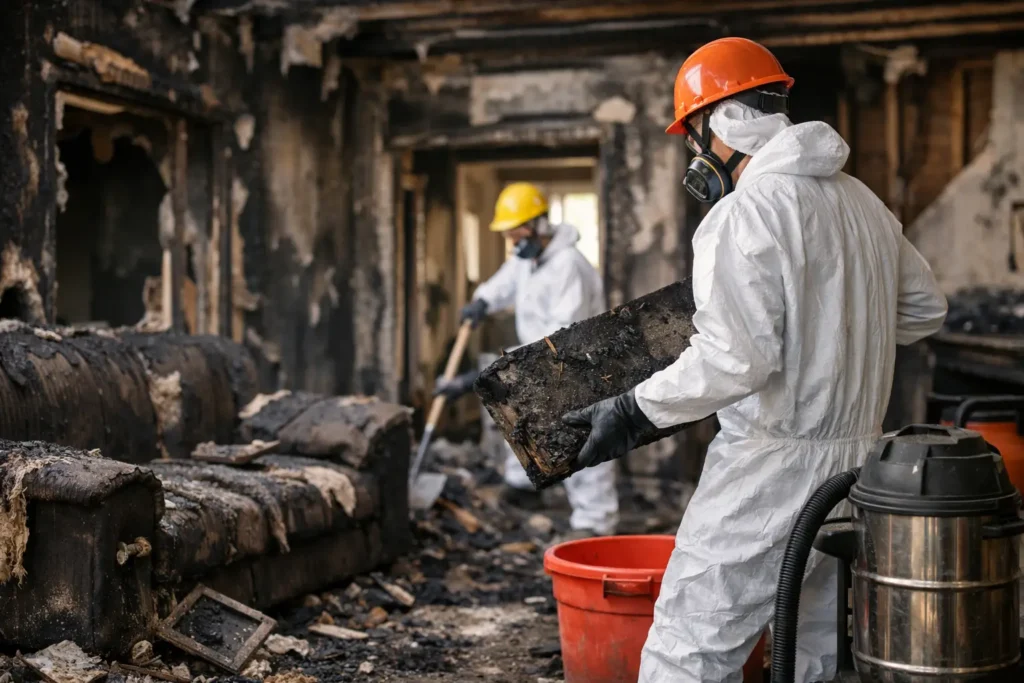
The fire may be out, but the damage keeps spreading if cleanup does not start quickly. Smoke settles into walls, soot stains surfaces, and the water used to extinguish the fire can create a second round of problems. That is why professional fire damage cleanup services matter so much for homeowners. The right response can protect structural materials, reduce long-term odor issues, and help you move from crisis to recovery with less stress.
For many Maryland homeowners, the hardest part is not knowing what happens next. After a house fire, even a small one, the property can feel unsafe, overwhelming, and unpredictable. Some damage is obvious, like burned drywall or charred framing. Other damage is less visible, including acidic soot residue, smoke particles inside HVAC systems, and moisture trapped behind walls or under flooring.
Key Takeaways
- Fire Damage Cleanup Services for Homeowners help protect the home after a fire by addressing fire, smoke, soot, and water damage.
- Cleanup should begin quickly because soot can stain surfaces, damage materials, and make odors harder to remove over time.
- Fire damage cleanup often includes assessment, documentation, emergency stabilization, debris removal, soot cleaning, deodorization, and drying.
- Smoke damage can spread far beyond the burned area, including into hallways, upper floors, soft materials, and HVAC systems.
- DIY cleanup can make damage worse if the wrong products or techniques are used on soot-contaminated surfaces.
- A qualified contractor should evaluate what can be saved and what must be removed, instead of assuming everything needs demolition.
- Choosing an experienced, insured, full-service restoration contractor can make recovery smoother, especially when insurance claims and reconstruction are involved.
What fire damage cleanup services actually include
A professional cleanup job is more than hauling away debris. Fire damage cleanup services usually begin with a full assessment of the affected areas. That means identifying direct fire damage, smoke and soot contamination, and any water damage left behind by firefighting efforts. The scope can vary depending on whether the fire was limited to one room or spread through multiple levels of the home.
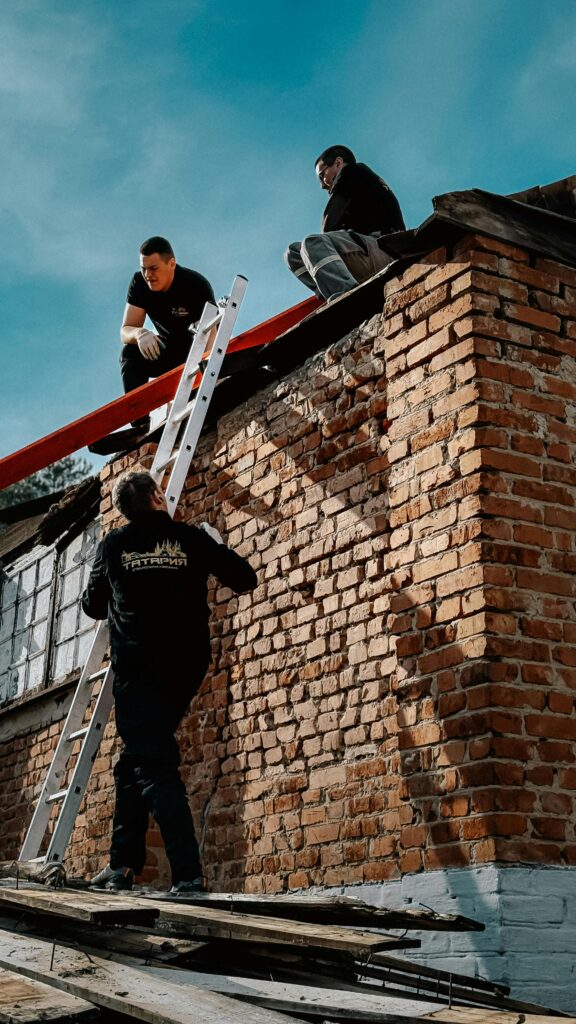
Once the damage is evaluated, the property may need emergency stabilization. This can include boarding up broken windows, tarping damaged roof sections, and securing entry points. These steps help prevent weather exposure, theft, and further deterioration while the cleanup and restoration plan is being organized.
The cleanup phase often includes removing unsalvageable materials, cleaning soot from salvageable surfaces, deodorizing affected rooms, and drying moisture-damaged areas. In some homes, insulation, drywall, cabinetry, flooring, and trim may need to be removed if smoke and water penetration are too severe. In others, a more targeted cleaning approach can preserve much of the original structure.
That difference matters. A qualified contractor should not assume everything must be demolished, but they also should not promise that every material can be saved. The right plan depends on how hot the fire burned, how long smoke circulated, what materials were affected, and how quickly cleanup begins.
Why speed matters after a fire
One of the biggest mistakes homeowners make is waiting too long to start cleanup. Even if the fire itself was contained quickly, soot residue starts damaging surfaces almost immediately. Metals can discolor, plastics can yellow, painted walls can stain, and odors can become harder to remove as particles settle deeper into porous materials.
Water damage adds another layer of urgency. Wet framing, subfloors, carpets, and drywall can create conditions for mold growth if drying is delayed. A fire restoration project is rarely just about fire. It is often a combination of fire, smoke, soot, and water damage that all need to be managed together.
Fast action does not mean rushed work. It means getting an experienced team in place early enough to protect what can still be saved. In many cases, timing affects both restoration cost and the final quality of the repaired home.
Fire damage cleanup services and smoke damage are not the same thing
Homeowners are often surprised that smoke damage can travel far beyond the burn area. A kitchen fire, for example, can affect nearby hallways, upper-level bedrooms, and HVAC ductwork even if flames never reached those spaces. Smoke moves fast, and the residue it leaves behind is not always uniform.
Dry smoke from fast-burning fires tends to leave a finer residue that can spread widely. Wet smoke from slower, smoldering fires often produces a thicker, stickier residue that is more difficult to clean. Protein residue from cooking fires can be nearly invisible but leave a strong lingering odor. Each type calls for a different cleaning approach.
That is one reason DIY cleanup can backfire. Using the wrong cleaner or technique can smear soot, grind particles deeper into surfaces, or permanently damage finishes. Homeowners may be able to handle very minor surface cleaning in unaffected areas, but serious smoke and soot contamination usually calls for specialized equipment, products, and experience.
What to expect during the cleanup process
A well-managed project should feel organized, even if the situation itself is stressful. First comes the inspection and documentation phase. This is especially important if you are filing an insurance claim. Clear records of damage, affected materials, and emergency work performed can help support the claims process.
Next comes mitigation. This is the immediate work done to prevent additional damage, such as water extraction, structural drying, debris removal, and securing the home. After that, cleaning and restoration begin. Depending on the severity of the loss, the work may involve surface cleaning and deodorization only, or it may lead into full reconstruction of damaged rooms.
This is where it helps to work with a contractor that understands both restoration and rebuilding. If one company handles cleanup but another handles repairs, communication gaps can cause delays, missed details, and frustration. A home damaged by fire often needs more than one type of expertise, from emergency response to finish carpentry and painting.
Choosing the right fire damage cleanup services
Not all contractors are equipped for this kind of work. Homeowners should look for a company that is insured, responsive, and experienced in both damage assessment and repair planning. Professionalism matters here because fire losses are emotional projects as much as construction projects. You need clear communication, realistic timelines, and a team that treats your home with respect.
It also helps to choose a contractor that understands the insurance side of the process. While every claim is different, a company familiar with restoration documentation and insurer expectations can make the experience less confusing. That does not mean every item will be covered or every decision will be simple. It does mean you are less likely to face unnecessary delays caused by poor paperwork or unclear scope.
For homeowners who want one trusted partner from emergency cleanup through reconstruction, working with a full-service company like Vinis Renovation & Restoration can be especially valuable. When the same team can stabilize the property, clean the damage, and rebuild the affected areas, the path forward tends to be more efficient and easier to manage.
Common questions homeowners ask after a fire
One of the first questions is whether the home is safe to enter. That depends on the extent of structural damage, electrical hazards, and air quality concerns. You should not re-enter until the fire department or appropriate professionals say it is safe.
Another question is whether smoke odor ever fully goes away. In many cases, yes, but only if the source is properly treated. Masking odors is not the same as removing them. Residue trapped in insulation, ductwork, framing cavities, and soft materials can continue to produce odors unless those areas are cleaned, sealed, or replaced as needed.
Homeowners also want to know how much can be saved. The honest answer is that it depends. Hardwood floors may be restorable in one home and beyond repair in another. Cabinets may be cleanable if smoke exposure was limited, but not if water swelling and heat damage are severe. A reliable contractor should explain those trade-offs clearly instead of overpromising.
Recovery is not just about cleanup
Once the immediate damage is addressed, homeowners still have to think about the home they want to return to. That can mean rebuilding damaged rooms to match the rest of the property, upgrading materials during reconstruction, or correcting older issues uncovered during demolition. In some cases, a fire restoration project becomes an opportunity to improve layout, finishes, or functionality rather than simply replace what was there before.
That said, restoration decisions should be practical first. The priority is making the home safe, clean, and structurally sound. Design improvements can be worthwhile, but they should fit your budget, insurance scope, and long-term plans for the property.
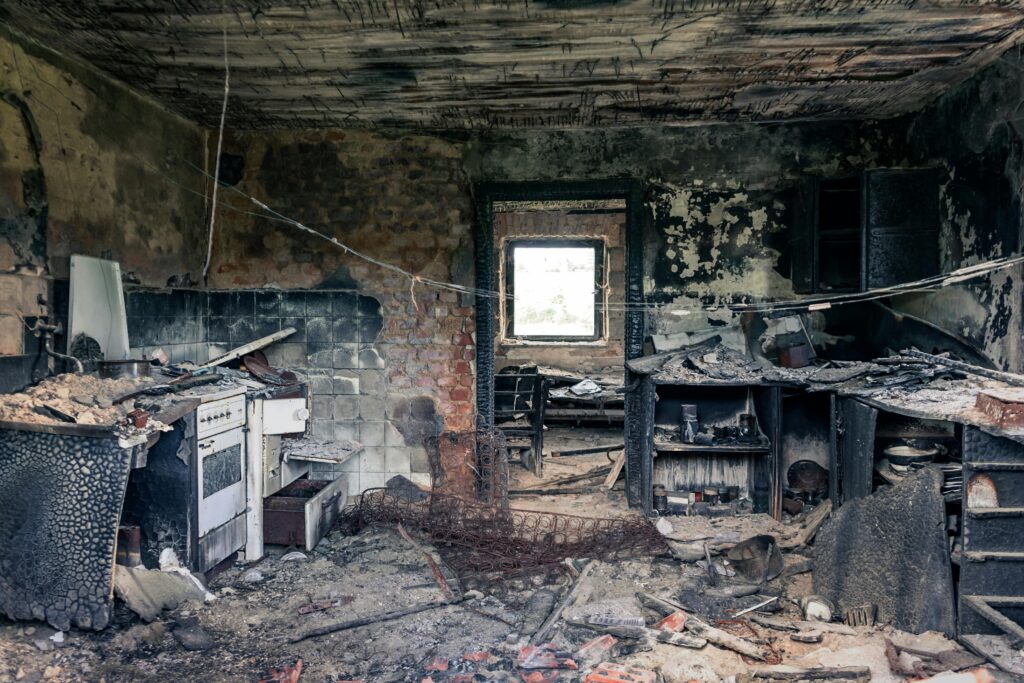
A house fire can leave you feeling like everything is on hold. The right team helps change that. Good fire damage cleanup services do more than remove debris and odors. They create a clear path back to a home that feels secure, livable, and cared for again. If you are facing that situation, start with experienced help, ask direct questions, and choose a contractor that can guide the work with the same level of care you would want in your own home.
Frequently Asked Questions
- What do fire damage cleanup services include?
They may include damage assessment, emergency board-up, roof tarping, debris removal, soot cleaning, deodorization, structural drying, and restoration planning. - Why is fast cleanup important after a house fire?
Quick cleanup helps reduce soot stains, lingering odors, water damage, mold risk, and further deterioration of affected materials. - Can smoke damage spread beyond the burned room?
Yes. Smoke particles can travel through hallways, upper floors, furniture, porous materials, and HVAC systems even if flames stayed in one area. - Is fire damage cleanup different from smoke damage cleanup?
Yes. Fire cleanup addresses burned materials and structural damage, while smoke cleanup focuses on soot residue, odor removal, and contaminated surfaces. - Should homeowners clean soot themselves?
Minor surface cleaning may be possible in unaffected areas, but serious soot contamination should be handled by professionals to avoid spreading or embedding residue. - Can smoke odor be completely removed?
In many cases, yes, but the odor source must be properly cleaned, sealed, or removed from materials like insulation, ductwork, framing cavities, and soft surfaces. - How do I choose the right fire damage cleanup company?
Look for an insured, responsive, experienced contractor that understands damage assessment, insurance documentation, cleanup, and reconstruction.