
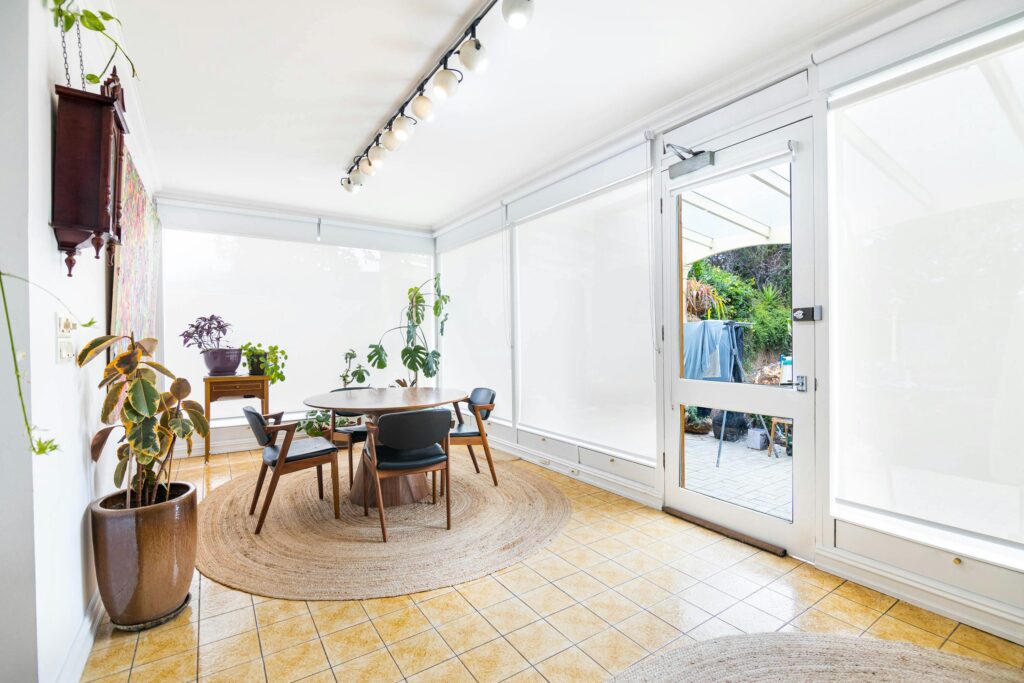
Imagine standing in your living room, thinking about how much more space your family could use, or how a home office or a sunlit reading nook might transform the daily flow of your life. For decades, homeowners have faced this common dilemma, needing more space without the upheaval of moving. This is where the concept of a room addition becomes an ingenious solution. From modest extensions to elaborate new wings, room additions have long offered a way to expand comfort, adapt to changing needs, and increase property value. But what if the room addition of the future looks entirely different? What innovations and trends will define the room addition in 2026?
In this article, we’ll take you on a journey through the fascinating evolution of room additions, highlighting how this home improvement practice has transformed over the years. More importantly, we will reveal what’s on the horizon for 2026, from revolutionary smart technologies and sustainable materials to cutting-edge design concepts. If you’ve ever considered enhancing your living space but felt overwhelmed or uncertain about what’s possible, this guide will equip you with fresh ideas and a visionary outlook on the future of room additions.
A room addition isn’t just about adding square footage; it’s about reimagining how we live, work, and relax within our homes. In previous decades, additions often meant a simple extra bedroom or an extended kitchen. However, as lifestyles evolve and technology advances, the concept of adding rooms is adapting, embracing innovations that blend functionality with sustainability and smart design.
By staying informed about these upcoming trends, you’ll be better prepared to make decisions that align with both your immediate needs and long-term homeowner goals. From modular construction methods that reduce build times to eco-friendly insulation materials that cut energy bills, the room addition of 2026 promises to deliver more than just extra space, it offers a chance to create a smarter, greener, and more harmonious home environment.
So, whether you’re a homeowner planning a future renovation or an enthusiast curious about architectural trends, join us as we explore the dynamic evolution of the room addition and what exciting developments await in 2026. Embrace the possibilities, and let your imagination open the door to the future of home expansions.
Key Takeaways: Room Addition Trends and Insights for 2026
Room additions are evolving beyond extra space, becoming strategic upgrades that improve lifestyle flexibility, comfort, and long-term home value.
Room addition projects in 2026 emphasize smart technology, including integrated climate control, lighting automation, and future-ready infrastructure.
Sustainability is a defining trend, with eco-friendly materials, energy-efficient insulation, and reduced construction waste shaping modern room additions.
Modular and faster construction methods are gaining popularity, helping homeowners reduce build time, disruption, and overall project costs.
Flexible, multi-purpose room additions support modern living needs such as remote work, wellness spaces, and multi-generational households.
Well-designed room additions deliver strong ROI, with resale returns often reaching 70–80%, making them a smart investment for homeowners.
Natural light and seamless integration with existing home architecture are critical for both aesthetic harmony and energy efficiency.
Room additions in 2026 focus on adaptability, allowing spaces to evolve as family needs, technology, and lifestyles change over time.
Professional planning and code awareness are essential, as building regulations and performance standards continue to advance.
A room addition is no longer just construction, it’s a future-focused solution that blends design, technology, sustainability, and emotional value.
Why Room Addition Is More Important Than You Think
Room addition is no longer just a simple way to increase the square footage of your home, it has evolved into a strategic investment that enhances your living space, lifestyle, and property value. As we approach 2026, understanding the significance of room additions is crucial for homeowners, architects, and real estate professionals alike.
At its core, a room addition involves expanding your existing home structure to add extra rooms, whether it be an extra bedroom, a home office, or a sunroom. However, the importance of room additions goes far beyond just adding space. According to the National Association of Home Builders, homes with thoughtfully designed additions see an average return of 70-80% on investment at resale, which is a substantial increase in comparison to more superficial home improvements.
Moreover, today’s homeowners prioritize multifunctional spaces that adapt to changing needs, something that room additions uniquely provide. For example, a growing family might add a new bedroom suite for more privacy, while remote workers look to create dedicated home office spaces. This trend is accelerating with the evolving work-from-home culture and shifting family dynamics.
Consider the story of Lisa and Mark, a couple from Denver who successfully transformed their cramped, two-bedroom house by adding a spacious three-season sunroom and an extra bedroom upstairs. This room addition not only gave their family the breathing room they needed but also increased their home’s market value by 15%, enabling them to sell at a premium when they finally moved.
As we move closer to 2026, innovations in sustainable materials, smart home integration, and modular construction are poised to make room additions even more attractive and efficient. This evolution makes understanding the current importance of room additions key for anyone planning their home’s future.
In short, room addition is a powerful tool that enhances comfort, increases home value, and adapts to modern lifestyles, making it far more important today than many might realize.
Tips for Successful Room Additions in 2026: Embracing the Future
✅ Plan with Future Trends in Mind: Consider smart home integrations and sustainable materials to make your room addition tech-savvy and eco-friendly.
✅ Prioritize Energy Efficiency: Use advanced insulation and energy-efficient windows to reduce costs and increase comfort.
✅ Optimize Natural Light: Incorporate large windows or skylights to create bright, welcoming spaces aligned with 2026 design trends.
✅ Choose Flexible Spaces: Design multipurpose rooms that can adapt to changing needs, such as home offices or guest rooms.
✅ Invest in High-Tech Features: Think about built-in charging stations, smart lighting, and automated climate control for convenience.
✅ Work with Experienced Professionals: Collaborate with architects and contractors aware of the latest materials and building codes.
✅ Focus on Seamless Integration: Ensure your addition blends aesthetically and structurally with your existing home for a cohesive look.
✅ Permit and Regulation Awareness: Stay updated on local regulations and permits that might evolve by 2026 to avoid legal setbacks.
💡 Extra Tip: Experiment with modular construction methods to save time and minimize disruption during your room addition project.
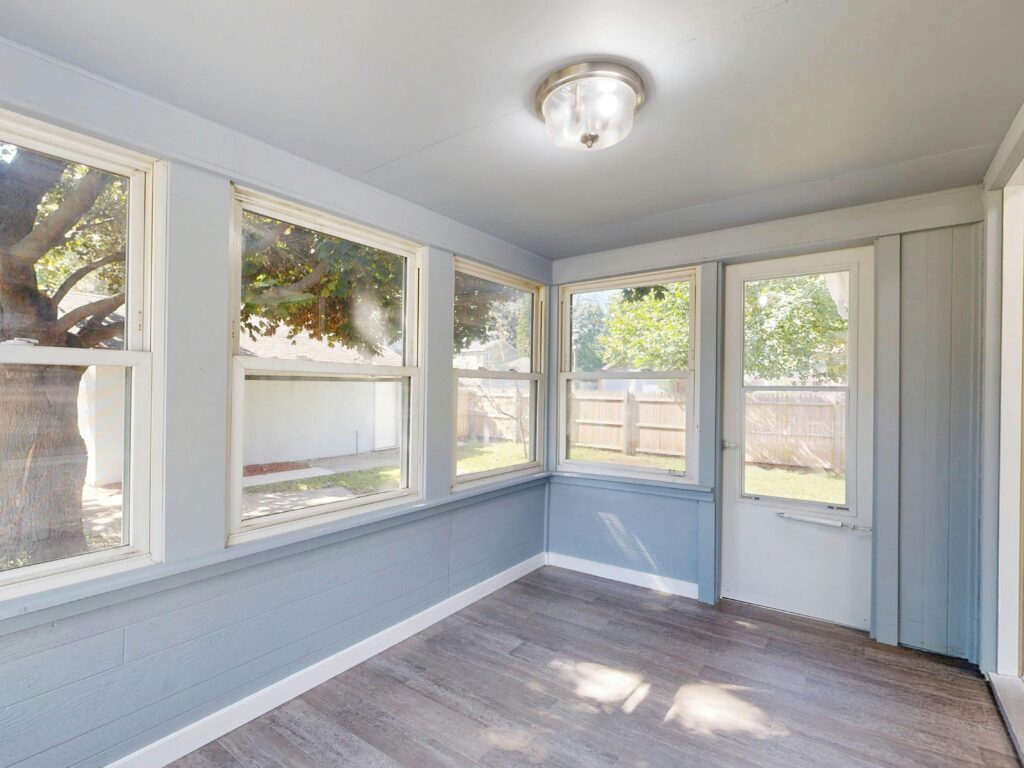
Key Concepts Behind Room Addition
The idea of a room addition extends far beyond simply expanding the square footage of a home. It represents an architectural and emotional extension of personal space, a tangible manifestation of evolving lifestyles and the ever-shifting dynamics of family life. When we think of room addition, we are actually touching upon layers of history, design innovation, and cultural expression, all woven into the physical structure of a home.
Room Addition as a Living Canvas
Imagine a home as a living canvas, each room capturing the story of its inhabitants. A room addition acts as a broad brushstroke on this canvas , it’s not merely about adding physical space but enhancing the narrative the home tells. This new space becomes a chapter that intertwines with existing spaces, creating continuity but also introducing fresh elements and ideas. In this way, room additions serve a dual purpose: they preserve the past context while boldly shaping the future.
The Fluidity of Space and Purpose
One fascinating concept behind room additions is the fluidity of space. Unlike traditional architectural expansions that often aimed at strictly defined outcomes, modern room additions reflect flexibility and multifunctionality. The added room might serve as a quiet study one day and transform into a vibrant family game room the next. This versatility mirrors how human needs and social interactions evolve, blurring the rigid boundaries between living, working, and leisure environments.
The metaphor of water adapting to the shape of its container vividly illustrates this fluidity. Just as water isn’t constricted by a singular form, the room addition adapts to the desires and rhythms of its users. It underscores the fundamental principle that the value of a room isn’t just its walls or size, but its capacity to serve varied and changing purposes.
A Dialogue Between Old and New
At the heart of every room addition lies an intriguing dialogue between the original structure and the new space. This conversation involves aesthetics, materials, and architectural styles, reflecting the homeowner’s journey through time. The addition must honor the existing home’s identity while also expressing contemporary aspirations.
This interplay can be likened to a musical duet where two distinct instruments, old and new, play different melodies yet harmonize to form a richer, more dynamic composition. The success of a room addition often hinges on this balance: respecting legacy without sacrificing innovation.
Room Addition as a Reflection of Societal Shifts
Room additions are microcosms of broader societal trends. In recent decades, changing family structures, remote work cultures, and a growing emphasis on wellness and privacy have influenced how and why people expand their homes. The multi-generational household requires rooms that accommodate diverse needs, much like a small village within one household. Meanwhile, technological advancements call for integrated, smart spaces that respond to modern living.
This phenomenon reinforces the idea that room additions are not static architectural acts but living responses to social evolution. They embody how personal and communal identities evolve, reflecting shifts in values, work-life balance, and the search for comfort and efficiency.
The Emotional Resonance of Added Space
Beyond bricks and mortar, a room addition carries profound emotional weight. It signals growth, hope, and transformation. When a family decides to add a new room, it often reflects a milestone, be it the arrival of a new member, the need for personal refuge, or a long-cherished dream of expanded creativity.
This emotional resonance is akin to a seed planted in a garden, promising future blossoms and shelter. The new room is not just a physical space but a sanctuary laden with potential and symbolism, offering both security and freedom within the home’s ecosystem.
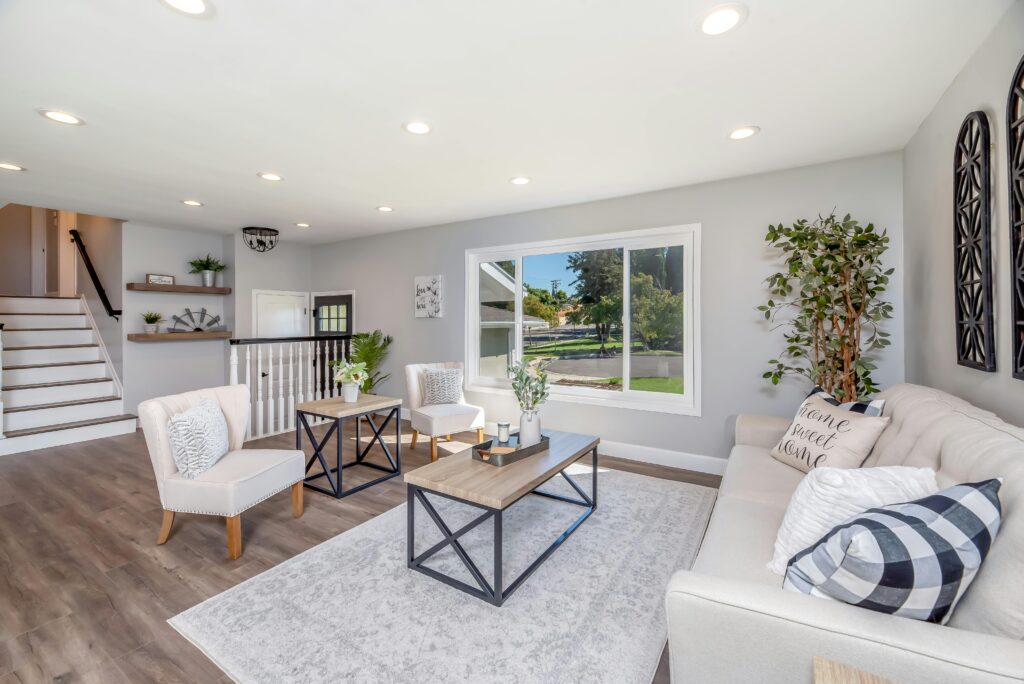
Integration with Environment and Sustainability
Modern room additions increasingly engage with their environment rather than impose upon it. Concepts such as natural light optimization, energy efficiency, and harmonious integration with the landscape underscore a growing awareness of sustainability and ecological responsibility.
This approach transforms room addition from an isolated act of expansion into a deliberate conversation with nature. It’s like weaving a new thread into an existing fabric, reinforcing its strength and beauty rather than unraveling it.
In essence, the concept of room addition is a layered and richly textured one, where physical expansion intersects with emotional, social, and environmental dimensions. It’s an evolving story, one that captures the aspirations of today while anticipating the lifestyles of tomorrow, particularly as we look ahead to trends emerging in 2026. Far from being just an architectural afterthought, room additions are storytellers in their own right, shaping and reflecting the fabric of human experience.
Frequently Asked Questions about Room Addition: The Evolution of Room Additions – What’s Coming in 2026
❓ What exactly is a room addition?
A room addition involves extending your home’s existing structure by adding new space, such as an extra bedroom, living room, or home office. It’s a popular way to increase your living area without moving.
❓ How are room additions expected to evolve in 2026?
In 2026, room additions will focus more on sustainable materials, smart home technology integration, and flexible designs that adapt to changing lifestyle needs. Expect more eco-friendly options and modular spaces.
❓ Is a room addition a cost-effective way to increase home value?
Yes, room additions typically enhance your home’s value, especially if they add functional space like an extra bedroom or bathroom. In 2026, this trend continues with an emphasis on energy efficiency, further boosting home value.
❓ How long does it usually take to complete a room addition project?
The timeline varies depending on size and complexity, but most room additions take anywhere from a few weeks to several months. Advances in construction technology by 2026 may shorten these timelines.
❓ Do I need special permits for a room addition?
Almost always, yes. Local building permits and inspections are required to ensure your room addition complies with safety and zoning regulations. Regulations might become stricter in 2026, so early planning is essential.