
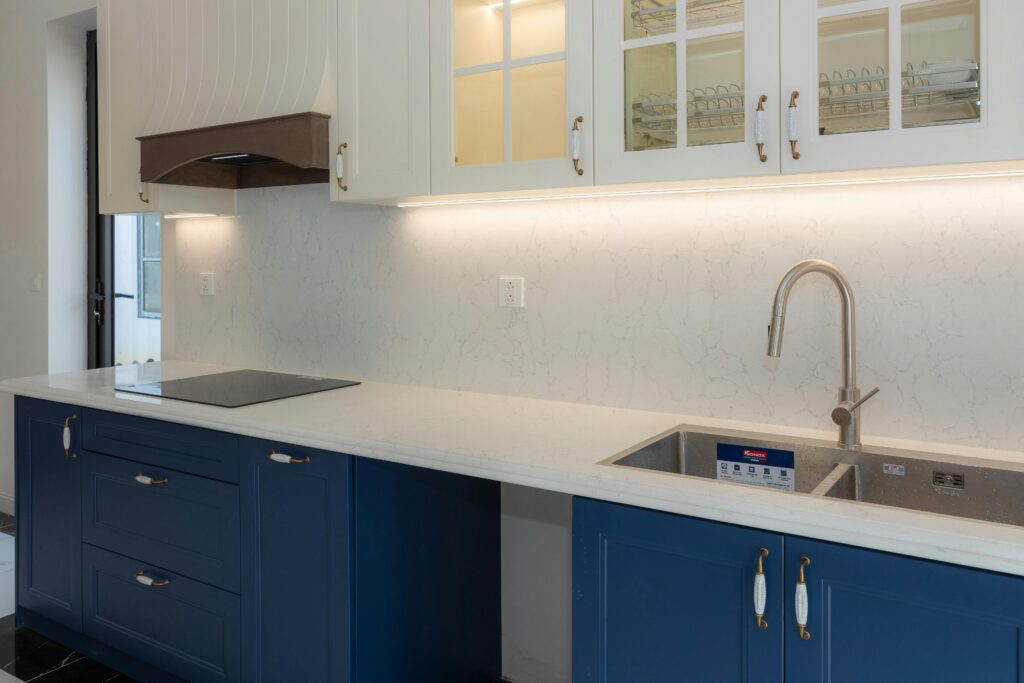
Imagine stepping into your kitchen on a sweltering Maryland summer day. The humidity clings to the air, and the temperature inside your home rises, making cooking feel like a chore rather than a pleasure. Many homeowners in Maryland face this exact challenge, where the local climate’s fluctuations between hot, humid summers and chilly winters strain the very heart of their homes: the kitchen. This is where the importance of kitchen remodeling tailored specifically for Maryland’s unique weather patterns comes into play.
Kitchen remodeling is not simply about updating cabinets or installing the latest appliances; it’s about creating a space that thrives amid the elements it faces daily. In Maryland, where the air can shift dramatically with the seasons, a kitchen remodel designed with climate-smart features can protect your investment and improve your day-to-day comfort. If you’ve ever wondered how to reinvent your kitchen to handle Maryland’s humidity and temperature swings, this article will guide you through effective and innovative solutions.
By exploring climate-smart designs that embrace moisture-resistant materials, advanced ventilation systems, and energy-efficient appliances, you’ll discover how kitchen remodeling transforms your space into a durable, stylish, and comfortable hub. This article will delve into strategies specifically crafted for Maryland kitchens, ensuring your remodel is both beautiful and practical.
You’ll learn how selecting the right cabinetry and countertops can prevent warping and mold caused by excess humidity. We’ll discuss ventilation options that reduce airborne moisture and keep your kitchen fresh year-round. Additionally, energy efficiency will be a key focus, detailing how to minimize your utility costs as temperatures fluctuate. Whether you’re planning a complete kitchen overhaul or simply seeking advice to enhance your current setup, the insights provided here will empower you to make climate-conscious decisions.
Join us as we uncover the secrets of successful kitchen remodeling in Maryland, blending design appeal with resilience against the state’s distinctive weather challenges. Ultimately, you’ll walk away with actionable tips to create a kitchen that not only meets your aesthetic desires but stands strong against humidity and temperature variations for years to come.
Key Takeaways
- Maryland’s climate directly impacts kitchen durability, with humidity and temperature swings causing warping, mold, and wear.
- Climate-smart kitchen remodeling goes beyond aesthetics, focusing on resilience, comfort, and long-term performance.
- Moisture-resistant cabinetry and countertops prevent damage caused by high humidity.
- Proper ventilation is essential to control moisture and maintain healthy indoor air quality.
- Energy-efficient appliances and insulation stabilize indoor temperatures and lower utility costs.
- Material selection matters, engineered woods, quartz, and sealed surfaces outperform traditional options in Maryland homes.
- Climate-aware layouts reduce heat buildup and improve day-to-day comfort while cooking.
- Smart remodeling protects your investment, extending the life of your kitchen.
- Climate-smart kitchens perform better year-round, regardless of season.
- A well-designed remodel turns climate challenges into advantages, blending beauty with durability.
Why Kitchen Remodeling in Maryland Needs to Be Climate-Smart: Understanding the Impact of Humidity and Temperature Changes
When discussing kitchen remodeling in Maryland, it’s essential to recognize that this state’s unique climate plays a crucial role in how kitchens should be designed and renovated. Maryland experiences a mix of humid summers and cold winters, with significant temperature fluctuations throughout the year. These factors can seriously impact the longevity, comfort, and energy efficiency of your kitchen. So, why exactly is climate-smart kitchen remodeling so important here?
First, let’s define what we mean by kitchen remodeling. This process involves updating, redesigning, or reconstructing your kitchen space to improve functionality, aesthetics, and sometimes to increase your home’s value. Traditionally, homeowners focus on aspects like cabinetry, countertops, appliances, and layout. However, in Maryland, where the climate oscillates between damp summers and chilly winters, remodeling efforts must also prioritize materials and design choices that withstand these environmental stresses.
Statistics show that humid environments like Maryland’s can cause problems such as mold growth, wood warping, and accelerated wear of kitchen surfaces. According to the Environmental Protection Agency (EPA), indoor humidity ideally should stay between 30-50% to minimize mold and mildew. Yet, during Maryland’s summer months, outdoor humidity can average 70% or higher, making indoor moisture control a challenge if the kitchen isn’t built with these factors in mind.
One illustrative example comes from a homeowner in Baltimore who undertook a full kitchen remodeling. Initially, their kitchen had traditional wood cabinets that absorbed moisture, causing swelling and warping within just two years. Learning from this, their remodel incorporated engineered wood with moisture-resistant finishes, improved ventilation systems, and energy-efficient windows to reduce humidity and temperature swings inside. This approach significantly improved the kitchen’s durability and comfort, showcasing the tangible benefits of climate-smart remodeling.
Moreover, energy consumption is another critical consideration. Homes with kitchens that lack proper insulation and air circulation often face higher heating and cooling bills in Maryland’s variable climate. The Department of Energy notes that smart design choices, including insulated cabinetry and energy-efficient appliances, can reduce energy costs by up to 30%. Because kitchens are often a hub for cooking and gathering, maintaining a stable temperature can also enhance the overall living experience.
In summary, kitchen remodeling in Maryland is not just about aesthetics or upgraded appliances, it also involves embracing climate-smart designs tailored to humidity and temperature fluctuations. Doing so protects your kitchen investment, improves indoor air quality, saves energy, and ultimately creates a more comfortable space for years to come. As we continue this blog, we’ll explore specific strategies and materials that make Maryland kitchens truly climate-resilient through smart remodeling choices.
How to Apply Kitchen Remodeling Step by Step for Climate-Smart Designs in Maryland
Remodeling your kitchen in Maryland presents unique challenges and opportunities. The state’s climate, marked by humid summers and fluctuating temperatures, requires a remodeling approach that isn’t just beautiful, but resilient and energy-efficient. To help you achieve a kitchen that thrives amid Maryland’s weather variations, here’s a detailed, step-by-step guide to applying kitchen remodeling with climate-smart design principles.
Step 1: Assess Your Current Kitchen and Climate Impact
Before planning any renovations, thoroughly assess your existing kitchen’s condition:
– Evaluate humidity effects: Look for signs of moisture damage such as warped cabinets, peeling paint, or mold growth.
– Check insulation and ventilation: Poor insulation or inadequate ventilation can worsen indoor humidity and temperature control.
– Note temperature fluctuations: Are some areas prone to drafts or temperature extremes?
Take photos and measurements, and identify which materials or areas need upgrading to withstand Maryland’s climate.
Step 2: Choose Climate-Resilient Materials
Your material choices will make a significant difference in durability and comfort:
– Cabinetry: Opt for solid wood with moisture-resistant finishes or engineered wood products designed to withstand humidity.
– Countertops: Materials like quartz or granite are excellent for resisting moisture and temperature changes.
– Flooring: Choose water-resistant options, like ceramic tile or luxury vinyl plank, that can handle humidity without warping.
– Paints and Coatings: Use mold- and mildew-resistant paints specifically formulated for high-humidity environments.
This focus ensures your kitchen will endure and look great year-round.
Step 3: Improve Insulation and Ventilation
Keeping your kitchen’s temperature stable and moisture under control hinges on proper insulation and ventilation:
– Upgrade insulation: Insulate walls and ceilings with high-quality, moisture-resistant materials to keep unwanted heat and cold at bay.
– Install ventilation fans: A powerful, quiet exhaust fan above your stove and in nearby bathrooms prevents moisture buildup by venting humid air outside.
– Consider windows: Install energy-efficient, double-pane windows that reduce drafts and condensation.
Well-planned airflow prevents humidity-related problems and improves indoor air quality.
Step 4: Plan the Layout with Climate in Mind
When designing your kitchen’s layout, think about how Maryland’s climate affects space usage:
– Position appliances wisely: Place heat-generating appliances, like ovens, away from exterior walls to reduce heat loss or gain.
– Maximize natural light: Utilize south-facing windows for sunlight, but add shades or treatments to control heat during the summer.
– Include moisture-prone zones: Create areas with easy-to-clean, water-resistant surfaces near sinks and dishwashers to contain humidity.
A functional layout enhances comfort while mitigating climate challenges.
Step 5: Incorporate Energy-Efficient Appliances and Lighting
Climate-smart remodeling also includes reducing your kitchen’s energy footprint:
– Energy Star-rated appliances: Choose refrigerators, dishwashers, and ovens designed for efficient performance in variable climates.
– LED lighting: Install LED bulbs and task lighting to reduce heat output while illuminating your workspaces.
– Smart controls: Use programmable thermostats and ventilation controls to maintain ideal conditions without wasting energy.
These upgrades save money and help your kitchen adapt smoothly to Maryland’s swings in weather.
Step 6: Use Smart Water Management Solutions
Humidity in Maryland can be tackled by improving water usage and drainage:
– Install low-flow faucets: These reduce water consumption without sacrificing performance.
– Ensure proper drainage: Slope countertops slightly toward sinks, and seal edges to prevent water pooling.
– Employ moisture sensors: Advanced technology can alert you to leaks or excess humidity early.
Effective water control minimizes moisture-related damage and boosts kitchen longevity.
Step 7: Add Climate-Friendly Décor and Finishing Touches
Finally, complete your kitchen remodel with décor choices that resonate with climate-smart principles:
– Use natural fibers and washable textiles: Avoid fabrics that trap moisture; opt for cotton or synthetic materials that dry quickly.
– Incorporate indoor plants: Certain plants improve air quality and reduce humidity naturally.
– Select climate-appropriate colors: Light shades reflect heat, keeping the kitchen cooler in summer.
These subtle touches enhance ambiance while maintaining a healthy environment.
Example: A Climate-Smart Remodel in Annapolis, Maryland
Imagine Sarah, a homeowner in Annapolis, who faced constant condensation on her kitchen windows and peeling cabinet finishes. By following these climate-smart remodeling steps, installing moisture-resistant cabinets, upgrading ventilation, and selecting energy-efficient appliances, she transformed her kitchen into a comfortable yet stylish space that holds up beautifully against humid summers and chilly winters.

By following this step-by-step approach, your kitchen remodeling in Maryland will result in a space that’s not only visually stunning but also built to stand the test of climate. Embrace climate-smart design and enjoy a kitchen that complements Maryland’s unique environment!
Tips for Successful Kitchen Remodeling in Maryland: Climate-Smart Designs Built for Humidity and Temperature Changes
✅ Choose Moisture-Resistant Materials: Opt for cabinets and flooring made from materials like vinyl, laminate, or treated wood that withstand Maryland’s humid climate without warping or swelling.
✅ Install Proper Ventilation: Invest in a high-quality range hood and ensure your kitchen has adequate airflow to combat moisture buildup and reduce the risk of mold and mildew.
✅ Use Climate-Adaptive Paints and Finishes: Select paints and sealants formulated for high humidity, which resist peeling and maintain their finish despite temperature fluctuations.
✅ Incorporate Energy-Efficient Appliances: Maryland’s varied climate calls for appliances that adapt well to energy demands, helping you save on utility bills while maximizing kitchen performance.
✅ Plan for Seasonal Temperature Changes: Include insulation behind walls and under floors to maintain stable indoor temperatures, reducing the strain on heating and cooling systems within your kitchen.
✅ Select Durable Countertop Materials: Choose quartz or granite countertops that are not only heat-resistant but also less prone to damage caused by moisture and humidity common in Maryland.
✅ Design with Smart Storage Solutions: Humidity can affect food preservation, so integrate airtight, moisture-sealed cabinets and pantry spaces to keep ingredients fresh longer.
✅ Use Dehumidifiers Strategically: Consider placing dehumidifiers or moisture absorbers in your kitchen to keep humidity levels in check, particularly during Maryland’s muggy summers.
✅ Opt for LED Lighting with Smart Controls: LEDs emit less heat and eliminate excess warmth buildup, which helps manage kitchen temperature while enhancing energy efficiency.
✅ Work with Local Contractors Experienced in Maryland’s Climate: A skilled remodeling team familiar with Maryland’s weather patterns can recommend the best materials and designs to ensure your kitchen stands up to humidity and temperature swings.
By implementing these climate-smart kitchen remodeling tips, Maryland homeowners can create beautiful, durable spaces perfectly suited to handle the region’s unique environmental challenges.
Key Concepts
Kitchen remodeling is an intricate dance between functionality, aesthetics, and the unique environmental challenges posed by a specific location. When considering kitchen remodeling in Maryland, the concept transforms into a delicate balance of design ingenuity and climate awareness. Maryland’s weather, characterized by humid summers and fluctuating temperature swings, introduces distinctive demands that deeply influence how kitchens are envisioned, planned, and ultimately brought to life.
The Intersection of Kitchen Remodeling and Climate
Remodeling a kitchen isn’t merely about replacing cabinets or updating countertops; it’s akin to crafting a living space tailored to breathe in harmony with its surroundings. Maryland’s humid climate acts as an invisible sculptor, slowly reshaping materials and influencing the longevity and comfort of kitchen spaces. When humidity levels soar, materials susceptible to moisture, like wood and certain composites, can warp, swell, or degrade. In essence, the renovation must anticipate not just immediate visual appeal but durability and resilience against the natural elements.
Imagine a kitchen remodeling project as constructing a ship designed to sail in Maryland’s ocean of climate variations. Each material choice, each design element, functions like a security feature against the relentless waves of humidity and shifting temperatures. Without these considerations, the kitchen might shine brilliantly on day one, but months or years later, signs of the climate’s toll will begin to tell a different story.
Material Science: The Backbone of Climate-Smart Remodeling
A fundamental concept intertwined with kitchen remodeling, especially under Maryland’s climate pressures, is the science behind materials. Some woods, such as maple and oak, though visually appealing, are more prone to swelling in high humidity. Conversely, engineered woods or composite materials may offer superior resistance to moisture, acting as stalwart guardians against the seasonal assault.
Countertops exemplify this concept vividly. Natural stone, like granite, although durable, has pores that can absorb moisture, potentially fostering mold growth if not sealed properly. Quartz surfaces, by contrast, provide a non-porous, low-maintenance alternative but may have different thermal expansion characteristics. Understanding these nuances is like deciphering the secret language of materials, where each choice writes a chapter in the kitchen’s ongoing dialogue with Maryland’s weather.
Thermal Dynamics in Kitchen Design
Temperature fluctuations aren’t mere background noise but active players in the kitchen’s lifecycle. The expansion and contraction of materials in response to heating and cooling cycles can cause fissures, loosening joints, or uneven wear. This phenomenon is comparable to the stress endured by a violin string tuned too tight, susceptible to snapping under tension.
In Maryland, where winters bite cold and summers bring warmth soaked in humidity, kitchen remodeling must embrace materials and construction methods that flex and adapt. Designing with thermal movement in mind is akin to choreographing a ballet where every dancer (material) moves fluidly with the music (temperature changes), avoiding clashes that would mar the performance.
Ventilation: The Unsung Hero in Kitchen Remodeling
Ventilation often hides in the shadows of kitchen design discussions but is paramount in a climate-smart remodeling scenario. Maryland’s high humidity acts like a stealthy intruder, infiltrating kitchen spaces and fostering an environment ripe for mold and mildew, a perfect storm for health hazards and material decay.
Effective ventilation functions like an air purifier for the kitchen’s ecosystem, actively expelling excess moisture and regulating temperature. This concept transcends simple fan installation; it encompasses strategic placement, adequate exhaust capacity, and proper sealing, all working in symphony to maintain a balanced internal microclimate despite Maryland’s external conditions.
The Synergy of Energy Efficiency and Climate Adaptation
Kitchen remodeling in Maryland is not just a battle against humidity and temperature; it’s an opportunity to embrace energy efficiency as a natural ally. Well-insulated windows and doors, weather-resistant seals, and thoughtfully positioned appliances can reduce the reliance on artificial climate controls, making the kitchen both eco-friendly and comfortable.
This synergy resembles a fine-tuned ecosystem where each element contributes to maintaining harmony. In the microcosm of the kitchen, it means that design choices mitigate energy loss caused by external humidity and temperature swings, reducing the carbon footprint of daily culinary endeavors.
A Living Space in Flux: Embracing Change Through Timeless Design
Ultimately, the concept of kitchen remodeling in Maryland transcends static snapshots. Kitchens become dynamic spaces that evolve with the seasons, responding proactively to the push and pull of climate forces. This fluidity is essential, a kitchen isn’t just a room; it’s a living organism adapting to the rhythms of its environment.
This approach challenges the traditional view of remodeling as a one-time fix. Instead, it embraces remodeling as a continuous dialogue between human creativity and nature’s unpredictability, ensuring that the kitchen remains a sanctuary of beauty, function, and resilience through years to come.
Conclusion: The Essence of Climate-Smart Kitchen Remodeling
To distill the essence of kitchen remodeling in Maryland under climate-smart principles is to recognize the profound interplay between environment and design. Humidity and temperature changes sculpt the choices of materials, influence the architectural details, and inspire ventilation and energy solutions. Like a masterful storyteller weaving ancient tales with modern sensibilities, climate-smart kitchen remodeling merges science and art, crafting spaces that don’t just endure but flourish amid the ebb and flow of Maryland’s natural world.

Frequently Asked Questions About Kitchen Remodeling in Maryland: Climate-Smart Designs Built for Humidity and Temperature Changes
❓ What makes kitchen remodeling in Maryland unique compared to other states?
Maryland experiences significant humidity and temperature fluctuations throughout the year. This means kitchen remodeling projects here need climate-smart designs that can handle moisture, prevent mold, and maintain durability despite seasonal changes.
❓ How can I make my kitchen remodel more humidity-resistant in Maryland?
Using moisture-resistant materials like engineered wood, high-quality tiles, and water-resistant paint is essential. Installing proper ventilation systems and dehumidifiers also helps maintain an optimal humidity level in your kitchen.
❓ Are there specific design elements that help with temperature changes in Maryland kitchens?
Yes. Incorporating energy-efficient windows, insulated cabinetry, and smart appliances can help maintain a stable kitchen environment. These elements minimize the impact of outdoor temperature swings and reduce energy bills.
❓ Can I include eco-friendly features in my climate-smart kitchen remodel?
Absolutely. Sustainable materials, energy-efficient lighting, and water-saving fixtures are excellent choices. Maryland homeowners increasingly prefer eco-friendly options that align with climate-smart remodeling principles.
❓ How long does a typical kitchen remodeling project addressing Maryland’s climate challenges take?
While timelines vary, projects that include climate-smart upgrades often take slightly longer due to material selection and specialized installations, typically between 6 to 12 weeks. Proper planning ensures your remodel stands up to Maryland’s unique weather