
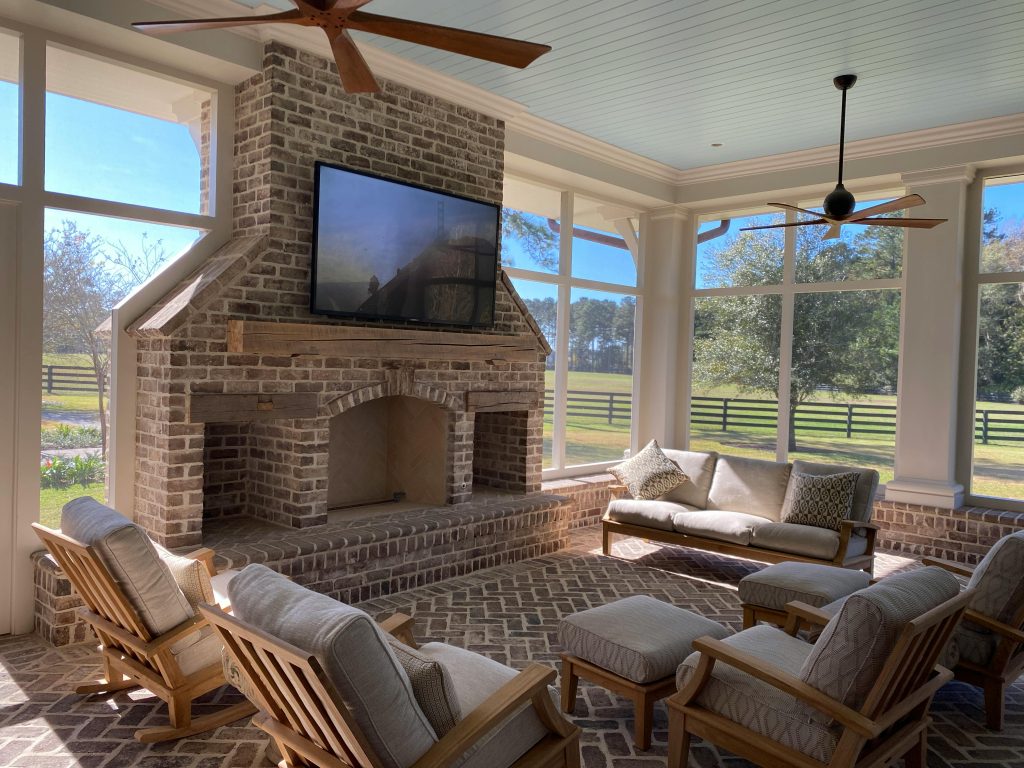
Imagine waking up on a typical Maryland morning. Outside, the sky is heavy with rain, promising a day soaked in steady downpour. Later, the sun might blaze under a summer heatwave, and by evening, the crisp chill of autumn whispers through your windows. This is the weather reality Maryland homeowners know all too well. If you’re considering a durable room addition, your investment needs to stand strong against this triad of rain, heat, and cold , or risk becoming a costly and uncomfortable mistake.
What if there was a way to create a space that not only expands your home but also fights Maryland’s seasonal extremes with confidence? Today, we’re diving deep into durable room addition ideas designed specifically to withstand the constant cycle of wetness, blazing heat, and biting cold unique to this region. Whether you’re dreaming of a sunroom, a home office, or a guest suite, durability is key.
By the end of this article, you’ll learn practical materials, construction techniques, and thoughtful design strategies that ensure your new room retains comfort and integrity through any weather Maryland throws your way. From moisture-resistant insulation to smart ventilation and weatherproof cladding options, each tip is tailored to help you build smarter, not just bigger.
So, if you’re ready to transform your home with a room addition that will last for decades, come rain or shine, read on. Let’s explore how durable room additions can become your sanctuary amid Maryland’s notoriously unpredictable climate.
Key Takeaways
- Maryland’s unpredictable weather—rain, heat, and cold—demands a Durable Room Addition built to withstand extreme conditions year-round.
- Choosing weather-resistant materials like fiber cement, treated wood, or metal roofing ensures long-lasting comfort and protection.
- Proper insulation, moisture barriers, and ventilation are essential to prevent leaks, mold, and energy loss.
- A well-designed Durable Room Addition enhances your home’s value, energy efficiency, and overall livability.
- Investing in durability today prevents costly repairs and keeps your new space comfortable through every Maryland season.
Why a Durable Room Addition Is Essential for Maryland Homes
Adding an extra room to your home is an exciting way to expand your living space and increase your property’s value. However, when considering a durable room addition in Maryland, it’s crucial to think beyond aesthetics and size, durability is key. Maryland’s unique climate presents a challenging mix of heavy rain, intense summer heat, and bone-chilling winter cold. These weather extremes demand that any room addition be built to withstand the varying elements to ensure longevity and comfort for years to come.
Maryland experiences an average annual rainfall of about 43 inches, with the wettest months often bringing heavy downpours and occasional storms. Combine this moisture with the hot and humid summers, where temperatures regularly climb into the 80s and 90s, plus winters that dip below freezing and bring snow and ice, and you have a recipe for potential structural stress on any new construction. A durable room addition incorporates materials and construction techniques designed to resist mold, water damage, warping, and heat loss, which are common problems in large areas with weather variability.
According to the National Association of Home Builders, homes in climates with significant weather changes benefit greatly from thoughtful additions that enhance insulation and weatherproofing. Properly constructed room additions can improve energy efficiency by up to 20%, translating to substantial savings on heating and cooling bills.
Take, for example, the story of the Johnson family in Baltimore. They decided to add a sunroom to enjoy Maryland’s bright fall days. Instead of a simple add-on, they prioritized durability by selecting insulated composite siding, installing impact-resistant windows, and incorporating a radiant barrier roof system. After three years, their sunroom remains free from leaks, is comfortable year-round, and has even become their favorite family gathering spot. The upfront investment in durability paid off with less maintenance, lower energy costs, and increased home satisfaction.
In the chapters ahead, we will explore how you can achieve your dream durable room addition tailored specifically to Maryland’s rain, heat, and cold, ensuring your new space stands the test of time, no matter the season.
Tips for a Durable Room Addition to Withstand Maryland’s Rain, Heat, and Cold:
✅ Choose Weather-Resistant Materials: Opt for fiber cement siding, metal roofing, or treated wood that resist moisture and temperature changes common in Maryland.
✅ Invest in Proper Insulation: Use high-quality insulation such as spray foam or rigid foam boards to keep heat in during winter and out during summer, ensuring comfort and energy efficiency.
✅ Seal All Gaps and Cracks: Apply weather stripping and caulk around windows, doors, and joints to prevent water infiltration and drafts caused by Maryland’s variable climate.
✅ Install Impact-Resistant Windows: Select double-pane or triple-pane windows with impact resistance to endure heavy rains, wind, and temperature fluctuations without compromising durability.
✅ Design with Adequate Roof Pitch and Drainage: Ensure the roof has enough slope and include gutters and downspouts to quickly divert rainwater away, preventing leaks and water damage.
✅ Use Vapor Barriers and Moisture Control: Incorporate vapor barriers in walls and floors to combat Maryland’s humidity and prevent mold growth inside the new room addition.
✅ Choose Low-Maintenance Exterior Finishes: Paint with high-quality exterior paint or use stain-resistant finishes to protect surfaces from heat, UV rays, and moisture wear over time.
✅ Plan for Energy-Efficient HVAC Solutions: Integrate energy-efficient heating and cooling units tailored for Maryland’s seasonal extremes to maintain indoor comfort year-round without excess cost.
💡 Extra Tip: Consult with local contractors familiar with Maryland’s climate to get tailored recommendations ensuring your room addition remains durable and comfortable through every season.
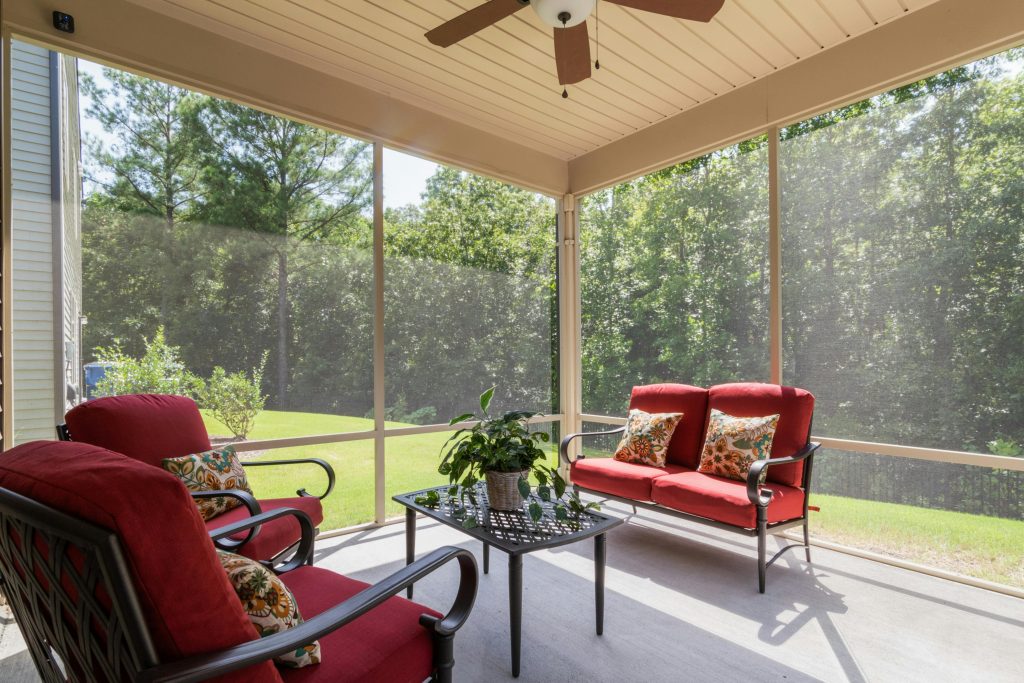
Key Concepts of Durable Room Addition
When contemplating a durable room addition in a place like Maryland, where the weather narrates a story of rain, heat, and cold, it’s crucial to anchor your understanding in the core principles that govern the very essence of durability. Imagine your new room as a ship navigating the turbulent seas of Maryland’s climate , the waves of moisture, the piercing sun, and the frosty winds all challenge the vessel’s integrity. To ensure it sails smoothly through seasons, several conceptual pillars come into play.
1. Resilience Against Weather Extremes
At the heart of a durable room addition lies resilience, the capacity to absorb and adapt to the relentless push and pull of nature’s forces. Maryland’s climate can be visualized as a dramatic trilogy , rainy springs, scorching summers, and chilling winters. Each element demands a robust countermeasure:
– Rain: Moisture is an unseen assailant. It seeps, it rots, it breaks down materials slowly but persistently. Thus, durability isn’t just about strength; it’s about moisture management , stopping water before it orchestrates damage.
– Heat: The sun’s relentless heat tests thermal resistance. Materials and design must have the metaphorical armor to minimize heat intake during summer, reducing expansion and contraction stresses.
– Cold: Winter’s chill brings its own trials , freezing and thawing cycles can crack and crumble unprepared structures, shattering the illusion of permanence.
A durable room addition must therefore embody a balanced armor, an architecture that respects and responds to all three, weaving together protection and flexibility.
2. Material Integrity: The Backbone of Durability
The choice of materials becomes the cornerstone of any durable room addition. Consider materials as the character in a narrative , each with its personality, strengths, and vulnerabilities.
– Wood: Like an artist’s brush, it brings warmth and beauty but can falter when moisture gnaws at it unless treated and sealed impeccably.
– Brick and Stone: These are the ancient warriors, steadfast and enduring. Their dense nature resists moisture intrusion and extremes of temperature but demands proper mortar and installation techniques.
– Composite materials: These hybrids are the modern alchemists, blending polymers and natural elements to offer flexibility and protection surpassing traditional counterparts.
The story of durability in Maryland’s environment is about choosing protagonists who can withstand the plot twists of climate without losing their essence.
3. Structural Design: Form Meets Function in the Weather Battleground
Durability transcends mere materials , it’s sculpted in the very design of the room’s structure. Envision the room as a fortress:
– Roofing: A sloped roof is the fortress’s helmet, shedding water efficiently like a warrior’s shield deflecting arrows. Flat roofs may serve their purpose but invite pooling water’s silent siege.
– Insulation: Acting as the fortress’s thick walls, insulation forms a barrier resisting the external temperature’s assault. In Maryland, insulation must deliver double duty , keeping heat out during summer and warmth in during winter.
– Ventilation: This is the castle’s breath , vital for preventing moisture buildup inside, which can otherwise undermine material durability from within.
A durable room addition’s design is not static; it is an ongoing dialogue with nature’s challenges, reflecting a synergy of aesthetics and hardened defense.
4. The Invisible Guardians: Moisture and Thermal Barriers
Underneath what meets the eye, the durability of a room addition depends on often invisible yet indispensable layers , moisture and thermal barriers. Think of these as the suit of armor beneath the surface, shielding the structural integrity.
– Vapor barriers: They play the crucial role of gatekeepers, preventing internal moisture from infiltrating wall cavities and insulation, where it can wreak havoc unseen.
– Weatherproof membranes: Wrapped around the building envelope, these membranes form a second skin, a guard against wind-driven rain and external moisture intrusion.
– Thermal breaks: Acting like the double-glazed windows on a warrior’s helmet, these breaks reduce unwanted heat transfer, maintaining stable internal temperatures.
These barriers are unsung heroes of durability, creating an environment where the room resists decay patiently and persistently.
5. Longevity Through Adaptation: Durability Is Dynamic
Durability is often mistaken as a static state , a fixed quality achieved once and for all. However, a durable room addition thriving through Maryland’s cycles is more accurately described as an evolving resilience.
The structure must anticipate and respond to changes , expansion and contraction caused by heat and cold, the slow creep of moisture molecules, and the gradual aging of materials. This dynamic adaptability is akin to the perennial tree, bending rather than breaking in storms.
By embracing this perspective, durability is not a finish line but a journey of ongoing endurance, reinforcing the room addition’s ability to serve generations.
In the tapestry of building a durable room addition in Maryland, these key concepts intertwine to form a narrative of endurance and harmony with nature’s rhythms. Each element, from material to design, acts like a character in a novel whose story is survival against formidable climatic antagonists. Understanding these foundations enriches our appreciation of what it truly means to build not just for today, but for the many seasons yet to come.
Frequently Asked Questions about Durable Room Addition
❓ What materials are best for a durable room addition in Maryland’s climate?
To withstand Maryland’s rain, heat, and cold, materials like fiber-cement siding, treated lumber, and impact-resistant windows are ideal. These materials offer greater resistance to moisture, temperature fluctuations, and harsh weather conditions, ensuring longevity and low maintenance.
❓ How can I ensure my room addition is energy-efficient throughout the year?
Proper insulation using spray foam or rigid foam boards, combined with energy-efficient windows and doors, helps maintain indoor comfort despite Maryland’s seasonal extremes. Additionally, proper sealing and ventilation reduce energy costs and prevent moisture buildup.
❓ Are there any design tips to make a room addition more weather-resistant?
Yes, designing with proper roof overhangs, sloped roofs for water drainage, and elevated foundations can protect the addition from rain and snow. Choosing a durable roofing material like metal or asphalt shingles further enhances weather protection.
❓ How long does a durable room addition usually last in Maryland?
With quality construction and materials tailored for Maryland’s climate, a durable room addition can last 30 years or more. Regular maintenance like inspecting seals and repainting siding when necessary helps extend its lifespan.
❓ Can I add a durable room addition that blends with my existing home’s style?
Absolutely. Durable room additions can be customized to match your home’s architectural style using appropriate exterior finishes and design elements, ensuring that the addition looks seamless and retains curb appeal even after facing harsh weather.