
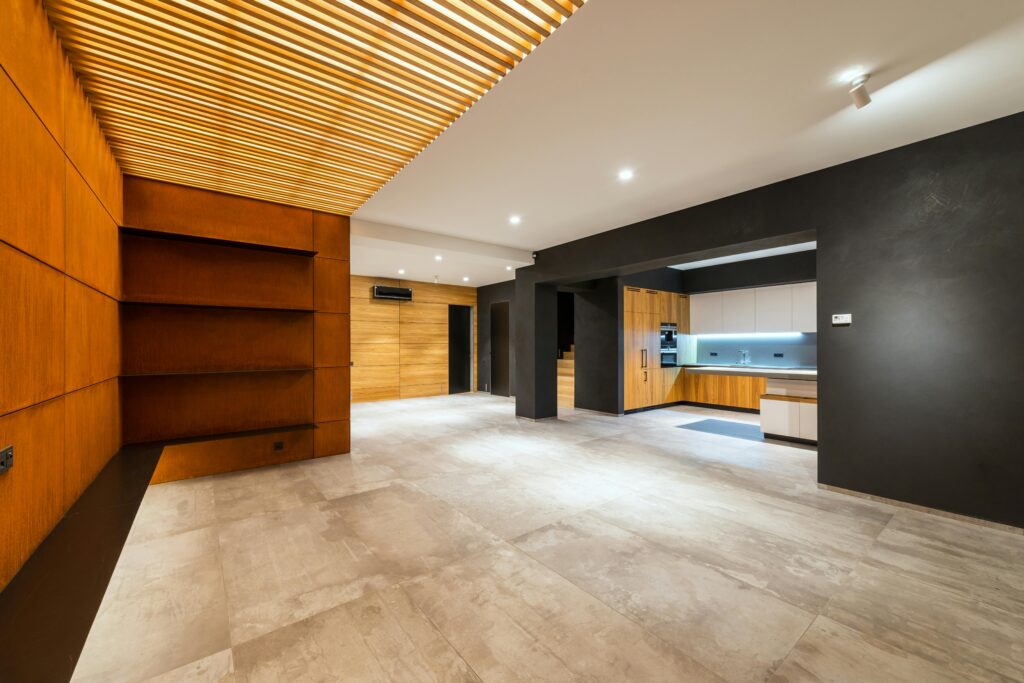
Imagine walking into a home that not only reflects your personality but also adapts seamlessly to your lifestyle. Just a few years ago, home remodeling was about choosing new paint colors or replacing outdated fixtures. However, as we step into 2026, the landscape of home remodeling has evolved drastically, setting a new standard that blends cutting-edge technology, sustainability, and personalized comfort.
The journey of home remodeling has always been rooted in the desire to create better living spaces. But what happens when innovation meets design? The result is a remarkable shift in how homeowners approach renovations, making “home remodeling” a dynamic and exciting process. This article will explore the revolutionary trends and standards that define home remodeling in 2026, offering readers a comprehensive guide to transforming their living spaces with confidence and insight.
By diving into this new era of home remodeling, you will discover how smart technologies are integrated into everyday living, enhancing convenience and energy efficiency. You’ll learn about the rise of eco-friendly materials and sustainable practices that not only protect the environment but also add long-term value to your property. Additionally, we’ll delve into how personalization is no longer a luxury but a necessity, with designs tailored to meet individual needs and tastes.
Whether you’re planning a simple kitchen upgrade or a full home transformation, understanding the new standard of home remodeling in 2026 is essential. This guide will equip you with innovative ideas, practical tips, and expert advice to make your remodeling project a success. Prepare to reimagine your space like never before and embrace the future of home remodeling, where every detail is crafted to optimize comfort, value, and style.
Stay with us as we unlock the secrets to mastering the art of home remodeling in 2026, turning your dream home into a tangible reality.
Key Takeaways
• Home remodeling is now a strategic investment
Modern remodeling focuses on long-term value, lifestyle adaptation, and future-proofing rather than purely aesthetic improvements.
• Smart technology defines modern homes
Automation, energy monitoring, and intelligent systems are becoming standard features, transforming houses into responsive living spaces.
• Sustainability is a financial and environmental win
Eco-friendly materials and energy-efficient upgrades reduce costs, lower carbon footprints, and significantly increase property value.
• Homes must adapt to changing lifestyles
Flexible, multifunctional spaces are essential as remote work, wellness priorities, and family dynamics continue to evolve.
• Personalization is the new expectation
In 2026, remodeling is tailored to individual habits, preferences, and well-being—one-size-fits-all design is obsolete.
• Remodeling is a holistic process
Successful projects integrate architecture, technology, energy systems, and emotional comfort into one cohesive vision.
• Planning determines success
Clear goals, professional assessments, realistic budgets, and active project oversight are as important as design choices.
• Quality beats trends
Durable, timeless materials outperform short-lived trends and reduce long-term maintenance and replacement costs.
• Health and wellness are built into design
Natural light, clean air, ventilation, and wellness-focused features are now core remodeling priorities.
• Remodeling is about future readiness
The new standard prepares homes to support tomorrow’s needs, not just today’s aesthetics.
Why Home Remodeling Is More Important Than You Think in 2026
Home remodeling in 2026 has evolved beyond mere aesthetic upgrades; it has become an essential part of how homeowners adapt to changing lifestyles, environmental concerns, and technology advancements. But what exactly is home remodeling, and why is it gaining unprecedented importance this year?
Home remodeling refers to the process of improving or updating the structure and interior spaces of a home. This can involve anything from renovating a kitchen or bathroom to adding new rooms or smart home features. As we step into 2026, the importance of home remodeling skyrockets due to shifting priorities among homeowners, fueled by evolving work habits, sustainability goals, and smarter living demands.
One of the main drivers for the rise in home remodeling projects is the global shift towards remote work, a trend that has solidified since the early 2020s. According to a report from the Joint Center for Housing Studies at Harvard University, nearly 30% of workers in the U.S. plan to continue working from home multiple days a week. This seismic change in work culture mandates homes to become multifunctional spaces, driving homeowners to remodel their properties into efficient, comfortable live-work environments.
Beyond adapting to new work models, home remodeling in 2026 is also a response to rising environmental concerns. With increased awareness about climate change, many homeowners are integrating sustainable materials and energy-efficient features into their remodeling plans. The U.S. Environmental Protection Agency reports that energy-efficient home improvements can reduce energy consumption by up to 30%, drastically cutting utility bills and carbon footprints. This eco-conscious remodeling trend is not just a fad but a calculated move towards long-term savings and environmental stewardship.
Take the story of the Martinez family from Austin, Texas, as a vivid example of the benefits of innovative home remodeling. In 2025, they transformed their outdated suburban home into a smart, energy-efficient haven. Their renovation included installing solar panels, smart thermostats, advanced insulation, and a home office optimized for virtual collaboration. As a result, their utility bills dropped by 40%, they increased their home’s market value by 25%, and they enjoyed the flexibility to work remotely in a comfortable, personalized environment. The Martinez family’s experience encapsulates why home remodeling in 2026 is not just about beautifying your living space but about creating a future-proof home that balances comfort, practicality, and sustainability.
In essence, the new standard of home remodeling in 2026 shifts focus from purely cosmetic enhancements to strategic upgrades that address lifestyle changes and environmental awareness. Whether it’s creating dynamic working spaces, adopting eco-friendly technologies, or increasing home value, remodeling today is about making intentional changes that reflect the way we live now and in the future. As you consider your own home remodeling projects this year, understanding these trends can help you make informed decisions that deliver both immediate comfort and long-term rewards.
How to Apply Home Remodeling Step by Step in 2026
Embarking on a home remodeling journey in 2026 means embracing not just structural changes but a transformation aligned with the new standards of style, sustainability, and smart technology integration. To help homeowners navigate this evolving landscape, here’s a comprehensive, step-by-step guide on how to approach home remodeling effectively and confidently.
1. Define Your Remodeling Goals and Vision
Start by clarifying what you want to achieve with your home remodeling project. Are you looking to improve energy efficiency, increase living space, modernize design elements, or incorporate smart home technology? Defining clear goals will help guide decisions throughout the process.
– Make a Vision Board: Collect images, colors, textures, and design ideas that inspire you. Tools like Pinterest or design apps can be perfect for this.
– Consider Future Needs: Think about how your family might grow or change, and plan spaces that can adapt accordingly.
– Set a Budget: Your vision should align with your financial realities to avoid surprises later.
2. Conduct a Detailed Home Assessment
Before making any changes, understand the current condition of your home. This knowledge is critical for setting realistic expectations and identifying potential challenges.
– Hire Professionals for Inspections: Licensed inspectors can assess the structural integrity, electrical systems, plumbing, roofing, and more.
– Document Existing Features: Take photos and notes of key areas to compare before and after results.
– Identify Compliance Requirements: Check local codes and regulations to ensure your project meets legal standards.
3. Research Sustainable and Smart Remodeling Options
The new standard of home remodeling in 2026 heavily emphasizes sustainability and smart technology integration. Incorporating these features increases your home’s value and comfort.
– Energy-Efficient Upgrades: Look into solar panels, energy-efficient windows, and insulation improvements.
– Smart Home Devices: Consider voice-controlled lighting, thermostats, security cameras, and automated appliances.
– Eco-Friendly Materials: Use sustainable flooring, low-VOC paints, and recycled construction materials.
4. Develop a Detailed Remodeling Plan
With your goals, assessment, and research in hand, work on a comprehensive remodeling plan that includes design concepts, timelines, and costs.
– Collaborate with Designers: Architects or interior designers can translate your vision into workable plans.
– Create 3D Renderings: Visual tools help you see the end result before work begins.
– Plan for Contingencies: Build flexibility into your timeline and budget to handle unexpected issues.
5. Select the Right Contractors and Vendors
Choosing the right team to bring your remodeling project to life is crucial.
– Get Multiple Quotes: Compare prices, timelines, and services from several contractors.
– Check References and Reviews: Past client feedback reveals reliability and quality.
– Verify Licenses and Insurance: Ensure your contractors are properly certified and insured.
6. Prepare Your Home for Construction
Before the first hammer strikes, prepare your living space to minimize disruption and protect your belongings.
– Designate a Temporary Living Area: If necessary, set up a safe and comfortable space away from the construction zone.
– Remove or Protect Furniture and Valuables: Use covers or relocate items to storage.
– Communicate with Your Team: Establish clear lines of communication for updates and questions.
7. Monitor Progress and Maintain Flexibility
Stay engaged throughout the remodeling process.
– Regular Site Visits: Frequent checks help you stay informed and address issues promptly.
– Adjust Plans as Needed: Remodeling can uncover surprises, so be open to modifying plans without losing sight of your goals.
– Document Changes: Keep a log of any alterations or decisions made during construction.
8. Final Inspection and Enjoy Your New Space
Once remodeling wraps up, conduct a thorough walkthrough.
– Inspect Work Quality: Check finishes, installations, and functionality.
– Address Punch-List Items: Make a list of any fixes or touch-ups and ensure the contractor resolves them promptly.
– Celebrate Your Updated Home: Host a gathering to enjoy your remodeled space with family and friends.
Example: From Vision to Reality
Imagine you want to remodel your outdated kitchen into a modern, energy-efficient space. Applying the steps above:
– You define your goal: create an eco-friendly kitchen with smart appliances.
– A professional home assessment reveals outdated wiring and insulation.
– You decide on LED lighting, Energy Star-rated appliances, and recycled quartz countertops.
– Designers provide 3D renderings showing a bright, open-plan kitchen.
– After selecting a reputable contractor, you prepare your home by moving dining furniture temporarily.
– You monitor progress weekly, ensuring installation of the smart fridge and solar water heater goes smoothly.
– After final inspections and minor fixes, you celebrate with a dinner party in your new kitchen.
Applying the new standards of home remodeling step by step not only makes the project manageable but ensures your home evolves into a sustainable, stylish sanctuary ready for the future. By following this detailed process, homeowners can confidently navigate the exciting possibilities that 2026 brings to home remodeling.
Tips for Tackling Home Remodeling: The New Standard of Home Remodeling in 2026
✅ Embrace Smart Home Integration: Incorporate IoT devices and automation systems to make your home more efficient and convenient.
✅ Prioritize Energy Efficiency: Use sustainable materials, high-quality insulation, and energy-efficient windows to lower utility bills and reduce your carbon footprint.
✅ Focus on Flexible Spaces: Design rooms that can adapt to multiple functions, such as a home office that converts into a guest room.
✅ Invest in Quality Over Quantity: Choose durable and timeless materials that withstand trends and wear and tear.
✅ Plan for Health and Wellness: Integrate features like improved ventilation, natural lighting, and air purification systems to enhance your living environment.
✅ Hire Skilled Professionals: Work with architects and contractors experienced with the latest remodeling standards and technologies.
✅ Incorporate Outdoor Living: Expand your living space by upgrading patios, adding decks, or creating seamless indoor-outdoor transitions.
✅ Set a Realistic Budget with Contingencies: Anticipate unexpected expenses and allocate funds for high-priority upgrades.
💡 Extra Tip: Use 3D modeling and virtual reality tools to visualize remodeling plans before construction begins, ensuring you’re making informed decisions.
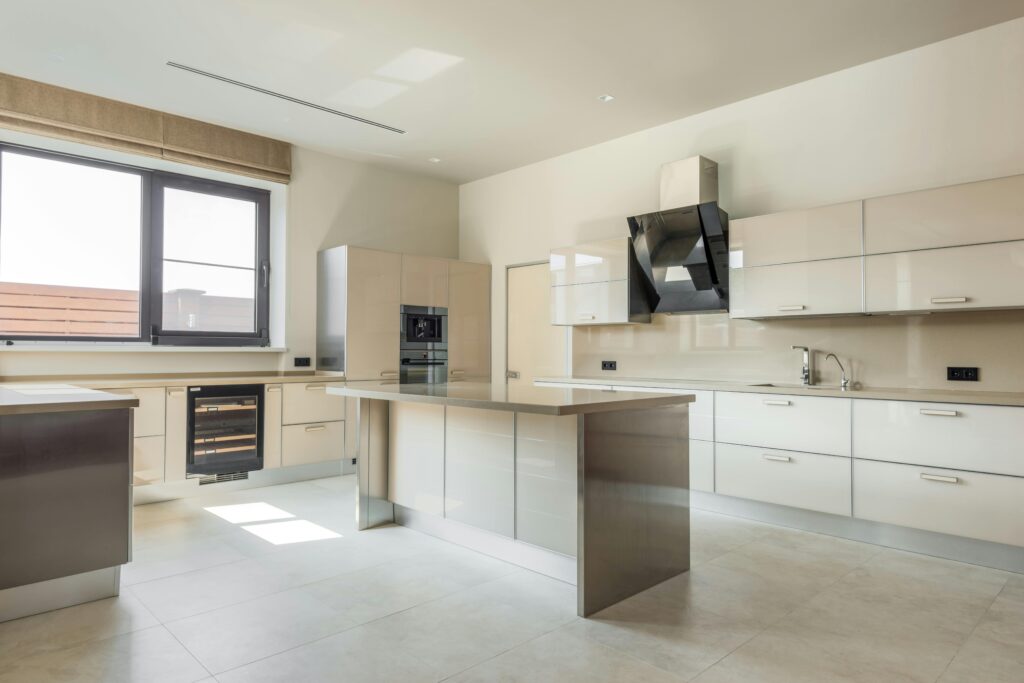
Concepts Key
Home remodeling, as a concept, transcends mere renovation or repair; it represents an evolving dialogue between the past, present, and future of a living space. In the context of The New Standard of Home Remodeling in 2026, this idea takes on richer and more nuanced dimensions, deeply intertwined with technological advancement, sustainable living, and the changing rhythms of daily life.
At its core, home remodeling can be likened to the art of storytelling through structures , each change to a home narrates a chapter in the life of its inhabitants. Imagine a home as a living manuscript, where walls, floors, and fixtures are words and sentences that convey comfort, identity, and aspiration. In 2026, this manuscript unfolds with a language informed by the latest innovations and a heightened awareness of ecological balance, seamlessly integrating smart technologies and eco-conscious materials with traditional aesthetics and human-centered design.
One foundational concept in this new era is adaptability. Homes are no longer static backdrops to life; they are dynamic, flexible environments that mold themselves to evolving needs. This fluidity echoes the natural world’s resilience, just as a forest adapts to changing seasons or a river shifts its course, a remodeled home anticipates shifts in lifestyle, family structure, and even work patterns. This transforms remodeling into a form of architectural empathy, where spaces listen and respond to the whispers of their inhabitants.
Closely tied to adaptability is the principle of holistic design. In 2026, the essence of remodeling lies in the integration of diverse elements, physical, technological, and emotional, into a cohesive experience. This holistic approach can be visualized like a symphony orchestra, where each instrument (lighting, spatial layout, materials, energy systems) harmonizes to produce an overall feeling of balance and well-being. The newly established standard rejects piecemeal modifications in favor of thoughtful, interconnected interventions that uplift the home’s functionality and aura.
Sustainability emerges as another pivotal pillar in understanding the new paradigm. Home remodeling increasingly mirrors the philosophy of a thriving ecosystem, where waste is minimized, resources renew, and energy flows efficiently. Much like a gardener carefully nurturing soil health before planting, homeowners and designers in 2026 cultivate their spaces with mindfulness toward long-term environmental impact. From reclaimed wood to solar-integrated rooftops, the remodeled home becomes an ecological partner rather than a burden, reflecting a collective cultural shift toward responsible stewardship.
The infusion of technology also revolutionizes the semantics of home remodeling. The integration of smart systems imbues homes with a sort of digital sentience , sensors that monitor air quality, adaptive lighting that follows circadian rhythms, or voice-activated controls that reshape ambiance instantaneously. This creates a dialogue between the inhabitant and their environment akin to a conversation between an artist and a responsive canvas, where every adjustment reveals new textures and hues of comfort and convenience.
Moreover, the social and emotional dimensions of home remodeling come into sharper focus within this new standard. Remodeling ceases to be a transaction or a trend and instead becomes a process of identity crafting and emotional enrichment. It uncovers the metaphorical layers of a home’s meaning, safe refuge, creative atelier, communal hearth, and enhances these roles with intentional design. Just as a storyteller molds narrative arcs to evoke empathy and connection, the remodeled home in 2026 shapes emotional landscapes where memory, aspiration, and daily life intertwine more profoundly.
In summary, understanding home remodeling in 2026 means embracing a complex symphony of adaptability, holistic design, sustainability, technological integration, and emotional resonance. This new standard casts remodeling not simply as physical transformation, but as a thoughtful orchestration of change, where every beam, bulb, and blueprint contributes to a richer, more responsive living story. It is a journey from static spaces to living, breathing homes that reflect not only who we are but who we aspire to become.
Frequently Asked Questions about Home Remodeling: The New Standard in 2026
❓ What is the new standard of home remodeling in 2026?
The new standard of home remodeling in 2026 focuses on integrating smart technology, sustainable materials, and energy-efficient designs. Homeowners now prioritize not only aesthetics but also functionality and eco-friendliness.
❓ How has technology changed home remodeling in 2026?
Technology has revolutionized home remodeling by introducing smart home systems that control lighting, climate, security, and appliances. These innovations make homes more convenient, secure, and energy-efficient, reflecting the modern homeowner’s needs.
❓ Are sustainable materials important in 2026 remodeling projects?
Absolutely. Sustainable materials are at the core of the new home remodeling standard. Using recycled, non-toxic, and eco-friendly products reduces environmental impact and often improves the indoor air quality for healthier living spaces.
❓ How long does a typical remodeling project take in 2026?
The timeline depends on the project scope, but advancements in project management tools and prefabricated components generally shorten remodeling durations. Many standard remodels now complete within 8 to 12 weeks.
❓ Is investing in smart home remodeling cost-effective?
While the initial investment might be higher, smart home remodeling saves money over time through reduced energy bills, increased home value, and enhanced convenience. Many homeowners find the long-term benefits well worth the upfront costs.