
Imagine you’ve just outgrown your cozy Maryland home, bursting at the seams with family memories, yet another child’s bedroom or a spacious home office seem miles away. You dream about adding a room, but thoughts of soaring energy bills and structural mishaps linger in your mind. This is where a well-planned room addition tailored to Maryland’s unique climate becomes a game-changer.
Room additions are more than just building extra square footage, they represent an opportunity to enhance your home’s comfort, functionality, and value. However, in Maryland, where the climate is a mix of hot, humid summers and chilly winters, a generic room addition won’t cut it. Crafting a room addition that’s climate-smart means embracing design and materials that adapt seamlessly to the local weather, ensuring optimal energy efficiency and durability.
In this article, you’ll discover everything you need to know about creating a successful room addition in Maryland. From understanding the specific climate challenges, from summer humidity to winter frost, to selecting materials that withstand these elements, we’ll guide you through the essentials. You’ll learn why insulation choices, window placements, roofing materials, and ventilation systems are critical to achieving a room addition that is comfortable year-round and friendly on your utility bills.
Moreover, we’ll explore how sustainable building practices can be integrated into your expansion project, lowering your home’s carbon footprint while increasing its resale appeal. Whether you’re dreaming of a sunlit family room, an inspiring studio, or a peaceful guest suite, this guide aims to give you the insight to build smarter, not just bigger.
By the end of this read, you’ll be equipped with the knowledge to partner effectively with contractors, choose the best approaches for your Maryland home, and make informed decisions that honor both your living needs and the local environment. Your journey to a climate-smart room addition starts here, transform your space with confidence and comfort!
🔑 Key Takeaways
- Room additions in Maryland must be climate-smart, not generic expansions.
- Hot, humid summers and cold winters demand thoughtful design, materials, and insulation.
- A well-planned room addition improves comfort, functionality, and long-term home value.
- Energy efficiency depends on insulation, window placement, ventilation, and roofing choices.
- Climate-adapted materials reduce energy bills and protect against moisture and temperature swings.
- Sustainable building practices enhance durability while lowering environmental impact.
- Partnering with experienced local contractors is key to long-lasting results.
- A climate-smart room addition lets you build smarter, not just bigger.
Why Room Addition in Maryland Is More Important Than You Think
When considering home improvements, a room addition often stands out as one of the most valuable investments a homeowner can make. In Maryland, this is especially true, as homeowners seek to balance increased living space with the challenges posed by the state’s diverse climate. A well-planned room addition in Maryland isn’t just about expanding square footage, it’s about creating a climate-smart, comfortable environment that enhances your home’s value and your quality of life.
What is a Room Addition?
Simply put, a room addition involves building new living space onto an existing structure. This could be anything from an extra bedroom or bathroom to a sunroom or home office. Unlike remodeling or interior renovations, room additions physically increase the footprint of your home, offering fresh opportunities for design and functionality.
Why Are Room Additions Important in Maryland?
Maryland’s climate is characterized by hot, humid summers and cold, snowy winters. According to the National Weather Service, average summer temperatures can reach into the mid-80s (°F), with high humidity making the heat feel even more intense. Winters can drop below freezing, and snow accumulations are common, necessitating sturdy, insulated structures.
These weather extremes make it critical for any room addition to be designed with local climate considerations in mind. Adding living space that is energy-efficient and tailored to withstand Maryland’s seasonal fluctuations not only improves comfort but also lowers utility bills and protects your investment from wear and tear.
The Benefits of Climate-Smart Room Additions
1. Increased Home Value: According to Remodeling Magazine’s Cost vs. Value Report, adding a well-executed room addition can recoup up to 70-75% of its cost at resale, particularly when it markedly improves usable living space. Homes in Maryland with energy-efficient designs have an added market appeal.
2. Enhanced Comfort Year-Round: Proper insulation, window placement, and HVAC integration ensure that your new room remains comfortable, no matter the season. This is particularly valuable in Maryland, where drastic seasonal weather changes are the norm.
3. Reduced Energy Costs: Incorporating energy-smart features such as double-glazed windows, radiant barriers, and climate-appropriate roofing materials helps keep heating and cooling costs down. The U.S. Department of Energy shows that such improvements can reduce energy consumption by up to 30%.
4. Customizable Space for Growing Needs: Whether you’re expanding your family, creating a home office, or adding a playroom, a room addition accommodates lifestyle changes without the need to move.
A Success Story: The Johnson Family’s Climate-Savvy Addition
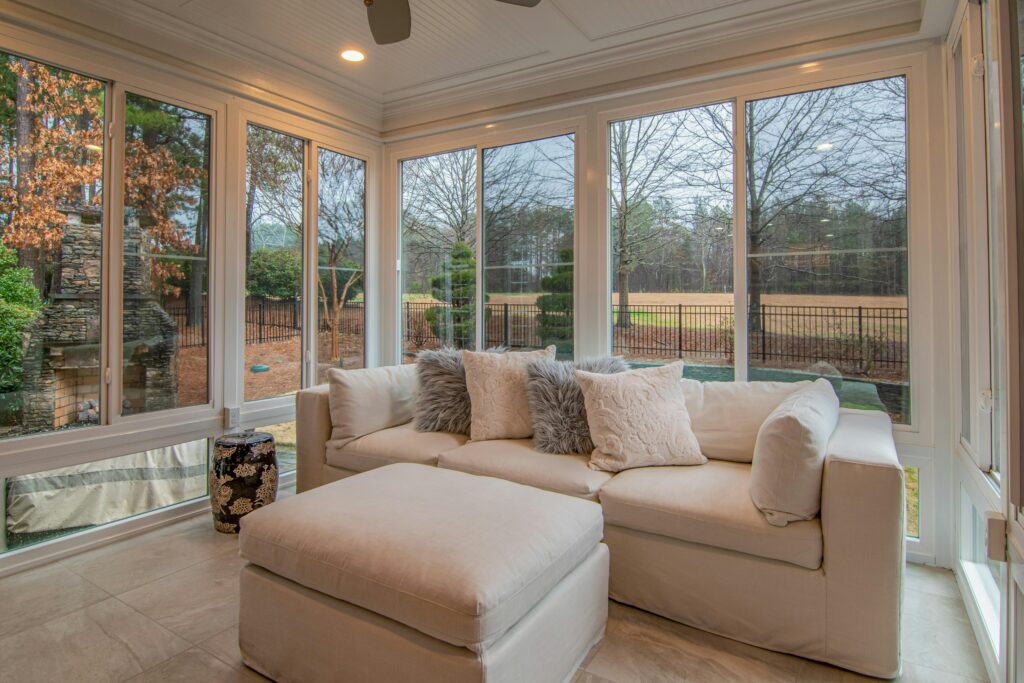
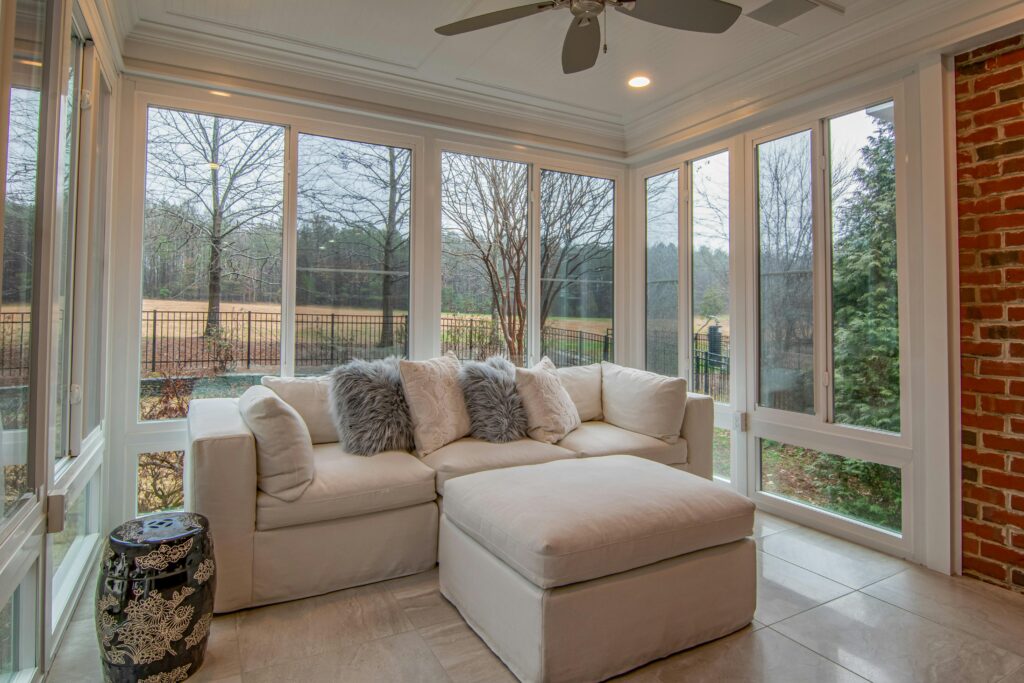
Take the example of the Johnsons, a family living just outside Annapolis, Maryland. With two growing children and a need for a dedicated workspace, they opted for a room addition to add a sunroom and office. The builders used insulated concrete forms and installed energy-efficient windows oriented to maximize natural light while minimizing heat gain in summer.
The result? The family enjoys a bright, airy space all year, with significantly lower heating and cooling costs compared to their original home structure. The addition has also increased their home’s resale value, making it a win-win investment tailored perfectly to Maryland’s climate.
In summary, a room addition in Maryland is far more than a simple expansion, it’s a strategic enhancement that brings space, value, and climate-smart benefits all under one roof. For homeowners keen on making smart, sustainable choices, understanding and embracing the importance of climate-adapted room additions opens doors to a more comfortable and cost-efficient future.
How to Execute a Climate-Smart Room Addition in Maryland: Step-by-Step Guide
Adding a room to your home in Maryland is an exciting way to increase space and value, but it’s crucial to approach this project with the local climate in mind. Maryland experiences diverse weather patterns, including hot, humid summers and cold winters, so a climate-smart room addition can ensure your new space remains comfortable year-round while maximizing energy efficiency. Here’s a detailed step-by-step guide to help you successfully plan and build a weather-conscious room addition in Maryland.
1. Assess Your Needs and Define Your Room Addition Goals
Before breaking ground, start by clearly defining the purpose of your room addition. Are you looking for an extra bedroom, a home office, or a sunroom? Understanding your needs will guide important decisions later in the process.
– Consider seasonal usage: Will the room be used primarily in winter or summer?
– Think about insulation requirements: Maryland’s fluctuating temperatures mean your new space should be well-insulated to avoid excessive heating or cooling costs.
– Evaluate natural light: Orienting your addition to take advantage of Maryland’s sunshine can reduce lighting and heating needs.
2. Analyze Local Weather Conditions for Optimal Design
Maryland’s climate varies across regions, from coastal humidity near the Chesapeake Bay to colder areas in the western mountains. Consider these key factors in your design:
– Humidity control: Use vapor barriers and moisture-resistant materials to prevent mold growth during humid summers.
– Temperature swings: Insulate walls, floors, and ceilings with materials rated for Maryland’s winter lows and summer highs.
– Storm preparedness: Choose durable roofing and siding materials that can withstand Maryland’s occasional severe storms.
3. Get Professional Advice and Permits
Consult with architects or contractors familiar with Maryland’s building codes and environment-friendly construction practices.
– Hire a local expert: They understand nuances like energy code specifics and local zoning laws.
– Secure permits: Room additions usually require formal approval from city or county offices. Ensure your design complies with setback requirements and height restrictions.
– Seek energy-efficient recommendations: Your builder can suggest HVAC systems and insulation that will perform best in Maryland’s climate.
4. Design Your Room Addition with Energy Efficiency Front and Center
Incorporate climate-smart features that reduce energy consumption:
– Windows: Install double- or triple-pane windows with low-emissivity (Low-E) coatings to minimize heat loss in winter and heat gain in summer.
– Orientation: Position windows and extend eaves or overhangs to provide summer shade while allowing winter sun to warm the room.
– Insulation: Use spray foam or rigid foam insulation to create an airtight envelope.
– Ventilation: Plan for proper ventilation to maintain indoor air quality and manage humidity.
Example:
Consider building a sunroom on the south-facing side of your home, fitted with large Low-E windows and insulated walls. During winter, it collects warmth from the sun, lowering heating needs. Overhangs prevent summer overheating by blocking direct sunlight.
5. Select Building Materials Suited to Maryland’s Climate
Choose sustainable and resilient materials that can face seasonal challenges:
– Exterior siding: Fiber cement or engineered wood resists moisture and rot better than traditional wood.
– Roofing materials: Architectural shingles or metal roofs offer better durability against storms.
– Flooring: Engineered hardwood or tile that handle temperature and humidity changes without warping.
6. Implement Smart Heating and Cooling Solutions
Maximize comfort and efficiency by integrating modern HVAC systems:
– Mini-split heat pumps: These offer zone-specific heating and cooling, ideal for an addition.
– Programmable thermostats: Adjust temperatures according to usage patterns to save energy.
– Ceiling fans: Promote air circulation during humid summers.
7. Execute Construction with an Eye on Quality and Weatherproofing
During construction, ensure attention to:
– Sealing gaps and cracks: Prevent drafts and moisture intrusion.
– Proper flashing and drainage: Keep water away from foundation and walls.
– Roof overhang installation: Protect walls and windows from rain and snow.
8. Inspect and Maintain Your Addition Seasonally
Once completed, regularly check key elements:
– Windows and seals: Look for leaks or moisture buildup.
– HVAC maintenance: Clean filters and service equipment.
– Exterior assessments: Repair any siding or roofing damage after storms.
Infographic: Climate-Smart Room Addition Checklist for Maryland
| Step | Key Considerations | Tips |
| Needs Assessment | Seasonal use, insulation, lighting | Prioritize main season (summer/winter) |
| Weather Analysis | Humidity, temperatures, storms | Choose moisture-resistant and durable materials
| Permitting & Design | Local codes, energy efficiency | Work with Maryland-experienced professionals
| Energy-Efficient Features | Window types, insulation, ventilation | Use Low-E windows, spray foam insulation
| Material Selection | Siding, roofing, flooring | Fiber cement siding, architectural shingles |
| HVAC Choice | Heating/cooling strategy | Mini-split systems, programmable thermostats |
| Construction Quality | Sealing, flashing, drainage | Ensure tight envelope and good water management |
| Maintenance | Seasonal inspections | Regularly check for leaks, HVAC upkeep |
Building a climate-smart room addition in Maryland requires thoughtful planning and execution to harmonize your new space with local weather conditions. By following these steps, you’ll create a comfortable, energy-efficient room that enhances your lifestyle and home value for years to come.
Tips for a Successful Room Addition in Maryland: Climate-Smart Expansions Built for Local Weather
✅ Plan for Humidity: Maryland’s humid climate can affect building materials. Choose moisture-resistant materials like treated wood or vinyl to prevent mold and warping.
✅ Optimize Insulation: Invest in high-quality insulation to keep your new room comfortable year-round and reduce energy costs amidst Maryland’s seasonal temperature swings.
✅ Incorporate Proper Ventilation: Ensure your addition has adequate ventilation to control indoor humidity levels and maintain air quality in Maryland’s moist environment.
✅ Select Energy-Efficient Windows: Use double- or triple-pane windows with Low-E coatings to reduce heat gain during hot summers and retain heat in colder months.
✅ Design for Storm Resilience: Maryland can experience severe weather; build your addition with reinforced framing and impact-resistant windows to withstand storms.
✅ Consider Sun Orientation: Position windows and shading devices strategically to maximize natural light while minimizing overheating during summer.
✅ Use Local Experts: Hire contractors and architects familiar with Maryland’s climate and local building codes to create a room addition that lasts and performs well.
✅ Plan for Seasonal Maintenance: Establish a maintenance schedule to inspect seals, gutters, and roofing to protect your room addition against Maryland’s wet winters and hot summers.
💡 Bonus Tip: Incorporate smart thermostats and climate controls to adapt your new space efficiently to Maryland’s variable weather conditions.
Key Concepts
When considering a room addition in Maryland, several foundational ideas come into play that shape the effectiveness, durability, and comfort of your new space. The phrase “room addition” may initially spark images of adding square footage to a home, but in reality, it embodies a complex blend of design, materials science, and environmental responsiveness. Understanding the core principles behind room additions, especially those tailored for Maryland’s unique climate, allows homeowners and builders to appreciate not just the aesthetics but the vital performance factors that ensure a long-lasting, comfortable expansion.
The Essence of a Room Addition
At its simplest, a room addition is an architectural extension to an existing structure. But this simplicity belies the nuanced interplay between new construction and existing building fabric. Imagine a room addition as a symbiotic organism grafted onto the body of a house; the addition must harmonize in both structure and function, much like a limb integrates seamlessly with the torso. It is not merely about creating more space but expanding the living experience in a way that feels cohesive and natural.
The Climate Connection: Why Local Weather Shapes the Build
Maryland’s climate is a tapestry of humidity, seasonal temperature swings, and occasional severe weather events. These conditions demand a building approach that goes beyond generic construction. A room addition here is akin to tailoring a suit: off-the-rack solutions often result in discomfort and inefficiency, while bespoke construction accounts for the nuances of the environment.
This means addressing thermal dynamics, how heat moves into and out of the space; moisture control, managing humidity and preventing damage; and wind resistance, ensuring structural stability amid gusty conditions. Essentially, a room addition must not only survive but thrive under Maryland’s climate stresses.
Thermal Performance and Energy Efficiency
Fundamental to any room addition is how it manages heat. This involves insulation, window placement and quality, and ventilation. A well-insulated room addition acts like a thermos, retaining warmth in winter and keeping heat out during summer. Maryland’s humid summers and cold winters require a balance similar to a well-engineered climate-controlled greenhouse, maintaining an internal environment with minimal energy consumption.
Conceptually, think of insulation as the skin of your addition. Just as human skin adapts to protect and regulate, insulation shields the internal space from Maryland’s fluctuating external temperatures. When combined with energy-efficient windows and strategic orientation, like letting sunlight warm a space during chilly months, the addition becomes an energy-conscious extension rather than a costly energy drain.
Moisture Management: Guarding Against the Invisible Enemy
Humidity in Maryland is a hidden force that silently threatens buildings. Excess moisture can infiltrate walls and foundations, leading to mold, deterioration, and compromised air quality. A room addition without thoughtful moisture barriers is like a submarine with a small leak: the issue might seem minor initially but can cause serious damage over time.
Therefore, moisture management is a cornerstone concept. It entails not just installing vapor barriers but designing seams, joints, and overhangs that direct water away from the addition. Proper flashing and drainage mimic nature’s own water-shedding patterns, ensuring the building repels, rather than absorbs, humidity. This proactive defense preserves the structural integrity and comfort of the new space.
Structural Integration and Load Distribution
Adding a new room is more than placing walls and a roof beside an existing house; it’s about merging two load-bearing systems. This feat is comparable to adding a new chapter in an ongoing story, the new must resonate with the old. The structural design needs to seamlessly transfer weight and resist external forces like Maryland’s seasonal winds and occasional snow loads.
Think of structural integration as a handshake between the old building and the new addition. When this handshake is strong and confident, the two parts move together in harmony, sharing stresses and maintaining stability. Failure to integrate structurally can lead to cracks, uneven settling, and even catastrophic failure.
Material Selection Tailored to Regional Realities
Each room addition tells a story through its materials. In Maryland, choosing materials is like selecting the outfit for a journey, you want durability, comfort, and style suited for the local terrain.
Materials must withstand humidity without warping or rotting, tolerate freeze-thaw cycles without cracking, and resist pests common in the region. Wood, brick, composite sidings, or fiber cement boards are common choices, each bringing unique thermal and moisture-handling properties.
For instance, brick, a traditional material in Maryland, offers excellent thermal mass, absorbing heat during the day and releasing it at night, helping regulate temperature swings. Newer synthetic materials may provide superior moisture resistance, reducing maintenance and prolonging lifespan.
The Living Continuum: Indoor-Outdoor Relationships
A room addition often blurs the boundaries between indoor comfort and outdoor ambiance. Particularly in Maryland, where the climate invites both hearty winters and vibrant summers, designing a space that breathes with the environment creates a living continuum.
Large windows, screened porches, or sunrooms channel seasonal shifts, allowing occupants to experience nature’s rhythms without compromising comfort. This concept transcends mere spatial extension; it’s about enhancing lifestyle, connection, and wellbeing.
Longevity as a Key Objective
Beyond initial aesthetics and functionality, a paramount concept in room addition is longevity. A well-executed addition doesn’t just accommodate today’s needs but is resilient against future challenges. This includes evolving climate patterns, changing occupancy, and even the gradual aging of materials.
Longevity in a room addition demands foresight akin to planting a tree whose shade will be enjoyed decades later. The investment in climate-smart design and durable materials pays dividends through reduced maintenance, sustained comfort, and preserved home value.
Understanding these key concepts enriches the appreciation of a room addition, not as a simple construction project but as a deliberate, thoughtful transformation shaped by Maryland’s distinctive climate. Each principle interlocks to form a holistic approach, creating spaces that are not only larger but smarter, more resilient, and deeply connected to their environment.
Frequently Asked Questions about Room Addition in Maryland: Climate-Smart Expansions Built for Local Weather
❓ What is a climate-smart room addition in Maryland?
A climate-smart room addition is designed specifically to handle Maryland’s unique weather conditions, hot summers, humid climate, and snowy winters. These additions use energy-efficient materials and construction techniques to ensure comfort and reduce utility bills year-round.
❓ How do climate-smart room additions benefit homeowners in Maryland?
They improve indoor air quality, provide better insulation, and incorporate features like proper ventilation and moisture control. This means your new room stays cooler in summer and warmer in winter, all while decreasing your carbon footprint and energy costs.
❓ Are there specific building codes in Maryland for room additions?
Yes, Maryland has building codes that address energy efficiency and structural safety. A climate-smart room addition must comply with these regulations, which typically focus on insulation standards, window performance, and moisture barriers to withstand local weather.
❓ What materials are ideal for room additions in Maryland’s climate?
Materials like insulated concrete forms, energy-efficient windows with Low-E coatings, and moisture-resistant drywall are excellent choices. These materials help combat humidity and temperature swings common in Maryland’s climate.
❓ Can a climate-smart room addition increase my home’s resale value?
Absolutely! Buyers today highly value energy-efficient, weather-adapted home improvements. A well-built, climate-smart room addition not only adds square footage but also enhances your property’s appeal by promising lower energy costs and greater comfort.