
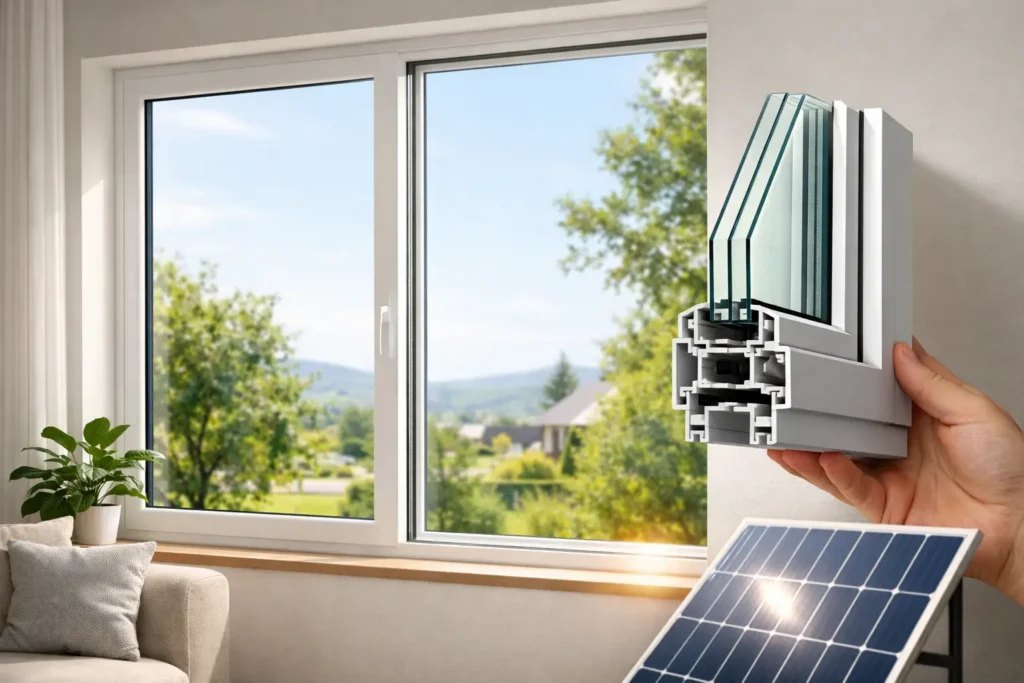
If one room in your house is always hotter in July and colder in January, your windows are usually part of the problem. Many homeowners start looking for the top energy efficient windows after noticing drafts, rising utility bills, or fading floors and furniture. The right replacement windows can improve comfort fast, but the best choice depends on your home, your budget, and how exposed your windows are to sun, wind, and moisture.
Table of Contents
ToggleWhat makes top energy efficient windows worth it
Energy-efficient windows do more than lower heating and cooling costs. They help stabilize indoor temperatures, reduce outside noise, and make rooms near large window openings feel more usable year-round. In Maryland, where homes deal with humid summers, cold snaps, rain, and seasonal storms, that added consistency matters.
Older windows often lose performance in several ways at once. The glass may transfer heat too easily, the seals may have weakened, and the frames may let in air and moisture. A new window system addresses all of those issues together. That is why a replacement can feel like a comfort upgrade, not just a cosmetic one.
Still, not every high-efficiency window is the right fit for every house. A south-facing family room, a shaded bedroom, and a street-facing front window may all call for slightly different priorities. That is where product knowledge and careful installation make the biggest difference.
How to compare top energy efficient windows
When homeowners compare windows, the style often gets the most attention first. Double-hung, casement, picture, sliding, and awning windows all have different looks and ventilation benefits. But energy performance comes down to what is happening inside the glass, frame, spacer system, and seals.
Glass package and coatings
Low-E glass is one of the most important features in an energy-efficient window. This coating helps reflect heat, which can reduce solar heat gain in summer and help keep indoor heat inside during winter. In practical terms, that means less strain on your HVAC system and more stable room temperatures.
Double-pane glass is standard in many quality replacements, while triple-pane glass can offer even better insulation. Triple-pane units can be especially appealing in noisy areas or in homes where comfort is a top priority, but they are heavier and usually cost more. In some cases, the extra expense makes sense. In others, a high-quality double-pane window with the right coating delivers excellent value.
Gas fills also matter. Argon is commonly used between panes to improve insulation, and some premium products use krypton. Homeowners do not need to memorize every technical detail, but it helps to know that the full glass package works together.
Frame material
Vinyl windows are a common choice because they balance efficiency, affordability, and low maintenance. A well-made vinyl frame can perform very well and hold up nicely in typical residential settings.
Fiberglass is often viewed as a step up in strength and durability. It tends to handle temperature swings well and can be an excellent long-term option. Wood offers a classic appearance and good insulation, but it requires more upkeep. Composite frames can also perform well and are worth considering if you want durability with a more refined look.
There is no single winner for every homeowner. If budget control is the priority, vinyl may be the smart choice. If long-term performance and appearance are more important, fiberglass or composite may be worth the higher upfront cost.
Air leakage and insulating value
Two ratings matter a lot when comparing performance: U-factor and air leakage. U-factor measures how well a window prevents heat transfer. Lower numbers are better. Air leakage indicates how much air can pass through the window assembly. Lower is better here too.
Many homeowners focus only on the glass and miss the importance of a tightly built, properly installed unit. A window with good lab ratings can still underperform if the installation is careless or the opening is not properly sealed.
Best window styles for energy efficiency
Some window styles are naturally better at sealing than others. That does not mean you should replace every opening with one style, but it is worth understanding the trade-offs.
Casement windows are often among the strongest performers because they close tightly against the frame with a crank mechanism. They can be a great option where you want ventilation and strong energy performance.
Picture windows are also highly efficient because they do not open, which means fewer moving parts and fewer opportunities for air leakage. They work well in living rooms, stairwells, and any space where view and light matter more than airflow.
Double-hung windows remain popular because they fit many home styles and are easy to operate and clean. They may not always seal as tightly as casement or picture windows, but many modern models still deliver very good energy performance.
Sliding windows can be practical and cost-effective, though they may allow more air leakage than other options depending on the product quality. Awning windows can be another strong choice, especially in bathrooms or basements, because they close firmly and work well in smaller spaces.
The ratings homeowners should actually pay attention to
Window labels can feel overly technical, but a few numbers are genuinely useful.
U-factor helps you compare insulating performance. Lower is generally better for Maryland’s mixed climate. Solar Heat Gain Coefficient, or SHGC, measures how much solar radiation passes through the window. Lower SHGC can be helpful in rooms that get strong sun exposure, while a moderate number may make more sense where you want some passive warmth in winter.
Visible Transmittance tells you how much natural light comes through. This matters because some highly efficient glass packages can reduce brightness more than homeowners expect. You want efficiency, but you also want rooms to feel open and comfortable.
Condensation resistance can also be worth reviewing, especially in homes that struggle with interior moisture during colder months. Better-performing windows can help reduce the likelihood of condensation buildup around the glass and frame.
Choosing the right windows for Maryland homes
Maryland homes face a little bit of everything. Summer humidity, winter chill, coastal moisture in some areas, and storm exposure all affect window performance. That is why the top energy efficient windows for one region are not always the best fit here without adjustment.
For many Maryland homeowners, double-pane Low-E glass with argon gas and a quality vinyl or fiberglass frame is a strong starting point. If your home gets intense afternoon sun, you may want glass designed to reduce heat gain more aggressively. If your house sits near a busy road, a thicker glass package or triple-pane upgrade may improve both comfort and quiet.
Older homes also deserve a careful approach. Replacement windows should improve performance without creating fit issues, moisture problems, or a mismatched appearance. In those cases, measuring, product selection, and installation details are just as important as the brand name on the label.
Installation matters as much as the window itself
A premium window installed poorly can still leak air, collect moisture, and create comfort problems. Proper flashing, insulation around the opening, accurate leveling, and a clean seal all affect long-term performance.
This is also where homeowners benefit from working with a contractor who understands the larger condition of the home. Sometimes drafty windows are only part of the issue. Deteriorated trim, hidden water damage, or worn siding around the opening can compromise the result if they are not addressed during the project.
That broader view is especially valuable in renovation and restoration work. If a home has experienced water intrusion or storm damage, window replacement should be part of a complete solution, not an isolated patch.
How to balance efficiency, appearance, and budget
The best buying decision is rarely the most expensive option across the board. It is the one that improves comfort and efficiency where your home needs it most.
For example, you may decide to invest more in large front-facing windows or rooms with the most sun exposure while choosing a more budget-conscious product in secondary spaces. You may also prioritize frame color, grille style, or interior finish in visible areas while keeping the performance package consistent throughout the house.
A good contractor should help you weigh those decisions clearly. At Vinis Renovation & Restoration, that means looking at how the windows perform, how they fit the home, and how the project supports the overall condition and value of the property.
Replacing windows is one of those upgrades homeowners feel every day after the work is done. The right choice gives you quieter rooms, steadier temperatures, and fewer reminders that your house is fighting the weather outside.