
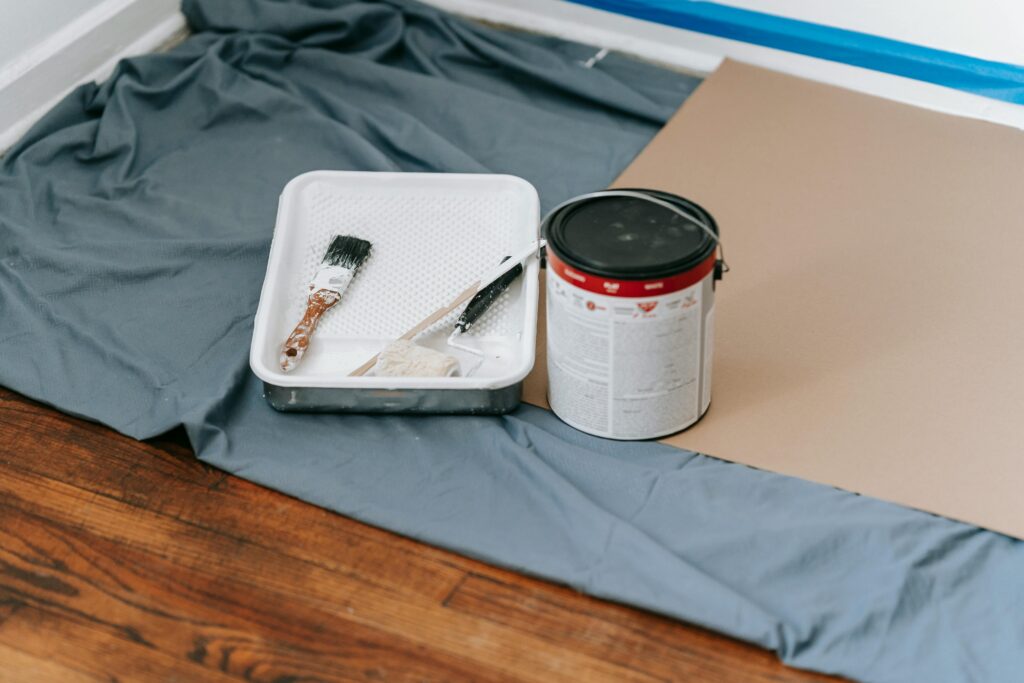
Imagine walking into your home after a long day, and the walls you see instantly lift your mood. The colors breathe life into every room, creating a sense of warmth, comfort, and style. This transformation might seem simple, but behind it lies the powerful impact of residential painting. More than just a splash of color, it’s about designing your personal space to reflect your personality and keep up with evolving trends.
Residential painting is often underestimated, but in 2026, it’s set to take center stage in home design. Whether you’re considering a fresh coat for your living room or a full-scale renovation, understanding the upcoming color and design trends will help you make decisions that not only beautify your home but also increase its value. The right paint choice can evoke emotions, improve lighting, and redefine the entire atmosphere of your residence.
In this article, we will dive deep into the exciting world of residential painting services in 2026. You’ll learn about the top color palettes that are trending, from calming earthy tones to vibrant accent hues. You’ll discover how innovative painting techniques and finishes are reshaping interior spaces, making them feel more modern and inviting. Additionally, we’ll explore how these trends align with broader design movements such as sustainability and smart living.
By the end, you’ll have practical tips to select colors that match your style and enhance your home’s architecture. We’ll also guide you through choosing the right painting service to ensure your project is handled with professionalism and expertise. Whether you’re a homeowner looking to refresh your space or a design enthusiast eager to stay ahead of the curve, this is your ultimate guide to residential painting in 2026.
So, if you’ve been putting off painting your home or just want to stay inspired by the latest design innovations, keep reading. This article will transform how you view residential painting, not just as a chore but as an exciting opportunity to revitalize your living space in tune with 2026’s most captivating trends.
Key Takeaways
- Residential painting in 2026 is a mood + lifestyle upgrade, not just a cosmetic refresh—color choices can reshape comfort, warmth, and perceived space.
- Trending 2026 palettes focus on balance: earthy, calming tones paired with bold accent hues for personality and depth.
- Modern finishes and techniques matter as much as color—matte, satin, and textured looks help rooms feel more current and intentional.
- Residential painting services add value by improving curb appeal, creating a “move-in ready” feel, and boosting buyer perception.
- Sustainability is a core driver in 2026, with eco-friendly/low-VOC paint options aligning with healthier indoor living.
- Smart living influences paint decisions, including choosing colors that optimize lighting and complement modern home features.
- The right color plan should match your architecture, highlighting trim, moldings, doors, and key focal walls strategically.
- Preparation is the difference-maker—proper surface repair, priming, and clean application deliver a longer-lasting, professional finish.
- Choosing the right residential painting contractor is crucial for consistent results, clean lines, durability, and trend-aware guidance.
- Residential painting is one of the fastest, highest-impact upgrades for homeowners who want a fresh, modern look in 2026.
Why Residential Painting Is More Important Than You Think in 2026
Residential painting is far more than just choosing a color and applying it to your walls , it’s an essential part of creating a home environment that reflects your personality, boosts your mood, and even increases your property’s value. As we approach 2026, residential painting services are evolving with new color and design trends that not only enhance aesthetics but also promote wellness and sustainability.
But what exactly is residential painting? At its core, residential painting involves applying paint coatings to the interior or exterior surfaces of a home. This includes walls, ceilings, trim, doors, and sometimes even cabinetry and built-in furniture. Professional residential painting services go beyond simply slapping on a fresh coat; they involve careful preparation, expert color consultation, and precision application to ensure a flawless, long-lasting finish.
The Growing Importance of Residential Painting
Recent studies indicate that homeowners are investing more in residential painting than ever before. According to a 2023 report by the National Association of Home Builders, over 65% of homeowners planned to renovate their interiors within the next two years, with painting being the most common upgrade. This surge is largely driven by the growing recognition that colors profoundly influence mood and health.
For example, research from the Journal of Environmental Psychology shows that warm tones like soft yellows and muted oranges can increase feelings of comfort and happiness, while cooler colors like blues and greens promote relaxation and focus. By embracing trending residential painting colors in 2026 , such as earthy terracottas, deep blues, and revitalizing neutrals , homeowners can craft spaces that cater not only to aesthetic tastes but also to psychological wellbeing.
A Story of Transformation: The Harris Family’s Home Makeover
Consider the story of the Harris family from Austin, Texas. They recently enlisted residential painting professionals to revamp their 15-year-old home. Feeling uninspired by their previous bland, beige walls, they explored 2026’s color trends with their painter and ended up selecting a harmonious palette of soft sage greens and warm terra cotta accents, inspired by natural landscapes.
The transformation was remarkable: the new colors brightened their living spaces, making the rooms feel larger and more inviting. The family reported increased satisfaction and a sense of calm, which was especially valuable as they shifted to remote work and virtual schooling. Additionally, after the repaint, real estate agents vouched that the refreshed look noticeably boosted their home’s market appeal.
The Bottom Line
Residential painting is not merely a cosmetic upgrade; it’s a strategic investment in your home’s functionality, atmosphere, and future value. Embracing the latest residential painting services and 2026’s color trends can transform your living experience , turning your house into a personalized sanctuary that adapts with your lifestyle. Whether you’re seeking a subtle change or a bold statement, understanding the importance and benefits of residential painting today will empower you to make informed design choices for tomorrow.
How to Apply Residential Painting Step by Step: A Practical Guide for 2026
Embarking on a residential painting project can transform your living space, boost your home’s curb appeal, and even improve mood and comfort. As we move into 2026, keeping pace with the latest color and design trends in residential painting is essential for achieving a fresh, modern look. Whether you’re a DIY enthusiast or planning to hire professional residential painting services, understanding the process from start to finish helps ensure success. Here’s a comprehensive, step-by-step guide on how to apply residential painting effectively with the 2026 trends in mind.
Step 1: Plan and Choose Your Colors Wisely
Before picking up a paintbrush or contacting residential painting services, planning is critical. Color trends in 2026 lean toward soothing earth tones combined with vibrant accent hues, perfect for creating a balanced, inviting atmosphere.
– Research Trending Palettes: Popular colors this year include warm beiges, muted greens, soft blues, and deep terracotta. Incorporate these shades according to your home’s style and natural lighting.
– Test Samples: Purchase sample pots and paint swatches on a small section of your wall. Observe how the colors change at different times of the day.
– Decide Finish Type: Matte finishes are popular for living spaces, while semi-gloss is often preferred for trim and high-traffic areas.
Example: If you want a trendy yet timeless living room, consider a “Sage Green” wall paired with crisp white trims, a palette anticipated to dominate 2026 residential painting trends.
Step 2: Prepare the Surface Meticulously
Proper surface preparation is often the difference between a durable, professional-looking paint job and a frustrating failure.
– Clean the Walls: Remove dust, grease, and stains with a mild detergent or wall cleaner.
– Repair Imperfections: Fill holes, cracks, and dents with putty or spackle. Sand these areas smooth once dry.
– Remove Old Paint if Necessary: For peeling or flaking paint, scrape and sand down to a stable surface.
– Protect Surroundings: Use painter’s tape to mask windows, trim, and outlets. Lay down drop cloths to shield flooring and furniture.
A flawless base ensures the new paint adheres well and highlights the modern color choices residential painting experts recommend for 2026.
Step 3: Prime the Walls for Optimal Coverage
Priming is a step often overlooked but crucial for enhancing color vibrancy and paint longevity.
– Select the Right Primer: For darker paints or stains, use a high-quality stain-blocking primer.
– Apply Evenly: Use a roller for broad surfaces and a brush for corners and edges.
– Allow to Dry Completely: Follow the manufacturer’s drying time, usually a few hours.
In 2026, primers formulated for eco-friendliness and low VOC emissions align with the growing demand for sustainable residential painting services.
Step 4: Apply the Paint with Precision
With surfaces prepared and primed, you’re ready for the main event, applying your chosen paint color.
– Start with the Edges: Use an angled brush to “cut in” along corners, trim, and ceilings.
– Roll the Walls: Use a paint roller with the correct nap length to fit your wall texture. Roll in “W” or “M” patterns for even coverage.
– Apply Multiple Coats: Two coats are usually necessary for full color depth and durability. Wait for the first coat to dry before applying the second.
– Paint in Proper Conditions: Avoid painting in extreme temperatures or high humidity to prevent issues like blistering or streaks.
For 2026, many residential painting services suggest integrating accent walls or color blocking , techniques that require clean lines and careful application for striking effects.
Step 5: Clean Up and Maintain Your Work
Finishing strong ensures your new paint lasts and your space remains flawless.
– Remove Tape Carefully: Pull painter’s tape away at a 45-degree angle before the paint fully cures to avoid chipping.
– Clean Tools Immediately: Use warm, soapy water for latex paints or the recommended solvent for oil-based paints.
– Maintain Painted Surfaces: Gently wash walls periodically to remove dirt and keep colors vibrant.
Extra Tips for Incorporating 2026 Residential Painting Trends
– Mix Textures: Consider pairing matte walls with satin or gloss trim for a layered, modern look.
– Highlight Architectural Features: Use contrasting colors to emphasize door frames, built-in shelves, or crown molding.
– Eco-Conscious Choices: Opt for zero or low VOC paints to improve indoor air quality.
Visual Example: Step-by-Step Wall Painting Process
Image: A graphic showing five stages, wall cleaning, patching holes, priming, cutting in edges with brush, rolling paint on walls, and final coated wall with accent trim.
By following these detailed steps, you’ll master residential painting with the flair of 2026’s color and design trends. Whether refreshing a single room or embarking on a whole-home makeover, the right approach ensures your walls become the perfect canvas for style and comfort. If you prefer, letting professional residential painting services handle the job guarantees expert results tailored to this year’s trends, saving time and effort while delivering impeccable quality.
Tips to Nail Residential Painting in 2026: Color and Design Trends 🎨✨
✅ Choose Trending Colors: Embrace popular 2026 hues like earthy greens, soft pastels, and warm neutrals to create a modern yet cozy vibe.
✅ Prep Surfaces Thoroughly: Clean and repair walls before painting to ensure a flawless finish that lasts longer.
✅ Mix Matte and Gloss Finishes: Combine matte walls with glossy trims or accents for a sophisticated contrast that catches the eye.
✅ Consider Eco-Friendly Paints: Opt for low-VOC or zero-VOC paints to protect your health and the environment while keeping colors vibrant.
✅ Highlight Architectural Features: Use accent colors to emphasize moldings, window frames, and doors, adding depth and character to your home.
✅ Experiment with Color Blocking: 2026 design trends favor bold color blocking on walls or furniture to create dynamic, artistic spaces.
✅ Use Technology for Visualization: Employ augmented reality apps to preview how new colors will look in your rooms before committing.
✅ Plan for Lighting Impact: Test paint samples under different lighting conditions, as natural and artificial light can dramatically alter color perception.
✅ Schedule Seasonal Painting: Paint during mild weather months to ensure proper drying and curing, maximizing paint durability.
✅ Hire Professional Residential Painting Services: Skilled painters bring expertise in color trends and techniques, delivering a polished and trendy result.
Key Concepts
Residential painting, at its core, serves as more than just a surface-level enhancement; it embodies a transformative art that breathes life and personality into the very walls of a home. Just as an artist selects their palette to evoke emotion and meaning, homeowners and painters alike approach residential painting with a vision to reflect identity, comfort, and modernity. In the context of the 2026 color and design trends, understanding the foundational concepts behind residential painting unveils its profound role in shaping living environments.
The Living Canvas of Residential Painting
Imagine the walls of a home as a blank canvas patiently waiting to be infused with character and warmth. Residential painting is not merely about applying color; it stitches together architectural details and interior design elements into a harmonious visual story. The choice of hues, finishes, and techniques is akin to a symphony, where each note contributes to the overall mood, whether it’s the calming whisper of muted earth tones or the lively burst of saturated jewel colors.
Color Psychology in Residential Spaces
Colors are the silent narrators in residential painting, communicating moods and influencing emotions silently but powerfully. The 2026 trends highlight a shift toward colors that foster mental well-being and balance, soft greens that mimic nature’s rejuvenation, deep blues that instill calm, and warm neutrals that offer a sense of security. This trend underscores the idea that residential painting is deeply intertwined with psychological experiences inside the home, creating spaces where inhabitants feel both invigorated and soothed.
The Narrative of Texture and Finish
Beyond color, the texture and finish in residential painting tell their own unique stories. Matte finishes may cloak walls in understated elegance, reducing glare and inviting touch, much like a velvet fabric’s tactile allure. Conversely, semi-gloss and satin finishes reflect light subtly, highlighting architectural nuances and adding a gentle sheen reminiscent of dew on morning leaves. In 2026, an elevated focus on textured paints and layered finishes captures the complexity and depth of living environments, offering walls that feel alive rather than static.
Integration with Architectural Elements
Residential painting inherently respects and enhances architectural features, from crown moldings to baseboards, from rustic wooden beams to sleek modern frames. It’s analogous to wardrobe styling where the choice of colors and techniques can either highlight or softly embrace these structural components. The 2026 design sensibility favors painting approaches that either create bold contrasts or harmonious blends, thereby allowing the home’s character to either boldly declare itself or whisper its charm subtly.
Sustainability and Material Consciousness
No modern conversation about residential painting is complete without acknowledging the increasing prioritization of sustainability. Paints formulated with low-VOC compounds and eco-friendly ingredients are not merely trends but redefine the essence of residential painting in 2026. This evolution roots the practice in responsibility, where the colors and finishes chosen contribute not only to aesthetic appeal but also to healthier living spaces and environmental stewardship, a powerful narrative of care and conscientiousness.
The Temporal Nature of Painting Choices
Residential painting also encapsulates the concept of impermanence and evolution. A color choice, while timeless in its capacity to evoke certain feelings, is tethered to moments in time, reflective of cultural zeitgeists and personal transformations. The trends of 2026 remind us that painting is an ever-evolving language; the walls today tell one story, and tomorrow’s repainting may rewrite that story entirely, echoing life’s continuous flux and the home’s adaptive spirit.
Emotional Anchoring Through Painting
Finally, residential painting serves as an emotional anchor, much like a bookmark in the storybook of life lived within those walls. It captures memories, milestones, and moods in pigment and brush strokes. Whether it’s a nursery’s soothing pastels or a living room’s vibrant accent walls, the colors and finishes become silent witnesses to daily narratives, infusing homes with a soul that transcends mere structure.
By weaving together these conceptual threads, the understanding of residential painting shifts from a basic home improvement task to a profound act of personal and aesthetic expression. The 2026 color and design trends are thus not only about looking forward but also about embracing painting as an evolving dialogue between space, psychology, and artistry.
Frequently Asked Questions about Residential Painting: 2026 Color and Design Trends
❓ What are the top color trends for residential painting in 2026?
In 2026, expect to see a rise in earthy tones like warm terracotta, olive green, and soft beige. These colors create a cozy, natural atmosphere that connects indoor spaces with the outdoors. Additionally, bold accent walls in deep blues and charcoal grays are gaining popularity to add depth and sophistication to rooms.
❓ How can I choose the best paint colors for my home according to 2026 trends?
Start by considering the mood you want to create. For a calming effect, opt for muted, nature-inspired colors like sage or sandy hues. If you prefer a modern vibe, contrast these with strong accent colors on feature walls or trims. Testing samples in your natural lighting throughout the day is essential before committing.
❓ What design styles complement the 2026 residential painting trends?
Contemporary and minimalist styles blend well with the 2026 palette, emphasizing clean lines and neutral bases. However, these painting trends also support eclectic designs by using color to highlight unique furniture pieces or art, allowing personal expression while keeping harmony in the room.
❓ Are there specific types of paint finishes recommended for residential painting in 2026?
Matte and eggshell finishes remain popular for walls because they disguise imperfections and offer a soft, elegant look. For trim and doors, semi-gloss or satin finishes will provide durability and a subtle sheen, enhancing the architectural details perfectly aligned with modern design aesthetics.
❓ How often should residential homes be repainted to keep up with color and design trends?
Typically, repainting every 5 to 7 years is recommended to maintain freshness and reflect current design trends. However, if you want to embrace the 2026 palette and styles, updating accent walls or smaller areas can be done more frequently at a lower cost, keeping your home stylish and up-to-date.