
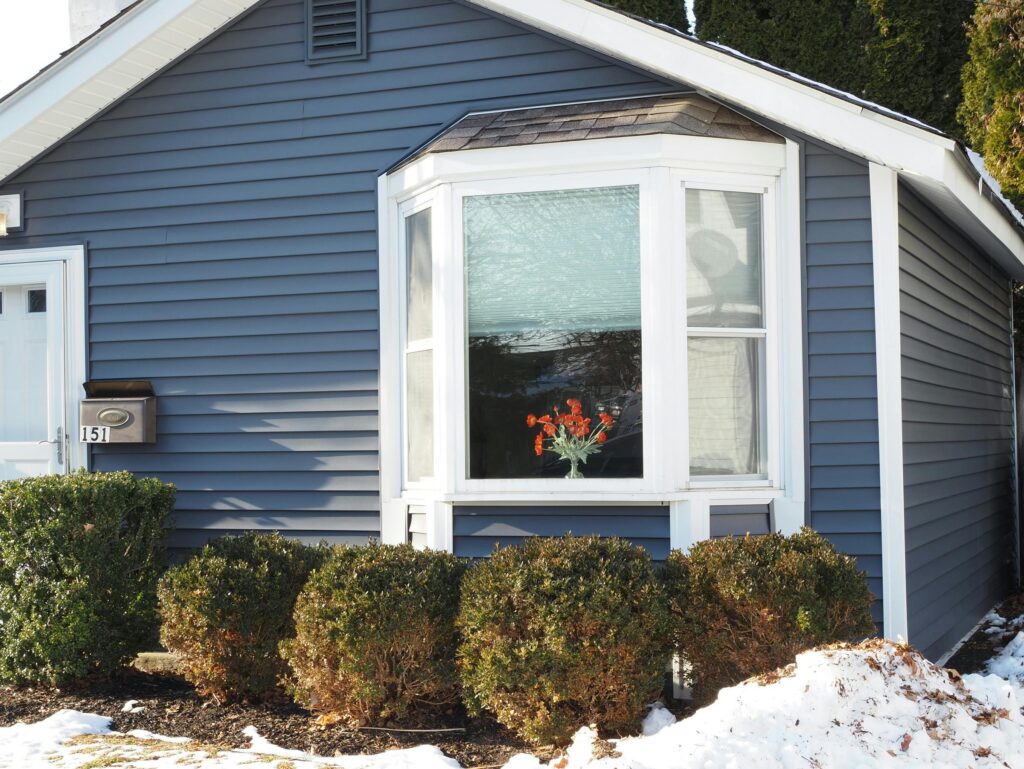
Imagine standing outside your home on a chilly Maryland morning, watching as the first rays of sunlight bounce off the freshly painted exterior walls. It looks pristine, vibrant, and ready to face whatever the day, and the seasons, throw at it. Yet, achieving and maintaining that perfect coat isn’t just about aesthetics; it’s a critical shield against the unpredictable Maryland weather. In this blog, we’ll delve into how painting your home is not just a cosmetic upgrade, but a powerful defense against moisture, heat, and harsh winters.
Maryland’s climate is infamous for its dramatic swings, from humid summers that bake your home in relentless heat, to wet, chilling winters that can cause significant wear and tear. Many homeowners underestimate how vital residential painting is in protecting their investment. When done right, painting acts as an essential barrier, preventing moisture from seeping into the wood or siding and causing rot, mildew, or structural damage. It also reflects sunlight which helps reduce heat absorption during the hot summer months, keeping your home cooler and energy-efficient.
By the end of this article, you’ll understand why choosing the right painting materials and techniques tailored for Maryland’s climate is crucial. We will guide you through the best types of paint for waterproofing, tips on surface preparation to ensure long-lasting results, and how professional residential painting can save you money on costly repairs down the line. Whether you’re considering a fresh coat to revitalize your home’s appearance or aiming to boost its resilience, this guide is your starting point to smart, durable home protection.
So if you’re ready to discover the hidden powers of painting beyond just beauty, and how it can safeguard your Maryland home from moisture, drastic heat changes, and unforgiving winters, let’s dive in. Your home’s perfect defense starts with a thoughtful paint job tailored for Maryland’s unique environment.
🔑 Key Takeaways
- Residential painting is a critical protective barrier, not just a cosmetic upgrade.
- Maryland’s humidity, heat, and harsh winters make proper exterior painting essential.
- Quality paint prevents moisture intrusion, reducing rot, mold, and structural damage.
- The right materials and techniques help homes withstand temperature swings year-round.
- Professional painting saves money by preventing costly repairs and premature deterioration.
- A well-painted home stays protected, resilient, and visually appealing through every season.
Why Residential Painting in Maryland Is More Important Than You Think
When you think about residential painting in Maryland, it might just seem like a cosmetic upgrade. A fresh coat of paint simply makes your home look cleaner and more appealing, right? While aesthetics are certainly a big part of it, the true importance of painting your home in Maryland goes far beyond just looks. It’s about protecting your investment from the challenging climate and environmental factors unique to the region , moisture, extreme heat, and harsh winters.
Maryland’s weather is anything but predictable. Summers can bring sweltering heat and humidity, often reaching temperatures over 90°F with moisture levels climbing above 70%. Winter, on the other hand, can blow in icy winds, snow, and freezing temperatures that dip below 20°F. These drastic conditions create a tough environment for your home’s exterior surfaces, making residential painting not just a decorative project but a critical defense against damage.
Statistics highlight just how vital it is to maintain the integrity of your home through quality painting. According to the National Association of Home Builders, properly painting and sealing your home can reduce moisture intrusion by up to 40%, a common cause of wood rot, mold, and mildew. This not only preserves the structure but also improves indoor air quality, a key health benefit for families.
Consider the story of the Johnson family in Annapolis, Maryland. After moving into their charming but older home, they noticed peeling paint and signs of moisture buildup on their siding and window frames. Ignoring these signs led to costly repairs over time: wood rot, warped frames, and drafts that increased their heating bills dramatically. Once they invested in professional residential painting with moisture-resistant coatings, they not only restored the home’s beauty but also sealed out harmful moisture and heat. Over the next two years, their utility bills decreased by 15%, and the home’s value appreciated thanks to improved curb appeal and structural stability.
Residential painting in Maryland is a proactive way to defend your home against the elements while enhancing its appearance and market value. It is an investment that pays for itself through preservation, energy savings, and peace of mind. When next you think about painting your home, remember, it’s not just color; it’s protection woven into every stroke.
How to Apply Residential Painting in Maryland Step by Step
Painting your home in Maryland isn’t just about adding color; it’s a critical step in protecting your house from the region’s unique climate challenges, moisture, heat, and harsh winters. To ensure your paint job is both beautiful and durable, it’s essential to follow a methodical process tailored to these environmental factors. Below is a comprehensive step-by-step guide on how to apply residential painting effectively in Maryland.
1. Assess and Prepare the Surface
Before picking up a brush or roller, proper surface preparation lays the foundation for a long-lasting paint job.
– Inspect for Damage: Maryland’s fluctuating weather can cause cracks, peeling, or mold growth. Examine your home’s exterior for any damage.
– Clean Thoroughly: Use a power washer to remove dirt, mildew, and old flaking paint , this will ensure the new paint adheres properly.
– Repair and Sand: Patch up cracks and holes with exterior-grade filler. Sand rough areas to create a smooth surface.
– Protect Surroundings: Use drop cloths and painter’s tape to protect windows, plants, and walkways.
Example: Imagine you find algae stains on your siding due to Maryland’s humid summers. Power washing these stains off will help paint adhere better and prevent future mold issues.
2. Choose the Right Paint and Primer
Given Maryland’s moisture and temperature swings, selecting paint specifically formulated for these conditions is crucial.
– Use Mold-Resistant Primer: This will combat moisture-related issues like mildew and help key the paint to the surface.
– Pick High-Quality Exterior Paint: Opt for 100% acrylic latex paint, which offers superior flexibility and adhesion. This paint withstands expansion and contraction during hot summers and freezing winters in Maryland.
– Select Appropriate Finish: Satin or semi-gloss finishes resist moisture better and clean easily, making them ideal for homes exposed to the elements.
3. Prime the Surface
Priming is especially important in Maryland’s climate as it forms a protective barrier.
– Apply Evenly: Use a brush or roller to cover the entire area in a thin, even coat of primer.
– Focus on Exposed Wood and Metal: These materials are more vulnerable to moisture and benefit from a solid primer layer.
– Allow Adequate Drying Time: Depending on humidity, this can take from several hours up to a full day.
4. Apply the Paint in Suitable Weather
Timing your paint application is crucial to ensure proper drying and adhesion.
– Choose Mild Weather Days: Avoid painting on rainy, excessively humid, or very hot days. The ideal temperature range for painting in Maryland is between 50°F and 85°F.
– Paint During Daytime: Morning to early afternoon offers a balance of temperature and humidity.
– Use Multiple Thin Coats: Apply two to three thin coats instead of a single thick one to prevent cracking and peeling.
Tip: Maryland can surprise you with sudden weather changes, so always check the forecast before scheduling painting work.
5. Maintain Your Painted Surface
Even the best paint job needs ongoing care to withstand Maryland’s harsh winters and humidity.
– Inspect Annually: Look for signs of wear such as cracks, blistering, or mildew.
– Clean Surfaces Regularly: Gently wash with a mild detergent and water to remove dirt and prevent mold buildup.
– Touch Up Quickly: Address any damage or peeling paint promptly to prevent moisture infiltration.
Visual Example: Step-by-Step Residential Painting Checklist
| Step | Action | Tips for Maryland Climate
| 1. Surface Prep | Inspect, clean, repair, sand | Power wash mold and mildew
| 2. Choose Paint | Select primer & exterior paint | Use mold-resistant primer, 100% acrylic latex
| 3. Prime | Apply primer coat evenly | Focus on wood and metal surfaces
| 4. Paint | Apply multiple thin coats | Paint during mild day temperatures
| 5. Maintain | Regular inspection and cleaning | Touch up damage quickly to avoid moisture issues
By carefully following these steps tailored for Maryland’s environment, your residential painting project will not only enhance your home’s aesthetic appeal but also provide a resilient shield against moisture, heat, and the state’s challenging winters. The key to a successful residential painting job lies in preparation, material selection, and timing, each mindful of the local climate. Implement these strategies to preserve your home’s beauty and structural integrity for years to come.
Tips for Residential Painting in Maryland: Protecting Your Home from Moisture, Heat, and Harsh Winters:
🎨 Choose High-Quality Exterior Paint: Maryland’s climate demands paint that can withstand moisture, intense heat, and freezing temperatures. Opt for paints designed specifically for exterior use with mildew-resistant and waterproof properties.
🛠️ Prep Surfaces Thoroughly: Properly clean and sand your home’s exterior surfaces to remove dirt, old paint, and mold. This ensures better paint adhesion and a longer-lasting finish.
💧 Seal Cracks and Gaps: Before painting, fill any cracks or gaps in siding, trim, and around windows with a high-quality caulk to prevent moisture infiltration that could cause wood rot or paint failure.
☀️ Paint During Optimal Weather: Aim to paint when Maryland’s weather is mild, ideally between 50°F and 85°F, and avoid painting in direct sunlight or on windy days to promote even drying and reduce the risk of blistering.
🛡️ Apply a Primer: Use a weather-resistant primer to create a strong base that enhances paint adhesion and provides extra protection against Maryland’s harsh winters and humid summers.
🌧️ Invest in Moisture-Resistant Coatings: Use paints or sealants formulated to repel water and prevent moisture from seeping into your home’s surfaces, critical for combating Maryland’s wet and snowy seasons.
🧴 Maintain Your Paint Regularly: Inspect your home’s exterior annually after winter and summer for signs of peeling, cracking, or mildew, and perform touch-ups to maintain protection against moisture and heat damage.
💡 Extra tip: Consider eco-friendly, low-VOC paints to protect your family’s health while ensuring your home’s exterior can endure Maryland’s diverse climate challenges.
These steps will help you protect your Maryland home effectively while keeping it beautiful year-round!
Key Concepts
When we delve into the art and science of painting, especially in the context of residential properties in Maryland, a tapestry of intertwined ideas unfurls. At first glance, painting might seem simply a matter of aesthetics , a splash of color breathing new life into a home’s surfaces. Yet, beneath this surface lies a complex interplay of protection, durability, and adaptability, all essential for confronting Maryland’s unique climate challenges.
Painting as a Shield: More Than Just Color
Imagine your home as a knight clad in armor, standing steadfast against a barrage of environmental attacks. In this analogy, paint functions as the knight’s shield , a first line of defense against relentless moisture, fluctuating heat, and bone-chilling winters.
Moisture Barrier
Maryland’s proximity to the Chesapeake Bay and surrounding water bodies means that moist air is a daily visitor. Painting materials aren’t merely decorative coatings; they serve as critical moisture barriers. Specialized paints form a semi-permeable membrane that restrains water intrusion while allowing trapped moisture within walls to escape. This balance prevents rot, mold, and structural decay, extending a home’s lifespan.
Heat and UV Resistance
During Maryland’s summer months, homes endure intense sunlight and soaring temperatures. Paints, especially those embedded with UV-resistant properties, act like sunscreen filters. They reflect harmful ultraviolet rays and mitigate surface heat absorption. Think of it as a thermal cloak, maintaining internal temperature stability and protecting the underlying wood or siding from premature cracking or warping.
Weather Resilience
Winter in Maryland is no mild affair; ice, snow, and freezing winds bombard homes continuously. Properly selected exterior paints exhibit elasticity, a concept in materials science describing how paint stretches and contracts without cracking when temperatures plunge or rise. Such “breathable” paints adapt with the home’s natural expansion and contraction, preventing fissures that could channel moisture and cause damage.
The Intersection of Chemistry and Artistry
Painting, then, stands at a fascinating crossroads of chemistry and creativity. The pigments and binders chosen do more than define color palettes, they determine protective qualities. For example, alkyd-based paints may boast durability yet falter in flexibility, while acrylics offer superior adhesion and resilience against harsh weather. Understanding the molecular dance behind these formulations reveals why paint isn’t a one-size-fits-all solution, particularly in Maryland’s mixed climate zones.
Surface Preparation: The Canvas of Protection
Before pigment touches surface, a critical stage unfolds: surface preparation. If paint is akin to the stroke of a painter’s brush on canvas, surface preparation parallels priming the canvas itself, ensuring the longevity and vibrancy of the final work.
Residual dirt, peeling old coats, or untreated mildew isn’t merely unsightly, they threaten paint adhesion and efficacy. The metaphor extends: how long can a mural survive if plaster is crumbling beneath? In Maryland’s humid environment, neglecting this fundamental step risks undermining the protective barrier the paint is meant to provide.
Longevity and Maintenance: The Invisible Lifeline
While paint inherently offers protection, it is not immortal. Its role can be likened to a guardian performing a vigil, it needs periodic attention and renewal to carry on its defense duties effectively.
Harsh winters erode layers, summer heat fades pigments, and occasional storms may chip paint surfaces. Recognizing paint as a living shield that breathes, ages, and requires rejuvenation brings us to appreciate the cyclical nature of residential maintenance in Maryland’s climate arena.
Painting’s Role in Home Value and Identity
Beyond practicalities, painting can be understood as a narrative device in the story of a home. It communicates identity, care, and investment. The quality and condition of paint often sway perceptions of value and desirability in the housing market, subtly signaling protection and stewardship.
In the microcosm of Maryland’s diverse towns and landscapes, the color and condition of a house’s paint blend tradition with innovation , reflecting both regional character and modern advancements in protective technology.
Ultimately, painting in the context of Maryland residential homes transcends decorative appeal, it embodies a complex balance of science, nature, and art. It is the silent guardian that reconciles human aspiration for beauty with the unyielding forces of environment, making the concept of painting simultaneously practical and poetic.
Frequently Asked Questions About Residential Painting in Maryland: Protecting Your Home from Moisture, Heat, and Harsh Winters
❓ Why is residential painting important for homes in Maryland?
Residential painting in Maryland is crucial because it protects your home from the state’s unique climate challenges, such as high humidity, intense heat in the summer, and harsh winters. A proper paint job acts as a barrier against moisture infiltration, prevents wood rot, and helps maintain your home’s structural integrity.
❓ What type of paint is best for Maryland’s weather conditions?
For residential painting in Maryland, it’s best to use high-quality exterior paints that are specifically formulated to resist moisture, UV rays, and temperature fluctuations. Acrylic latex paints are popular because they offer excellent flexibility, durability, and resistance to peeling under harsh weather conditions.
❓ How often should I repaint my house in Maryland to protect it?
Typically, homes in Maryland should be repainted every 5 to 7 years to maintain optimal protection against moisture, heat, and winter damage. However, this can vary depending on the quality of previous paint, surface preparation, and exposure to sun and rain.
❓ Can painting help with moisture problems inside the home?
While exterior residential painting plays a significant role in protecting your home from moisture outside, it doesn’t address internal moisture issues like leaks or poor ventilation. However, well-applied exterior paint can reduce the risk of water damage, mold, and mildew by sealing the surface.
❓ What preparation is needed for a successful residential painting project in Maryland?
Preparation is key in residential painting in Maryland. This includes thoroughly cleaning and repairing surfaces, scraping off old peeling paint, sanding, priming areas prone to moisture, and ensuring that weather conditions are suitable to allow the paint to dry properly. Proper preparation helps the paint adhere better and withstand Maryland’s climate challenges longer.