
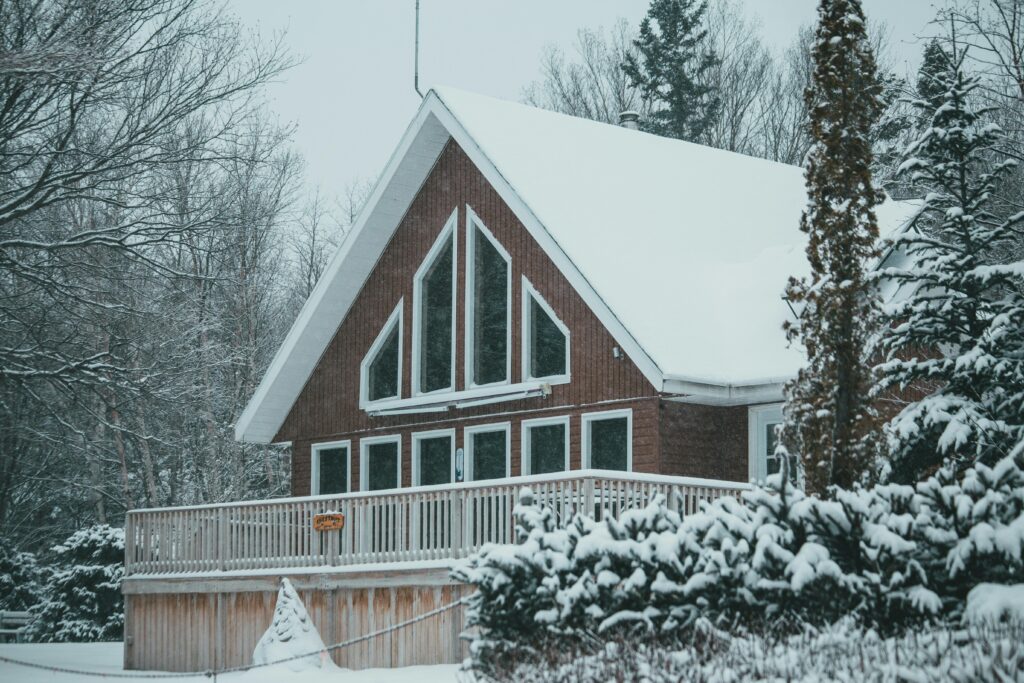
Imagine coming home after a long day, stepping through your front door, and feeling welcomed not only by your family but also by the vibrant and well-maintained walls that surround you. Now imagine those same walls, faded, peeling, or damaged by the relentless Maryland weather, humidity-soaked summers and bitterly cold winters. This is not just a matter of aesthetics; it’s about protecting your home, your investment, and your comfort. That’s precisely why residential painting matters in Maryland’s unique climate.
Residential painting is far more than an exterior facelift. It plays a crucial role in shielding your home against the wear and tear caused by Maryland’s notoriously humid summers coupled with harsh, cold winters. The state’s climate might give you beautiful seasons, but it also presents homeowners with continuous challenges like moisture intrusion, mold growth, and paint deterioration. When done properly, residential painting creates a durable barrier against these natural elements, drastically extending the life of your home’s surfaces.
In this article, you will discover why residential painting deserves a top spot on your home maintenance checklist, especially in Maryland. You’ll learn how painting not only revitalizes your home’s appearance but also acts as a defense mechanism, preventing costly damage from moisture, mildew, and temperature fluctuations. We will delve into choosing the right types of paint tailored for Maryland’s weather, and how regular maintenance impacts long-term home value.
Furthermore, I’ll share practical tips on how to identify when your residential painting needs an update and how to select professional painters who understand Maryland’s specific weather challenges. By the end, you’ll be equipped with actionable knowledge that will help you keep your home both beautiful and protected throughout every humid summer and cold winter season.
If you’ve ever wondered whether investing in residential painting is really worth it, especially in Maryland’s demanding climate, this article is your guide to making a smart, informed decision. Let’s explore why residential painting matters so much here and how it can make all the difference to your home’s health and your peace of mind.
Key Takeaways
- Residential painting is protection, not just aesthetics: In Maryland’s humid summers and cold winters, paint acts as a critical barrier against moisture, mold, and temperature damage.
- Climate-specific paint matters: Using breathable, weather-resistant, and flexible paint formulations helps surfaces expand and contract without peeling or cracking.
- Humidity is a major threat: High summer moisture accelerates mildew, rot, and paint failure if surfaces aren’t properly prepped and sealed.
- Winter freeze-thaw cycles cause stress: Quality paint systems reduce chipping and flaking caused by seasonal contraction and expansion.
- Preparation is essential: Cleaning, repairing, sanding, and priming surfaces determines how long a paint job will last in Maryland’s climate.
- Residential painting extends home lifespan: Regular painting and maintenance can add decades to exterior surfaces and prevent costly structural repairs.
- Energy efficiency improves: Properly painted and sealed surfaces help regulate indoor temperatures and reduce heating and cooling costs.
- Professional expertise pays off: Painters familiar with Maryland’s weather conditions select the right materials and timing for long-lasting results.
- Maintenance is ongoing: Annual inspections and small touch-ups prevent moisture intrusion and major repainting expenses.
- Painting is a long-term investment: Beyond curb appeal, residential painting protects home value, comfort, and peace of mind year after year.
Why Residential Painting Matters in Maryland’s Humid Summers and Cold Winters
Residential painting isn’t just about choosing a color that looks good on your walls, it’s an essential part of protecting and preserving your home, especially in climates like Maryland where the weather can be both blisteringly humid in summer and sharply cold in winter. To fully appreciate the importance of residential painting, it’s necessary to understand not only what it entails but also why it plays a pivotal role in maintaining the structural integrity and aesthetic appeal of your property throughout the year.
Residential painting refers to the professional application of paint or finishes to the interior and exterior surfaces of a home. This process is far more complex than a simple coat of paint; it includes surface preparation, priming, and applying paint that is suitable for the specific environmental conditions the home will face. For homeowners in Maryland, where the climate swings dramatically between hot, sticky summers and chilly, damp winters, residential painting is not just a cosmetic upgrade, it acts as a protective shield.
Humidity during Maryland summers often soars above 70 percent, which creates a perfect breeding ground for mold and mildew. These fungi can settle beneath layers of paint that aren’t properly applied or are of low quality, eventually causing paint to peel, blister, and crack. Additionally, the moisture can seep into wooden siding or frames, leading to rot and decay that can compromise the structure of the home. Without a proper residential painting application that includes moisture-resistant coatings and sealants, homeowners risk expensive repairs down the line.
On the flip side, Maryland’s winters introduce cold temperatures and frequent precipitation, snow, sleet, and ice, that can cause paint to chip and flake due to contraction and expansion of building materials. Proper residential painting techniques include using paints designed to expand and contract without losing adhesion, which helps protect exteriors from the wear and tear of harsh winter weather.
Statistically, studies show that homes with regular maintenance through residential painting can increase property lifespan by up to 25 years. Furthermore, freshly painted exteriors can boost curb appeal and resale value by as much as 7%, according to real estate analyses. These tangible benefits underscore why investing in quality residential painting services is a smart financial decision for Maryland homeowners.
Consider the story of the Thompson family from Anne Arundel County. Their home, built in the early 1950s, had suffered significant weather damage and peeling paint by 2018 due to years of neglect. After hiring a local residential painting company specialized in weather-resistant coatings, they not only restored their home’s vibrant exterior but also noticed reduced moisture infiltration and improved insulation during winter months. The family’s happiness with the outcome reaffirmed residential painting as an invaluable part of home maintenance in Maryland’s challenging climate.
In summary, residential painting matters immensely in Maryland because it protects your home against the unique and demanding conditions of humid summers and cold winters. It preserves the home’s structure, enhances curb appeal, and increases property value, all while sparing homeowners from costly repairs and weather-related damage. Embracing this essential home care practice is not merely an aesthetic choice but a key strategy for long-term durability and comfort.
How to Apply Residential Painting Step by Step for Maryland’s Climate
When it comes to protecting and beautifying your home in Maryland, residential painting is more than just a cosmetic upgrade , it’s a vital shield against the state’s humid summers and freezing winters. By following a clear, step-by-step process, you can ensure your exterior and interior surfaces withstand the unique challenges posed by Maryland’s weather cycles. Here’s a detailed guide to applying residential painting effectively in this climate:
Step 1: Assess and Prepare the Surface
Before any paint touches your walls, proper preparation is essential.
– Inspect for damage: Check your exterior walls or interior surfaces for cracks, peeling paint, mold, or mildew caused by humid air or winter moisture.
– Clean the surfaces: Use a pressure washer on exteriors or gentle cleaning solutions indoors to remove dirt and contaminants. In Maryland’s humid environment, mildew can quickly develop if ignored.
– Repair and sand: Fill cracks and holes with suitable fillers, then sand the surfaces smoothly to ensure paint adhesion.
– Protect fixtures and landscaping: Cover windows, doors, plants, and soil to prevent paint splatters or overspray.
> Visual Tip: Using a mildew cleaner can be especially helpful for Maryland homes to ensure surfaces are free from mold before painting.
Step 2: Choose the Right Paint for Maryland’s Weather
Selecting paint suited to your local climate is crucial for durability.
– Opt for high-quality, weather-resistant paints: Look for paints labeled as resistant to moisture, fading, and cracking.
– Use breathable exterior paints: These allow trapped moisture to escape, preventing peeling caused by Maryland’s humid summers.
– Consider insulating paints or coatings: Some paint formulations help regulate temperature, providing added protection during cold winters.
– Pick a finish based on the room or exterior area: Satin or semi-gloss finishes offer more resistance to humidity and are easier to clean.
Step 3: Apply Primer for Better Adhesion and Protection
Primer acts as a foundation for your paint, especially on challenging surfaces.
– Select a primer designed for your surface and weather conditions: For example, use mold-resistant primers for exterior walls exposed to moisture.
– Apply evenly using brushes or rollers: Ensure full coverage to seal porous surfaces and promote paint adhesion.
– Allow proper drying time: Primers generally require several hours to cure, which may vary depending on humidity levels.
Step 4: Paint with Precision and Care
Applying paint properly is the heart of the residential painting process.
– Choose the right tools: Brushes for corners and edges, rollers for open wall areas, and sprayers for large exteriors.
– Apply paint in thin, even coats: Thick layers can trap moisture, leading to peeling in Maryland’s climate.
– Follow the grain or texture of the surface: This enhances coverage and finish smoothness.
– Allow sufficient drying between coats: Depending on paint type and weather, drying times can fluctuate; Maryland’s humidity might extend curing periods.
– Apply multiple coats if needed: Two or three coats generally ensure optimal protection and color vibrancy.
Step 5: Inspect and Maintain
The job isn’t done when the paint dries. Ongoing care extends your paint’s life.
– Inspect annually for damage or wear: Maryland’s summers and winters can cause gradual fading or cracks.
– Clean surfaces regularly: Remove mildew or dirt with mild cleaning solutions to keep paint fresh.
– Touch up as necessary: Address small chips or peeling areas early to prevent larger repairs.
– Consider seasonal checks: After harsh winters or rainy summers, check for any signs of moisture damage.
Example: Painting a Maryland Home Exterior
Imagine you’re prepping an older Maryland home for new exterior paint before summer hits:
1. You begin by power washing the siding to remove dirt and mildew caused by spring rains.
2. You find some cracked areas caused by winter frost and fill them with exterior-grade filler.
3. After sanding, you apply a mildew-resistant primer to guard against summer humidity.
4. Using a high-quality, breathable paint in a vibrant color, you roll on two coats.
5. Finally, you inspect the finish after it dries and schedule annual maintenance.
The result is a beautifully painted home that resists Maryland’s humid summers and cold winters, maintaining its curb appeal and structural integrity for years to come.
By carefully following these residential painting steps, Maryland homeowners can protect their investments and enjoy vibrant, long-lasting finishes despite the challenging climate. Remember, preparation, proper material selection, and ongoing maintenance are key to succeeding with residential painting in this environment.
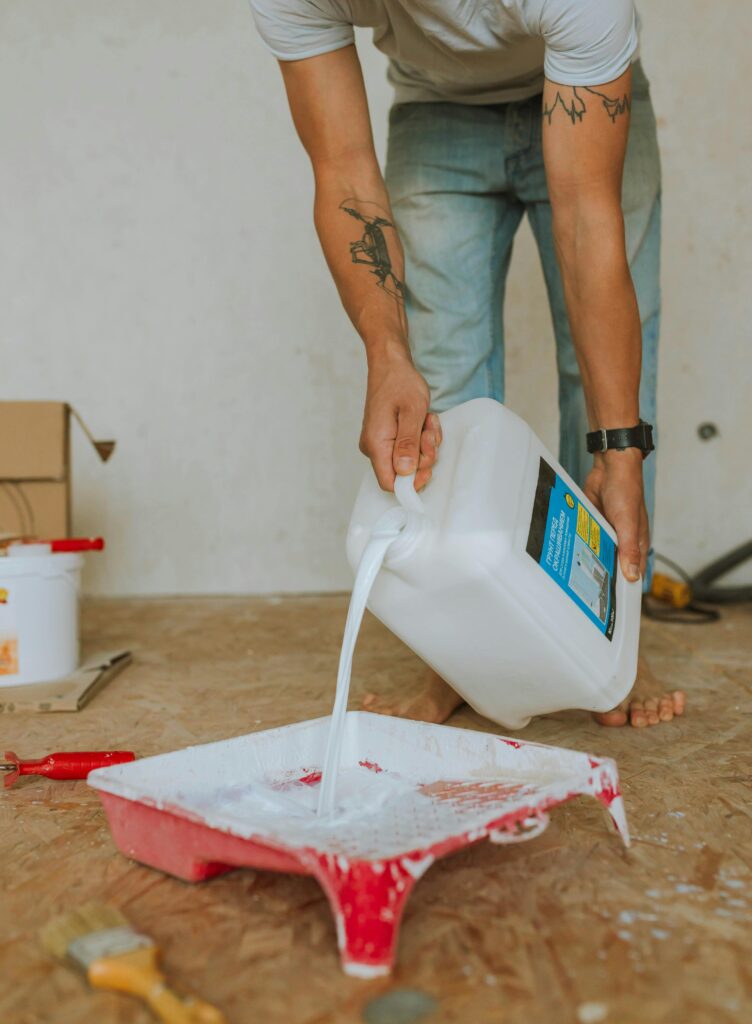
Tips for Successful Residential Painting in Maryland’s Humid Summers and Cold Winters:
✅ Choose the right paint type: Use high-quality, weather-resistant paints formulated for both humidity and cold to protect your home year-round.
💡 Plan your painting schedule: Aim for mild days in late spring or early fall when humidity is lower and temperatures are moderate for optimal drying.
✅ Prep thoroughly: Clean and repair surfaces to prevent peeling and mold growth caused by Maryland’s damp summers and freezing winters.
❌ Avoid painting on rainy or extremely humid days: Excess moisture can cause blistering and poor adhesion of paint on exterior surfaces.
✅ Use a primer designed for extreme weather: This improves paint adhesion and offers an extra barrier against moisture and temperature fluctuations.
💡 Invest in proper ventilation: When painting indoors, ensure good airflow to help paint dry quickly and reduce mildew in Maryland’s humid summers.
✅ Inspect and maintain regularly: Check painted surfaces after winter storms to catch cracks or chips early before moisture can penetrate.
❌ Don’t skimp on paint thickness: A thicker, high-quality topcoat provides better insulation and protects wood and siding from Maryland’s seasonal weather extremes.
💡 Hire professionals familiar with local climate conditions: They understand how to prep and select materials that withstand Maryland’s summer humidity and winter cold best.
By following these tips, you can ensure your residential painting project remains beautiful and durable through Maryland’s challenging seasonal weather.
Key Concepts
Understanding residential painting within the challenging climate of Maryland reveals not only the aesthetic value but also the essential protective role that quality paint work plays. The fluctuating conditions, humid summers followed by cold winters, exert continuous pressure on home surfaces. Here, the term “residential painting” transcends mere decoration, becoming a vital shield and an art form tailored specifically to weather resilience.
The Climate as a Storyteller to Surfaces
Imagine a house as a living organism, breathing through its siding and walls. Maryland’s humid summers are like a heavy veil of moisture draped over the skin, while the cold winters act like piercing winds cutting through to the bone. Residential paint, then, acts much like a carefully crafted armor, a permeable but protective membrane that manages these tensions. It balances between allowing the wood or masonry to “breathe,” releasing trapped moisture, while preventing excess water from seeping in and triggering rot or decay.
This dynamic tension is crucial. Paint job failure here isn’t random but often the narrative of moisture penetration, freeze-thaw cycles, and UV degradation playing out harshly over time. A poorly chosen or applied paint system is akin to putting on a costume made of paper, beautiful at first glance but insufficient against storms or frost.
The Dual Role: Beauty Meets Functionality
Residential painting embodies a synthesis of aesthetics and defense. On the surface, paint colors and finishes create a home’s personality, evoking emotion and identity for its inhabitants. But beyond this visual impression lies a fundamental function: paint extends the lifespan of exterior materials.
Imagine the paint as a language dual-speaking to nature and homeowners. To nature, it whispers, “Please don’t let the rain and frost damage this vulnerable structure.” To homeowners, it shouts, “This is a safe, cared-for home, imbued with style and warmth.” This dual communication underscores why residential painting is a cornerstone in Maryland homes transitioning between extremes.
The Science of Material Interaction
At the heart of residential painting is an intricate chemical romance between the paint and the substrate. Different surfaces, wood, brick, stucco, have unique moisture absorptive properties and thermal expansion coefficients. In Maryland, where humidity fluctuates dramatically and temperatures swing from the hot 90s to below freezing, this interaction can either harmonize or clash.
Paint formulations for such environments incorporate flexible binders that accommodate surface expansion and contraction. This flexibility is essential; much like a tree swaying in the wind rather than snapping, paint must allow structure movements without cracking or peeling. Understanding these material science fundamentals is key to appreciating why “one-size-fits-all” paint strategies rarely succeed here.
The Protective Narrative Against Microbial Intruders
Maryland’s summer humidity is not merely a comfort concern but a battlefield against molds, mildews, and algae. Residential painting in such environments is akin to applying a sunscreen infused with probiotics, you’re not just shielding against environmental damage, but also discouraging hostile microbial invasions.
Several paint technologies embed anti-fungal and anti-algal agents, turning surfaces into less hospitable terrains for these microscopic foes. It is a defensive offense where paint does more than cover; it actively participates in maintaining the structural integrity and health of the home’s exterior.
Seasonal Change as a Cyclical Challenge
Every autumn, leaves fall and moisture settles, setting the stage for winter’s freeze-thaw drama. Residential painting’s effectiveness can be viewed as a cyclical narrative. The paint’s condition after several seasons reflects a micro-chronicle of environmental battles won or lost.
This cycle stresses that residential painting is a living system, one that requires understanding of temporal rhythms. In Maryland’s case, the balance between sealing out moisture and allowing trapped vapor to escape is not static but evolves with seasons, a continuous dialogue between house, paint, and weather.
The Emotional Resonance of Color Stability
Beyond function, color stability under environmental stress subtly influences emotional wellbeing. In humid summers and cold winters, colors might fade, yellow, or crack, metaphorically dimming the home’s spirit. Maintaining vibrant, stable colors through high-quality paint systems helps preserve not only exterior beauty but also the psychological warmth that a well-cared-for home conveys.
The interplay of color and climate reminds us that residential painting holds profound emotional and cultural significance. It acts as a visible narrative of care, stability, and resilience, a tangible expression of homeowners guarding their sanctuary through the year’s elemental upheavals.
Final Thought: Residential Painting as an Environmental Dialogue
In sum, residential painting within Maryland’s climate can be imagined as a complex dialogue between human creativity, environmental science, and material chemistry. It narrates a story where aesthetics and durability are not opposing forces but collaborators, responding to the relentless cycles of humid summers and cold winters. This understanding elevates residential painting from a routine chore into a strategic, meaningful engagement with place, time, and weather.
Frequently Asked Questions About Residential Painting in Maryland
❓ Why is residential painting important in Maryland’s humid summers?
Maryland’s humid summers can cause paint to blister, peel, or develop mold if surfaces aren’t properly prepared and painted with the right materials. Residential painting with high-quality, moisture-resistant paints helps protect your home’s exterior from humidity damage, extending its lifespan and maintaining curb appeal.
❓ How does residential painting help during Maryland’s cold winters?
During cold winters, paint acts as an additional barrier against harsh weather, reducing the impact of freezing temperatures and ice on your home’s surfaces. Properly applied paint can prevent cracks and water infiltration that lead to structural damage, making residential painting a key step in winterizing your home.
❓ What type of paint is best for Maryland’s climate?
For Maryland’s climate, it’s best to use acrylic latex paints for exterior surfaces because they offer excellent adhesion and flexibility to handle humidity and temperature fluctuations. Additionally, mildew-resistant and weatherproof paints are recommended to combat summer moisture and winter cold.
❓ How often should I repaint my home in Maryland?
Generally, exterior residential painting should be redone every 5–7 years in Maryland’s climate due to wear from humidity, temperature swings, and UV exposure. However, signs like peeling paint, faded color, or water damage mean it’s time to repaint sooner, ensuring your home stays protected year-round.
❓ Can I paint my home exterior myself given Maryland’s weather conditions?
While DIY painting is possible, Maryland’s humid summers and cold winters require specific prep work and weather considerations for successful results. Professionals are better equipped with the right timing, tools, and paint products to ensure durable, long-lasting residential painting that withstands Maryland’s challenging climate.