

Imagine waking up one chilly morning in Maryland, only to notice that the paint on your home’s exterior is peeling, cracking, and fading faster than you expected. With Maryland’s unpredictable weather, from humid summers to icy winters, protecting your home’s exterior is no small feat. That’s where residential painting plays a crucial role, not just in beautifying your space, but in defending it against nature’s relentless elements.
Residential painting isn’t just about choosing your favorite color or creating curb appeal. It’s about creating a barrier that shields your home from the harsh conditions that Maryland weather throws at you year after year. When done correctly, painting becomes an investment that preserves your home’s structural integrity and enhances its longevity.
In this article, you’ll discover the best residential painting tips tailored specifically for Maryland’s diverse climate. From surface preparation and paint selection to timing and maintenance, these insights will empower you to make smart decisions about your home’s exterior. Whether you’re a seasoned DIY enthusiast or planning to hire a professional, understanding these key elements will help you protect your home effectively.
We’ll walk you through how to identify the right types of paint that can withstand moisture, extreme temperatures, and sun exposure. You’ll also learn the importance of thorough surface preparation, including cleaning and repairing, to ensure the paint adheres properly and lasts longer. Additionally, we’ll cover the optimal timing for exterior painting projects in Maryland, so you dodge rainy and freezing days that can compromise your results.
By the end of this guide, you’ll be equipped with actionable strategies that make your residential painting project more than a cosmetic task. You’ll see it as a crucial protective measure for preserving your home against Maryland’s weather challenges. Get ready to boost your home’s resilience, curb appeal, and value, all through the power of quality residential painting.
Stay with us as we transform your painting project from a seasonal chore into a smart, weather-ready investment for your Maryland home.
Key Takeaways
- Residential painting in Maryland is more than visual appeal—it’s essential protection against humidity, heat, rain, and snow.
- The best exterior paint acts as a weatherproof shield, preventing moisture damage, fading, and cracking from Maryland’s changing seasons.
- Surface preparation—cleaning, sanding, and repairing—is the foundation of long-lasting paint adhesion and durability.
- High-quality primers and paints with UV and mildew resistance safeguard wood, brick, and siding from Maryland’s moisture and sun exposure.
- Painting in ideal weather (50°F–85°F, dry conditions) ensures smooth curing and prevents peeling or blistering.
- Regular inspection and touch-ups protect your home’s structure, saving money on costly long-term repairs.
- Environmentally friendly, low-VOC paints improve air quality while reflecting heat and reducing cooling costs.
- Ultimately, residential painting is both art and defense—a lasting investment that preserves your Maryland home’s beauty and strength year after year.
Why Residential Painting is Essential for Protecting Your Maryland Home
Residential painting is more than just a cosmetic upgrade; it’s a crucial defense mechanism that shields your home from the harsh and unpredictable Maryland weather. This state is known for its mix of hot, humid summers, cold winters, and frequent rainstorms, conditions that can take a toll on your home’s exterior surfaces. Investing in quality residential painting not only enhances your home’s curb appeal but also extends the lifespan of your siding, trim, and other exterior components.
According to the U.S. Census Bureau, nearly 65% of Maryland homes are single-family residences, many of which face significant weather-related wear annually. Without proper protection, paint can peel, wood can rot, and structural damage can escalate, leading to costly repairs. High-quality residential painting forms a protective barrier against moisture infiltration, UV damage, and temperature fluctuations, making it an indispensable step in maintaining your property’s value.
Consider the story of the Johnson family from Baltimore. After noticing their home’s paint peeling and wood trim deteriorating, they chose to invest in professional residential painting services focused on weather-resistant coatings. Within months, not only did their home regain its vibrant look, but the paint also prevented further water damage during a particularly harsh winter. Their experience underscores the transformative power of residential painting in safeguarding Maryland homes against environmental challenges.
By equipping your home with the right residential painting solutions, you are effectively creating a shield that preserves both beauty and structural integrity, ensuring your investment stands strong against Maryland’s demanding climate.
Best Residential Painting Tips to Protect Your Home from Maryland’s Harsh Weather:
🎨 Choose High-Quality Exterior Paint:
Opt for premium paint specifically formulated for exterior use to withstand Maryland’s fluctuating temperatures and humidity.
🛡️ Use a Weather-Resistant Primer:
Apply a stain-blocking, weather-resistant primer before painting to enhance adhesion and protection against moisture and mildew.
🌧️ Paint in Optimal Weather Conditions:
Plan your painting on dry days with temperatures between 50°F and 85°F, avoiding rainy or excessively windy days to ensure proper drying and curing.
🧽 Prep Surfaces Thoroughly:
Clean, scrape, and sand surfaces to remove dirt, peeling paint, and mildew. Proper preparation is key to a long-lasting paint job that resists Maryland’s weather.
🚪 Seal Windows and Doors:
Use high-quality caulk around windows and doors to prevent water infiltration and protect painted surfaces from moisture damage.
🧴 Apply Multiple Coats:
Two or more coats of paint create a thicker, more durable barrier against rain, snow, and sun exposure common in Maryland.
🌿 Maintain Regularly:
Inspect your painted surfaces yearly for chips, cracks, or mildew. Timely touch-ups help avoid costly repairs from weather-related wear.
💨 Protect from Mold and Mildew:
Use paint with fungicidal additives or treat surfaces beforehand to prevent mold growth, a common problem in Maryland’s humid climate.
By following these residential painting tips, your home can stay vibrant and protected no matter what Maryland’s weather throws at it!
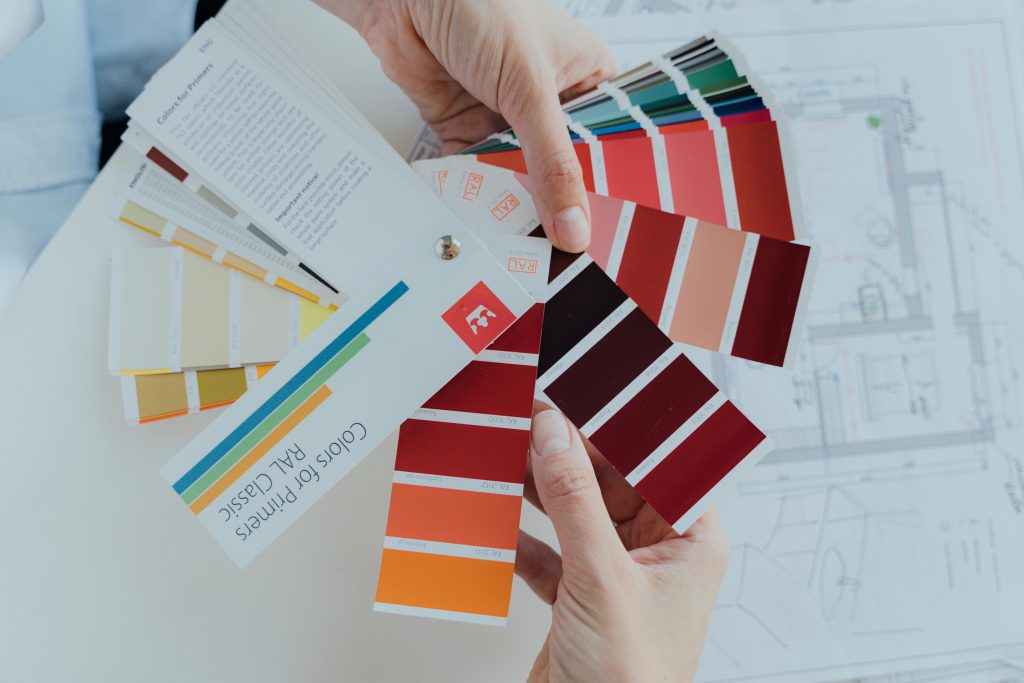
Key Concepts of Residential Painting
When delving into the world of residential painting, it’s essential to grasp not only the aesthetic appeal but the intricate relationship between the paint and the environment it confronts, especially in regions like Maryland where the weather can be particularly unforgiving. Residential painting transcends a mere cosmetic upgrade; it is a protective shield against the elements, a harmonious blend of art and science aimed at preserving the sanctity and value of a home.
The Protective Role of Residential Paint
Imagine your home as a fortress, standing resilient against storms, harsh sun, and relentless humidity. The paint applied to its exterior acts like a suit of armor, adapting to the home’s unique architectural contours, shielding wood, brick, and other materials from decay. This protective layer is not passive; it works dynamically to repel moisture, resist cracking, and prevent the fading that sun exposure inevitably causes.
In Maryland, where rain can be frequent, and winters bring chilling winds and sporadic snow, the resilience of this paint layer becomes pivotal. Residential paint here is more than decoration; it is a line of defense that combats the slow erosion of weather over time. Think of paint as the skin of the house, responding, healing, and defending against environmental challenges.
The Science Behind Paint Composition
Residential painting is deeply rooted in chemistry. Paints are composed of pigments, binders, solvents, and additives, each serving a specialized role. Pigments provide color and opacity, the binders ensure adhesion and durability, solvents control the consistency for application, and additives impart specific traits like mildew resistance or UV protection.
The relationship between these components determines how well the paint can guard a Maryland home against its distinct seasonal adversities. For instance, paint with high-quality acrylic binders forms a flexible, breathable membrane that expands and contracts with temperature changes, reducing the chance of cracking, a vital feature in a place where summers can be hot and humidity high.
The Interplay of Surface Preparation and Paint Performance
Before the first brushstroke touches a home’s surface, the canvas must be adequately prepared. This concept is at the heart of successful residential painting. A poorly prepared surface is like building a castle on sand; no matter how splendid the paint job appears initially, it will falter against nature’s test.
Surface preparation involves cleaning, scraping away old, flaking paint, sanding rough patches, and addressing any underlying damage. This meticulous process ensures the paint adheres uniformly, maximizes longevity, and prevents premature failure caused by moisture seepage or blistering.
Environmental Sensitivity and Sustainability
In the modern landscape, the concept of residential painting embraces sustainability and environmental impact. Paints with low volatile organic compounds (VOCs) are increasingly used not just for their eco-friendliness but because they contribute to healthier indoor air quality, even during exterior applications.
Moreover, the choice of paint can influence energy efficiency. Certain paints reflect solar radiation, reducing heat absorption and, consequently, cooling costs during Maryland’s hot summers. Hence, residential painting also carries a dimension of environmental harmony, protecting the home without harming the planet.
A Living Layer: The Aging and Maintenance of Residential Paint
Paint on a residence is not static; it ages and weathers like any natural material. This aging process is a narrative etched in layers of color and texture, telling the story of seasons past, storms weathered, and sunshine embraced. Over time, paint loses its sheen, develops micro-cracks, or may even peel away, revealing vulnerability beneath.
Understanding this dynamic aging underlines the importance of periodic attention to the painted surfaces, as the paint’s health directly correlates with the home’s structural integrity and curb appeal. In essence, residential painting is a living relationship between the house and the owner, a dialogue maintained through care and timely renewal.
The Emotional Connection in Residential Painting
Beyond the technicalities, residential painting holds a deep emotional resonance. Color selection and finish type contribute significantly to the ambiance, mood, and character of a home. The right paint color can evoke memories, set a welcoming tone, and instill pride in homeowners.
This emotional layer complements the protective function, transforming residential painting from a mere home improvement task into an expression of identity and sanctuary. It is akin to dressing one’s home in a garment that conveys personality while preparing it to face the trials of nature.
In summary, residential painting within the context of Maryland’s harsh weather conditions is a multifaceted concept intertwining protection, science, preparation, and emotional significance. Paint forms a vital barrier against weather damage while expressing the owner’s vision and warmth. Appreciating these core principles deepens one’s understanding of how every coat of paint is both armor and artwork, preserving the home’s legacy against time and elements.
Frequently Asked Questions about Residential Painting
❓ Why is residential painting important for homes in Maryland?
Residential painting acts as a protective barrier against Maryland’s harsh weather conditions, such as humidity, rain, and temperature fluctuations. A good paint job helps prevent moisture damage, mold growth, and wood rot, extending the life of your home’s exterior and maintaining its curb appeal.
❓ What type of paint is best for Maryland’s weather?
For Maryland’s climate, it’s best to use high-quality, weather-resistant exterior paint with mildew-resistant properties. Acrylic latex paint is popular because it offers excellent durability, flexibility, and protection against moisture and UV rays, making it ideal for residential painting projects in this region.
❓ How often should I repaint my house in Maryland?
Generally, residential painting should be refreshed every 5-7 years, but this can vary based on the paint quality, surface prep, and exposure to harsh weather. In Maryland’s variable climate, it’s wise to inspect your home’s paint every couple of years and touch up areas showing wear to protect your home effectively.
❓ Can I paint my house during any season in Maryland?
It’s best to schedule residential painting during dry, mild weather conditions, typically spring through early fall. Painting during extreme heat, cold, or high humidity can affect paint adhesion and longevity. Proper timing helps the paint cure correctly, ensuring better protection against Maryland’s challenging climate.
❓ Do I need to prepare my home before painting?
Absolutely. Surface preparation is crucial for a successful residential painting job. This includes cleaning the walls, scraping off old paint, repairing any damage, and applying primer. Proper prep work ensures the paint adheres well and withstands Maryland’s harsh weather, ultimately protecting your home longer.