

Imagine waking up on a chilly January morning in Maryland, only to feel a draft sneaking in from an old window or notice moisture creeping into your walls after a humid summer afternoon. Many Maryland homeowners face this predicament every year. This challenge underscores the importance of strategic home remodeling, not just to beautify your living space, but also to protect it from the region’s notoriously harsh winters and sultry, humid summers.
If you’ve ever wondered how to maintain comfort and structural integrity through Maryland’s seasonal extremes, this article is for you. Home remodeling here comes with unique demands, blending the need for insulation against cold snaps with moisture control during hot, sticky months. Whether you’re considering a full renovation or targeted upgrades, understanding how to shield your home from these elements can save you money, enhance your quality of life, and preserve the value of your property.
In this blog, you will learn practical home remodeling strategies tailored to Maryland’s climate. We will explore key upgrades like energy-efficient windows, weather-resistant siding, enhanced insulation techniques, and clever ventilation solutions. By weaving these improvements into your remodeling plan, you’ll create a home that stays warm without skyrocketing energy bills and remains dry and fresh when humidity hits peak levels.
Home remodeling isn’t just about aesthetics; it’s also about making your living space resilient against the weather challenges that Maryland uniquely presents. By the end of this article, you’ll be equipped with insights and tips to transform your home into a sanctuary that stands strong regardless of the forecast, turning weather woes into a distant memory.
Key Takeaways
- Maryland’s climate demands smart remodeling to handle harsh winters and humid summers without sacrificing comfort.
- Winter protection starts with insulation and sealing, reducing heat loss, drafts, and energy waste.
- Moisture control is critical in summer, preventing mold, rot, and poor indoor air quality.
- Energy-efficient windows and doors play a major role in year-round temperature stability.
- Proper ventilation balances insulation, allowing homes to breathe while staying protected.
- Durable, weather-resistant materials extend the lifespan of siding, roofing, and interiors.
- Efficient HVAC systems lower costs and adapt to Maryland’s seasonal extremes.
- Home remodeling boosts property value while reducing long-term maintenance expenses.
- Weatherproofing is a strategy, not a single fix, requiring a holistic, climate-aware approach.
- A well-remodeled home becomes a year-round sanctuary, resilient against winter cold and summer humidity.
Why Home Remodeling in Maryland is Essential for Weatherproofing Your Home
Home remodeling is more than just an aesthetic upgrade, it’s a critical investment in the longevity and comfort of your property, especially in Maryland’s unique climate. Situated between the Mid-Atlantic and the Northeast, Maryland experiences chilly, harsh winters and humid, muggy summers. This wide temperature and moisture spectrum makes home remodeling a vital step to protect your living space from the wear and tear caused by extreme weather conditions.
Understanding the true importance of home remodeling in Maryland begins with recognizing the challenges this climate poses. According to the National Oceanic and Atmospheric Administration (NOAA), Maryland’s winter temperatures often drop below freezing, which can lead to issues such as frozen pipes, cracked foundations, and increased energy bills from inefficient heating. On the flip side, summer brings high humidity levels averaging around 65%, fostering mold growth, wood rot, and discomfort indoors if a home isn’t properly sealed or ventilated.
Moreover, a well-executed home remodeling project ensures your property’s resilience against these conditions. For instance, upgrading insulation materials, installing storm-resistant windows, and improving ventilation systems are strategic remodeling choices that significantly reduce energy consumption. Statistics from the U.S. Department of Energy suggest that proper insulation can reduce heating and cooling costs by up to 20%, which is a considerable saving in Maryland’s climate.
Let’s consider Sarah, a Maryland resident who undertook a comprehensive home remodeling project last year. Facing rising energy bills and frequent mold issues during humid summers, Sarah decided to invest in remodeling her aged home. She focused on replacing old windows with double-pane, storm-resistant alternatives, enhancing attic insulation, and installing a state-of-the-art HVAC system designed for optimal air circulation and moisture control. Within months, Sarah noticed a substantial decrease in her energy bills and a marked improvement in indoor air quality. Her home, once vulnerable during winter storms and summer heatwaves, became a sanctuary of comfort and efficiency.
In essence, home remodeling in Maryland is not just a matter of improving appearances; it’s about safeguarding your home against the state’s punishing winters and sticky summers. By addressing structural vulnerabilities and upgrading key components, homeowners can enjoy increased property value, enhanced comfort, and significantly lower maintenance and energy costs. Understanding these benefits is the first step to making informed decisions that protect your home and investments for years to come.
How to Apply Home Remodeling Step by Step to Protect Your Maryland Home from Harsh Winters and Humid Summers

Embarking on a home remodeling project with the goal of safeguarding your Maryland home from the region’s harsh winters and humid summers can seem overwhelming. However, with a clear, step-by-step approach, you can transform your living space into a comfortable haven year-round. Here’s a detailed guide to applying home remodeling techniques effectively to boost your home’s resilience against weather extremes.
Step 1: Conduct a Comprehensive Home Assessment
Before starting any remodeling work, it’s crucial to thoroughly assess your home’s current condition. Pay close attention to:
– Insulation levels: Check attic, walls, and basement insulation to identify heat loss or gain.
– Window quality: Inspect for drafts, single-pane glass, or inefficient seals.
– Roof and gutters: Look for damaged shingles or clogging that can exacerbate water damage.
– HVAC system: Evaluate the performance and maintenance status of your heating and cooling units.
Example: A Maryland homeowner discovered through an energy audit that their attic insulation was below recommended levels, prompting an insulation upgrade.
Step 2: Enhance Insulation and Sealing
Energy efficiency is paramount in withstanding Maryland’s cold winters and sticky summers. Increasing insulation and sealing air leaks can significantly reduce the strain on your heating and cooling systems.
– Upgrade insulation: Use spray foam insulation for superior air sealing in hard-to-reach areas.
– Weatherstrip windows and doors: Apply high-quality weatherstripping to prevent drafts.
– Seal ductwork: Leaky ducts can waste energy, seal joints with mastic or metal tape.
Visual aid: Diagram showing how insulation layers keep warm air inside during winter and block heat during summer.
Step 3: Upgrade Windows and Doors to Energy-Efficient Models
Windows and doors are major points of heat transfer. Replacing outdated units with energy-efficient options designed for Maryland’s climate can make a noticeable difference.
– Choose double- or triple-pane windows: Look for Low-E glass coatings that reduce radiative heat loss.
– Opt for fiberglass or insulated steel doors: These materials offer better thermal resistance.
– Install storm windows: As an alternative, storm windows add an extra barrier against temperature extremes.
Step 4: Improve Moisture Control to Combat Humidity
Humid summers require proactive measures to manage moisture, which can lead to mold and structural damage.
– Upgrade ventilation: Install energy recovery ventilators (ERVs) to maintain fresh air without losing heat or cooling.
– Apply vapor barriers: Place vapor barriers in crawl spaces and basements to reduce ground moisture.
– Fix drainage issues: Ensure gutters direct water away from the foundation and grade the landscape to prevent pooling.
Step 5: Invest in an Efficient HVAC System and Smart Thermostats
An HVAC system that adapts to Maryland’s climate fluctuations can ensure comfort while minimizing energy bills.
– Select HVAC units with high SEER and AFUE ratings: These indicate cooling and heating efficiency.
– Consider zone heating and cooling: Customizing temperatures in different areas reduces unnecessary energy use.
– Use smart thermostats: Program schedules and remotely control settings to optimize system performance.
Step 6: Incorporate Durable, Weather-Resistant Materials in Your Remodel
Choosing the right materials extends the lifespan of your remodeled spaces and resists the damaging effects of Maryland’s weather.
– Exterior siding: Fiber-cement or vinyl siding offers excellent resistance to moisture and temperature swings.
– Roofing: Metal or architectural shingles withstand severe winters and shed rain efficiently.
– Flooring: Opt for waterproof and mold-resistant flooring in basements and bathrooms.
Step 7: Plan for Regular Maintenance Post-Remodel
Protecting your investment means committing to consistent upkeep.
– Schedule biannual HVAC tune-ups: Keep your system running efficiently.
– Inspect seals and insulation annually: Address any deterioration before it worsens.
– Clean gutters and downspouts: Prevent water damage during heavy rains and snow melts.
Final Thoughts
Applying home remodeling with a focused approach tailored to Maryland’s climate not only enhances comfort but also protects your property over time. By following these steps, from evaluating your home to selecting the right materials and systems, you craft a living space prepared to face even the harshest winters and most humid summers.
Remember: Home remodeling is an investment in your home’s longevity and your family’s wellbeing, so take the time to plan thoroughly and execute wisely.
Would you like to see specific examples of insulation upgrades or smart thermostat settings tailored for Maryland homes? Feel free to reach out, and we can provide customized recommendations!
Tips for Home Remodeling in Maryland: Protect Your Home from Harsh Winters and Humid Summers
✅ Upgrade Your Insulation: Enhance attic and wall insulation to keep your home warm during Maryland’s chilly winters and cool in humid summers.
❄️ Seal Windows and Doors Properly: Use weather-stripping and caulking around windows and doors to prevent drafts and moisture infiltration.
💧 Install a Vapor Barrier: Placing vapor barriers in crawl spaces or basements helps control moisture and prevents mold growth during humid seasons.
🔥 Choose Energy-Efficient HVAC Systems: Opt for heating and cooling systems designed for variable climates to maintain comfort and reduce energy costs.
🌬️ Incorporate Proper Ventilation: Ensure attics and crawl spaces have adequate ventilation to prevent moisture accumulation and structural damage.
🏠 Select Durable Exterior Materials: Use siding and roofing materials resistant to moisture, wind, and temperature changes common in Maryland.
🛠️ Schedule Regular Maintenance Checks: Inspect your home’s exterior and HVAC systems before winter and summer to catch issues early.
💡 Consider Smart Home Thermostats: Install programmable thermostats for better climate control, helping protect your home and save on bills.
By following these home remodeling tips tailored for Maryland’s climate, you can safeguard your house against harsh winters and humid summers efficiently.
Key Concepts of Home Remodeling in Maryland: Protecting Your Home from Harsh Winters and Humid Summers
When embarking on the journey of home remodeling, especially in a place like Maryland, it is essential to grasp the intricate relationship between the external environment and the structural integrity of your home. Maryland presents a unique challenge because its climate swings dramatically, from biting winters to sticky, humid summers. This dynamic seasonality means that traditional remodeling approaches require thoughtful adaptation to ensure the longevity and comfort of the home.
Environmental Resilience: The Heartbeat of Home Remodeling
Imagine your home as a living organism with an immune system that must withstand external assaults. In Maryland, cold snaps can be like a relentless frostbite, while summer’s humidity swoops in like a dense fog, seeping into the very bones of the house. Remodeling in this context isn’t merely about aesthetics or expansion; it’s essentially about creating a fortress that breathes and endures.
At its core, home remodeling under these climatic pressures becomes a study in environmental resilience, how materials interact with moisture, cold, and heat; how insulation acts not only as a buffer but as a guardian; and how the architecture itself can ebb and flow with the changing seasons. Every board installed, every window set, every roof shingle placed, participates in a silent dialogue with Maryland’s weather.
The Dance Between Insulation and Ventilation
In the theater of home remodeling, insulation and ventilation are the lead dancers, each performing movements that counterbalance the other. Think of insulation as your home’s winter coat, wrapping warmth tightly to stave off the biting cold. On the flip side, ventilation serves as its breathable skin, allowing excess moisture and heat to escape during humid summers.
Without proper choreography between these two, a home becomes vulnerable to hidden enemies: condensation, mold, and wood rot. This duet is particularly critical in Maryland, where the contrast between winter and summer can cause materials to contract and expand, creating tiny cracks and crevices, subtle yet significant, that jeopardize the home’s durability.
Material Selection: The Story Told by Every Surface
The choices made during remodeling tell a compelling story about priorities and survival strategies. Using materials that are poorly suited to Maryland’s weather is akin to outfitting a deep-sea diver with a leaky suit, exposure to the elements becomes a slow and insidious battle.
Wood, a favorite in many remodels for its warmth and charm, must be carefully treated and selected. It’s like the skin of your home, vulnerable to both frostbite and dampness. Composite materials, advanced vinyls, and specially coated metals act as the body armor against moisture and temperature swings. Each surfacing choice is a stanza in the poem of weather resistance, contributing to the overall narrative of stability and comfort.
Structural Integrity: The Backbone Against the Seasonal Storms
Conceptually, structural integrity in home remodeling can be visualized as the spine of a living creature. It endures the strain of external forces, whether it’s the weight of snow crushing a roof or the persistent sapping of humid air undermining wooden beams.
In Maryland, where winter storms can deposit heavy snow and ice, and summers can saturate the air with moisture, the structural elements must not only support but also adapt. Remodeling efforts must acknowledge this fluid but demanding environment by reinforcing load-bearing walls, reimagining roof slopes, and integrating moisture barriers that act like shock absorbers, softening the impact of seasonal extremes.
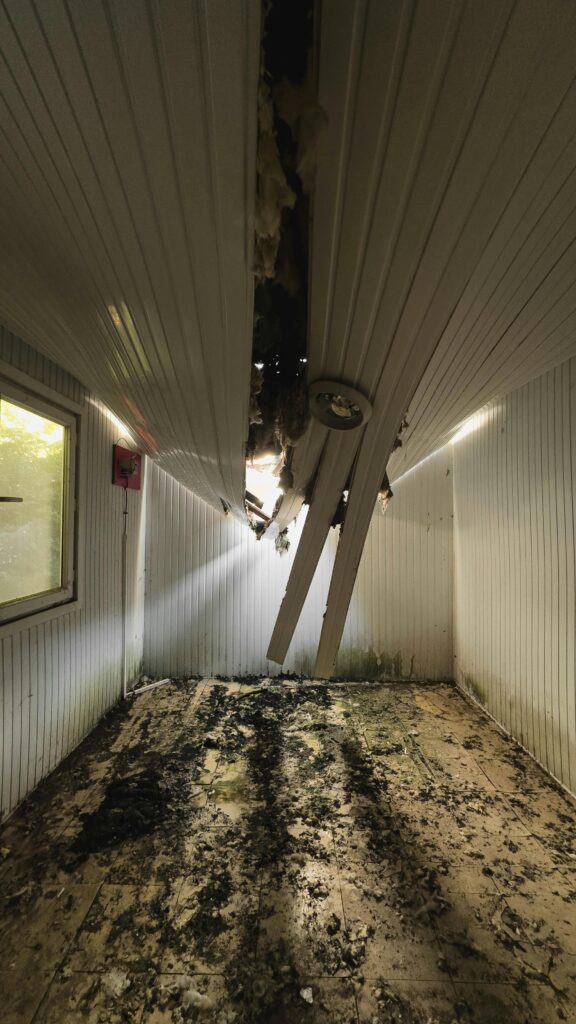
The Invisible Shield: Weatherproofing as a Philosophy
Weatherproofing transcends the mere application of caulk or sealants; it is a philosophy etched into every phase of remodeling. Think of it as painting an invisible shield around your home, one that fends off the daily barrage of wind-driven rain and chilling drafts, while also keeping the sticky summer heat at bay.
This shield isn’t a static force but a dynamic system. It requires understanding the microclimates created by landscape features like trees and slopes, as well as the macroclimate of Maryland itself. Integrating weatherproofing into remodeling means embracing a holistic mindset, one that perceives your home as an ecosystem linked indelibly to its surroundings.
The Thermal Envelope: A House Wrapped in a Warm Embrace
One of the triumphs in modern home remodeling is the concept of the thermal envelope, the invisible boundary that separates the comfortable indoor environment from the harsh outdoor elements. Like a cozy blanket that can be tightened or loosened, this envelope is formed by walls, roofs, floors, windows, and doors working harmoniously.
For Maryland homeowners, creating an effective thermal envelope is akin to safeguarding a precious seed through winter’s frost and summer’s humid heat. It requires attention to every joint and seam where air might leak, because even the smallest gap is an invitation for temperature extremes and moisture to invade.
Navigating the Balance: Comfort Meets Conservation
Underlying every decision in home remodeling aimed at weather protection is a profound balance between human comfort and environmental conservation. Maryland’s homes cannot simply be heated endlessly through winter or cooled recklessly during summer; such approaches are unsustainable and conflict with growing ecological awareness.
Instead, remodeling choices must synthesize comfort with efficiency, turning homes into living entities that conserve energy while providing sanctuary. This balance emphasizes smart design that harnesses natural sunlight, appropriate insulation levels that minimize heating and cooling demands, and materials that naturally resist moisture and temperature shifts.
In sum, home remodeling in Maryland, when viewed through the lens of its harsh winters and humid summers, becomes a sophisticated interplay of science and art. It demands a deep appreciation of climate behavior, material science, architectural foresight, and an almost poetic sensitivity to the relationship between a home and its environment. Understanding these key concepts transforms remodeling from a simple upgrade to an act of stewardship, caring not only for one’s home but also for the invisible rhythms of nature that shape its very existence.
Frequently Asked Questions About Home Remodeling in Maryland: Protecting Your Home from Harsh Winters and Humid Summers
❓ What are the most important home remodeling upgrades for Maryland’s harsh winters?
To protect your home from Maryland’s cold winters, focus on improving insulation, sealing windows and doors to prevent drafts, and upgrading your heating system. Insulating your attic and walls helps keep heat inside, making your home more energy-efficient and comfortable during winter months.
❓ How can home remodeling help with Maryland’s humid summers?
Home remodeling can address humidity issues by improving ventilation, installing dehumidifiers, and upgrading your air conditioning system. Using moisture-resistant materials and sealing basements or crawl spaces also prevents mold and moisture damage caused by humid summers.
❓ Are there specific materials recommended for remodeling homes in Maryland’s climate?
Yes, materials like vinyl windows with double or triple glazing, insulated doors, and moisture-resistant drywall are great choices. Additionally, fiber cement siding and properly sealed roofing materials help protect your home against humidity and temperature fluctuations common in Maryland.
❓ How can remodeling improve energy efficiency in Maryland homes?
By upgrading insulation, installing energy-efficient windows and doors, and modern HVAC systems, remodeling can significantly reduce energy consumption. Energy-efficient homes maintain comfortable indoor temperatures year-round despite Maryland’s extreme seasonal weather, lowering utility bills.
❓ Is professional help necessary for remodeling to withstand Maryland’s weather?
While DIY projects are possible, professional contractors have expertise in local building codes and climate-specific needs. They ensure that remodels address insulation, moisture barriers, and ventilation correctly to protect your home from Maryland’s harsh winters and humid summers.