
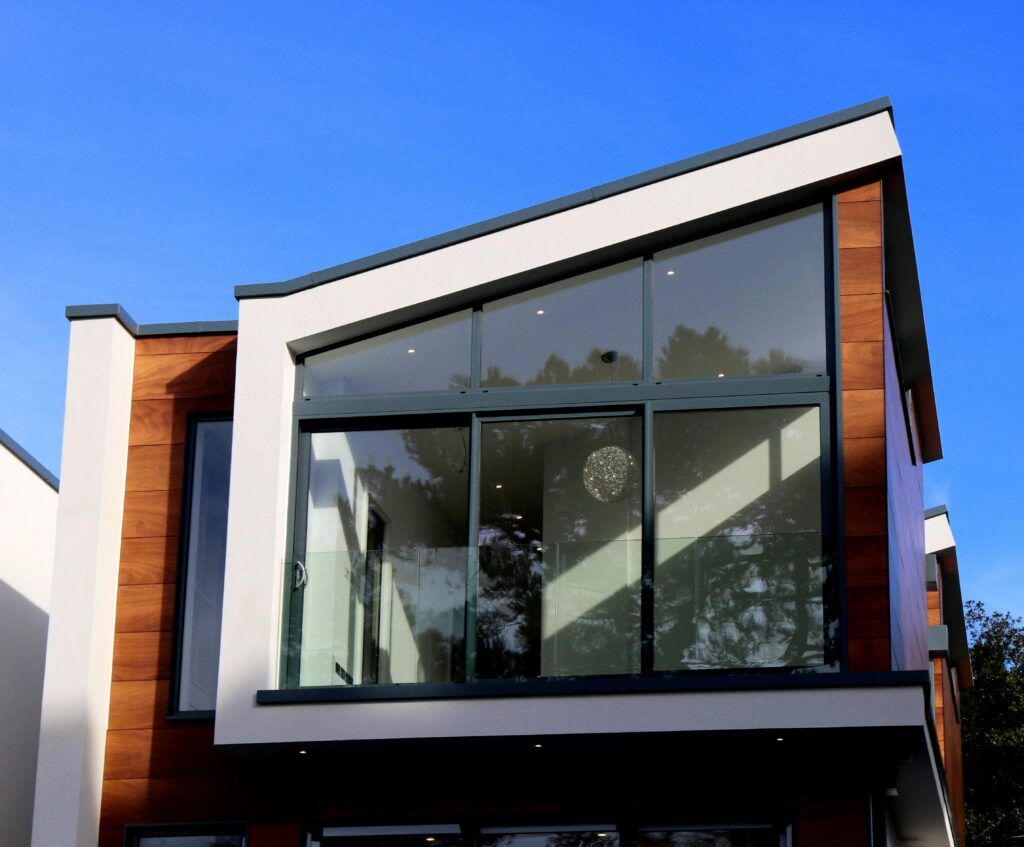
Window replacement is a significant undertaking, and with 2026 on the horizon, emerging trends are transforming how homeowners approach this project. Whether you’re motivated by rising energy costs, outdated window designs, or just want to refresh your home’s look, knowing these trends can help you make informed decisions. The right window replacement can not only improve your home’s curb appeal but also bring cutting-edge technology into your living space.
In this article, you’ll learn about the top window replacement trends for 2026 that every homeowner should consider. From smart windows that adapt to lighting conditions, to eco-friendly materials that champion sustainability, and sleek designs that enhance both function and form, 2026 promises to be a groundbreaking year for window innovations. You’ll also discover tips on what to look for when choosing replacement options, how to balance cost and quality, and ways to maximize your home’s energy efficiency while boosting its resale value.
By the end of this guide, you’ll have a clear understanding of how window replacement in 2026 can redefine your home experience and why staying ahead of these trends matters. So whether you’re planning a full renovation or a simple upgrade, let’s dive into the future of windows and explore the exciting possibilities awaiting your home.
Key Takeaways: Window Replacement Trends for 2026
- Window replacement is a high-impact home upgrade in 2026
Replacing windows goes beyond aesthetics, improving energy efficiency, comfort, and long-term home value. - Energy efficiency drives window replacement trends
Modern windows with Low-E coatings and double or triple glazing significantly reduce heat loss and lower energy bills. - Window replacement offers strong return on investment
Homeowners can recover up to 74% of replacement costs at resale, making it one of the smartest remodeling investments. - Smart window technology is shaping modern homes
Automated tinting, integrated blinds, and smart ventilation systems are becoming standard in window replacement projects. - Sustainable materials dominate window design trends
Eco-friendly frames like fiberglass, recycled vinyl, and sustainably sourced wood align with sustainability goals. - Noise reduction is a growing priority
Advanced glazing and insulated frames improve acoustic comfort, especially in urban and high-traffic areas. - Customization enhances both function and curb appeal
Window replacement trends emphasize tailored styles that complement architecture while optimizing light and privacy. - Professional installation is essential for performance
Proper installation prevents air leaks, drafts, moisture issues, and ensures maximum efficiency. - Energy-efficient windows support sustainable living
Window replacement helps reduce carbon footprints while supporting environmentally conscious lifestyles. - Window replacement is a future-ready lifestyle upgrade
In 2026, windows are intelligent, efficient interfaces that enhance comfort, well-being, and home performance.
Why Window Replacement Is More Important Than You Think in 2026
When it comes to upgrading your home, window replacement is often overlooked, yet it stands as one of the most impactful improvements a homeowner can make. So, why is window replacement gaining unprecedented attention among 2026 homeowners? Simply put, it merges aesthetics, energy efficiency, and long-term savings into one crucial home upgrade.
Window replacement refers to the process of removing old and inefficient windows from your home and installing newer, more advanced models. This upgrade isn’t just about enhancing curb appeal, it’s about elevating the overall value, comfort, and sustainability of your living space. According to the National Association of Realtors, homeowners recoup about 74% of the cost of window replacement when they sell their house, making it a smart investment financially as well.
One of the key drivers behind the surge in window replacement interest for 2026 is the rise of energy-conscious living. The U.S. Department of Energy states that inefficient windows can account for up to 30% of a home’s heating and cooling energy loss. That’s a huge amount of wasted energy, and ultimately, wasted money on utility bills. The newest window models use cutting-edge materials and technologies, like triple-pane glass and Low-E coatings, that minimize heat transfer, keeping homes warmer in the winter and cooler in the summer.
Take the story of the Johnson family from Austin, Texas. Before replacing their outdated single-pane windows, their monthly energy bills were consistently high, especially during scorching summers. After upgrading to ENERGY STAR® certified windows, they saw an average reduction of 20% in their energy costs within just the first two months. Beyond the savings, the family noted a remarkable decrease in outside noise and improved overall comfort, making their home a sanctuary amid the urban bustle.
Beyond energy efficiency, new window installations cater to the growing trend of smart homes. Many modern replacement windows come with integrated smart technology, allowing homeowners to control window tinting, blinds, or ventilation remotely. For 2026 homeowners who seek convenience without sacrificing style, window replacement fulfills this desire perfectly.
In essence, window replacement is no longer just a maintenance task, it’s a lifestyle upgrade. It boosts home performance, supports sustainable living trends, and enhances value while delivering a more comfortable, quieter, and stylish space. For anyone considering home improvements this year, understanding the importance of window replacement is the first step toward making a decision that will benefit them for years to come.
Top Window Replacement Trends for 2026 Homeowners: Essential Tips for Success
✅ Choose Energy-Efficient Windows: Opt for windows with low-E coatings and double or triple glazing to reduce energy bills and improve home comfort.
✅ Prioritize Smart Window Technology: Look for windows integrated with smart sensors that adjust tint or open automatically for better ventilation and security.
✅ Embrace Sustainable Materials: Consider frames made from recycled or eco-friendly materials like fiberglass or sustainably sourced wood to minimize environmental impact.
✅ Customize for Style and Function: Select window styles that complement your home’s architecture while meeting your needs for natural light and privacy.
✅ Focus on Noise Reduction Features: Invest in windows with enhanced soundproofing capabilities, especially if you live in noisy urban areas.
✅ Ensure Proper Installation: Hire certified professionals to install your windows correctly, preventing leaks, drafts, and long-term damage.
✅ Maintain Regular Cleaning and Upkeep: Keep windows clean and sealants fresh to maximize lifespan and maintain energy efficiency.
✅ Explore Financing Options: Look into incentives, rebates, or financing plans that make window replacement more affordable in 2026.
💡 Extra Tip: Stay updated with local building codes and incentives designed to encourage energy-efficient home improvements.
Implementing these tips will help homeowners stay ahead of the curve with window replacement trends in 2026, ensuring efficiency, style, and sustainability in their homes.
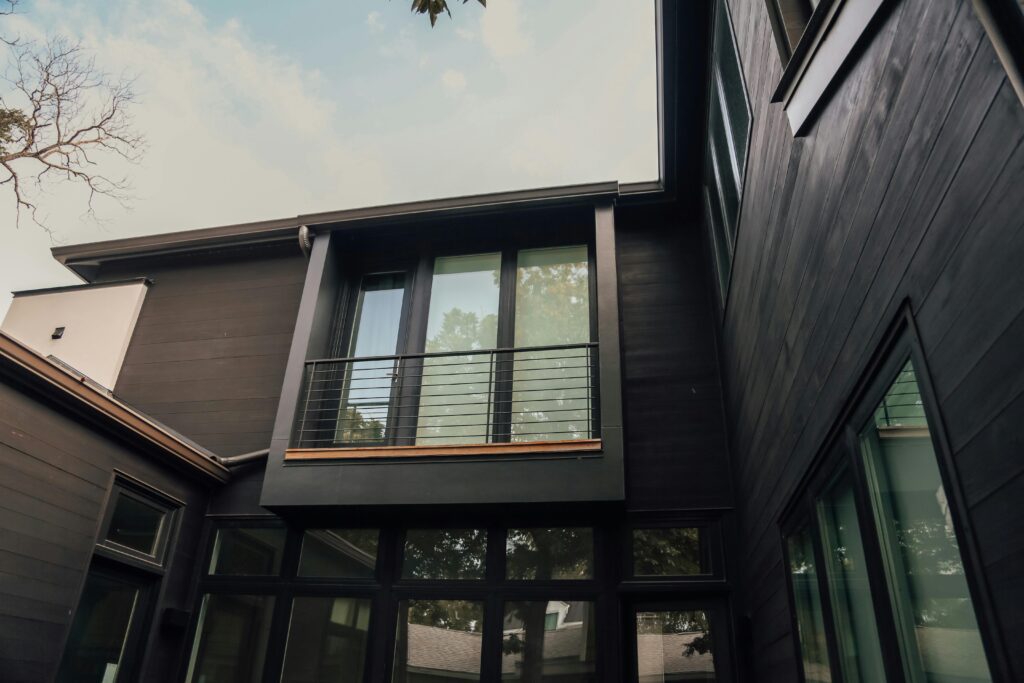
Key Concepts in Window Replacement
Window replacement, seemingly a straightforward home improvement task, is in reality a multifaceted process deeply intertwined with design, technology, energy efficiency, and even emotional comfort. In exploring the top window replacement trends for 2026 homeowners, it’s essential to understand the underlying concepts that shape how and why window replacement decisions are made today.
The Window as a Living Interface
Think of a window less as a static barrier and more as a dynamic interface between the outer world and the intimate sanctuary of the home. This interface is not merely about visibility or ventilation, it’s a complex portal that negotiates light, temperature, sound, and security. In replacing windows, homeowners are essentially redefining this interface, tailoring the way their living spaces engage with external environments.
Imagine your home as a ship sailing through seasons and weather. The windows are its portholes, windows that can either let in a refreshing breeze or shut out a harsh storm, depending on their design and materials. A modern window replacement is akin to upgrading these portholes with advanced engineering, allowing the vessel (your home) to navigate climate changes with greater ease.
Materials Matter: The Silent Performance of Windows
Behind the beauty and transparency of a window lies the unseen hero, the frame and glazing materials. Choosing the right materials is like selecting the right fabric for a suit; it defines durability, elegance, and comfort. Contemporary trends show a preference for materials combining aesthetic appeal with sustainability. For example, fiberglass frames not only mimic the appearance of traditional wood but promise longer lifespans and resistance to warping, much like a timeless fabric that resists wear and tear but still looks good every season.
Glazing technology, especially double or triple-pane options, transforms the window from mere glass into a thermal shield. Each pane with its air or gas tank acts like a barrier, similar to layers of insulation in a well-tailored coat. These panes can significantly reduce heat loss, block UV rays, and dramatically enhance the energy efficiency of a home.
Energy Efficiency as the Core Narrative
Energy efficiency isn’t just a technical metric; it’s a story about reducing a home’s carbon footprint, lowering utility bills, and fostering long-term sustainability. Windows replaced with energy-efficient models tell a narrative of responsibility and foresight. Such windows often boast low-emissivity coatings that reflect infrared heat, keeping warmth inside during winter and armor against summer heat.
One might envision these energy-efficient windows as smart guardians, discreetly working round-the-clock to maintain an optimal climate indoors. While traditional windows passively allowed heat exchange, these modern replacements actively regulate the internal environment through sophisticated material science.
The Aesthetic-Functional Duality
The act of replacing a window is a balancing act between aesthetic desires and functional necessities. Windows are architectural statements; they punctuate a building’s facade and subtly express the homeowner’s style. Yet, they’re not mere decorations, they serve practical purposes related to light, air, and heat control.
Envision a window as a piece of living art, one that changes with the passing sun and seasons. A bay window might project gracefully like a crowned jewel in a room, inviting panoramic views and sunlight, while a minimalistic casement could flush neatly with the wall to create a sleek, modern impression. The modern replacement window trend embraces this duality, empowering homeowners to be both artists and engineers of their personal spaces.
Longevity and Maintenance: The Quiet Considerations
Often overlooked, the concepts of durability and ease of maintenance shape the replacement window narrative profoundly. It is not only about how a window looks or performs initially but how it endures time. Some materials, like vinyl, promise a carefree existence, much like a long-lasting capsule wardrobe piece that requires no special care. Others, like wood, require love and upkeep but offer unmatched warmth and character.
Thinking about window replacement in 2026 means envisioning not just immediate gratification but a legacy of comfort, beauty, and efficiency that persists years down the road.
Smart Technology Integration: The Future is Here
Window replacement isn’t confined to passive materials anymore. Today’s trends weave smart technology into the very fabric of window design. Imagine windows equipped with sensors and automation that respond to weather conditions, adjusting tint or venting as needed without manual input.
This is akin to having a personal assistant dedicated solely to the home’s climate, turning opaque shades into translucent glass at midday or capturing fresh air on a cool evening automatically. Such integration challenges the traditional concept of a window, metamorphosing it into an intelligent component of modern living.
Environmental and Psychological Impact
Finally, windows affect more than just energy and structural concerns, they influence the occupants’ mood and connection to the outside world. Natural light is one of the most potent factors in human well-being, associated with improved mood, productivity, and circadian rhythm regulation. Window replacement, therefore, is an investment in quality of life and mental health.
Think of light filtering through a newly installed window as a gentle conversation between nature and the home’s inhabitants, a dance of shadows and brightness, an ever-changing artwork of the sky. This intangible yet vital relationship reaffirms that windows are not just physical features but emotional conduits.
In summary, window replacement in 2026 embodies a rich tapestry of ideas: the window as a sophisticated interface, the essential role of advanced materials, a deep commitment to energy efficiency, the harmony of aesthetics and function, durability considerations, smart technology integration, and profound psychological impacts. These concepts serve as the foundation upon which current trends rest, illuminating the evolving role of windows in shaping the future of homes.
Frequently Asked Questions about Window Replacement
❓ What are the top window replacement trends for 2026?
In 2026, homeowners are focusing on energy-efficient windows with smart technology integration, sustainable materials, and sleek, minimalist designs. Triple-pane glass and low-emissivity coatings are very popular to enhance insulation, while smart windows that adjust tint automatically are gaining traction.
❓ How do I know when it’s time for window replacement?
Signs include drafts, condensation between panes, rotting frames, difficulty opening or closing windows, and rising energy bills. If your windows show these issues, it’s a good indicator to consider window replacement to improve comfort and efficiency.
❓ Are energy-efficient windows worth the investment in 2026?
Absolutely. Energy-efficient windows can significantly reduce heating and cooling costs, increase home comfort, and even boost resale value. With new trends emphasizing sustainability, these windows also help reduce your carbon footprint.
❓ What materials are trending for window frames this year?
2026 sees a rise in eco-friendly materials such as recycled aluminum and sustainably sourced wood. Vinyl remains popular for affordability and low maintenance, but modern composites that combine durability and aesthetics are becoming top choices.
❓ How long does a typical window replacement take?
For an average home, window replacement usually takes between a few hours to a day per window, depending on the complexity and type of windows being installed. Planning with a professional can ensure a smooth and timely process.