
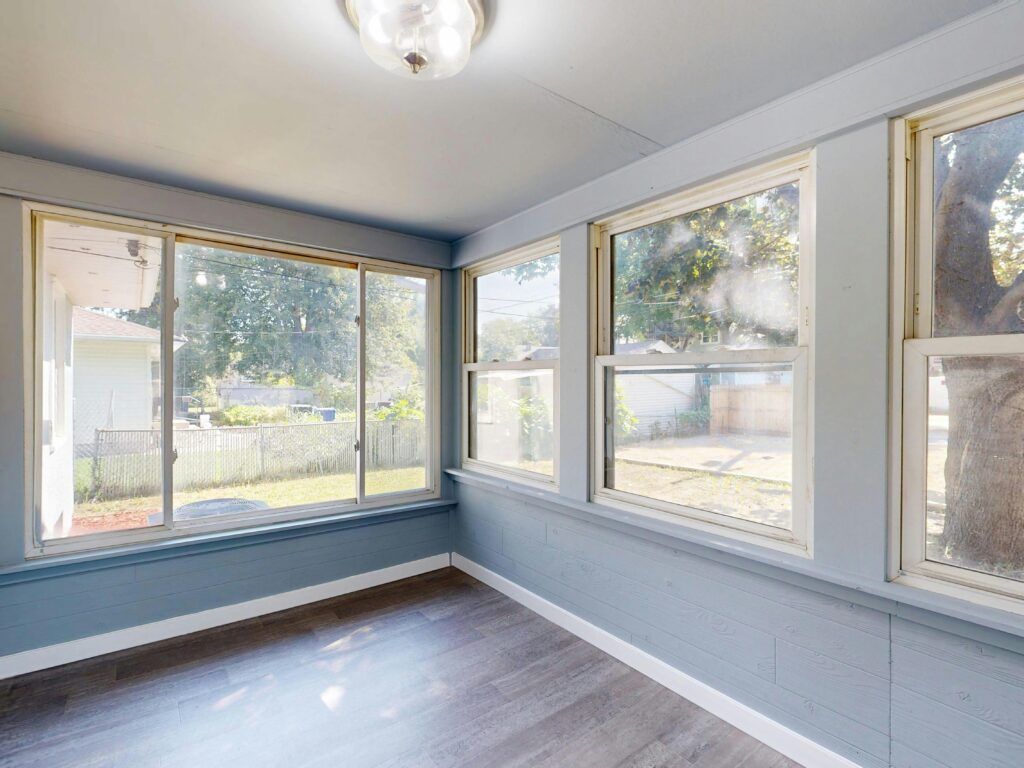
Imagine walking into a home that adapts to your every need , a space that grows with your family, transforms as your lifestyle changes, and even shifts its function throughout the day. Just a decade ago, this idea seemed like a far-off dream, but with Room Addition 2026, the future of flexible living spaces is becoming a reality today. Whether you’re dreaming about extra bedrooms, home offices, or multifunctional areas, understanding how room additions will evolve in 2026 and beyond can help you design a home that blends beauty, utility, and innovation.
In recent years, the concept of home expansion has undergone a remarkable transformation. No longer is a room addition simply about putting up four walls and a roof. Instead, it’s about crafting smart, adaptable environments that respond dynamically to modern living demands. Room Addition 2026 focuses on leveraging new technologies, sustainable materials, and innovative design principles to redefine what it means to create additional living space.
If you’ve ever thought, “How can I add a room that not only increases my home’s square footage but also offers versatility and efficiency?” this article is for you. We’ll explore how room additions in 2026 will be more than just space boosters, they’ll become integral parts of home automation systems, environmental sustainability strategies, and even wellness-focused design. You’ll learn about cutting-edge trends like modular construction, fold-away furnishings, and energy-efficient layouts that maximize natural light and airflow.
This blog will also delve into the practical side of room additions: How to plan your project to maximize value, comply with future building codes, and accommodate technologies such as smart climate control and integrated entertainment. We’ll offer insights into the challenges and opportunities that come with building flexible spaces that can serve multiple purposes, whether it’s a guest bedroom by night and a yoga studio by day, or a home office that converts to a virtual classroom.
By the end of this article, you’ll have a clear vision of what Room Addition 2026 truly means. More than just an architectural upgrade, it’s a lifestyle enhancement, helping you design a home that evolves with you. Ready to explore the future of your living space? Let’s dive in and discover how the next wave of room additions can open up a world of possibilities for your home and your life.
Key Takeaways: Room Addition 2026
- Room Addition 2026 focuses on flexibility, prioritizing multi-functional spaces that adapt to changing lifestyles such as remote work, wellness, and multigenerational living.
- Modern room additions go beyond extra square footage, integrating smart home technology, modular layouts, and automation to enhance daily living.
- Sustainability is a core pillar of Room Addition 2026, with eco-friendly materials, energy-efficient designs, and reduced environmental impact driving future home expansions.
- Modular construction and movable elements allow room additions to transform easily, serving different purposes throughout the day or across life stages.
- Smart technology integration—including climate control, lighting, connectivity, and security—turns room additions into intelligent, responsive living environments.
- Future-ready room additions increase property value, as buyers increasingly seek adaptable, tech-enabled, and energy-efficient homes.
- Planning for Room Addition 2026 requires futureproofing, ensuring compliance with evolving building codes and accommodating emerging technologies.
- Well-designed room additions support wellness and comfort, maximizing natural light, airflow, and acoustic control for healthier living spaces.
- Flexible room additions reduce long-term renovation costs, as adaptable spaces eliminate the need for repeated remodeling over time.
- Room Addition 2026 represents a lifestyle upgrade, transforming homes into living ecosystems that evolve alongside their owners.
Why Room Addition 2026 Is More Important Than You Think
As we look toward the future of home design, Room Addition 2026 is set to revolutionize the way we think about flexible living spaces. But what exactly is Room Addition 2026, and why should homeowners and architects be paying attention?
At its core, Room Addition 2026 refers to the upcoming trends, technologies, and design philosophies that will shape how extra rooms are added to homes over the next few years. Unlike traditional room additions, which often meant lengthy renovations and rigid designs, the 2026 approach emphasizes adaptability, sustainability, and technology integration to create spaces that can evolve with their occupants’ changing needs.
One of the most significant reasons Room Addition 2026 is important is because of shifting lifestyles. Recent studies show that over 50% of homeowners are now prioritizing flexible spaces that can serve multiple functions, whether it’s an office by day and a guest bedroom by night, or a workout room that doubles as a creative studio. This demand is driven by growing trends such as remote work, multigenerational living, and a focus on wellness at home.
The benefits of adopting Room Addition 2026 principles extend beyond functional versatility. For instance, incorporating eco-friendly materials and smart home technology can reduce energy consumption by up to 30%, according to data from the Department of Energy. This not only lowers utility bills but contributes positively to environmental sustainability. Moreover, homes with adaptive additions tend to increase property value, as potential buyers are drawn to spaces that can be customized effortlessly.
To illustrate the impact of Room Addition 2026, consider the case of the Johnson family from Seattle. With two teenagers and grandparents moving in, they needed extra space but didn’t want endless construction disrupting their daily lives. By opting for modular room additions equipped with smart climate control and movable walls, the Johnsons created a flexible family zone that easily transforms from a playroom to a quiet study area. Their project was completed in a fraction of the time and cost of a traditional addition, yet it perfectly suited their dynamic household.
In summary, the importance of Room Addition 2026 lies not just in adding square footage, but in creating living environments that adapt seamlessly to modern lifestyles. As the demand for flexible, sustainable, and tech-integrated spaces grows, embracing this future-focused approach will be key for homeowners who want to maximize comfort, efficiency, and value in their homes.
How to Plan and Execute a Room Addition in 2026: A Step-by-Step Guide
As we look ahead to 2026, the concept of room addition is evolving rapidly. The future of flexible living spaces demands thoughtful planning, smart technology integration, and sustainable design. Whether you’re adding a home office, expanding a family room, or creating a multi-functional area, mastering the process of room addition in 2026 will ensure your project meets modern needs and lifestyle trends.
Here’s a comprehensive step-by-step guide to planning and executing a successful room addition in 2026:
1. Assess Your Needs and Futureproof Your Space
Start by identifying the primary reason for your room addition. Are you expanding for increased family space, creating a home office, or building a wellness area? Consider how your needs might evolve over the next five to ten years. Flexible design is key:
– Multi-purpose rooms: Spaces that can transform, like a guest room that doubles as a yoga studio.
– Smart home compatibility: Plan wiring and infrastructure to support automation and IoT devices.
– Accessibility considerations: Prepare for aging in place by including wide doorways and minimal stairs.
2. Set a Realistic Budget and Explore Financing Options
Room additions in 2026 benefit from emerging technologies and sustainable materials, which may have higher upfront costs but pay off long-term. Break down your budget into:
– Design and planning fees
– Construction costs (materials, labor)
– Smart technology integration
– Permits and inspections
– Contingency reserve (usually 10-15%)
Explore financing options such as home equity loans, FHA renovation loans, or green home improvement grants that encourage sustainable upgrades.
3. Consult with Professionals Early On
To make your room addition in 2026 successful, early consultation with experts is vital:
– Architects and designers: They can create flexible, futureproof designs tailored to your lifestyle.
– Structural engineers: To ensure your home can support the addition safely.
– Contractors with smart home experience: They can integrate the latest technologies like smart lighting, climate control, and security systems.
4. Design for Sustainability and Energy Efficiency
Green building standards have become essential in 2026 room additions. Incorporate:
– High-efficiency insulation and windows to reduce energy consumption.
– Renewable energy integration, like solar panels or solar water heaters.
– Sustainable materials such as reclaimed wood or low-VOC paints.
– Energy-efficient appliances and HVAC systems that can be controlled remotely.
5. Obtain Necessary Permits and Ensure Compliance
Before breaking ground, make sure to:
– Submit detailed plans to your local building authority.
– Comply with zoning laws, setback requirements, and building codes.
– Schedule inspections at required milestones to avoid costly delays.
6. Choose Flexible Layouts and Modular Features
Room additions in 2026 should embrace flexibility:
– Use movable walls or sliding partitions to easily reconfigure the space.
– Incorporate built-in storage solutions that maximize space efficiency.
– Include convertible furniture that adapts to varying uses.
7. Plan for Integration with Existing Structures and Systems
A seamless blend of the new addition and your existing home ensures aesthetic harmony and functional efficiency:
– Match external materials and architectural styles.
– Integrate electrical, plumbing, and HVAC systems to avoid redundancies.
– Use smart home hubs to connect new technology with existing devices.
8. Monitor Construction Progress and Quality Control
Stay engaged during construction:
– Conduct regular site visits.
– Communicate frequently with your contractor.
– Address any issues immediately to maintain timelines and budget.
– Document progress with photos and notes.
9. Final Inspection and Post-Construction Adjustments
After completion:
– Schedule a final inspection for code compliance.
– Test all smart systems and troubleshoot any glitches.
– Move in and observe living patterns.
– Make adjustments to furniture placement or system settings to optimize comfort and usability.
Example Case: Adding a Smart Flex-Room in 2026
Imagine the Johnson family wants to add a 300-square-foot flex-room to their suburban home. They envision a space that functions as a home office by day, guest room by weekend, and mini gym for wellness. Following the steps above:
– The design includes foldable walls and a Murphy bed.
– Smart climate control adjusts room temperature automatically according to usage.
– High-performance insulation minimizes energy use.
– Permits were secured promptly, and the project finished on budget within four months.
This room addition in 2026 perfectly illustrates how flexibility, sustainability, and technology combine to meet future living needs.
By following this structured process, your room addition in 2026 won’t just add square footage; it will transform your home into a future-ready living space tailored for evolving lifestyles. Planning carefully and embracing innovation ensures your investment pays off in comfort, efficiency, and long-term value.
Tips for Maximizing Your Room Addition in 2026: The Future of Flexible Living Spaces
✅ Plan for Multi-Functionality: Design your new room to serve multiple purposes, like a guest bedroom that doubles as a home office, to maximize space and utility.
✅ Incorporate Smart Technology: Integrate smart lighting, climate control, and security systems to create a futuristic, convenient living environment.
✅ Use Modular Furniture: Opt for modular and foldable furniture that can be easily rearranged or stored away, enhancing flexibility in how the room is used.
✅ Focus on Sustainable Materials: Choose eco-friendly building materials for better energy efficiency and a smaller carbon footprint, aligning with 2026 green living trends.
✅ Maximize Natural Light: Incorporate large windows or skylights to boost natural lighting, improving mood and reducing electricity consumption.
✅ Consider Open-Concept Layouts: Avoid rigid walls where possible; use sliding or movable partitions to transform the space as needed.
✅ Optimize Storage Solutions: Use built-in shelves, under-floor storage, or hidden compartments to keep the room clutter-free and adaptable.
✅ Plan for Connectivity: Ensure strong Wi-Fi and plenty of charging stations to support the increasing number of devices used in flexible living spaces.
💡 Extra Tip: Consult with an architect who specializes in futuristic home designs to tailor your room addition to emerging living trends in 2026.
Key Concepts
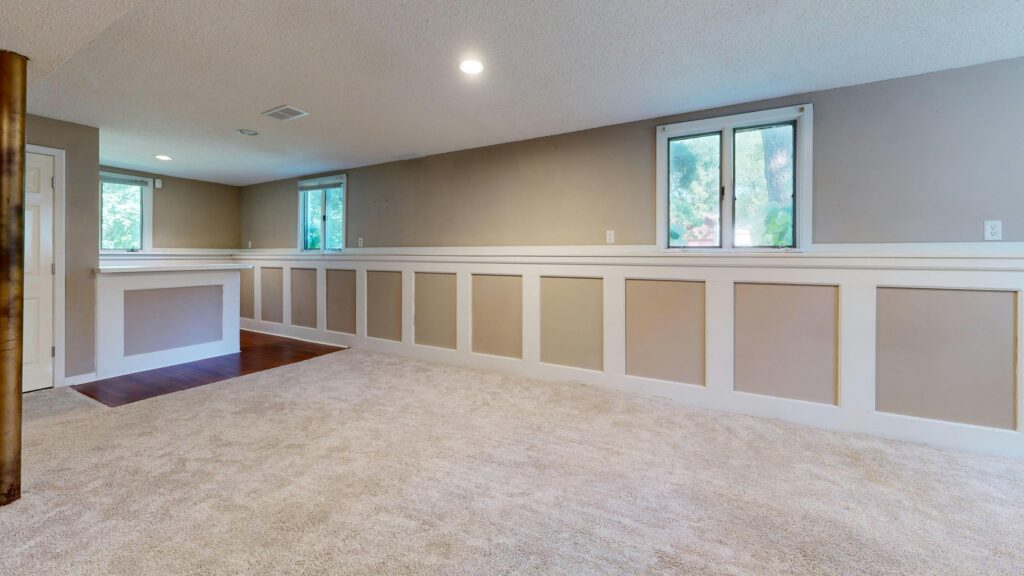
When we speak of Room Addition 2026, we are venturing into the frontier of architectural evolution, where the boundaries of living spaces stretch and reshape themselves according to the ever-changing rhythms of modern life. This phrase conjures the imagery of homes not as static structures, but as dynamic entities adapting effortlessly to future needs.
The Philosophy of Adaptability
At its core, Room Addition 2026 embodies a philosophy of adaptability. Imagine your home as a living organism, capable of growth and transformation like branches growing towards sunlight. Just as trees bend, stretch, and form new limbs to survive and thrive, room additions in 2026 represent more than brick and mortar, they symbolize the organic expansion of living environments that respond to fluctuating lifestyle demands.
This concept shakes the traditional notion that a home is fixed in design. Instead, it suggests the home as a canvas of fluid potential, where one day a quiet reading nook might blossom into an office, the next a nursery, or a social hub. This fluidity is vital in a world where technology, work, and social dynamics are in rapid flux.
Multifunctionality as a Design Ethos
The essence of Room Addition 2026 extends beyond merely adding square footage; it involves rethinking space’s functionality. It’s a future where walls and rooms are not confined to single purposes. Here, spaces undertake multiple identities, reminiscent of how a Swiss Army knife morphs to meet different needs, a blade, a screwdriver, a scissors, all housed compactly in one tool.
For instance, a newly added room might be designed with retractable walls, smart furniture, or modular components that convert with ease. It’s the principle of living spaces that breathe with you, adjusting as seasons, family structures, or work patterns evolve. The potential for personalization is unlimited, making each addition a bespoke response rather than a cookie-cutter expansion.
Integration of Technology and Space
Another cardinal idea tied to Room Addition 2026 lies in the seamless integration of technology within architectural additions. Smart homes, already a buzzword, stretch into this future with advancements that blend connectivity, sustainability, and intuitive controls into the very fabric of the room.
Imagine a room that senses your presence and adjusts lighting, temperature, and ambiance automatically. Or picture materials embedded with sensors that optimize energy use while maintaining comfort and durability. The room addition becomes a microcosm of advanced living, an intersection where cyber meets concrete, enabling a lifestyle that is both efficient and enriching.
Sustainability as a Root Principle
The vision embedded in Room Addition 2026 cannot ignore the environmental imperatives shaping our era. Sustainability is no longer a mere option but a foundational element. Conceptually, additions will borrow from eco-conscious design philosophies, inspired by ecosystems that recycle and regenerate endlessly.
Materials will be selected not only for durability but for their minimal environmental footprint, reclaimed wood, recycled metals, or even living walls that purify air and moderate climate. The addition transforms from a simple expansion to a statement of stewardship, where every component echoes a commitment to planetary health.
Emotional and Psychological Dimensions
Beyond the physical and technological attributes of Room Addition 2026, there is a profound emotional narrative at play. Expanding one’s home is deeply intertwined with notions of security, identity, and belonging. In this sense, each room addition becomes a chapter in the family’s evolving story, spaces where memories will germinate and flourish.
Metaphorically, think of this as planting a seed in the soil of your life’s journey, a seed that grows into a sheltering tree offering comfort, inspiration, and sanctuary. The future room addition will not merely occupy space but will cultivate emotional resonance, a true extension of self.
The Social Fabric of Flexible Living
Finally, Room Addition 2026 reflects changing social dynamics and the breakdown of rigid roles and boundaries within domestic spaces. The idea heralds a future where the home is a hub for diverse activities, remote work, social connectivity, wellness, and creativity, often occurring simultaneously.
This multifaceted social fabric challenges architects and homeowners alike to envision additions that embrace openness without sacrificing privacy, that foster community within family units, yet accommodate solitude. The room becomes a stage where the theater of daily life unfolds dynamically, fluidly, and harmoniously.
In conclusion, Room Addition 2026 is much more than an architectural project, it’s a visionary leap toward homes as adaptive ecosystems, embedded with technology, sustained by ecological wisdom, and enriched by human emotion and social complexity. It sketches a future where living spaces flex with us, respond to us, and ultimately become living expressions of an evolving culture.
Frequently Asked Questions about Room Addition 2026: The Future of Flexible Living Spaces
❓ What is meant by “Room Addition 2026”?
“Room Addition 2026” refers to the emerging trends and innovative designs in home expansions set to become popular by the year 2026. It emphasizes creating flexible living spaces that adapt to evolving family needs and lifestyles.
❓ Why are flexible living spaces important in 2026?
As lifestyles change, flexible living spaces allow homeowners to easily modify rooms for different uses, such as home offices, guest rooms, or hobby areas, without needing a full renovation, making homes more functional and adaptable.
❓ What technologies will influence room additions in 2026?
Smart home integration, modular construction techniques, and sustainable materials will be key technologies. These innovations make room additions more efficient, eco-friendly, and customized to individual preferences.
❓ How can homeowners prepare for a room addition that meets future needs?
Planning with flexibility in mind is crucial. Consider multipurpose layouts, incorporate advanced electrical and network setups, and use materials that allow easy changes to the room’s function over time.
❓ Are room additions in 2026 expected to be more affordable than traditional expansions?
Thanks to advancements in modular building and prefab components, room additions in 2026 could be more cost-effective by reducing construction time and labor costs while maintaining high-quality standards.