
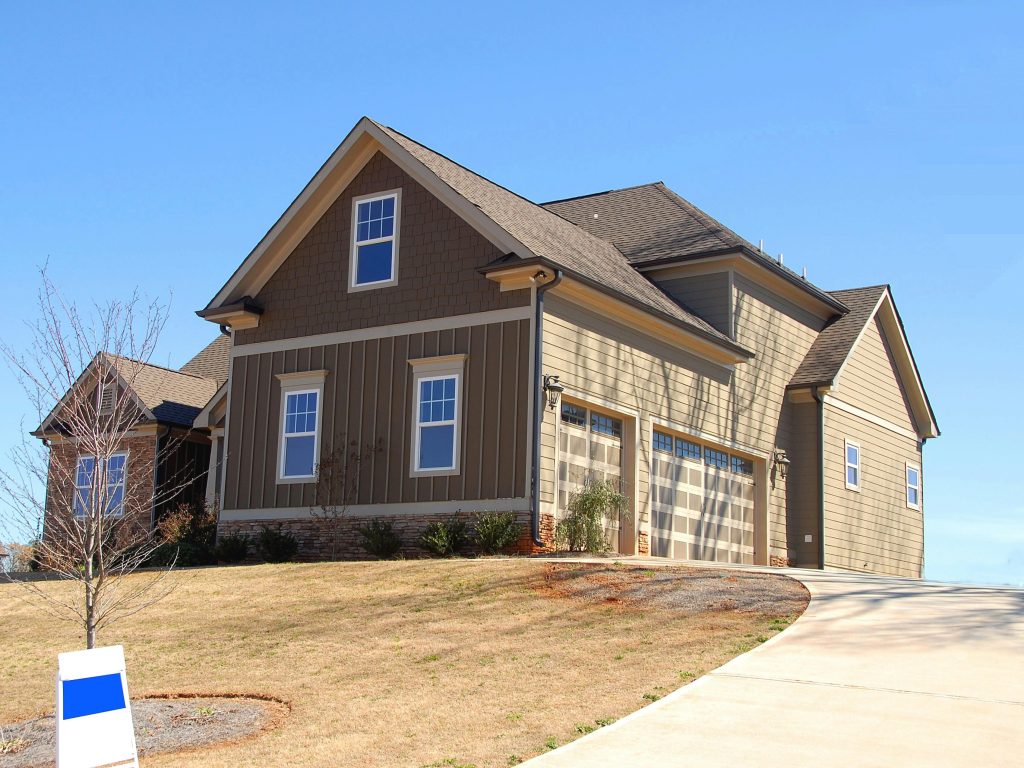
Imagine waking up one morning to find the aftermath of a fierce storm , fallen branches litter your yard, and your roof shows signs of distress. For many Maryland homeowners, this scenario is all too familiar. Maryland’s unpredictable weather, from heavy rains and snow to blistering heat and occasional hurricanes, can take a serious toll on residential roofs. Finding the best roofing solutions isn’t just a matter of aesthetics; it’s about protecting your home, your family, and your investment from the wrath of nature.
In this article, we will dive deep into the best roofing solutions specifically tailored for Maryland homes facing harsh weather conditions. Whether you’re battling the icy winters in the western parts of the state or the humid summers along the coast, selecting the right roofing materials and designs is crucial. You’ll learn about the most durable roofing materials, innovative installation techniques, and maintenance tips that can significantly extend your roof’s lifespan.
The best roofing solutions don’t just provide shelter; they offer peace of mind. We’ll explore modern options like impact-resistant shingles that withstand hail, metal roofs that resist corrosion and snow accumulation, and green roofing technologies that help regulate indoor temperatures during Maryland’s hot months. You’ll also gain insights into choosing professional roofing services that know the local climate challenges, ensuring your roof isn’t just built to last but optimized for your specific environment.
By the end of this read, you’ll be equipped with practical knowledge to make informed decisions about your roofing needs, reducing repair costs and enhancing your home’s resilience against Maryland’s often fickle weather. So, if you’re ready to safeguard your home with the best roofing solutions designed for Maryland’s tough climate, keep reading , your roof (and your peace of mind) will thank you.
Key Takeaways
- Best roofing solutions protect Maryland homes from unpredictable weather—heavy rain, snow, heat, and hurricanes.
- Selecting durable materials like metal, slate, or impact-resistant shingles ensures long-term protection and energy efficiency.
- Proper installation and underlayment are vital to resist leaks, wind uplift, and ice dam formation during harsh winters.
- Ventilation and insulation maintain structural health, improve comfort, and lower energy bills year-round.
- Effective water management systems—gutters, slopes, and flashing—prevent costly moisture damage.
- Routine maintenance and seasonal inspections extend roof lifespan and reduce repair expenses.
- The best roofing is not just protection—it’s a sustainable investment that enhances safety, comfort, and home value in Maryland’s climate.
Why Best Roofing Solutions Are Crucial for Maryland Homes Facing Harsh Weather Conditions
When it comes to protecting your home, the roof is the ultimate shield against nature’s fiercest elements. For residents of Maryland, where weather conditions can range from blistering summer heat to winter storms and everything in between, choosing the best roofing solutions isn’t just a matter of aesthetics, it’s a necessity for long-term safety, energy efficiency, and property value.
What Are Best Roofing Solutions?
Best roofing solutions entail selecting materials, installation techniques, and maintenance plans tailored to withstand the specific environmental challenges your home faces. In Maryland, this means investing in roofs that are durable against heavy rain, strong winds, ice, and even the occasional snowfall. It also involves opting for technologies or designs that improve insulation and energy efficiency given the state’s varied seasonal temperatures.
Why Is It So Important for Maryland Homes?
The importance of choosing the right roofing solutions in Maryland cannot be overstated. According to the National Oceanic and Atmospheric Administration (NOAA), Maryland experiences an average of 39 severe weather days annually, including thunderstorms, hurricanes, and winter storms. These conditions can cause significant wear and tear if the roof isn’t up to the challenge, leading to costly repairs, water damage, and potential safety hazards.
Moreover, the right roofing solution directly impacts your home’s energy consumption. Energy.gov highlights that a well-insulated, properly installed roof can reduce heating and cooling costs by up to 20%. This makes your home not only safer from physical damage but also more economical to maintain throughout the year.
Real-Life Success Story
Consider the example of the Anderson family in Baltimore. Several years ago, after facing repeated leaks and damage from intense summer storms, they invested in a comprehensive roofing upgrade using what experts consider best roofing solutions for Maryland’s climate. They chose a high-quality asphalt shingle roof with reinforced underlayment and opted for professional installation focusing on wind resistance and water shedding.
The results were transformative. Not only did their home withstand the next two hurricane seasons with no issues, but their energy bills dropped by 15%, and their home’s market value increased significantly. Their story exemplifies how selecting the best roofing solutions tailored to Maryland’s demanding weather pays off in safety, savings, and peace of mind.
In the following sections, we’ll dive deeper into what makes a roofing solution the “best” for Maryland homes, exploring materials, installation practices, maintenance tips, and how to identify reliable roofing contractors dedicated to protecting your home year-round.
How to Apply Best Roofing Solutions Step by Step for Maryland Homes Facing Harsh Weather Conditions
When it comes to protecting your Maryland home from harsh weather, applying the best roofing solutions is crucial to ensure durability, safety, and energy efficiency. Roofing is more than just placing shingles on a roof, it’s a strategic process that requires careful planning, materials selection, and skilled installation to withstand Maryland’s unique weather challenges such as heavy rain, snow, hail, and strong winds.
In this section, we will walk you through a detailed, step-by-step guide on how to apply the best roofing solutions tailored specifically for Maryland homes. Whether you are a homeowner looking to upgrade your roof or a professional roofer seeking best practices, this guide will help you execute the project effectively.
Step 1: Conduct a Thorough Roof Inspection and Assessment
Before selecting any roofing materials or starting repairs, a comprehensive inspection is essential. This involves:
– Checking for existing damage: Look for cracked, missing, or curling shingles, damaged flashing, and signs of water intrusion.
– Assessing roof structure: Ensure that the underlying roof deck is sound and free from rot or mold.
– Measuring roof pitch and layout: Maryland homes may have varied roof pitches; understanding them helps in selecting appropriate roofing solutions.
– Considering local weather impact: Identify which weather elements affect your roof the most, whether it’s wind-driven rain, ice dams, or hailstorms.
Tip: Hiring a certified roofing inspector or professional contractor ensures a precise assessment to avoid future problems.
Step 2: Choose Weather-Resistant and Energy-Efficient Roofing Materials
The best roofing solutions must include materials that withstand Maryland’s harsh climate cycles and improve energy efficiency:
– Asphalt shingles: Look for architectural or premium-grade shingles rated for high wind resistance (upwards of 110 mph), ideal for storm-prone areas.
– Metal roofing: Known for durability and excellent resistance to snow and ice, metal panels can last 40-70 years with minimal maintenance.
– Slate or tile: Great for longevity and aesthetic appeal but require reinforced roof structures.
– Synthetic roofing: Modern synthetics mimic natural materials and offer lightweight, impact-resistant alternatives.
Additionally, select materials with a cool roof rating to reflect sunlight and reduce cooling costs during Maryland’s warmer months.
Step 3: Prepare the Roof Surface for Installation
A well-prepared roof surface is key to the success of any roofing project:
– Remove old roofing materials: Strip away damaged or aged shingles to prevent layers that trap moisture.
– Repair the decking: Replace any compromised plywood or sheathing to provide a solid foundation.
– Install underlayment: Apply a waterproof underlayment or ice and water shield, especially around eaves and valleys, to prevent leaks caused by melting snow or heavy rain.
– Ensure proper ventilation: Add ridge vents or soffit vents to maintain air circulation, reducing heat buildup and preventing ice dams.
Step 4: Install Roofing Materials According to Best Practices
Executing proper installation ensures that your roofing solution performs optimally:
– Follow manufacturer guidelines: Each roofing product comes with recommended installation techniques to maximize warranty coverage and durability.
– Use corrosion-resistant fasteners: Roofing nails or screws should be galvanized or stainless steel to resist rust.
– Overlap shingles correctly: Proper staggering and sealing of shingles prevent wind uplift and water penetration.
– Seal all flashings and joints: Use high-quality sealants around chimneys, vents, skylights, and other roof penetrations.
Pro tip: Consider hiring licensed, experienced roofing contractors familiar with Maryland building codes and weather conditions.
Step 5: Implement Additional Weather Protection Features
For Maryland’s specific climate concerns, additional protective measures can enhance roof longevity:
– Ice dam protection: Install heated cables or enhanced insulation to prevent hazardous ice buildup.
– Impact-resistant shingles: Upgrade to Class IV impact-resistant shingles designed to withstand hail strikes.
– Gutter protection: Add gutter guards and downspout extenders to manage heavy rainfall efficiently.
– Storm straps and clips: Reinforce roof framing with metal straps to improve resistance against high wind uplift.
Step 6: Schedule Regular Maintenance and Inspections
Even the best roofing solutions need regular upkeep to maintain performance:
– Seasonal inspections: Check for damage after winter storms or heavy wind events.
– Clean debris: Remove leaves, branches, and moss to prevent moisture retention and shingle deterioration.
– Repair minor damage immediately: Fix loose shingles or flashing issues before they escalate into costly repairs.
– Check attic ventilation and insulation: Poorly vented attics can accelerate roof material aging.
Visual Example: Roofing Process Flowchart
Here is a simplified flowchart illustrating these steps:
Final Thoughts
Applying the best roofing solutions for Maryland homes requires a combination of smart material choices, proper preparation, expert installation, and ongoing maintenance. When done correctly, your roof will stand strong against the state’s most severe weather, protecting your investment and enhancing your home’s comfort and curb appeal for decades.
By following this step-by-step guide, you are well on your way to creating a resilient roof that embodies the highest standards of quality and durability suited specifically for Maryland’s harsh climate.
Tips for Finding the Best Roofing Solutions for Maryland Homes Facing Harsh Weather Conditions:
✅ Choose Impact-Resistant Materials: Opt for roofing materials like metal or architectural shingles that withstand hail, heavy rain, and strong winds common in Maryland.
✅ Prioritize Proper Installation: Ensure your roofing contractor follows manufacturer guidelines and local building codes to maximize durability against storms.
✅ Consider Enhanced Waterproofing: Use high-quality underlayment and sealants to protect your roof from frequent Maryland rainfall and prevent leaks.
✅ Schedule Regular Inspections: After severe weather events, inspect your roof for damage to catch problems early and avoid costly repairs.
✅ Invest in Ventilation and Insulation: Proper attic ventilation and insulation help maintain roof integrity and reduce ice dam formation in colder months.
✅ Reinforce Roof Structure: Strengthen rafters and trusses to improve resistance against heavy snow loads and wind uplift during Maryland’s harsh winters.
✅ Use Professional Storm Damage Assessments: Hire certified professionals for detailed roof evaluations to guide effective repair or replacement decisions.
✅ Check for Energy Efficiency: Select roofing solutions that offer energy-saving benefits to combat Maryland’s temperature fluctuations year-round.
💡 Extra tip: Look for roofing materials with strong warranties tailored for weather resistance, giving you peace of mind through Maryland’s unpredictable climate.
Key Concepts of Best Roofing Solutions
When we talk about the best roofing solutions for Maryland homes facing harsh weather conditions, we are delving into a realm where resilience, precision, and thoughtful design converge to protect what matters most: the sanctity and safety of a home. Maryland, known for its unpredictable blend of hot summers, frigid winters, pounding rains, and icy storms, demands roofing systems that are not just functional, but virtually guardians against the relentless elements. Understanding these roofing solutions requires peeling back layers of materials technology, architectural strategy, and climatic adaptation.
The Roof as a Shield and Storyteller
Imagine a roof as the silent sentinel of a home, a steadfast guardian against nature’s whims. But just as armor must be tailored to the battlefield, roofing must be meticulously chosen and crafted for Maryland’s unique weather story. The best roofing solutions are those that narrate a tale of endurance, weaving together durability, energy efficiency, and smart water management into a unified defense system.
Weather-Responsive Materials: Nature’s Counterpart
A foundational concept in selecting roofing solutions is material adaptability. Consider how a chameleon changes its colors to survive; roofing materials similarly must “adapt” to soaring summer heat, downpours, and icy conditions. From architectural shingles that mimic natural slate and wood but offer superior longevity, to metal roofs known for their resilience and ability to shed snow effortlessly, the choice of material is akin to choosing armor that can flex without breaking.
Certain materials inherently possess traits that mirror nature’s own responses:
– Asphalt Shingles: Much like deciduous trees shed leaves in autumn to conserve resources, asphalt shingles are designed to be replaced periodically, offering flexibility and cost-effectiveness without permanent commitment.
– Metal Roofing: With a reflective property akin to the silvery surface of some desert creatures, metal roofs bounce back the sun’s heat, preventing energy drain while repelling rain and snow.
– Slate and Tile: These materials echo the strength and heaviness of stone, providing a robust shield yet requiring a foundation capable of bearing their weight, highlighting the interconnectedness of roof and structure.
Structural Integrity: The Invisible Backbone
Just as the human skeleton underpins movement and stability, the roof’s structure, rafters, trusses, and decking, forms an invisible backbone critical to weather resistance. Without robust structural integrity, even the finest materials falter. Maryland’s snow loads and wind velocities create stresses that only well-designed framing can absorb and distribute.
This dynamic is similar to how suspension bridges flex and sway rather than snap when faced with strong winds. A roof designed with proper ventilation and underlayment not only withstands pressure but also prevents moisture buildup, which can silently corrode its very foundation.
Thermal Performance and Energy Flow
Think of a home’s roof as a thermal cloak, wrapping the interior in a protective layer to maintain comfort. The best roofing solutions incorporate insulation and reflective properties that act like a thermostat dial. In summer, they reflect radiant heat, much like a white polar bear’s fur reflects sunlight, reducing cooling costs. In winter, they trap warmth efficiently, much like the insulated fur beneath the bear’s exterior.
This thermal management is crucial in Maryland’s climate, where temperature swings demand roofing that can minimize energy consumption without sacrificing comfort.
Water Management: The Art of Controlled Flow
Roofing is not just about keeping water out; it is about controlling its journey. Imagine the roof as a choreographed dance of water droplets, where gutters, shingles, and slopes perform a coordinated routine to direct rain and melting snow away from the home’s foundation.
The best roofing solutions master this choreography by incorporating:
– Sloped designs that ensure gravity aids water runoff.
– Proper flashing techniques acting like strategic seals, much like caulking in a boat, preventing leaks in vulnerable seams.
– Advanced underlayments that serve as a second line of defense, akin to a raincoat beneath a jacket.
Without precise water management, roofs become arenas for mold, rot, and costly damage, turning the home’s shield into a liability.
Longevity and Life Cycle Perspective
Roofing should be viewed as an investment across time, not merely a single purchase. This perspective is like tending a perennial garden rather than planting annuals: the goal is sustainable, long-lasting protection that balances upfront cost with future savings.
Best solutions encompass materials and designs that promise decades of service with minimal maintenance, such as:
– Durable slate roofs, which can last over a century, symbolizing timeless endurance.
– Architectural asphalt shingles, blending affordability with a lifespan that fits typical household cycles.
– Metal roofs, which often outlast the home’s other elements, embodying the idea of sturdy guardianship.
Integration with Maryland’s Environmental Realities
Finally, the essence of the best roofing solutions lies in seamless integration with local realities. Maryland’s mixture of humid summers and freezing winters, combined with occasional hurricanes or snowstorms, requires roofs that perform as reliable protagonists in an ongoing, evolving drama, steadfast yet adaptable.
This can be likened to a masterful orchestra, where each roofing component, material, structure, insulation, and water management, plays its part in harmony with the climate’s tempo, orchestrating protection and comfort through every season.
In conclusion, the concept of best roofing solutions for Maryland homes facing harsh weather conditions transcends simple material choice or architectural style. It embodies a holistic understanding of weather dynamics, material science, structural engineering, thermal regulation, and water control. Each roof tells a story, a narrative of resilience and intelligent design that ensures a home remains a refuge no matter the storm.
Frequently Asked Questions
❓ What makes a roofing solution the “best” for Maryland homes?
The best roofing solutions for Maryland homes are those designed to withstand the region’s harsh weather, including heavy snow, strong winds, and intense rain. Materials like metal roofing, architectural asphalt shingles, and impact-resistant tiles are popular choices because they offer durability, weather resistance, and energy efficiency.
❓ How can I tell if my current roof is suitable for Maryland’s severe weather?
Look for signs such as missing shingles, leaks, or cracked tiles. If your roof shows wear after storms or has poor insulation against temperature swings, it may not be the best solution. Consulting a professional roofing contractor can help assess your roof’s condition and recommend upgrades suited to Maryland’s climate.
❓ Are there specific roofing materials that perform better in Maryland’s climate?
Yes, metal roofs are highly recommended as they resist snow buildup and strong winds. Architectural asphalt shingles with high wind and impact ratings also perform well. Additionally, synthetic slate or tile roofs can offer superior durability and aesthetic appeal while handling Maryland weather challenges.
❓ How often should I maintain or replace my roof to ensure it remains effective against harsh weather?
Regular maintenance is crucial; ideally, roofs should be inspected twice a year, especially after winter and storm seasons. Most roofs last 20-30 years, but harsh weather can reduce this lifespan. Timely repairs and preventive maintenance extend your roof’s effectiveness as one of the best roofing solutions for Maryland homes.
❓ Can improving insulation be part of the best roofing solutions for dealing with Maryland’s weather?
Absolutely. Proper insulation and ventilation beneath the roofing materials help regulate indoor temperatures and prevent ice dams during winter. Incorporating foam insulation or reflective roofing materials can enhance energy efficiency and protect your home against extreme weather fluctuations.