
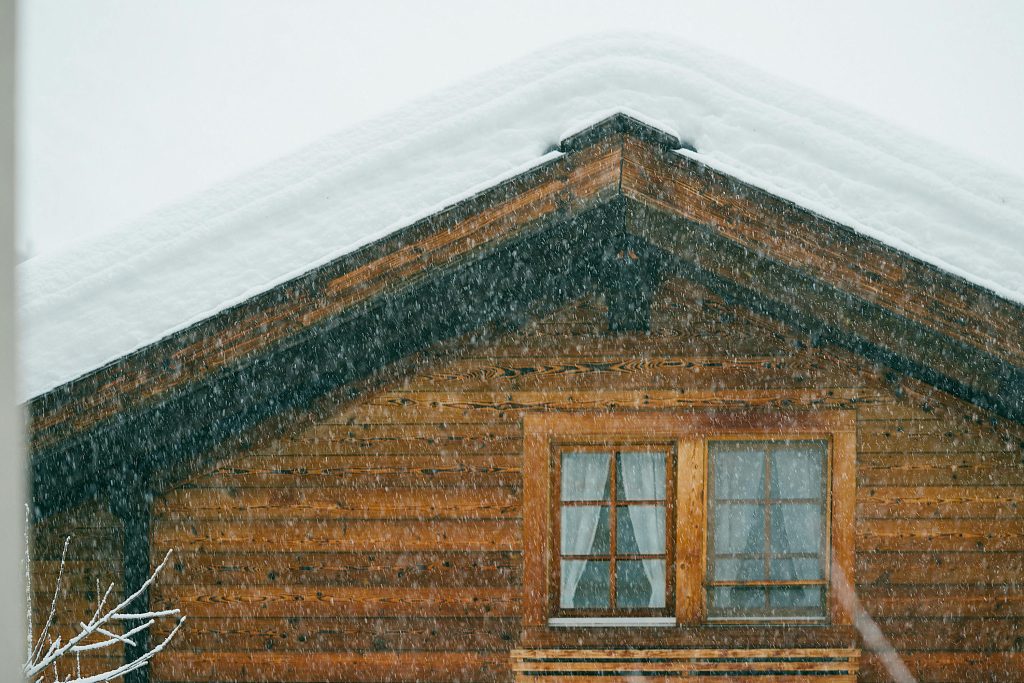
Imagine waking up to a relentless storm pounding against your home’s exterior. Maryland’s unpredictable weather, marked by heavy rains, gusty winds, and drastic temperature swings, can take a serious toll on even the sturdiest houses. For homeowners looking to protect their investment, the importance of durable siding installation becomes crystal clear. It’s not just about aesthetics; it’s about safeguarding your home’s structure and comfort through every season.
A few years ago, a friend of mine in Baltimore faced a nightmare scenario. After a particularly violent storm that brought intense rain and wind, her home’s siding showed alarming signs of wear, cracks, warping, and even water seepage. She realized her old siding simply wasn’t built to withstand Maryland’s challenging climate. This experience taught her, and now, I want to share with you, that selecting the right materials and ensuring expert, durable siding installation can save you from costly repairs and headaches down the line.
In this article, you’ll learn everything you need to know about durable siding installation tailored specifically for Maryland’s unique weather patterns. From understanding which materials stand strong against moisture and temperature fluctuations to practical installation techniques that enhance longevity, this guide will equip you with valuable insights. We’ll also explore why professional installation matters and how it can make the difference between siding that lasts decades versus siding that fails after just a few storms.
By the end of this guide, you’ll be confident in choosing the perfect siding solution and installation approach that ensures your home remains resilient no matter what Mother Nature throws at it. Say goodbye to worries about wind-driven rain, seasonal freeze-thaw cycles, and unexpected temperature spikes. Instead, welcome a home exterior that not only looks great but also endures, thanks to durable siding installation designed specifically with Maryland’s environment in mind.
Stay with me as we dive into the critical factors that make siding durable, the best materials for Maryland’s climate, and how you can ensure your siding installation is executed flawlessly for lasting peace of mind.
Key Takeaways
- Maryland’s unpredictable rain, wind, and temperature swings demand Durable Siding Installation built to endure year-round exposure.
- Proper siding installation prevents water intrusion, warping, and cracking—protecting your home’s structure and insulation.
- The best materials for Maryland’s climate include fiber cement, engineered wood, vinyl, and metal siding for optimal durability and moisture resistance.
- Professional installation ensures correct sealing, fastening, and ventilation—critical to withstand storms and prevent costly future repairs.
- A Durable Siding Installation enhances curb appeal, reduces maintenance costs, and boosts energy efficiency for lasting home protection.
Why Durable Siding Installation Is More Important Than You Think for Maryland Homes
When it comes to protecting your home, especially in a place like Maryland, investing in durable siding installation is not just a matter of curb appeal, it’s a critical shield against the elements. Maryland’s unique climate, characterized by heavy rain, strong winds, and wide temperature fluctuations, demands siding that can withstand these challenging conditions year-round. But what exactly is durable siding installation, and why should every Maryland homeowner prioritize it?
Durable siding installation refers to the expert process of fitting high-quality, long-lasting exterior siding materials on a building’s exterior. Unlike standard siding options, durable siding is designed to resist damage from moisture, impact, and temperature changes. This ensures your home remains protected, energy-efficient, and visually appealing over time. Proper installation techniques guarantee the siding performs optimally, preventing leaks, cracks, and other costly problems that can arise from inferior work.
Statistically, homes with professional durable siding installation in regions similar to Maryland experience up to 30% fewer moisture-related repairs. According to the Vinyl Siding Institute, properly installed durable siding can extend the lifespan of your home’s exterior by 20 to 40 years, an essential factor given Maryland’s humid summers and harsh winters.
To put the importance into perspective, consider the story of the Johnson family from Annapolis. After suffering repeated damage from Baltimore’s notorious nor’easters, they decided to invest in professional durable siding installation using fiber cement siding. Not only did this choice dramatically reduce the frequency and cost of exterior repairs, but it also improved their home’s energy efficiency, lowering their heating and cooling bills by nearly 15%. Over time, their home became a resilient fortress against Maryland’s unpredictable weather.
In essence, durable siding installation is much more than a home improvement upgrade; it’s a strategic investment that safeguards your home’s structure, appearance, and value, especially in a climate as demanding as Maryland’s. In the next sections, we’ll explore how to choose the best materials and the installation practices that ensure your siding stands strong through every rainstorm, wind gust, and seasonal temperature swing.
How to Apply Durable Siding Installation Step by Step to Withstand Maryland’s Rain, Wind, and Temperature Swings
Installing durable siding that can endure Maryland’s challenging weather, characterized by heavy rain, gusty winds, and fluctuating temperatures, requires precision, high-quality materials, and a thorough understanding of the process. Here’s a step-by-step guide to help you achieve a siding installation that not only looks great but stands the test of time.
1. Choose the Right Durable Siding Material
Before diving into installation, selecting the right siding material is crucial. In Maryland, siding must resist moisture, withstand strong winds, and expand or contract without cracking due to temperature swings. Some of the most durable siding materials ideal for this climate include:
– Fiber Cement Siding: Highly resistant to rot, insects, and warping.
– Vinyl Siding: Offers excellent moisture resistance and flexibility.
– Engineered Wood Siding: Provides natural aesthetics with enhanced durability.
– Metal Siding (Aluminum or Steel): Resilient against extreme weather and fire-resistant.
Tip: Consult with a local supplier or contractor to understand which material brands or types have demonstrated success in Maryland.
2. Prepare the Wall Surface Thoroughly
Proper wall preparation ensures that siding adheres correctly and protects your home effectively.
– Inspect the Existing Wall: Check for any rot, mold, or damage to the sheathing or framing.
– Remove Old or Damaged Siding: Strip away old materials to expose a clean, stable base.
– Install a Weather-Resistant Barrier: This layer (like house wrap) prevents water infiltration while allowing vapor to escape, critical in Maryland’s humid climate.
– Seal Penetrations: Use flashing tape around windows, doors, and corners to prevent leaks.
Visual Example: A diagram showing layers: exterior siding, weather-resistant barrier, wall sheathing, and framing.
3. Measure and Cut Siding Panels Accurately
Precision in measuring and cutting maintains the integrity of siding installation.
– Measure Each Wall Section: Account for corners, windows, doors, and vents.
– Cut Panels with the Right Tools: Use circular saws with fine-toothed blades for clean edges.
– Allow for Expansion: Leave a small gap (usually 1/8 inch) between panels and trim to accommodate temperature-related expansion.
Pro Tip: Label each cut piece to speed up installation and ensure correct placement.
4. Install Siding Panels Using Proper Techniques
How you fasten siding panels affects durability, especially under Maryland’s wind and rain conditions.
– Use Galvanized or Stainless Steel Nails/Screws: These resist rust and corrosion.
– Fasten in the Right Places: Avoid nailing too tightly; siding should hang loosely enough to expand without buckling.
– Overlap Panels Correctly: Overlaps direct water away from the structure, preventing seepage.
– Work from Bottom to Top: This ensures proper water runoff and easier alignment.
5. Seal and Finish Edges, Joints, and Openings
Sealing is the final defense against moisture and wind infiltration.
– Apply High-Quality Caulking: Use exterior-grade, paintable caulk around windows, doors, and corners.
– Install Flashing at Key Points: Flashing diverts water away from vulnerable areas.
– Check for Gaps: Even small openings can compromise siding performance in Maryland’s weather.
– Paint or Finish as Needed: Some siding materials require protective coatings to maintain longevity.
6. Inspect and Maintain Regularly
Durable siding installation doesn’t end with the final nail. Regular inspections and maintenance extend its lifespan.
– Schedule Annual Inspections: Look for signs of damage, loose panels, or failing seals.
– Clean Gently: Use mild detergent and water to remove dirt and mildew without damaging the siding.
– Address Issues Promptly: Repair or replace damaged sections before problems escalate.
Example Case Study: Durable Siding Installation on a Maryland Home
Before: A Maryland homeowner struggled with moisture damage on their traditional wood siding, leading to rot and costly repairs.
Process: After selecting fiber cement siding, the contractor prepared the wall with a high-grade house wrap, installed the siding with proper nailing techniques, and sealed all edges meticulously.
Outcome: The home now withstands heavy downpours and strong winds without any leaks, while temperature fluctuations no longer cause siding deformation.
Visual Aid: Step-by-Step Infographic
Image Description: An infographic illustrating each step from selecting materials to final inspection, highlighting key Maryland weather considerations like rain deflection and wind resistance.
Following these detailed steps for durable siding installation ensures that your home remains protected through Maryland’s rain, wind, and variable temperatures. By prioritizing quality materials, meticulous preparation, and expert techniques, you invest in a siding system that works hard, so you don’t have to.
Tips for Durable Siding Installation to Withstand Maryland’s Rain, Wind, and Temperature Swings:
✅ Choose Weather-Resistant Materials: Opt for siding materials like fiber cement or engineered wood that resist moisture and temperature changes for lasting durability.
✅ Install Proper Weather Barriers: Use high-quality house wraps and vapor barriers beneath the siding to prevent water infiltration and mold growth.
✅ Seal All Seams and Joints: Apply durable caulk and flashing around windows, doors, and corners to block wind-driven rain and drafts effectively.
✅ Ensure Proper Ventilation: Incorporate vents and breathable sidings to allow moisture to escape, preventing warping or rot caused by humidity.
✅ Secure Siding with Strong Fasteners: Use corrosion-resistant nails or screws recommended for your siding type to withstand Maryland’s strong winds.
✅ Maintain Consistent Expansion Gaps: Account for thermal expansion and contraction during installation to avoid cracking or buckling in temperature swings.
✅ Regularly Inspect and Repair: Schedule seasonal checks to spot loose panels or damaged seals early, ensuring your siding continues to perform through harsh weather.
✅ Hire Experienced Professionals: Work with installers familiar with Maryland’s climate to guarantee correct installation techniques tailored for durability.

Key Concepts
When diving into the world of durable siding installation, it’s crucial to understand the interplay between materials, environmental conditions, and installation techniques. Maryland’s climate, often characterized by heavy rains, strong winds, and dramatic temperature fluctuations, presents unique challenges that any successful siding installation must address. Let’s explore the essential concepts that underpin a siding system’s capacity to endure and protect a home through such demanding weather.
The Nature of Durability in Siding: Beyond Surface Toughness
Durability in siding is often mistakenly equated solely with “hardness” or “thickness.” Imagine siding as the outer skin of a building , just as human skin protects internal organs from external elements, siding shields the structural integrity of a home from the harsher realities of weather. However, a durable siding must be flexible enough to expand and contract with temperature swings without cracking, resilient enough to resist physical impacts from windborne debris or hail, and impervious to moisture infiltration caused by relentless rains.
In Maryland, where sudden storms can drench a home, the siding’s waterproofing ability is a silent guardian. This involves not only the choice of material but also the installation quality , gaps or misaligned panels can become gateways for water, leading to rot and mold beneath the surface, much like how a small crack in a dam can lead to catastrophic breaches over time.
Materials: The Backbone of Longevity
Durable siding materials each tell their own story of resilience. Consider vinyl siding , prized for its water resistance and relatively low maintenance, it acts much like modern rain gear: a lightweight, flexible shield that can repel water effectively, but it needs to be installed precisely, lest it warp with heat or lose effectiveness under pressure from strong winds.
Fiber cement siding paints a different picture , this material embodies a hybrid of natural minerals and cementitious materials, reminiscent of a sturdy stone wall. It breathes better and holds up to impact and fire, making it suited for Maryland’s diverse weather patterns. Yet, its heavier, rigid nature demands a robust installation method that can accommodate its thermal expansion without compromising attachment to the building.
Wood siding, while charming and classic, is analogous to a tent in a forest , beautiful and natural, but vulnerable if not regularly maintained and protected by sealants or paint against water and pests. Its inherent hygroscopic nature means it absorbs moisture, so durability here is a dance between nature’s beauty and human intervention.
Thermal Movement: The Invisible Force Shaping Siding Performance
Maryland’s frequent temperature swings, from cold winters to hot summers, bring about continuous expansion and contraction of siding materials, a concept often invisible but critical in siding longevity. This cyclical movement is similar to a muscle constantly flexing and relaxing; siding must be able to breathe and shift without losing its structural cohesion.
If the siding is rigid and installed too tightly, thermal stress accumulates, causing warping, buckling, or cracking , much like how a tree branch breaks when bent too far. Thus, allowing for controlled movement through appropriate fastening strategies and material selection is a cornerstone of durability.
Wind Resistance: Holding Firm Against Nature’s Blows
Wind’s unpredictable fury can be likened to an adversary constantly testing the siding’s fortitude. Maryland’s coastal proximity means occasional gusts and storms present mechanical stress that must be accounted for at the installation stage. Proper anchoring of siding panels is paramount, akin to the deep roots anchoring a tree to the ground during a storm.
This mechanical bonding between siding and structure prevents panels from peeling away or becoming dislodged, which would expose the underlying building envelope to the elements. Thus, understanding wind loads and the siding manufacturer’s specifications for fasteners, spacing, and overlap is an essential conceptual pillar.
Moisture Management and the Building Envelope
Durability is inseparable from moisture control. Siding is not merely a decorative façade; it is a crucial element in the building’s broader drainage plane. Picture a carefully layered system where each component, from the siding itself to house wrap and flashing, works harmoniously, channeling rainwater away like waterways guiding streams out of a valley.
If this layering fails, moisture can be trapped behind the siding, turning what should be a protective barrier into a moisture trap. Over time, this can degrade wood framing, insulation, and interior finishes , silently undermining the home’s comfort and safety. Effective siding installation integrates this moisture management philosophy at its core.
The Subtle Art of Precision and Seam Alignment
Finally, durability hinges on the seemingly mundane but vitally important art of precision during installation. The alignment and sealing of each siding piece form the building’s metaphorical armor. Like the interlocking scales of a mythical dragon’s hide, correctly overlapped and sealed siding provides seamless protection, preventing infiltration by water and wind.
Seams and joints act as potential weak points; improper sealing can undermine even the most robust materials. This highlights why understanding each material’s installation nuances isn’t just technical detail, it’s a foundation for endurance.
To encapsulate, durable siding installation amidst Maryland’s harsh weather is a symphony of material science, mechanical engineering, and environmental savvy. It is a dynamic dialogue between the home and the natural forces of rain, wind, and temperature shifts, a story of resilience written panel by panel, securing shelter and peace of mind through seasons of challenge.
Frequently Asked Questions
❓ What is durable siding installation, and why is it important for Maryland homes?
Durable siding installation involves fitting siding materials that can resist harsh weather conditions such as heavy rain, strong winds, and temperature fluctuations. For Maryland homes, this type of installation is crucial because the state’s climate presents frequent rainstorms, wind gusts, and seasonal temperature swings that can damage less resilient siding.
❓ Which types of siding materials are best for withstanding Maryland’s climate?
Materials like fiber cement, vinyl, and engineered wood are commonly recommended for Maryland because they offer durability, water resistance, and the ability to expand and contract without cracking. Proper installation ensures these materials perform optimally despite rain and temperature changes.
❓ How does professional siding installation improve durability?
Professional siding installation ensures that all panels are correctly sealed, fastened, and aligned to prevent water infiltration and wind damage. Experienced installers also account for Maryland’s specific weather challenges by using techniques and materials suited to withstand rain and temperature swings.
❓ Can durable siding installation help lower home maintenance costs in Maryland?
Yes. Installing high-quality, weather-resistant siding reduces the need for frequent repairs or replacements caused by water damage, warping, or wind wear. This means homeowners in Maryland can save money and time on upkeep, thanks to the increased lifespan of durable siding.
❓ How long does durable siding installation typically last in Maryland’s climate?
With proper installation and maintenance, durable siding can last 30 years or more in Maryland. The key is choosing the right siding material and ensuring it’s installed by professionals familiar with local weather demands. Regular inspections and upkeep will also extend the siding’s effectiveness against rain, wind, and temperature swings.