
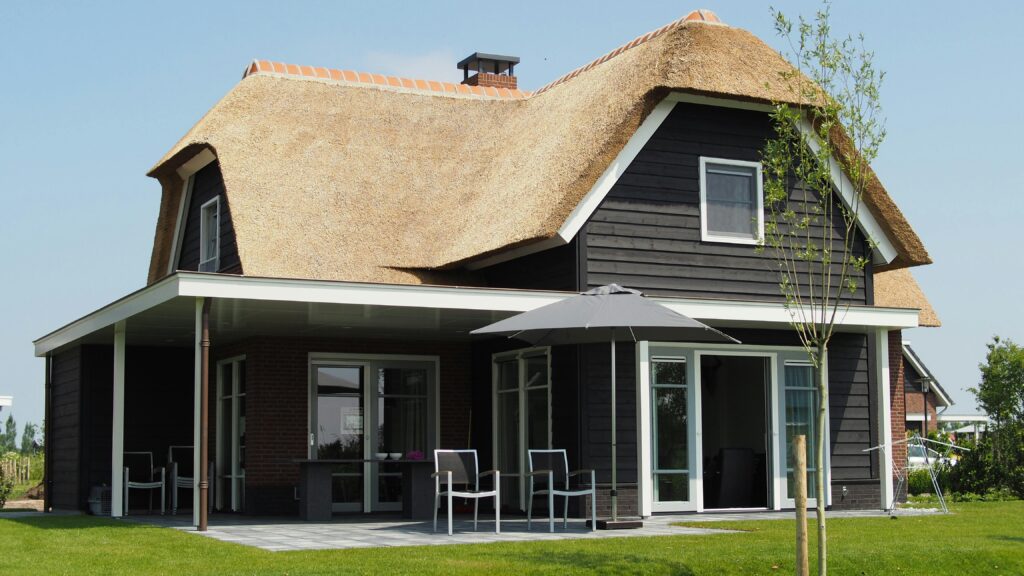
After a torrential Maryland rainstorm, many homeowners discover damp spots on walls, drafts, and moisture creeping behind their siding—clear signs the exterior isn’t built to handle the state’s unpredictable conditions. Maryland’s high humidity, frequent rainfall, and cold winters can quickly damage exterior surfaces when siding materials are low-quality or installed incorrectly. Poor installation increases the risk of water intrusion, mold growth, and reduced energy efficiency, turning a simple upgrade into an expensive problem.
This article explains what makes siding installation in Maryland truly durable. It highlights how to choose materials that perform well in both humid and cold weather, outlines essential installation techniques that prevent moisture penetration, and breaks down the factors that lead to long-lasting protection. Whether you’re a homeowner looking to improve curb appeal, comfort, and durability, or a contractor aiming to refine your craft, the guide provides practical, actionable advice.
By the end, you’ll understand that siding isn’t just a cosmetic layer—it’s a critical system that protects your home, supports energy savings, and maintains indoor comfort year-round. With the right materials, proper methods, and local climate awareness, you can make confident decisions and ensure your home stays resilient and attractive through Maryland’s changing seasons.
Key Takeaways
- Maryland’s humidity, heavy rain, and freeze-thaw winters demand climate-ready siding and expert installation.
- Poor siding work can lead to leaks, mold, and higher heating/cooling costs.
- The best results come from the right material + proper moisture barriers + precise sealing and flashing.
- Durable siding boosts comfort, protects your investment, and improves energy efficiency year-round.
Why Maryland Siding Installation Is More Important Than You Think
When you think about protecting your home in Maryland, siding installation often doesn’t top the list of priorities. However, with Maryland’s unique climate, characterized by humid summers, heavy rainfall, and frigid winters, choosing the right siding isn’t just a cosmetic decision; it’s a crucial investment in your home’s durability and energy efficiency.
What Is Siding Installation?
Siding installation refers to the process of adding an exterior layer of material, such as vinyl, fiber cement, wood, or composite panels, onto the outside walls of a house. This layer acts as a protective shield against weather elements, pests, and general wear and tear. In Maryland, the correct siding installation can significantly reduce the damaging effects of moisture and temperature fluctuations.
Why Maryland’s Climate Makes Expert Siding Installation Essential
Maryland experiences an average annual rainfall of around 43 inches, with humidity levels often soaring past 70% in the summer months. Such moisture can penetrate poorly installed or low-quality siding, leading to mold growth, wood rot, and even structural damage. Moreover, Maryland winters can dip below freezing, subjecting homes to repeated freeze-thaw cycles that cause expansion and contraction in building materials, if siding is inadequately installed, it can crack or warp, inviting further damage.
According to a study by the National Association of Home Builders, homes with professionally installed, weather-appropriate siding can reduce energy consumption for heating and cooling by up to 20%. This means that investing in quality Maryland siding installation not only preserves your home but also puts money back in your pocket in the long run.
A Real-Life Story: The Thompson Family’s Siding Success
The Thompson family in Baltimore had old siding that let in moisture during humid summers and offered little protection in winter. After working with a local contractor familiar with Maryland’s climate, they installed fiber cement siding designed for moisture resistance and better insulation. Within a year, they saw lower energy bills and stopped dealing with damp walls, gaining peace of mind despite the state’s unpredictable weather. Their case shows siding in Maryland isn’t just for curb appeal—it’s a protective barrier against humidity, heavy rain, and cold, delivering comfort and long-term savings.
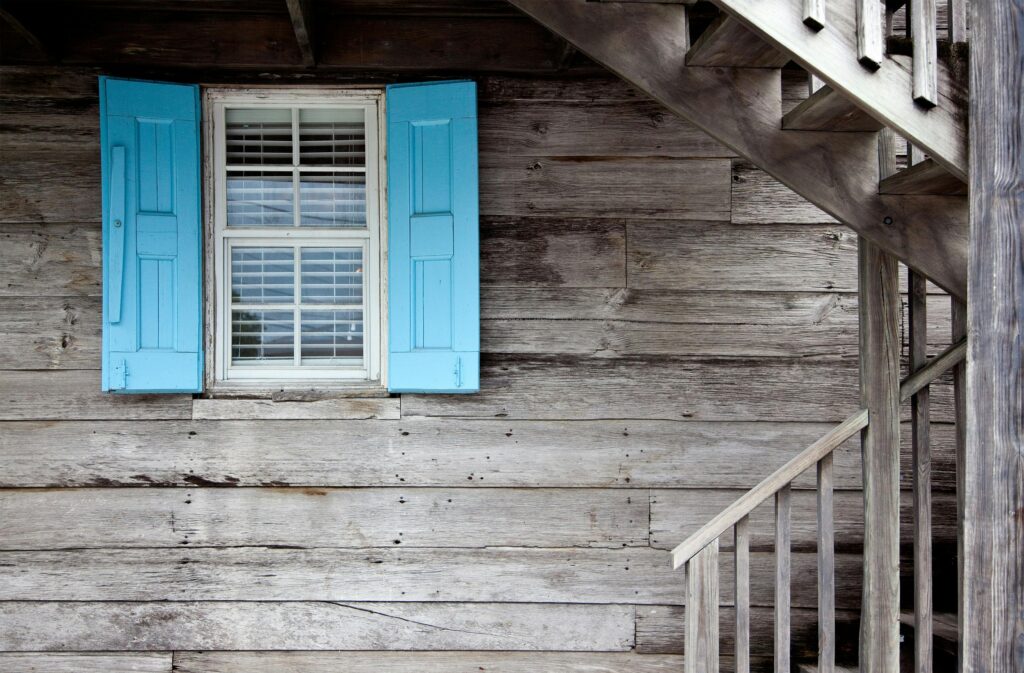
Tips for Maryland Siding Installation Built to Handle Humidity, Rain, and Cold Winters:
✅ Choose the Right Material: Opt for vinyl, fiber cement, or engineered wood sidings specifically rated for Maryland’s humid and wet climate to ensure durability.
✅ Proper Ventilation is Key: Install proper ventilation behind the siding to prevent moisture buildup, reducing the risk of mold and rot in humid conditions.
✅ Use Quality Weather Barriers: Apply high-quality house wraps and moisture barriers beneath the siding to shield your home from rain penetration.
✅ Seal All Seams and Joints: Ensure all siding seams, corners, and joints are properly sealed with weatherproof caulking to keep out drafts and moisture.
✅ Insulation Matters: Combine siding installation with proper insulation to maintain indoor comfort during Maryland’s cold winters and reduce energy bills.
✅ Hire Experienced Local Contractors: Choose installers familiar with Maryland’s climate challenges to guarantee siding is installed correctly for lasting protection.
✅ Regular Maintenance Checks: Schedule periodic inspections to identify and fix any siding damage caused by humidity or winter storms before it worsens.
✅ Avoid Wood Siding in Wet Areas: While wood siding looks great, it can absorb moisture and warp; consider alternative materials or protective treatments in high-humidity zones.
✅ Use Resistant Fasteners: Use corrosion-resistant nails or screws, such as stainless steel or galvanized, to prevent rust from Maryland’s wet weather.
✅ Plan for Proper Drainage: Ensure gutters and downspouts are directing water away from the siding base to avoid water pooling and damage.
By following these tips during your Maryland siding installation, your home will stay protected, efficient, and beautiful through all seasons.
Key Concepts
When discussing siding installation in a region like Maryland, a land marked by its humid summers, persistent rain, and brutally cold winters, it is crucial to deeply understand the essential factors that influence both the choice and execution of siding. The process is not merely about attaching panels to the exterior walls of a house; it is about creating a living armor that breathes, protects, and endures through ever-changing and often challenging climates.
The Dual Nature of Siding: Protection and Expression
Think of siding as the skin of a living organism. Its primary function is to act as a shield against environmental stressors. In Maryland, this shield must be particularly resilient, holding back the dampness that rises like a silent specter during humid summers and locking out the piercing cold that sweeps through in winter. Yet, siding does more than guard; it expresses character and style, setting the tone for a home’s personality. This intersection between form and function defines the soul of siding installation.
Humidity’s Hidden Challenges: Breathing Walls
Humidity in Maryland is like an invisible artist, constantly painting moisture onto surfaces. If siding is installed without accounting for moisture management, it’s akin to wrapping your house in a plastic bag: the moisture gets trapped inside, leading to rot, mold, and the slow decay of structural integrity. Proper siding installation is therefore less about simply layering materials and more about enabling the house to breathe, in essence, to perform a delicate dance where moisture can escape without inviting intrusion.
An effective siding installation resembles a well-designed raincoat: impermeable enough to keep the water out but breathable to let sweat evaporate. This is why materials and methods chosen must both resist water infiltration and facilitate ventilation between layers.
Battling Rain: The Art of Channeling Water
Maryland’s frequent rains are more than just occasional showers; they are persistent guests requiring strategic defense. Siding installation here must emulate the dynamic flow of a river, guiding water down and away without letting it linger or pool. Think of the siding like shingles on a roof, cleverly overlapping so that water slides off effortlessly rather than seeping between the cracks.
Behind the scenes, the integration of moisture barriers and drainage planes turns the siding assembly into a miniature watershed, where every detail from seams and flashing to caulking plays the part of a channel or dam. This complex system works invisibly but critically, turning what could be a flood zone into a dry fortress.
Winter’s Cold Grip: Insulation and Durability
As winter’s chill sinks in Maryland, siding becomes the last line of defense against heat loss. The concept here transcends aesthetics or even water resistance, it ventures into thermal comfort and energy efficiency. Siding installation must accommodate materials and techniques that seal against cold drafts, acting like an insulating blanket wrapped snugly around the home.
Picture the siding as a thick sweater: the denser and tighter it is, the better it holds warmth in, yet it must still allow the fabric underneath to perform its own insulating role. Siding’s durability also includes resistance to cracking and warping under freezing temperatures, much like the way tree bark hardens to survive frost.
Material Choices: The Dialogue Between Nature and Structure
In Maryland’s climate, siding materials face a constant negotiation with the elements, each with its strengths and vulnerabilities. Vinyl, fiber cement, wood, and metal all tell different stories when it comes to handling humidity, rain, and cold.
– Vinyl siding offers high water resistance and low maintenance, akin to a waterproof jacket, but may struggle with extreme cold, becoming brittle if not properly formulated.
– Fiber cement siding is like the sturdy leather coat of the group, durable under all conditions, resisting moisture, rot, and temperature swings gracefully.
– Wood siding, though aesthetically warm and inviting, demands reverence and protection, much like a delicate flower that needs shelter from harsh winds and incessant wetness.
– Metal siding brings the strength of armor but must be carefully treated to avoid corrosion due to Maryland’s moisture.
Each material requires a tailored installation approach, reflecting the nuanced dialogue between human-made structure and the forces of nature.
The Symphony of Installation Techniques and Climate Adaptation
Proper siding installation is more than the sum of materials; it is the symphony conducted by skilled hands and informed minds. Every nail, every seam, every layer is a note contributing to the composition that withstands moisture, heat loss, and wear.
In Maryland, this symphony must harmonize with the climate’s rhythms, anticipating the summer’s humid crescendo, the autumn rains, and the winter’s icy silence. Installing siding here becomes an art deeply rooted in an understanding of the local environment, akin to a craftsman tuning his instrument to the unique acoustics of the concert hall.
Conclusion: Siding as a Living Interface
Ultimately, siding installation in Maryland is an intimate conversation between the home and its environment. It requires insight into how water moves, how air circulates, how temperatures fluctuate. The siding’s role extends beyond aesthetics to become a living interface, dynamic, responsive, and enduring.
To envision siding installation in Maryland is to imagine a guardian continuously adapting: holding back moisture like a vigilant sentinel by day and insulating warmth like a comforting hearth by night. It is this intricate balance, rooted in science, yet executed with artistry, that defines the essence of siding built to thrive amidst Maryland’s humidity, rain, and cold winters.
Frequently Asked Questions about Siding Installation in Maryland
❓ Why is siding installation important for homes in Maryland?
Siding installation is crucial in Maryland because the local climate includes high humidity, frequent rain, and cold winters. Properly installed siding acts as a protective barrier, preventing moisture intrusion, reducing energy costs, and safeguarding your home against weather-related damage.
❓ What types of siding are best suited for Maryland’s humid and cold climate?
Materials like vinyl, fiber cement, and engineered wood are popular for siding installation in Maryland. These options are durable, resist moisture well, and can withstand temperature fluctuations, making them ideal for the region’s humid summers and freezing winters.
❓ How long does the siding installation process typically take?
The timeline for siding installation depends on the size of your home and the type of siding chosen. Generally, a professional siding installation in Maryland can take between 3 to 7 days, factoring in weather conditions and project complexity.
❓ Can new siding improve my home’s energy efficiency in Maryland?
Absolutely. Quality siding installation includes proper insulation and sealing, which helps prevent heat loss during Maryland’s cold winters and keeps your home cooler during humid summers, leading to lower energy bills year-round.
❓ How should I maintain my siding to withstand Maryland’s weather?
Regular maintenance such as cleaning dirt and mildew, inspecting for cracks or gaps, and repainting (if applicable) is essential. For siding installation in Maryland, homeowners should also ensure gutters and drainage systems are functioning properly to avoid water damage over time.