
Imagine waking up to the telltale sound of a heavy rainstorm pounding on your roof. You glance outside to see dark clouds rolling over the Maryland skies, and immediately, a familiar worry creeps in, will your roof hold up? For many Maryland homeowners, roofing isn’t just about aesthetics; it’s about resilience against rapidly changing weather. The region’s unique climate, with its humid summers, snowy winters, and occasional powerful storms, demands roofing solutions tailored to withstand it all.
Roofing in Maryland presents unique challenges and opportunities, making it essential for homeowners to invest in climate-ready roof solutions designed specifically for local conditions. From the Atlantic coastlines to the forested interiors, Maryland’s homes require roofing materials and installation techniques that not only protect from the elements but also enhance energy efficiency and durability.
In this article, you’ll discover how to navigate the world of roofing in Maryland with confidence. We’ll explore the most effective roofing materials suited for Maryland’s climate, dive into maintenance tips that keep your roof in prime condition year-round, and highlight innovations in roofing technology that deliver superior protection. Whether you’re building a new home, replacing an old roof, or simply upgrading for peace of mind, understanding the nuances of roofing in Maryland will empower you to make informed decisions.
As you read on, you’ll learn why a one-size-fits-all approach simply doesn’t cut it when it comes to Maryland roofs. The state’s combination of humid subtropical weather, seasonal temperature swings, and intense storms means the material choices and installation methods that work elsewhere may not be ideal here. We’ll examine the pros and cons of popular roofing options like asphalt shingles, metal roofing, and synthetic alternatives crafted to resist Maryland’s diverse weather conditions.
Moreover, this guide will provide practical advice tailored to Maryland homeowners on how to spot early signs of roofing damage after seasonal shifts and what steps to take to mitigate costly repairs. From choosing licensed local contractors to understanding warranties and insurance claims related to Maryland’s weather hazards, this article aims to be your comprehensive companion in mastering roofing for your home.
So, if you’ve ever found yourself asking, “What’s the best roofing solution for my Maryland home?” you’re in the right place. Together, we’ll uncover strategies that ensure your roof not only endures but thrives through Maryland’s climate challenges. Let’s dive into the world of roofing in Maryland and secure your home’s first line of defense with the right, climate-ready roof solutions.
🔑 Key Takeaways
- Roofing in Maryland is about climate resilience, not just appearance.
- Humid summers, snowy winters, and strong storms demand climate-ready roofing solutions.
- A one-size-fits-all roofing approach doesn’t work in Maryland’s variable weather.
- Material choice and proper installation are critical for durability and protection.
- Climate-appropriate roofing reduces damage, maintenance costs, and stress after storms.
- Regular inspections and proactive maintenance help prevent costly repairs.
- Working with licensed local roofing professionals ensures compliance and long-term performance.
- The right roofing strategy protects your home’s structure, comfort, and peace of mind year-round.
Why Roofing in Maryland Deserves Special Attention: Understanding Its Importance and Benefits
When it comes to roofing in Maryland, homeowners face unique challenges that distinguish this region from others in the United States. The state’s climate, marked by humid summers, cold winters, and frequent storms, puts roofs under considerable stress. Consequently, investing in quality roofing isn’t just about aesthetics or property value; it’s a critical step toward protecting your home and family. But what exactly makes roofing so important here in Maryland, and what benefits can you expect from choosing climate-ready roof solutions?
First, let’s define roofing. Roofing refers to the materials and construction techniques used to cover the top structure of a building. Its primary purpose is to shield the home from weather elements such as rain, wind, snow, and the sun’s UV rays. Over time, a sturdy roof contributes to energy efficiency, structural integrity, and enhances the overall comfort of a house. For Maryland homeowners, whose roofs bear the brunt of seasonal weather swings including hurricanes and ice storms, selecting the right roofing system is paramount.
The statistics tell a compelling story. According to the Maryland Department of the Environment, this state experiences an average annual rainfall of about 43 inches, which heavily influences roofing durability. Additionally, the National Weather Service notes that Maryland can be hit by over a dozen significant storms yearly, ranging from intense thunderstorms to the occasional hurricane remnants. These conditions demand resilient roofs that can withstand moisture, strong winds, and temperature fluctuations without deteriorating rapidly.
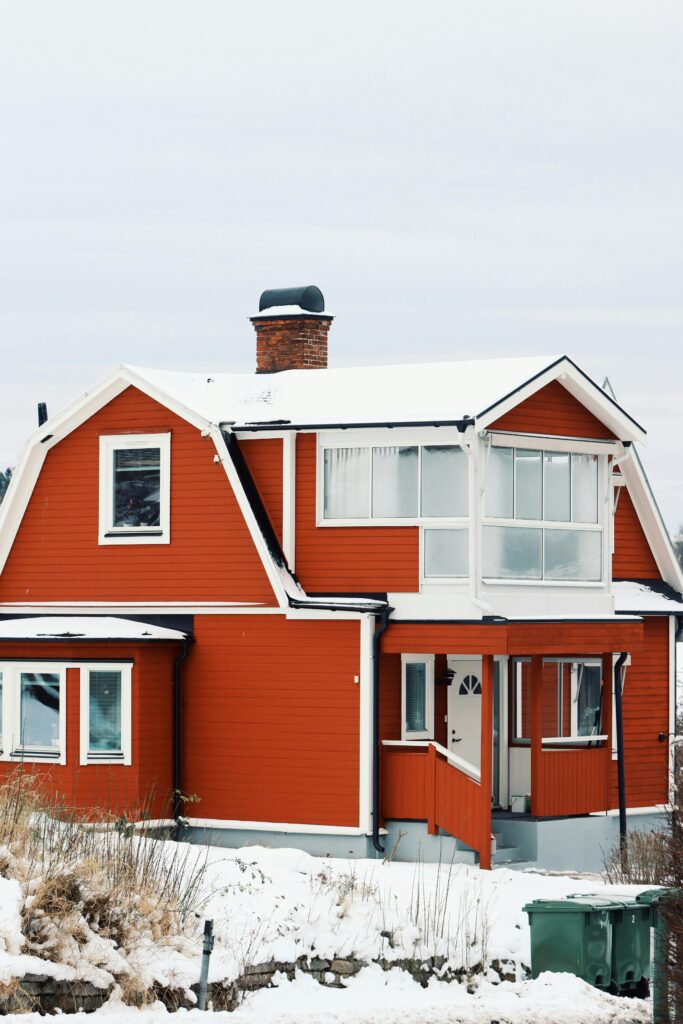
A compelling example comes from Anne Arundel County, where a local family replaced their aging asphalt shingle roof with metal roofing designed to meet Maryland’s rigorous climate demands. Within the first year, not only did their energy bills drop by 15% due to better insulation and reflective properties, but the home also sustained minimal damage during a severe thunderstorm, when neighboring homes suffered leaks and structural issues. This case illustrates how smart roofing choices can deliver financial savings, enhanced safety, and peace of mind.
In summary, roofing in Maryland is far more than just the finishing touch on your home. It’s a critical defense against the region’s complex weather patterns. By understanding the importance of climate-ready roofing solutions, Maryland homeowners can safeguard their investment, improve energy efficiency, and enjoy a more comfortable living space year-round. In the sections that follow, we will explore specific roofing materials and strategies tailored for Maryland’s distinctive climate, providing you with actionable insights to make the best roofing decisions.
How to Apply Roofing Solutions Step by Step for Maryland Homes
When it comes to roofing in Maryland, understanding how to implement climate-ready roofing solutions is key to protecting your home. Maryland’s unique weather patterns, from hot, humid summers to snowy, icy winters, require roofing strategies that enhance durability, energy efficiency, and long-term performance. In this section, we provide a detailed, step-by-step guide on how to apply roofing solutions specifically tailored for Maryland homes.
Step 1: Assess Your Current Roof Condition
Before starting any roofing project, perform a comprehensive inspection of your existing roof to determine its condition. Look for:
– Missing, cracked, or curling shingles
– Signs of water damage or leaks inside your home
– Mold, mildew, or rot on roof decking or attic spaces
– Proper ventilation and insulation levels
– Roof age and remaining lifespan
If your roof is overdue for replacement or significant repair, it’s essential to plan for a climate-optimized roofing system designed specifically for Maryland’s environment.
Step 2: Choose Climate-Appropriate Roofing Materials
Maryland’s climate demands roofing materials that handle both moisture and temperature extremes well. Some material options to consider include:
– Architectural Asphalt Shingles: Durable with excellent wind resistance (important during Maryland’s storm season).
– Metal Roofing: Highly reflective, helps keep homes cooler in summer, and sheds snow effectively in winter.
– Slate or Tile: Extremely long-lasting and resistant to decay; ideal for homeowners wanting a classic look.
– Synthetic Roofing: Lightweight and designed with UV resistance and water shedding in mind.
Be sure to select roofing materials that provide high thermal efficiency and meet or exceed local building codes for wind uplift and impact resistance.
Step 3: Prioritize Proper Roof Ventilation and Insulation
Climate-ready roofing isn’t just about the materials on top. Proper attic ventilation and insulation play a crucial role in maintaining roof health and energy efficiency. Follow these guidelines:
– Install ridge vents and soffit vents to promote continuous airflow.
– Ensure your attic has at least R-38 insulation or better to reduce heat loss.
– Utilize vapor barriers to prevent moisture buildup that can damage roof decking.
Proper ventilation reduces the risk of ice dams forming during winter, a common issue in Maryland’s colder months.
Step 4: Hire Skilled Local Roofing Professionals
Experienced local roofers know firsthand the challenges Maryland’s climate poses. When applying roofing solutions:
– Request a roofing contractor with proven experience in Maryland.
– Verify licenses, insurance, and local references.
– Ask for warranties that cover material and workmanship.
A skilled contractor can recommend specific products and installation methods that optimize your roof’s performance for Maryland’s seasonal variations.
Step 5: Implement Storm-Resistant Features
Maryland homeowners face occasional severe weather events including high winds, hailstorms, and heavy snow. Consider adding storm-ready features like:
– Impact-resistant shingles rated for hail protection.
– Enhanced fastening techniques to prevent wind uplift.
– Ice and water shield membranes under shingles for leak prevention.
– Seamless gutters with leaf guards for efficient water drainage.
These measures can extend your roof’s lifespan while providing peace of mind during extreme weather.
Step 6: Schedule Regular Maintenance and Inspections
Even the best roofing systems benefit from ongoing care. To maintain climate resilience:
– Inspect your roof bi-annually, especially after storms.
– Clean gutters and downspouts to prevent water backing up.
– Remove debris such as leaves and branches from the roof surface.
– Look out for signs of early damage such as loose shingles or roofing nails.
Regular maintenance significantly reduces costly repairs and prolongs your roof’s effectiveness against Maryland’s weather.
Example: Applying a Metal Roofing System on a Maryland Home
To illustrate this process, imagine replacing an aging asphalt shingle roof with a metal roofing system tailored for Maryland:
1. Assessment: The old roof had curling shingles and minor leaks due to inadequate flashing.
2. Material Selection: Homeowner chooses standing seam metal panels for durability and reflectivity.
3. Ventilation Update: Contractor installs new ridge vents and upgrades attic insulation.
4. Professional Installation: Local roofer fastens metal panels with concealed fasteners for enhanced wind resistance.
5. Storm Preparation: An ice and water shield membrane is added along eaves to prevent ice dams.
6. Maintenance Schedule: Homeowner signs up for annual roof inspections with the roofing company.
This method ensures the home stays cool during humid summers, avoids ice dam damage in winter, and withstands Maryland’s variable storm conditions.
Adopting these steps when applying roofing solutions for Maryland homes not only safeguards your property but maximizes energy efficiency and comfort year-round. Ready for a climate-ready roof? A carefully planned and professionally executed roofing project transforms your house into a resilient Maryland home for decades to come.
Tips for Roofing in Maryland: Climate-Ready Roof Solutions for Local Homes
✅ Choose Weather-Resistant Materials: Maryland’s climate features humid summers, snowy winters, and frequent storms. Opt for roofing materials like metal, asphalt shingles, or slate that can withstand moisture and temperature fluctuations.
✅ Ensure Proper Ventilation: Good attic ventilation prevents mold growth and ice dams during cold months. Make sure your roof has sufficient vents to allow airflow and reduce moisture buildup.
✅ Check for Impact Resistance: With Maryland’s occasional hailstorms, using impact-resistant shingles can protect your roof from damage and extend its lifespan.
✅ Regularly Inspect and Maintain: Seasonal inspections, especially after storms, help catch leaks or damage early. Clean gutters and remove debris to prevent water pooling on the roof.
✅ Invest in Ice and Water Shields: To combat ice dams in winter, install ice and water shields along eaves and valleys. This underlayment prevents water infiltration when ice melts.
✅ Opt for Energy-Efficient Roofing: Reflective materials or cool roofing options reduce heat absorption during hot Maryland summers, lowering cooling costs for your home.
✅ Hire Local Roofing Experts: Professionals familiar with Maryland’s climate and building codes ensure your roof is installed correctly and ready to face local weather challenges.
✅ Consider Wind-Resistant Features: Maryland occasionally experiences strong winds and storms. Reinforce your roof with hurricane straps or clips to improve wind resistance.
💡 Extra tip: Document Your Roof’s Condition: Keep photographs and records of your roof’s condition and any maintenance or repairs. This helps with insurance claims and scheduling future upkeep.
By applying these climate-ready roofing strategies, Maryland homeowners can protect their properties and enhance their roof’s durability through the seasons.
Key Concepts
When examining roofing in Maryland through the lens of climate readiness, several foundational ideas emerge that shape how local homes confront the challenges imposed by the region’s unique weather patterns. Roofing here is not merely a protective shell but a dynamic system that harmonizes with environmental factors, offering both shelter and resilience.
The Roof as a Living Shield
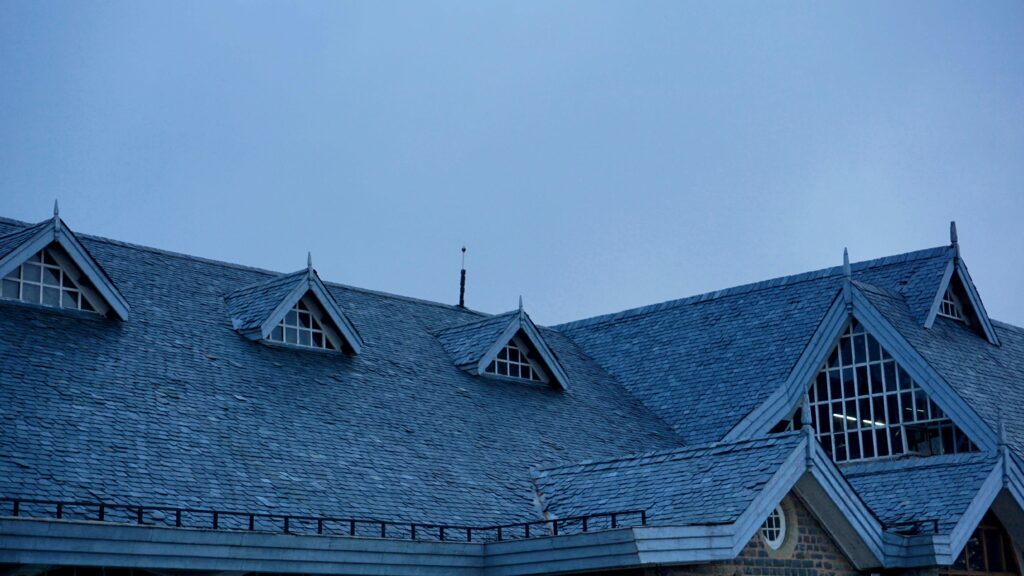
Think of a roof as a living shield that breathes with the home it covers. It’s more than shingles and nails; it’s a responsive barrier that reacts to Maryland’s shifting climate. The roof must endure hot, humid summers; the ice and snow of chilly winters; and the intense energy of storm winds. Just as a shieldsmith tempers metal to withstand the rigors of battle, roofing materials and designs are tempered to combat seasonal stressors.
This metaphor illustrates how roofing systems in Maryland are carefully chosen and crafted. The roof’s ability to expand and contract with temperature fluctuations, its resistance to moisture penetration, and its durability against wind uplift are all critical qualities that reflect a living shield adapting to its environment.
The Interplay Between Material Science and Weather Patterns
The choice of roofing materials, whether asphalt shingles, metal panels, slate, or synthetic composites, reflects a blend of tradition, innovation, and an acute understanding of local climate. Maryland’s proximity to the Atlantic Ocean brings humidity and salty air, which can accelerate corrosion and material degradation. This environmental condition demands materials that possess not only aesthetic appeal but also advanced protective properties.
Here, the concept of roofing transcends mere functionality; it becomes a matter of material science meeting climatology. For example, certain metals resist corrosion better due to protective coatings, and asphalt shingles might be formulated to better reflect UV rays to reduce heat absorption, each decision is a mini-calculation balancing the forces of nature against the lifespan of the roof.
Thermal Dynamics and Energy Efficiency
Roofs are the frontline regulators of thermal exchange between the home and outside world. Understanding roofing in Maryland requires delving into the nuances of thermal dynamics, how heat moves through roofing systems, how insulation layers behave, and how ventilation affects internal temperature regulation.
Imagine the roof as a dynamic interface, much like a thermostat constantly adjusting to maintain comfort inside the home. A well-designed roof in Maryland helps reduce the burden on heating in winter and cooling in summer. The thermal performance of the roof reverberates through the house’s energy consumption patterns, making roofing a key actor not just in physical protection but in sustainable living.
Storm Resilience and Structural Integrity
Maryland often experiences sudden thunderstorms, heavy rains, and the occasional hurricane remnants. The roof must absorb and deflect not only rain but also the kinetic force of wind and debris. This leads us to an essential concept, the roof as both a shelter and a buffered zone for structural integrity.
In this context, the architecture and structural design of roofing encompass careful considerations of load distribution and anchoring systems. Roofing is akin to a fortress rooftop where every tile or panel placement matters in maintaining the fortress’s survival against weather sieges. The integration of robust underlayment materials, reinforced fasteners, and strategic slope design are part and parcel of this defensive role.
The Roof’s Lifecycle: Aging with Grace Under Climate Stress
Roofs, like all living organisms, have life cycles influenced heavily by their environment. In Maryland, the cycles of freeze-thaw, moisture saturation, UV exposure, and biological factors like mold growth tell an intricate story of continual adaptation and gradual wear.
Imagining the roof as a character in a long narrative offers insight. It begins its life vibrant and full of protective vigor, gradually facing the trials imposed by environmental adversities. The materials’ resistance to degradation and the roof’s capacity for graceful aging without catastrophic failure reflect not only craftsmanship but also a subtle dialogue between nature and human engineering.
The Roof and Its Symbiotic Relationship with Homeowners
Finally, roofing in Maryland also embodies the quieter concept of symbiosis between homeowners and their homes. The roof offers protection, but it also requires the homeowner’s awareness of climate impacts and timely responses to subtle signs of wear. The constant attention paid to roofing performance is, metaphorically, like tending to a garden that shields one’s livelihood from harsh weather.
This relationship underscores an evolving concept: a roof is not a static element but part of a dynamic system that includes human stewardship, environmental observation, and architectural innovation, all woven together to safeguard Maryland homes.
In summary, roofing within Maryland’s climate-ready framework emerges as a complex interplay of design, material science, environmental adaptation, and human interaction. It is a nuanced and living entity that offers profound lessons in resilience, sustainability, and the art of harmonizing with nature’s ever-changing moods.
Frequently Asked Questions About Roofing in Maryland: Climate-Ready Roof Solutions for Local Homes
❓ What types of roofing materials are best suited for Maryland’s climate?
Maryland experiences a mix of hot summers, cold winters, and significant rainfall. Therefore, durable materials like asphalt shingles, metal roofing, and slate are ideal. These options withstand temperature fluctuations, resist moisture, and can handle Maryland’s occasional snow and ice.
❓ How often should I inspect or replace my roof in Maryland?
It’s recommended to inspect your roof at least twice a year, preferably in spring and fall, to catch any damage caused by storms or seasonal changes. Most roofs in Maryland last between 20-30 years, but severe weather may necessitate earlier repairs or replacement.
❓ Are there roofing solutions that improve energy efficiency for Maryland homes?
Yes. Cool roofing materials that reflect sunlight, such as metal roofs with reflective coatings or light-colored shingles, can reduce cooling costs in Maryland’s humid summers. Proper insulation and ventilation combined with these materials help maintain comfortable indoor temperatures year-round.
❓ How can I protect my roof from Maryland’s winter snow and ice?
Installing ice and water shields under the shingles and ensuring proper attic ventilation helps prevent ice dams. Additionally, choosing materials that are resistant to freeze-thaw cycles, like metal or slate, enhances your roof’s resilience against winter damage.
❓ Does local Maryland roofing code affect my choice of roof?
Absolutely. Maryland has specific building codes related to roofing to ensure safety and durability, especially in certain counties prone to harsher weather. Always consult with a licensed local roofing contractor to ensure your roof meets all regional requirements and maximizes protection for your home.