
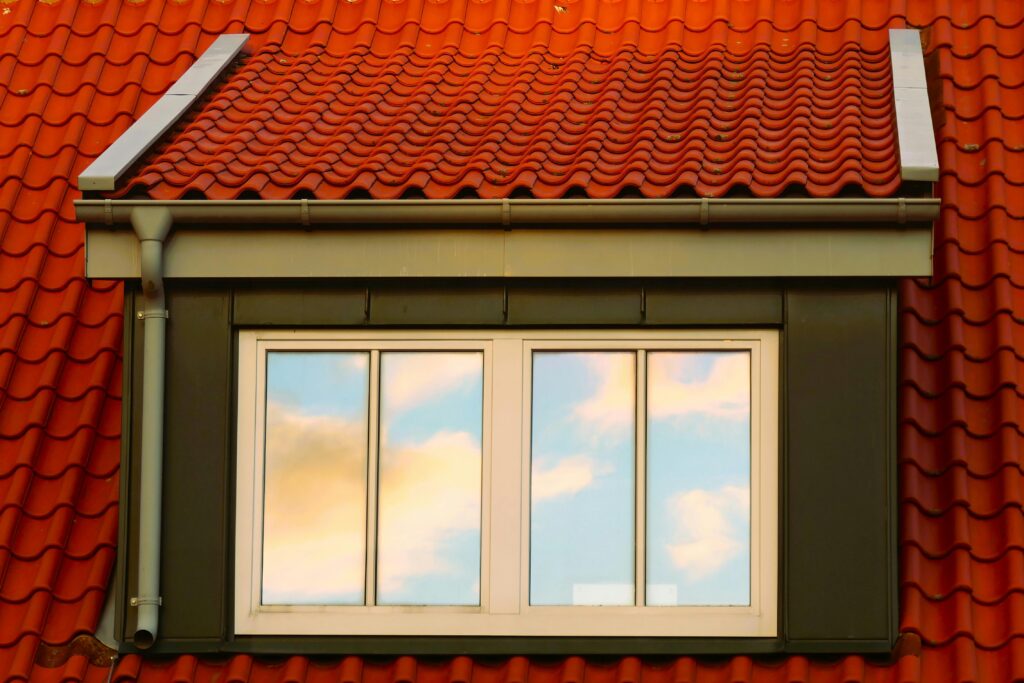
Imagine it’s the year 2026. You’re standing outside your home, admiring your roof , not just any roof, but a cutting-edge 2026 Roof System that’s more than just a shell over your head. This isn’t the shingle-and-wood standard of decades past. Instead, your roof is a marvel of technology, sustainability, and design, quietly working to save energy, protect your family, and even generate power. Sounds like something out of a sci-fi movie? The future of residential roofs is closer than you think.
In this article, we’re diving deep into what makes 2026 Roof Systems stand out as the next big thing in home roofing. Whether you’re a homeowner curious about the latest upgrades or someone in the roofing industry looking to stay ahead of the curve, understanding these innovations is essential.
You’ll learn about the materials and technologies shaping residential roof systems in 2026, from smart solar tiles that blend seamlessly with your home’s architecture to advanced insulation methods that dramatically cut energy bills. We’ll explore how these systems are designed to withstand changing climates and environmental challenges, meaning your roof won’t just protect your home , it’ll improve its overall health.
Beyond technology, we’ll discuss the growing trend toward sustainability. Homeowners today want roofs that are eco-friendly, supporting a greener planet while offering superior durability. 2026 Roof Systems meet these needs, integrating recycled materials and offering options that reduce a home’s carbon footprint.
By the end of this deep dive, you’ll have a clearer understanding of why the roofing landscape is shifting and how 2026 Roof Systems are setting the standard. Whether you’re planning a roof replacement or just eager to know how homes will evolve, this article will equip you with insights and inspiration for the future. So let’s explore how roofing in 2026 is redefining what it means to protect, beautify, and energize your home.
Key Takeaways: 2026 Roof Systems
- 2026 Roof Systems represent the future of residential roofing, combining smart technology, sustainability, and advanced materials into a single integrated solution.
- Energy efficiency is a defining feature of 2026 roof systems, with improved insulation, reflective surfaces, and solar integration significantly reducing energy loss and utility costs.
- Smart roofing technology allows homeowners to monitor roof performance in real time, detecting moisture, temperature changes, and potential damage before issues escalate.
- Solar-ready and solar-integrated roofs are becoming standard, transforming roofs into power-generating assets rather than passive structures.
- Advanced roofing materials such as composites, nano-coated membranes, and synthetic tiles offer superior durability against extreme weather, UV exposure, and climate variability.
- Sustainability is built into modern roof systems, with recycled materials, low-carbon manufacturing processes, and longer lifespans reducing environmental impact.
- 2026 Roof Systems improve home value, delivering strong returns on investment through lower energy bills, reduced maintenance, and increased buyer appeal.
- Climate resilience is a major advantage, as next-generation roofs are engineered to withstand storms, heat waves, hail, and high winds more effectively than traditional systems.
- Professional installation by certified contractors is essential to ensure performance, warranty protection, and proper integration of smart and energy-efficient components.
- Residential roofs in 2026 function as intelligent ecosystems, actively protecting, energizing, and enhancing the overall health of the home.
Why 2026 Roof Systems Are More Important Than You Think
As we look toward the future of residential roofing, the concept of “2026 Roof Systems” emerges as a game-changer in the industry. But what exactly are 2026 Roof Systems, and why should homeowners, builders, and industry professionals care about them?
Simply put, 2026 Roof Systems refer to the next generation of roofing technologies and materials engineered to meet the demands of the modern world by the year 2026. These systems incorporate advanced design principles, sustainable materials, and smart technology to deliver roofs that are not only more durable but also energy-efficient, environmentally friendly, and cost-effective over their lifespan.
The importance of 2026 Roof Systems becomes clear when we consider the growing challenges facing the residential roofing sector. Climate change is causing more frequent and intense weather events, forcing roofs to withstand extreme heat, heavy storms, and high winds. At the same time, energy efficiency is on the rise as homeowners seek to reduce utility costs and minimize their environmental footprints.
According to the U.S. Department of Energy, residential buildings account for nearly 22% of total energy consumption in the country, and up to 25% of that energy is lost through inefficient roofing and insulation. This creates a massive opportunity, and necessity, for 2026 Roof Systems to significantly reduce energy consumption by integrating superior insulation, reflective materials, and even solar technology.
Consider the story of the Johnson family, who recently upgraded to a 2026 Roof System on their suburban home. By investing in a smart roof equipped with energy-efficient membranes and integrated photovoltaic panels, they saw a 30% reduction in their electricity bills within the first six months. Beyond cost savings, the roof also proved resilient during a severe hailstorm, sustaining minimal damage while neighboring homes required costly repairs.
Data from industry reports forecast that by 2026, the adoption of these advanced roofing technologies could reduce residential energy loss by up to 40%, translating to billions of dollars in savings nationwide and a significant drop in carbon emissions. This puts 2026 Roof Systems not only at the forefront of innovation but also at the center of climate action and sustainable living.
In essence, understanding and embracing 2026 Roof Systems is no longer optional, it’s essential for building resilient, efficient, and future-ready homes. Through these systems, the roofing industry is poised to revolutionize how we protect our most valuable assets: our homes.
How to Apply 2026 Roof Systems Step by Step: A Practical Guide for Homeowners
As we look toward the future of roofing, understanding how to implement 2026 roof systems in residential buildings becomes essential. These innovative roofing solutions integrate advanced materials, smart technology, and sustainable design to enhance energy efficiency, durability, and aesthetics. If you’re a homeowner or a roofing professional exploring the possibilities, here is a detailed, step-by-step guide to applying 2026 roof systems effectively.
Step 1: Assess Your Current Roof and Home Needs
– Conduct a thorough roof inspection: Before installing a 2026 roof system, evaluate your existing roof’s condition. Look for wear and tear, leaks, or structural weaknesses.
– Evaluate energy efficiency goals: These next-generation systems often focus on maximizing energy conservation. Consider your home’s insulation quality, ventilation, and local climate.
– Define your budget and goals: Are you looking for a green roofing solution, enhanced durability, or smart home integration? Defining priorities will help tailor your roofing system.
Example: Imagine a homeowner in Denver who wants to reduce heating costs during cold winters. They might prioritize roofing materials with high R-values and reflective surfaces.
Step 2: Choose the Right 2026 Roof System Components
The hallmark of 2026 roof systems is their blend of cutting-edge materials and smart features. Here’s what to look for:
– Advanced Waterproof Membranes: Look for membranes with nanotechnology coatings that repel water and resist UV damage.
– Solar Integration: Photovoltaic shingles or flexible solar panels built into the roof structure can generate electricity seamlessly.
– Smart Ventilation Systems: Automated vents adjust airflow to regulate temperature and moisture, reducing HVAC loads.
– Durable Roofing Materials: Composite or synthetic tiles designed to withstand extreme weather and reduce maintenance.
Tip: Ask your contractor about the latest roofing materials tested in laboratory environments for longevity and sustainability.
Step 3: Hire a Certified Installer Familiar with 2026 Technologies
Installing a futuristic roof system isn’t a DIY weekend project, it requires expert knowledge.
– Verify certifications: Ensure your contractor is trained and certified for the specific 2026 roofing components.
– Review previous projects: Request examples or case studies where they have installed similar advanced systems.
– Discuss warranties and maintenance: Forward-thinking roof systems often come with comprehensive warranties if installed correctly.
Scheduling a consultation with a reputable installer early in the planning stage will save headaches down the road.
Step 4: Prepare Your Roof Structure for Installation
– Reinforce the roof deck: Some materials may be heavier or require additional support.
– Remove old roofing carefully: Protect the underlying structure during demolition.
– Ensure proper insulation and ventilation: Before new installation, upgrade attic insulation and air barriers to complement the new system’s efficiency.
Visual aid: A structural blueprint showing reinforced rafters supporting integrated solar panels can clarify this step for contractors.
Step 5: Install the Components Systematically
A successful 2026 roof system installation follows a precise sequence:
1. Lay down advanced waterproof membranes as the first barrier.
2. Install insulation layers to reduce thermal transfer.
3. Place roofing materials (tiles, shingles, panels) with precision to ensure durability.
4. Integrate solar panels or photovoltaic shingles, connecting wiring safely.
5. Set up smart ventilation units linked to your home’s smart system.
Installation teams often utilize drones or 3D mapping technology to ensure accuracy on complex roofs.
Step 6: Connect to Smart Home Systems and Monitor Performance
One of the defining features of 2026 roof systems is their integration with home automation.
– Install sensors for temperature, moisture, and damage detection.
– Connect the roofing system to a smartphone app for real-time monitoring.
– Set automated alerts to schedule maintenance or repairs proactively.
Example: A homeowner receives a notification about excessive moisture accumulation after a storm, enabling prompt action before mold growth.
Step 7: Maintain Your 2026 Roof System Regularly
Even with state-of-the-art materials, routine care is crucial.
– Conduct semiannual inspections focusing on seals, vents, and solar panel integrity.
– Clean debris and gutters to prevent water buildup.
– Update smart system software for optimal functionality.
Maintenance checklists, often provided by roofing companies, help homeowners stay ahead of potential issues.
Final Thoughts
Applying 2026 roof systems is a blend of strategic planning, advanced technologies, and collaborative expertise. By following this step-by-step approach, homeowners can future-proof their residences, boosting sustainability, comfort, and property value in the years to come.
Remember: The future of roofing lies not just in the materials but also in how intelligently they are installed, integrated, and maintained. Embrace the roofing revolution and prepare your home for 2026 and beyond.
Tips for Embracing 2026 Roof Systems: The Future of Residential Roof Systems
✅ Prioritize Energy Efficiency: Choose roofing materials designed for superior insulation to reduce energy bills and enhance home comfort.
✅ Opt for Smart Roof Technologies: Integrate solar panels and smart sensors that monitor roof health and energy production in real-time.
✅ Select Durable, Sustainable Materials: Look for eco-friendly materials like recycled metal or composite shingles that withstand extreme weather and minimize environmental impact.
✅ Plan for Easy Maintenance: Invest in roof systems with modular components or self-cleaning surfaces to reduce upkeep time and costs.
✅ Consider Installation by Certified Experts: Ensure roofing contractors are trained in 2026 roofing technologies for proper installation and warranty compliance.
✅ Embrace Aesthetic Versatility: Pick roofing designs and colors that complement modern home styles while boosting curb appeal.
✅ Utilize Advanced Weatherproofing: Implement roofing with innovative waterproofing membranes and UV protection to extend lifespan.
✅ Prepare for Smart Home Integration: Choose roofing systems compatible with home automation platforms for seamless control of energy use and maintenance alerts.
💡 Extra tip: Regularly schedule professional roof inspections to detect early signs of wear, maximizing the benefits of your advanced 2026 roof system.
Key Concepts
The phrase 2026 Roof Systems encapsulates a visionary snapshot of the future landscape of residential roofing, a fusion of technology, sustainability, and design innovation set to redefine how homes are shielded from the elements. To grasp the essence of roofing in 2026, it’s crucial to dissect the core concepts that shape this evolution, going beyond mere materials or installation tactics, and delving into the systemic transformation of roofs as smart, adaptive components of residential structures.
The Roof as an Integrated Ecosystem
Traditionally, a roof has been perceived as a static shelter , a passive barrier against weather. However, by 2026, the concept of roof systems transforms into a dynamic ecosystem, where every element works in harmony. Imagine the roof as the skin of a living organism: not only does it protect, but it also breathes, senses, and interacts with its environment. This metaphor highlights roofs evolving into multifunctional interfaces capable of energy generation, water management, and climate adaptation simultaneously.
This ecosystem approach means that roofing components are no longer isolated parts but integrated modules. Solar shingles blend invisibly with conventional materials, rainwater harvesting systems are embedded seamlessly under the surface, and ventilation happens with intelligent regulation thanks to IoT sensors monitoring humidity and temperature layers continuously.
Material Innovation and the Renaissance of Durability
At the heart of 2026 roof systems lies an extraordinary leap in material science. The old dichotomy between aesthetics and performance starts to blur with the advent of novel composites, self-healing coatings, and nano-engineered surfaces. These materials carry the promise of not only resisting extreme weather but also repairing minor damages autonomously, extending roof life beyond conventional expectations.
Think of these materials as the “immune system” of the roof, proactively defending against cracks, algae growth, or UV degradation, much like skin’s ability to regenerate in response to wounds or sun exposure. This metaphor enriches the understanding that future roofs will embody resilience, reducing maintenance needs and increasing sustainability.
Energy and Environmental Symbiosis
The future roof is a critical node in the energy and environmental network of the home. By 2026, roofs will no longer be passive recipients of sunlight but active participants in energy exchange. Photovoltaic cells integrated so naturally that they appear as conventional roofing material turn roofs into power plants. More than generating electricity, these systems will be capable of smart adaptation , optimizing power output based on sun trajectory, weather forecasts, and household consumption patterns.
Moreover, the roof’s relationship with the environment transcends energy. Advanced rainwater harvesting and greywater recycling integrated into the roofing structure transform roofs into natural water management hubs. Picture the roof as a sponge, controlled by a sophisticated brain that distributes collected water to gardens, storage tanks, or even household plumbing depending on needs and rainfall patterns.
Architectural Aesthetics Reimagined
By 2026, roof systems will be central figures in home design narratives, no longer relegated to an afterthought. They will assume dual roles, aesthetic canvas and technological interface. The challenge is akin to marrying art and engineering so seamlessly that function and form are indistinguishable as they appear as one harmonious entity.
Architects will explore novel geometries and textures made possible by new materials and digital fabrication techniques. The roof becomes a sculpted landscape crowning the home, reflecting both personal expression and sustainable principles. This transformation signals a cultural shift where the rooftop no longer simply “covers” but “crowns” the dwelling.
The Digital Nervous System of Roofing
Embedded intelligence is perhaps the most groundbreaking facet of 2026 roof systems. Every square meter is potentially equipped with sensors and microcontrollers, feeding real-time data into cloud-based platforms designed to monitor structural integrity, predict maintenance needs, and optimize environmental control.
Imagine the roof with a nervous system, just as our bodies send signals to maintain balance, the roofing system continuously communicates with the home’s central smart systems. This self-awareness grants residents unprecedented control and insight, facilitating proactive rather than reactive maintenance, reducing risk, and enhancing comfort.
Sustainability as a Core Philosophy
Underlying all innovations is a commitment to sustainability, not as a feature, but as the foundational philosophy. The 2026 roof systems symbolize humanity’s evolving respect for ecological limits. From sourcing cradle-to-cradle recyclable materials to minimizing embodied carbon during production, every stage of the roof’s lifecycle echoes this ethos.
Picture the roof as a “green guardian” that not only preserves the interior but also protects the planet by reducing waste, conserving resources, and supporting local ecosystems through integrated green spaces or reflective coatings designed to mitigate urban heat islands.
Together, these key conceptual pillars illustrate why “2026 Roof Systems” are more than a future trend; they represent a paradigm shift in how residential roofing embodies resilience, intelligence, and harmony with nature. They challenge us to see roofs not just as infrastructure, but as vital, living components of tomorrow’s sustainable homes.
Frequently Asked Questions about 2026 Roof Systems
❓ What are 2026 roof systems?
2026 roof systems refer to the latest advancements in residential roofing technology and materials predicted or designed for use around the year 2026. These systems integrate smart technologies, enhanced durability, and eco-friendly solutions to meet future housing needs.
❓ How will 2026 roof systems improve energy efficiency?
2026 roof systems are expected to incorporate highly reflective materials, built-in solar panels, and advanced insulation to reduce heat loss and cooling costs significantly. These innovations aim to make homes more energy-efficient and environmentally sustainable.
❓ Are 2026 roof systems more durable than current roofs?
Yes, one of the main goals of 2026 roof systems is increased longevity. Manufacturers are developing roofing materials that can better withstand extreme weather, resist wear and tear, and require less maintenance, which leads to longer-lasting roofs.
❓ Will 2026 roof systems be more expensive than traditional roofs?
Initially, the advanced technology and materials may come at a higher upfront cost. However, the long-term savings from energy efficiency, durability, and lower maintenance expenses are expected to offset the initial investment.
❓ Can I retrofit my existing roof with 2026 roof system technology?
Many components of 2026 roof systems, like solar panels and smart sensors, are designed for retrofitting. However, the feasibility depends on your current roof’s condition and structure. A roofing professional can assess and recommend suitable upgrades.