
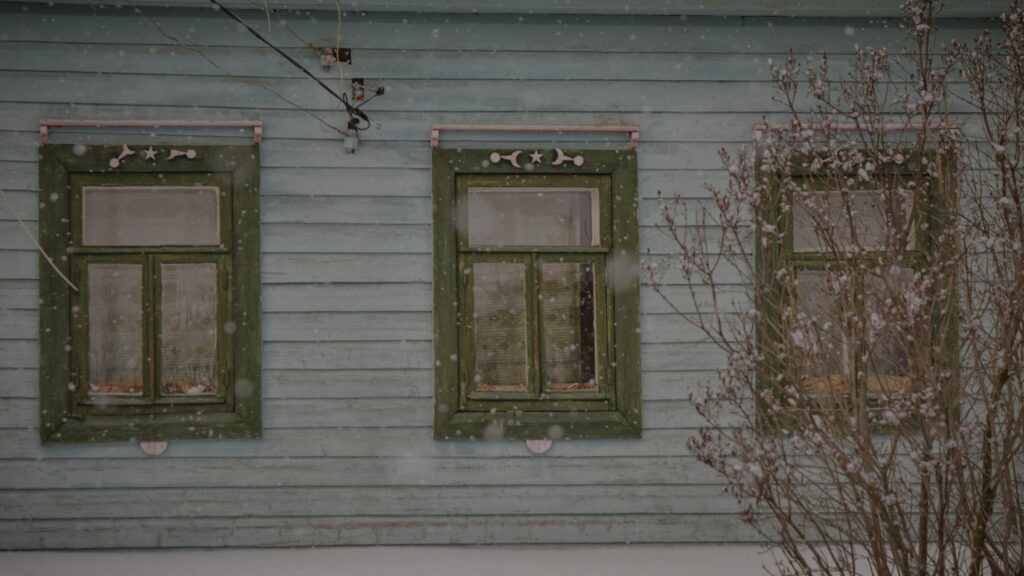
Imagine standing outside your Maryland home during a fierce thunderstorm, watching as sheets of rain pelt your house from every angle. The wind howls, and you worry about whether your home can withstand the relentless weather. Now, picture a home with siding so robust and weather-resistant that it stands firm against these harsh elements, protecting your family and your investment. This is the power of proper siding installation in Maryland, a critical upgrade that every local homeowner should consider.
When it comes to homes in Maryland, weather poses unique challenges. From the humid summers to the cold, snowy winters, and the occasional surprise storms, your home’s exterior needs to be more than just visually appealing, it must be functional and resilient. That’s where siding comes in. Siding is not just a surface finish; it’s a vital barrier that shields your home from the whims of nature.
In this article, you’ll discover why siding installation in Maryland is essential for safeguarding your home against the local weather conditions. We’ll explore the best materials suited to Maryland’s climate, highlight the benefits of proper siding installation, and share tips to help you choose the right siding that balances durability, aesthetics, and energy efficiency. Whether you’re building a new home or upgrading an existing one, understanding the importance of siding will empower you to make smart decisions that enhance your home’s comfort and value.
By the end of this blog, you’ll know exactly how to protect your Maryland home with weather-resistant siding solutions. From combating the humid air to resisting wind-driven rain and even handling the freeze-thaw cycles of winter, the right siding installation can make all the difference. Get ready to learn how siding acts as your home’s weather shield, and why it’s a wise investment for every homeowner in Maryland.
🔑 Key Takeaways
- Siding installation in Maryland is a critical defense against harsh and unpredictable weather.
- Maryland’s humid summers, heavy rainfall, and freezing winters demand durable, weather-resistant siding.
- Siding is more than an exterior finish; it protects against moisture, mold, rot, and structural damage.
- Choosing the right siding material is essential for long-term performance and energy efficiency.
- Proper installation is just as important as the material itself for maximum protection.
- Quality siding helps regulate indoor temperatures and reduce energy costs year-round.
- Well-installed siding enhances curb appeal while safeguarding your home’s value.
- Sustainable siding choices support environmental responsibility and long-term resilience.
- Regular maintenance ensures siding continues to perform as your home’s protective shield.
- Investing in siding is an investment in durability, comfort, and peace of mind for Maryland homeowners.
Why Siding Installation in Maryland Is More Important Than You Think
When it comes to protecting your home in Maryland, siding installation is not just a cosmetic upgrade, it’s a crucial investment in your property’s durability and energy efficiency. Siding serves as the first line of defense against the region’s unpredictable weather, which ranges from hot, humid summers to cold, snowy winters. Understanding why siding is so important can help homeowner make better decisions and avoid costly repairs down the line.
What Is Siding?
Siding is the exterior material attached to the walls of a house, designed to protect it from environmental elements like rain, wind, snow, and UV rays. It also plays an essential role in insulating the home, reducing energy costs while enhancing curb appeal.
Why Maryland Homes Need Quality Siding
Maryland’s climate presents unique challenges. According to the National Oceanic and Atmospheric Administration (NOAA), the state experiences average annual rainfall of about 43 to 45 inches, along with seasonal storms capable of driving moisture deep into vulnerable walls. Without proper siding installation, this moisture can cause mold, rot, and structural damage.
Furthermore, Maryland homes face temperature swings between humid summers that can push indoor cooling costs up and freezing winters that demand efficient heat retention. Having weather-resistant siding can reduce energy consumption by up to 20%, according to the U.S. Department of Energy, leading to significant utility bill savings.
A Success Story: Transforming a Maryland Home with Expert Siding Installation
Take the example of the Johnson family in Baltimore. Their 25-year-old colonial style home was suffering from peeling paint and water damage every time a heavy storm hit. After consulting with a local siding specialist, they opted for fiber cement siding renowned for its moisture resistance and durability.
Post-installation, the Johnsons noticed an immediate difference. Their home stayed drier during storms, and their energy bills dropped noticeably by the following winter. Beyond the practical benefits, the siding revitalized their home’s exterior, boosting its market value and neighborhood appeal.
In summary, siding installation in Maryland is much more than an aesthetic choice. It is a vital component that safeguards homes against the state’s challenging weather conditions, ensures energy efficiency, and protects an investment for years to come. For homeowners looking for long-lasting weather-resistant solutions, siding is an indispensable part of their home’s defense system.
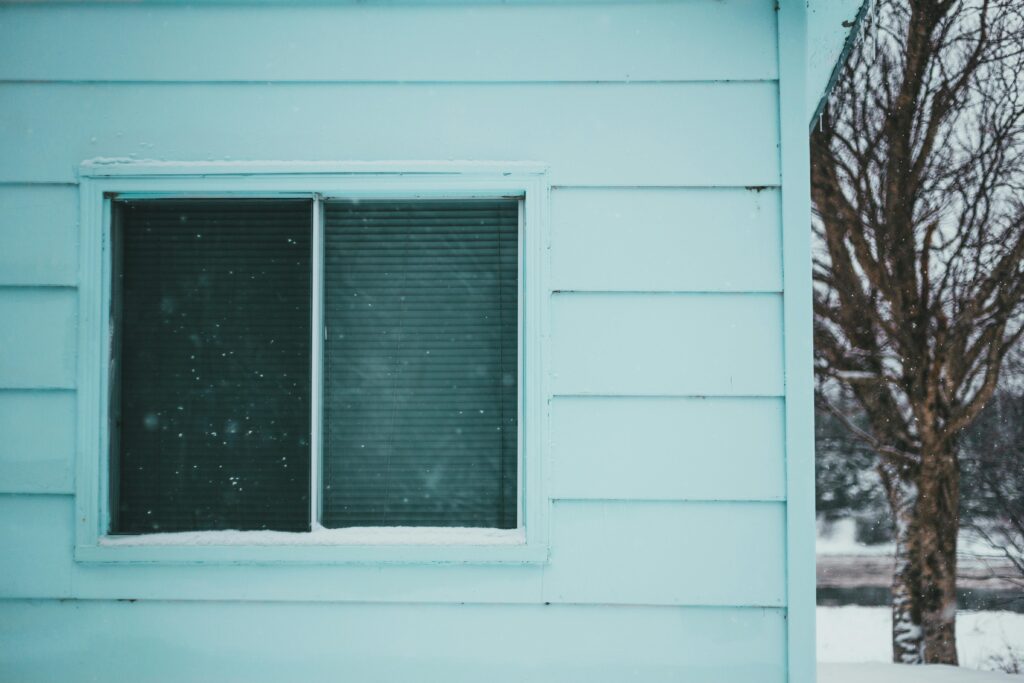
Tips for Successful Siding Installation in Maryland: Weather-Resistant Solutions for Local Homes
✅ Choose Weather-Resistant Materials: Opt for siding materials like fiber cement, vinyl, or engineered wood that withstand Maryland’s humid summers and snowy winters.
💧 Prioritize Moisture Resistance: Maryland’s climate can be wet; ensure siding is properly sealed and includes water-resistant barriers to prevent mold and rot.
🛠️ Hire Local Experts: Local contractors understand Maryland’s weather challenges and building codes, guaranteeing proper installation and long-term durability.
📏 Measure Twice, Cut Once: Accurate measurements are key to a tight fit, minimizing gaps that can let in wind and moisture.
🔧 Use Proper Fasteners: Stainless steel or galvanized nails resist rust in humid conditions, securing siding firmly against wind and storms.
🌬️ Add Insulation Underneath: Enhancing energy efficiency and protecting against Maryland’s temperature extremes is easier with an insulating layer beneath the siding.
🔍 Inspect Existing Structures: Before installation, examine the home’s sheathing and framing for damage or moisture problems to fix beforehand.
🚿 Schedule Installation Strategically: Aim for dry, mild weather in spring or early fall to avoid complications from rain or extreme cold during installation.
🧹 Maintain Regularly: Clean siding annually and check seals to prolong lifespan and maintain resistance to Maryland’s elements.
💡 Extra Tip: Consider Impact-Resistant Siding if you live in areas prone to severe storms or hail; it adds a robust layer of protection.
Key Concepts
When diving into the topic of siding, especially within the context of siding installation in Maryland, it becomes clear that this is far more than a simple selection of exterior panels. Siding serves as a critical shield for homes, a first line of defense that dances with the elements, primarily the often unpredictable Maryland weather. To fully appreciate siding, understanding its conceptual foundation reveals why this choice profoundly impacts both the aesthetics and durability of local homes.
Siding as the Home’s Protective Armor
Imagine siding as the armor on a suit worn by a knight. Just as armor must be robust enough to fend off blows yet flexible enough not to restrain movement, siding must balance weather resistance with adaptability to the shifting climate. Maryland experiences a broad spectrum of weather patterns, from humid summers and harsh winters to sudden storms and intense rainfall. Siding acts as a dynamic barrier, preventing moisture intrusion, reducing thermal exchange, and resisting the wear caused by UV rays.
This protective function is not merely physical but chemical and biological as well. Certain siding materials incorporate treatments or inherent properties that repel mold, mildew, and insects , common challenges in Maryland’s humid environment. In essence, siding is a multifunctional skin, vital to maintaining the structural integrity and appearance of the home beneath.
Material Diversity: The Palette of Choices
The concept of siding transcends a single material or style; it encompasses an entire palette of options, each with unique characteristics tuned to different needs and aesthetics. Think of siding materials as the different instruments in an orchestra, where each contributes distinct tones to compose the full melody of home protection and beauty.
– Vinyl Siding: Like a versatile string instrument, vinyl is ubiquitous and user-friendly, offering ease of maintenance and resistance to moisture. Its synthetic nature ensures flexibility against Maryland’s temperature swings.
– Fiber Cement Siding: This material acts as the percussion section, resilient and steady, providing resistance to fire, insects, and rot. It is a heavier, denser option often chosen for its durability and aesthetic resemblance to wood.
– Wood Siding: Comparable to a classic piano, wood siding offers timeless beauty and warmth but requires attentive care to preserve its protective qualities against Maryland’s humidity and pest pressures.
– Metal Siding: This can be likened to brass instruments, bold and durable, metal siding offers exceptional resistance to impacts and weather but may require treatments to prevent corrosion.
This diversity illustrates that siding is not a one-size-fits-all solution. Instead, it embodies an array of strategic decisions, each choice harmonizing with the homeowner’s priorities and the region’s environmental demands.
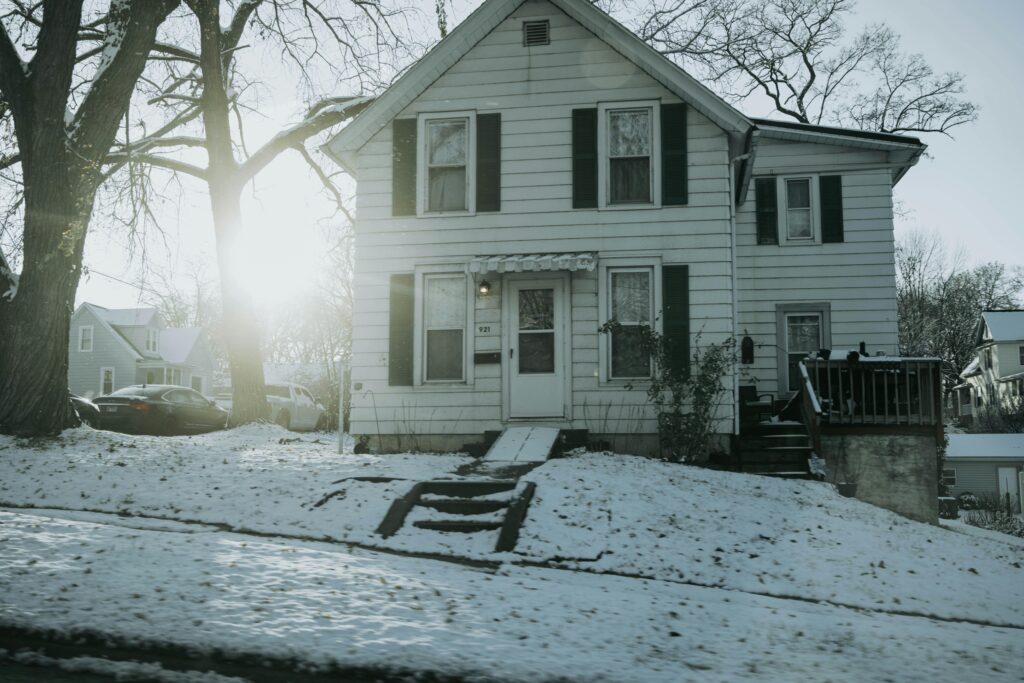
Weather Resistance: The Cornerstone Attribute
In Maryland, where weather can swing from sun-drenched summer days to biting winter chills and frequent precipitation, the concept of weather resistance becomes paramount. Weather resistance is not merely a feature but the defining pillar around which siding materials revolve.
Picture Maryland’s climate as a persistent sculptor, continuously shaping and eroding the surfaces of homes. Siding, then, serves as the chisel and protective varnish that guards the structure’s form against these forces. The ability to resist water infiltration prevents not only surface damage but also internal decay, much like a raincoat that keeps the wearer dry from a downpour.
Moreover, weather resistance also means enduring thermal changes, materials must expand and contract without cracking or warping. This resilience ensures that siding maintains its protective “seal” year-round, preventing drafts and energy loss, which in turn influences the home’s overall energy efficiency.
The Intersection of Aesthetics and Function
Siding is where beauty and functionality intersect, a dual role that can be likened to the facade of a historic building. The facade must tell a story, evoke feeling, and present a welcoming face, but it must also be sound, durable, and protective.
In Maryland homes, siding styles range from traditional clapboard to modern panels, each carrying a distinct architectural language. This visual layer not only communicates the homeowner’s taste but also contributes to neighborhood character and property value. The conceptual depth here is in understanding siding as a visual narrative wrapped around the practical necessity of protection.
This dual nature creates a fascinating dynamic: siding is a surface both superficial and substantive, embodying the tension between appearance and endurance. This balance is crucial in any Maryland home, where style must never undermine substance.
Installation as Part of the Conceptual Framework
While not a how-to guide, understanding siding installation conceptually enriches the topic overall. Installation represents the moment when siding transcends from mere material to integrated home defense. Proper installation is the foundation upon which all the siding’s benefits rest, much like the skilled hands of a craftsman transforming raw wood into a finely tuned instrument.
Installation addresses sealing, alignment, and adherence, ensuring that the siding functions as a cohesive whole rather than isolated panels vulnerable to the elements. It’s the interface where environmental challenges meet human ingenuity, securing the siding in place and maximizing its weather-resistant qualities for Maryland homes.
Environmental and Sustainability Considerations
In today’s discourse around siding, sustainability is more than a buzzword; it’s part of the fundamental framework guiding material selection and design. Siding interacts directly with environmental factors, not only protecting homes, but also impacting natural resources and energy consumption.
Siding materials vary in their environmental footprint, from the embodied energy in producing fiber cement to the recyclable nature of some metals and vinyl. The conceptual thread here is that siding is part of a larger ecological cycle, with decisions echoing beyond the boundaries of individual homes to affect community and planetary health.
In Maryland, where environmental regulations and awareness are growing, the interplay between siding choice and sustainability reflects a broader narrative about stewardship and resilience in both architecture and nature.
By exploring these key concepts, protection, material diversity, weather resistance, aesthetic function, installation philosophy, and sustainability, siding emerges not as a mere exterior finish but as an essential, multifaceted element intrinsic to the identity and longevity of Maryland homes. It is where technical innovation meets artistry, standing as a testament to human ingenuity in shielding our homes from the relentless forces of nature.
Frequently Asked Questions about Siding Installation in Maryland
❓ What types of siding are best for Maryland’s weather?
Maryland experiences a mix of humid summers, cold winters, and occasional storms. Weather-resistant sidings like fiber cement, vinyl, and engineered wood are popular choices because they withstand moisture, temperature changes, and wind effectively.
❓ How long does siding installation typically take in Maryland?
The timeframe varies depending on the home size and siding material, but most siding installations in Maryland take about one to two weeks. Preparation, weather conditions, and contractor availability can influence the schedule.
❓ Will new siding improve my home’s energy efficiency?
Yes, modern siding materials often come with insulation options that reduce heat loss in winter and keep your home cooler in summer, which is crucial for Maryland’s diverse climate.
❓ How do I maintain siding in Maryland’s humid environment?
Regular cleaning to remove mold and mildew, inspecting for damage after storms, and timely repairs help maintain siding. Using mildew-resistant paint or finishes is also beneficial for longevity.
❓ Is siding installation permitted year-round in Maryland?
While siding can be installed most of the year, extreme winter weather may delay projects. It’s best to plan siding installation during milder seasons like spring or fall for optimal results and material performance.