

Imagine walking into a home that not only reflects your style but also cares for the planet. A place where every renovation decision contributes to a healthier environment and a smarter lifestyle. This is the promise of sustainable remodeling, a trend that’s transforming the way we think about home renovation. In 2026, sustainable remodeling is no longer just an option; it’s becoming the standard for homeowners who want to combine innovation, eco-consciousness, and modern aesthetics.
When Sarah decided to remodel her century-old house last year, she was overwhelmed by the choices. Should she go for the latest design trends or focus on what’s best for the environment? After diving into sustainable remodeling practices, she discovered it was possible to have both, the perfect fusion of smart technology, energy efficiency, and beautiful design. Her home became a living example of how 2026’s remodeling trends favor not just style, but long-term sustainability and smarter living.
In this article, you’ll learn everything you need to know about sustainable remodeling. We’ll explore how this trend is shaping the future of home renovations, uncover the latest ideas for smart, eco-friendly upgrades, and provide practical tips to help you plan your own sustainable remodel. Whether you’re thinking about a small upgrade or a full-scale renovation, sustainable remodeling offers innovative ways to reduce your carbon footprint, save energy, and increase your home’s value, all while staying stylish and modern.
By the end of this read, you’ll understand why sustainable remodeling isn’t just a buzzword, but a vital approach to home improvement in 2026. From energy-efficient appliances and green building materials to smart home integrations and water conservation techniques, the possibilities are endless. If you’re ready to transform your living space into a smarter, greener, and more modern home, this guide is the perfect place to start. Sustainable remodeling is your key to embracing the future of home renovation, one that benefits you, your family, and the planet.
Key Takeaways: Sustainable Remodeling Trends for 2026
- Sustainable remodeling is becoming the standard in 2026 home renovations
Homeowners are prioritizing eco-friendly upgrades that combine energy efficiency, smart technology, and modern design. - Sustainable remodeling reduces environmental impact and long-term costs
Energy-efficient systems, water-saving fixtures, and durable materials lower utility bills while reducing carbon footprint. - Eco-friendly materials are central to sustainable remodeling projects
Reclaimed wood, bamboo flooring, recycled metal, and low-VOC paints improve sustainability and indoor air quality. - Smart technology plays a key role in sustainable remodeling
Smart thermostats, energy monitoring systems, and automated lighting optimize resource use without sacrificing comfort. - Energy-efficient upgrades are a core benefit of sustainable remodeling
Improved insulation, high-efficiency HVAC systems, and solar integration can cut energy consumption by up to 50%. - Sustainable remodeling improves indoor health and wellbeing
Better ventilation, non-toxic materials, and increased natural light create healthier living environments. - Water conservation is a major focus of sustainable remodeling in 2026
Low-flow fixtures, rainwater harvesting, and smart irrigation systems reduce water waste significantly. - Sustainable remodeling increases property value and market appeal
Green-certified homes and energy-efficient renovations attract buyers and boost resale value. - Waste reduction is an essential part of sustainable remodeling practices
Recycling materials, reusing fixtures, and minimizing construction waste support zero-waste renovation goals. - Sustainable remodeling aligns with future home renovation trends
Homes designed with adaptability, resilience, and sustainability in mind are better prepared for future regulations and technologies.
Why Sustainable Remodeling Is More Important Than You Think
As we step into 2026, the home remodeling landscape is rapidly shifting towards smarter, more sustainable, and modern renovations. Among these trends, sustainable remodeling stands out not just as a buzzword but as a crucial movement shaping the future of our living spaces. But what exactly is sustainable remodeling, and why should homeowners and industry professionals give it serious attention?
Sustainable remodeling refers to the process of renovating homes in ways that minimize environmental impact, conserve resources, and promote healthier living environments. Unlike traditional remodeling, which may prioritize aesthetics or short-term cost savings, sustainable remodeling emphasizes long-term benefits , both for the planet and for the people who inhabit these spaces.
Data highlights just how pivotal this shift has become. According to the U.S. Green Building Council, buildings account for nearly 40% of the country’s energy consumption and carbon emissions. This staggering figure underscores the urgency to reconsider how we renovate and build homes. Moreover, the International Energy Agency (IEA) projects that energy-efficient building upgrades could contribute to nearly 40% of the carbon emissions reductions needed globally by 2040. Such statistics exemplify the far-reaching impact of sustainable remodeling, transforming every renovation project into a step towards combating climate change.
But the benefits of sustainable remodeling go beyond environmental concerns. Homeowners who invest in green renovations often see significant savings on energy bills, enhanced indoor air quality, and improved home durability. For example, integrating energy-efficient windows and insulation can lower heating and cooling costs by 20-30%, while using non-toxic, natural building materials creates healthier spaces free from harmful chemicals.
Consider the story of the Johnson family in Portland, Oregon, who undertook a full sustainable remodel of their 1960s bungalow in late 2025. By incorporating solar panels, reclaimed wood, low-VOC paints, and high-efficiency HVAC systems, they cut their home energy usage by nearly 50%. Not only did this reduce their utility bills drastically, but the project also increased their property’s market value while aligning with their commitment to environmental stewardship.
In summary, sustainable remodeling is far more than a trend , it’s a necessary evolution in how we think about home renovations. By prioritizing energy efficiency, resource conservation, and healthy materials, sustainable remodeling supports a future where homes contribute positively to both their occupants and the planet. As you explore smart and modern renovation ideas for 2026, embracing sustainability will be crucial for creating spaces that stand the test of time, financially and ecologically.
How to Apply Sustainable Remodeling Step by Step
Embarking on a sustainable remodeling journey can feel overwhelming, especially when aiming to blend eco-friendliness with modern aesthetics and smart technology. But by breaking down the process into manageable steps, you can transform your home into an energy-efficient, stylish, and environmentally responsible haven. In this guide, we’ll walk you through how to incorporate sustainable remodeling into your renovation project, ensuring every decision contributes to a greener future.
Step 1: Assess Your Home’s Current Impact and Set Goals
Before diving into expensive materials or smart gadgets, start by understanding your home’s existing environmental footprint.
– Energy audit: Hire a professional or use DIY tools to evaluate energy consumption, heat loss, and insulation efficiency.
– Water usage: Identify leaks, inefficient fixtures, or outdoor irrigation that waste water.
– Material assessment: Pinpoint outdated, non-recyclable, or toxic materials used in walls, flooring, or cabinetry.
– Set clear sustainability goals: Do you want to reduce energy bills, improve indoor air quality, or minimize waste? Define measurable objectives to guide your project.
> Example: A homeowner in Seattle reduced their heating bills by 30% through better insulation and smart thermostats, small changes with big impacts.
Step 2: Choose Eco-Friendly Materials Thoughtfully
Selecting materials is the heart of sustainable remodeling. Your choices can drastically reduce environmental impact.
– Opt for recycled and renewable materials: Bamboo flooring, reclaimed wood beams, or recycled glass tiles combine beauty and sustainability.
– Low VOC paints and finishes: These products minimize harmful emissions, enhancing indoor air quality.
– Sourcing locally: Reducing transportation distances cuts carbon emissions, consider local quarries for stone or timber suppliers nearby.
– Durability matters: Choose materials that last and require less maintenance, minimizing waste over time.
📸 _Image Suggestion: A comparison infographic showcasing the carbon footprint of common building materials versus sustainable alternatives._
Step 3: Integrate Energy-Efficient Systems and Smart Technology
Modern sustainable remodeling leverages smart solutions that optimize energy use without sacrificing comfort.
– Upgrade insulation and windows: Triple-glazed windows and spray foam insulation can dramatically reduce heat loss.
– Install smart thermostats: Devices like Nest or Ecobee learn your schedule to minimize energy waste.
– Choose energy-efficient appliances: Look for ENERGY STAR-certified refrigerators, water heaters, and lighting.
– Renewable energy sources: Solar panels or small wind turbines can offset your energy needs.
> Tip: Pairing solar panels with a home energy management system lets you monitor and control energy flow in real-time, maximizing savings.
Step 4: Maximize Water Conservation and Efficiency
Water is a precious resource. Sustainable remodeling offers strategies to use it more wisely.
– Low-flow fixtures: Replace old faucets, showerheads, and toilets with WaterSense-labeled models.
– Rainwater harvesting: Collect rainwater for irrigation or even indoor non-potable use.
– Greywater recycling systems: Reuse gently used water from sinks and showers to flush toilets or water plants.
– Smart irrigation systems: Utilize moisture sensors and weather data to water your garden only when necessary, avoiding waste.
📸 _Image Suggestion: Diagram showing how greywater recycling cycles water from the shower to the landscape irrigation system._
Step 5: Embrace Waste Reduction and Recycling During Construction
Sustainable remodeling isn’t just about the finished product, it’s about how you get there.
– Plan for minimal waste: Design with standard material sizes to reduce offcuts.
– Reuse and donate: Salvage doors, fixtures, and cabinetry can find new homes rather than ending up in landfills.
– Separate and recycle construction debris: Metals, concrete, wood, and drywall can often be recycled.
– Work with green contractors: Professionals specializing in sustainable building practices ensure compliance with eco-friendly standards.
> Example: The “Zero Waste” remodeling movement encourages homeowners to divert at least 90% of renovation waste from landfills.
Step 6: Enhance Indoor Air Quality and Natural Lighting
A truly sustainable remodel also nurtures health and well-being.
– Improve ventilation: Use energy recovery ventilators (ERVs) to bring fresh air without losing heat.
– Non-toxic finishes: Avoid adhesives, sealants, and paints with harmful chemicals.
– Maximize natural light: Install skylights, larger windows, or solar tubes to decrease reliance on artificial lighting.
– Indoor plants: Adding greenery can help purify the air naturally.
Step 7: Monitor and Maintain Sustainability Over Time
Sustainable remodeling goes beyond the renovation phase; it requires ongoing commitment.
– Install monitoring tools: Smart meters and apps help track energy and water use continuously.
– Regular maintenance: Check seals, HVAC filters, and insulation integrity yearly.
– Educate household members: Encourage sustainable habits like turning off lights, reducing water use, and recycling.
– Plan future upgrades: Technology and materials evolve, stay informed and adapt when needed.
By following this step-by-step sustainable remodeling framework, you not only enhance your home’s value and efficiency but also contribute positively to the environment. The word sustainable remodeling embodies a conscious choice, one that shapes the future of housing by merging innovation, respect for nature, and elegant design.
Remember, every small step counts in creating a comfortable, modern home that respects the planet. Starting with these actionable steps positions you ahead of home remodeling trends in 2026 and beyond.
If you want to visualize these steps, here’s a summarized flowchart illustrating the sustainable remodeling process:
📊 _Image Suggestion: Flowchart with the following stages, Assessment → Material Selection → Energy & Water Efficiency → Waste Management → Indoor Environment → Maintenance & Monitoring._
Would you like me to provide additional visuals or expand on specific technologies used in sustainable remodeling? Let me know!
Tips for Sustainable Remodeling: Smart, Sustainable and Modern Renovation Ideas for 2026
✅ Prioritize Energy Efficiency: Upgrade to ENERGY STAR® appliances and install LED lighting to reduce energy consumption and lower utility bills.
✅ Use Eco-Friendly Materials: Choose sustainable materials like bamboo flooring, reclaimed wood, or recycled metal to minimize environmental impact.
✅ Incorporate Smart Home Technology: Install smart thermostats and automated lighting systems to optimize energy use and improve home comfort.
✅ Optimize Natural Light: Design your remodel to maximize daylight through larger windows or skylights, reducing the need for artificial lighting.
✅ Upgrade Insulation: Improve wall, attic, and floor insulation to enhance your home’s thermal efficiency and reduce heating and cooling costs.
✅ Implement Water-Saving Fixtures: Use low-flow toilets, faucets, and showerheads to conserve water without sacrificing performance.
✅ Plan for Waste Reduction: Donate or recycle building materials during demolition and construction phases to reduce landfill contributions.
✅ Use Non-Toxic Paints and Finishes: Select low-VOC or zero-VOC paints and finishes to improve indoor air quality and create a healthier living environment.
💡 Extra tip: Integrate green roofing or rooftop gardens to add insulation, reduce rainwater runoff, and support local biodiversity.
❌ Avoid Single-Use Materials: Steer clear of disposable or non-recyclable materials that contribute to environmental waste.
By applying these sustainable remodeling tips, you’ll not only create a modern, smart home but also contribute positively to the planet’s future.
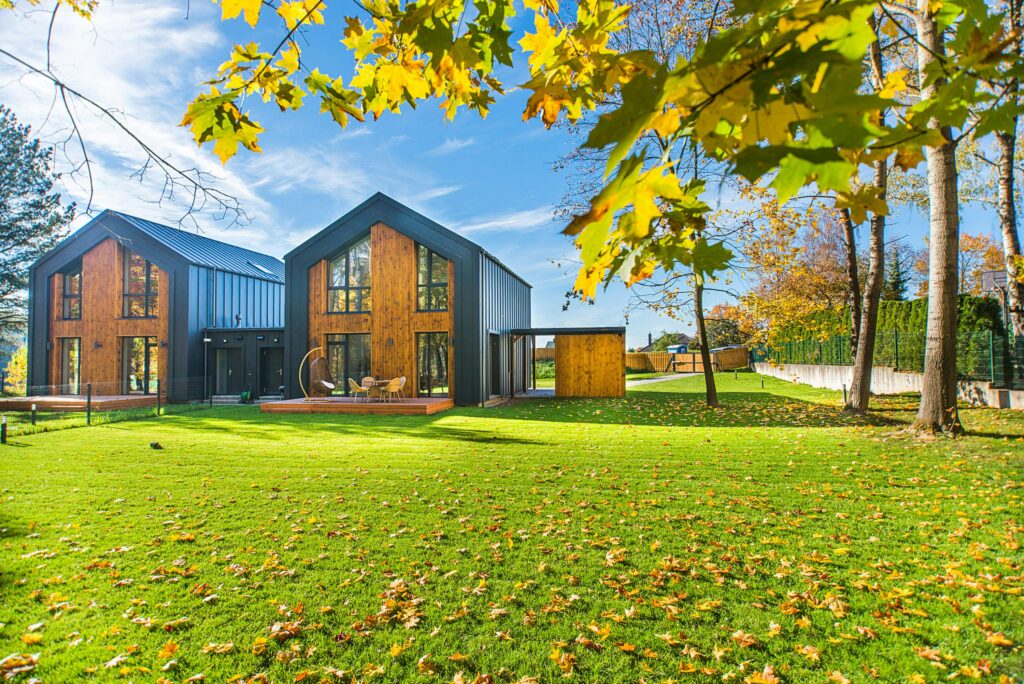
Key Concepts of Sustainable Remodeling
In the evolving landscape of home remodeling trends for 2026, the term sustainable remodeling is more than just a buzzword; it is a philosophy that integrates environmental consciousness with modern design principles. At its heart, sustainable remodeling is a harmonious blend of ecological responsibility and innovation, a dance between preserving resources and enhancing living spaces. To truly grasp this concept, one must look beyond mere materials or energy efficiency, it is about a mindset that transforms how we conceive, design, and execute renovations.
Sustainable Remodeling as Environmental Stewardship
Imagine your home as a living organism, a delicate ecosystem that interacts with natural surroundings. Sustainable remodeling acts as a guardian of this ecosystem, minimizing harm while maximizing the potential for positive impact. This stewardship is not solely about cutting down on energy usage or waste; it involves a systemic way of thinking. For example, selecting materials that have a low carbon footprint or are sourced ethically is akin to choosing nutrient-rich soil for a garden, nurturing long-term health rather than quick gratification.
Sustainable remodeling also addresses the concept of lifecycle thinking. Much like a river that continuously flows and renews itself, the materials and systems integrated into a home should ideally be recyclable, reusable, or biodegradable, extending their usefulness and reducing strain on the planet. This cyclical approach challenges traditional linear renovation models, “buy, use, dispose”, offering instead a model that resembles the natural world’s own cycles.
The Interplay Between Technology and Sustainability
Sustainable remodeling in 2026 is inseparable from smart technologies that enable energy efficiency and intelligent resource management. Picture a home as a symphony orchestra where every instrument, from heating systems to lighting, works in perfect harmony under the conductor’s baton, advanced automation. Smart thermostats, energy-efficient lighting, and water-saving fixtures collaborate seamlessly to reduce consumption without sacrificing comfort.
But beyond technology’s functional role, it embodies a philosophical shift toward intentional living. Instead of mass consumption and waste, these innovations provide a framework where homeowners are more aware and connected to their energy footprint, almost like a digital mirror reflecting daily habits back in the form of data-driven insights. Sustainable remodeling thus becomes a form of conscious interaction with one’s environment, fostering a mindset of responsibility and care.
Resilience and Adaptability: The Pillars of Sustainable Home Design
Homes undergoing sustainable remodeling are designed to endure and adapt over time. This concept is akin to a tree that bends in the wind rather than breaks, resilient structures that can withstand climate variability, resource scarcity, and changing lifestyle needs. Durable materials, passive design elements (such as natural ventilation and daylighting), and modular construction methods form the backbone of this resilience.
Adaptability complements resilience by allowing homes to morph with their inhabitants’ evolving demands, reducing the need for resource-intensive future renovations. Think of it as a living artwork, capable of transformation without losing its core identity. This flexibility doesn’t merely preserve resources; it reflects respect for the ongoing human narrative within the walls of the home.
The Social Dimension of Sustainable Remodeling
Sustainable remodeling extends its reach beyond physical and environmental factors into the social fabric. Renovating with sustainability in mind often prioritizes healthier indoor environments, using non-toxic materials and improving air quality, for instance, thus enhancing the well-being of occupants. This consideration resembles the careful tending of a communal garden, where every choice nurtures collective health rather than compromising it.
Furthermore, sustainable renovation projects often support local economies by sourcing materials and labor locally, fostering community resilience. This social dimension highlights how sustainable remodeling is not an isolated act but a ripple within larger societal shifts towards mindful consumption and equitable resource distribution.
Integration with Modern Aesthetics and Lifestyle
One might wonder if sustainability and modern aesthetics are at odds. In reality, sustainable remodeling marries these elements in inventive ways. It challenges the preconception that eco-friendly means plain or utilitarian. Consider reclaimed wood flooring with a rich patina, solar panels seamlessly integrated into architectural design, or open floor plans oriented to maximize natural light, these are expressions of beauty born from sustainability principles.
The fusion of sustainability and modernity reflects a deeper human desire: to belong harmoniously with the environment while enjoying comfort and elegance. This duality is embodied in the clean lines, natural textures, and minimal waste philosophy that define today’s most forward-thinking remodels.
Conclusion: Sustainable Remodeling as a Transformative Narrative
To sum up, sustainable remodeling in the context of 2026 home renovation trends is not simply about green gadgets or recycled materials; it is a holistic paradigm shift. It asks homeowners to see their dwelling not merely as a static shelter but as a living participant in ecological cycles, a space of social wellbeing, and an adaptive canvas for smart innovation.
This narrative-driven approach encourages a deeper connection with our living environments and envisions a future where every remodeled home embodies respect for the planet, resilience against uncertainties, and a modern, stylish aesthetic that is both functional and soulful. Sustainable remodeling is, ultimately, a story of transformation, one where each renovation is a chapter written with intention, consciousness, and hope for a better world.
Frequently Asked Questions about Sustainable Remodeling
❓ What is sustainable remodeling and why is it important for home renovations in 2026?
Sustainable remodeling refers to upgrading your home using eco-friendly materials, energy-efficient designs, and waste-reducing practices. In 2026, it is crucial because it helps reduce environmental impact, lowers utility bills, and enhances the overall health and comfort of your living space.
❓ Which materials are considered best for sustainable remodeling projects?
Materials like reclaimed wood, bamboo, recycled metal, low-VOC paints, and renewable insulation options are popular choices. These materials not only minimize environmental harm but also improve indoor air quality and durability.
❓ How can smart technology integrate with sustainable remodeling?
Smart home devices, such as programmable thermostats, energy-efficient lighting, and water-saving systems, optimize resource use while increasing convenience. Incorporating these technologies aligns with sustainable remodeling by reducing energy consumption and utility costs.
❓ Is sustainable remodeling more expensive than traditional renovation?
While some sustainable materials and technologies might have a higher upfront cost, many homeowners find that energy savings and reduced maintenance lead to long-term financial benefits. Additionally, incentives and rebates for eco-friendly upgrades often offset initial expenses.
❓ Can sustainable remodeling increase my home’s value?
Absolutely. Modern buyers increasingly seek homes with green features. Sustainable remodeling not only makes your home more attractive on the market but also demonstrates a commitment to environmental responsibility, often boosting resale value.
By focusing on these smart, sustainable, and modern renovation ideas, home remodeling trends in 2026 ensure your space is future-ready, environmentally conscious, and uniquely stylish.