
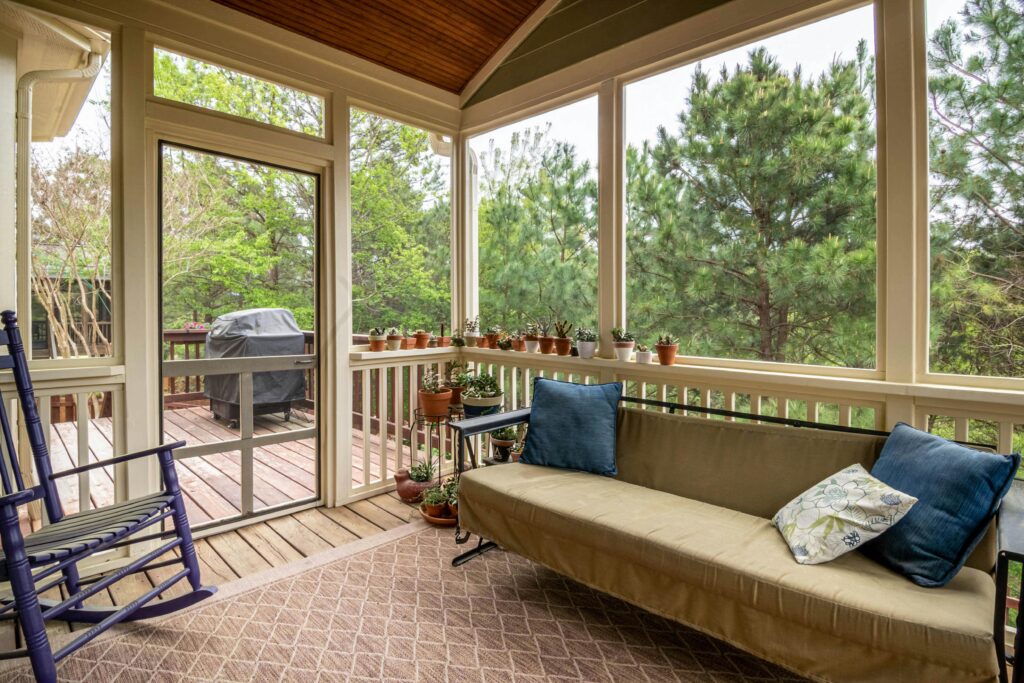
Imagine coming home after a chilly Maryland winter day, wrapped in a warm sweater, only to realize your living space feels cramped and disconnected from the cozy comfort you crave. Many homeowners in Maryland face this dilemma, wanting more room to relax and entertain but hesitant because of the harsh winter cold and persistent humidity that threaten their home’s comfort and structural integrity. This is where a thoughtfully designed room addition can make all the difference, offering not just extra square footage but a sanctuary tailored to thrive in Maryland’s unique climate.
If you’ve been considering a room addition but worry about moisture damage or maintaining a warm, energy-efficient home during frosty winters, you’re in the right place. This article will walk you through everything you need to know about Maryland room addition services, specifically built to handle the local weather’s challenges. From selecting materials that resist humidity to employing insulation techniques that keep cold drafts at bay, you’ll discover how to create a space that is both beautiful and built to last.
By the end of this read, you’ll understand why partnering with specialized Maryland contractors is essential. You’ll also gain valuable insights into the planning stages, common pitfalls to avoid, and innovative design ideas that ensure your extended living space complements your lifestyle while standing up to the elements. Whether you’re dreaming of a sunlit family room, a home office with a view, or an elegant guest suite, your new room addition can be both functional and inviting all year round.
Stay with us as we explore the intersection of smart design, climate-conscious building, and the warmth every Maryland homeowner deserves. Your perfect room addition awaits, crafted not just to add space, but to enhance your life through mindful adaptation to Maryland’s humidity and cold winters.
Key Takeaways
- A well-planned Addition provides more space while improving comfort year-round.
- Maryland’s humidity and cold winters require climate-smart design and materials.
- Proper insulation and moisture control prevent mold, drafts, and energy loss.
- Local contractors understand building codes and weather-specific challenges.
- A quality room addition increases both daily comfort and home value.
Why Room Addition Is More Important Than You Think in Maryland’s Humid and Cold Winters
When it comes to enhancing your home’s comfort and value in Maryland, a room addition is more than just extra square footage. Maryland is known for its distinctive climate features: high humidity during the summer months and chilly, sometimes harsh winters. Understanding why a room addition designed specifically for these conditions can transform how you live and protect your investment is crucial.
What Is a Room Addition?
A room addition is the process of expanding your existing home by building a new room or extending an existing area to create more living space. Unlike simple renovations or remodeling, a room addition involves structural changes that increase the physical footprint of your home. This can be anything from adding a sunroom, extra bedroom, family room, or even a dedicated office space.
Why Room Additions Matter in Maryland’s Climate
Maryland’s humid summers can make indoor environments uncomfortable without proper ventilation and humidity control. Likewise, cold winters demand efficient insulation and heating solutions to maintain warmth without skyrocketing energy bills. A room addition tailored to these environmental factors ensures that your new space isn’t just larger , it’s smarter.
According to a study by the U.S. Energy Information Administration, homes in colder and more humid climates can experience up to a 30% increase in heating and cooling costs if the additional space isn’t properly insulated and ventilated. This statistic highlights the importance of designing room additions with Maryland’s specific weather challenges in mind.
Benefits Beyond Space: Comfort, Efficiency, and Value
When you invest in a room addition with expert Maryland contractors experienced in managing humidity and cold weather concerns, the results go far beyond creating more space:
– Enhanced Comfort: Proper insulation and moisture-resistant materials keep the new room cozy in winter and fresh in summer. Imagine waking up in your new addition to a warm, dry space, no matter how gloomy it feels outside.
– Energy Efficiency: By integrating modern, energy-efficient windows, HVAC systems, and vapor barriers, your home will maintain ideal temperatures without excessive energy use.
– Property Value Increase: Real estate experts agree that well-designed room additions significantly boost home resale value. In Maryland, homes with additional livable space designed for local climate issues tend to attract more buyers and command better offers.
A Success Story: Turning a Maryland Home Into a Year-Round Sanctuary
Consider the story of the Johnson family from Annapolis. They were tired of feeling cramped in their 3-bedroom colonial home, especially during Maryland’s humid summers and cold winters. After consulting with a local specialist in room additions, they decided to build a sunroom that not only expanded their living space but included humidity control technology and insulated windows designed to combat Maryland’s weather extremes.
Today, the Johnsons enjoy a bright, comfortable retreat all year long, with lower energy bills and increased home equity. Their story is a perfect example of how a thoughtfully planned room addition improves everyday living while addressing the unique challenges of Maryland’s climate.
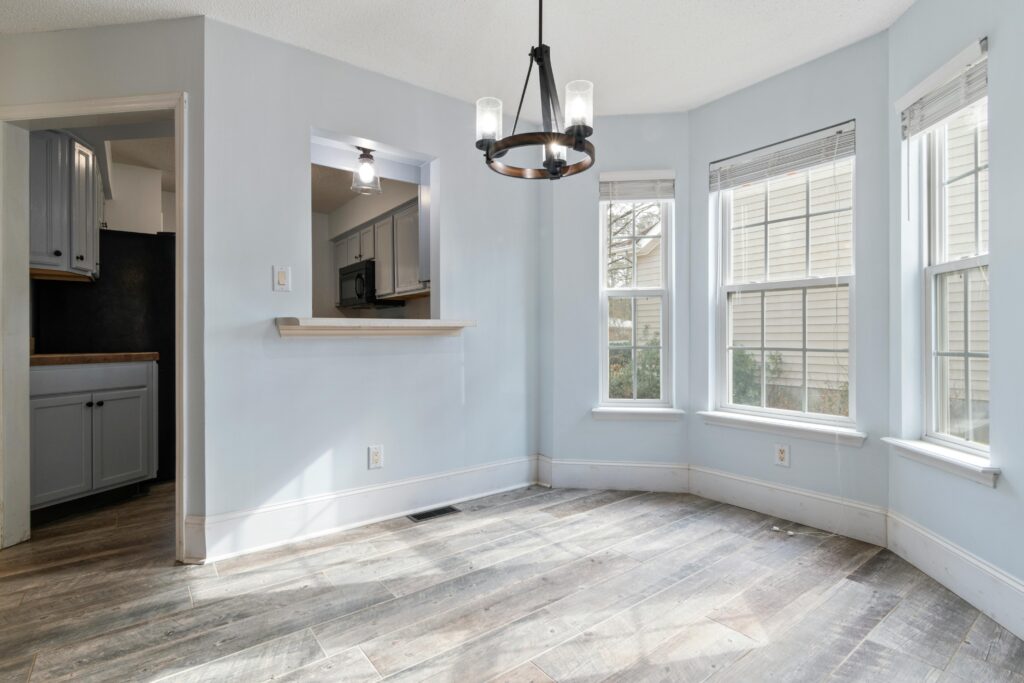
This closer look at room additions in Maryland highlights their significance beyond mere space creation. By focusing on solutions designed for humidity and cold winters, homeowners can enjoy lasting comfort, reduced costs, and an increased property value that truly pays off.
How to Apply Room Addition Techniques Step by Step for Maryland’s Humidity and Cold Winters
Adding a new room to your home in Maryland is an exciting project, but the unique climate challenges here, high humidity and cold winters, demand careful planning and execution. A room addition is not just about expanding space; it’s about creating a comfortable, energy-efficient environment that withstands Maryland’s weather extremes. Below, we offer a detailed, step-by-step guide on how to implement a successful room addition tailored specifically to these conditions.
Step 1: Assess Your Needs and Local Climate Impact
Before starting, clearly define the purpose of your room addition. Will it serve as a family room, sunroom, or perhaps a guest bedroom? Understanding its use will influence insulation, ventilation, and heating decisions.
– Evaluate Humidity Effects: Maryland experiences periods of high humidity, which can cause mold and moisture problems in poorly ventilated spaces.
– Consider Winter Cold: The winters are cold, so insulation and efficient heating are vital to maintain comfort and control energy costs.
Step 2: Planning and Design with Climate in Mind
Hire an architect or designer experienced in Maryland’s climate to draft plans that optimize energy efficiency. Critical elements include:
– Proper Insulation: Use high-quality insulation materials, such as spray foam or rigid foam board, to create a thermal barrier. This combats cold and moisture infiltration.
– Vapor Barriers: Install vapor barriers on the warm side of the insulation to prevent moisture from condensing inside walls.
– Window Selection: Opt for double or triple-paned windows with Low-E coatings to minimize heat loss and reduce condensation.
Step 3: Foundation and Structural Considerations
Maryland soils can vary from sandy to clay, affecting foundation stability. Ensure the foundation is robust and moisture-resistant:
– Waterproofing: Apply waterproof membranes or coatings to foundation walls to protect against groundwater seepage.
– Proper Drainage: Grade the land around your home to direct water away, and consider installing French drains if necessary.
– Frost Protection: Extend the foundation below the frost line (typically around 36 inches in Maryland) to prevent freeze-thaw damage.
Step 4: Construction Techniques to Combat Humidity and Cold
The construction phase must prioritize air sealing and moisture control:
– Sealing Gaps: Use expanding foam or caulk to seal all joints, windows, doors, and penetrations to prevent air leaks.
– Ventilation Systems: Incorporate energy recovery ventilators (ERVs) or heat recovery ventilators (HRVs) to maintain indoor air quality while conserving energy.
– Heating Solutions: Consider radiant floor heating or high-efficiency heat pumps designed for cold climates.
Step 5: Finishing Touches and Moisture Control
During the finishing phase, select materials that resist humidity and enhance warmth:
– Wall Materials: Choose mold-resistant drywall or cement board in areas prone to moisture.
– Flooring: Engineered wood, vinyl plank, or ceramic tile work well and withstand Maryland’s humidity better than solid hardwood.
– Paint and Sealants: Use mildew-resistant paints and sealants to safeguard walls and ceilings.
Step 6: Maintain and Monitor Your New Room Addition
Once your room addition is complete, ongoing maintenance is crucial:
– Humidity Monitoring: Use a hygrometer to keep indoor humidity between 30–50%. Dehumidifiers can help during damp summer months.
– Regular Inspection: Check seals, insulation, and HVAC components annually to ensure performance remains optimal.
– Energy Efficiency Checks: Implement a home energy audit periodically to identify and address new inefficiencies.
By following these steps meticulously, your Maryland room addition will not only increase your living space but also provide a comfortable haven from the relentless humidity and cold winters. Careful planning, quality materials, and expert construction tailored to the region’s climate ensure your investment stands strong and comfortable for years to come.
Tips for a Successful Room Addition in Maryland: Designed for Humidity and Cold Winters
✅ Plan for Insulation: Use high-quality insulation materials to keep your new room warm during Maryland’s cold winters and prevent moisture buildup from humidity.
✅ Choose Humidity-Resistant Materials: Select flooring, drywall, and paint that resist mold and mildew caused by Maryland’s humid climate.
✅ Install a Vapor Barrier: Incorporate vapor barriers in your walls and floors to stop moisture penetration and protect structural integrity.
✅ Opt for Energy-Efficient Windows: Use double or triple-pane windows to maintain indoor temperature and reduce heating costs.
✅ Upgrade Heating Systems: Consider extending your home’s heating system or installing radiant floor heating to keep the addition cozy in cold weather.
✅ Ensure Proper Ventilation: Incorporate ventilation fans or dehumidifiers to control indoor humidity levels and improve air quality.
✅ Seal All Gaps and Cracks: Prevent drafts and moisture intrusion by thoroughly sealing windows, doors, and foundation gaps.
✅ Work with Local Experts: Hire Maryland-based contractors experienced in room additions who understand local climate challenges and building codes.
💡 Extra Tip: Schedule your room addition project during the drier spring or fall months to avoid weather delays and ensure proper drying of construction materials.
Key Concepts: Understanding Room Addition in Maryland’s Unique Climate
When exploring the idea of a room addition in Maryland, it’s essential to grasp the deeper elements that define this construction process, especially within the distinctive challenges presented by the state’s humidity and cold winters. This section delves into the foundational concepts that shape how room additions are conceived, planned, and ultimately experienced in Maryland, creating living spaces that are not only expansive but also resilient and comfortable year-round.
The Room Addition: More Than Just Extra Space
At its core, a room addition represents an extension of a home’s existing footprint , yet, it’s far more than merely adding square footage. Think of it as introducing a new chapter in the story of a house. Each added room carries with it the weight of architectural dialogue, blending the past structure with contemporary needs and future aspirations.
In Maryland, where seasonal swings are pronounced, a room addition must be a carefully integrated dance between design and environment. Imagine your home as a living organism, where each room functions as an organ supporting the overall health. An addition, then, is like a newly grafted limb or a fresh leaf on a branch , it must harmonize with what came before but also bring its own vitality, especially given the state’s humid summer air and the piercing winters.
Climate-Responsive Design: The Invisible Architecture
Maryland’s climate exerts a silent yet constant influence on every home improvement project. With summer humidity levels often soaring and winter temperatures plunging below freezing, room additions here are less about architectural showmanship and more about smart environmental stewardship.
Consider the analogy of wearing a layered outfit that adapts to changing weather , a room addition must embody this adaptability. This means incorporating materials and designs that manage moisture efficiently, prevent condensation, and conserve heat effectively during frigid months. The invisible architectural elements , vapor barriers, insulation layers, specialized window technologies , serve as the unseen fabrics and membranes protecting the home’s new space.
The Dance of Thermal Comfort and Moisture Control
Thermal comfort and moisture management do not exist in isolation; they intertwine like partners in a delicately orchestrated ballet. In Maryland, where indoor humidity can fluctuate dramatically with outdoor weather, a room addition must choreograph this interplay gracefully.
Imagine the addition as a well-tuned climate chamber. If insulation is the chamber’s walls, then ventilation is its breath, and dehumidification its heart. Without careful attention, moisture trapped inside walls or flooring can lead to structural issues like mold or rot , invisible enemies undermining the long-term durability and healthiness of your addition. Thus, understanding how heat flows and moisture migrates becomes a cornerstone concept in crafting a successful room addition amid Maryland’s climate realities.
Structural Integration: Respecting the House’s Origins
A room addition is, in essence, a bridge between old and new. It must respect the structural language and engineering principles of the existing home while adding strength and stability. Imagine the original house as a classic novel , the room addition is a carefully written sequel, meant to enhance the narrative without contradicting or overshadowing the original plot.
In Maryland, the structural challenges include accommodating soil types prone to moisture retention, frost heave during winter, and potential shifting loads from snow accumulation. These factors mandate that a room addition not only adhere to building codes but also anticipate the unique stresses imposed by the local environment. The foundation, framing, and roofing systems must coalesce seamlessly, creating an enduring framework capable of withstanding both seasonal extremes and the test of time.
The Psychological and Emotional Dimension of Space Expansion
Adding a room goes beyond the physical realm; it extends into the psychological and emotional experience of home. Space defines how people inhabit, move through, and feel within their environments. A well-conceived room addition serves as a sanctuary, a joyful gathering spot, or a quiet retreat , recalibrating the emotional geography of a household.
In the context of Maryland’s challenging weather, a room addition often becomes a place of refuge from the extremes outside , a cozy warmth shielding occupants from winter’s chill or a dry haven from oppressive summer humidity. It’s not merely brick and mortar but a transformative space that nourishes wellbeing. Understanding this emotional dimension imbues the concept of room addition with added richness beyond physical structures.
Materials Selection: Guardians Against Climate Stress
One cannot overstate the importance of material choices in the success of a room addition in Maryland. Materials are the frontline soldiers in the battle against moisture intrusion and thermal degradation. Imagine them as a suit of armor, needing to be robust yet flexible enough to adapt to temperature swings and humidity cycles.
Wood framing, brick veneers, vinyl sidings, and engineered composites each tell a different story in terms of breathability, insulation properties, and durability. Selecting the right combination ensures that the addition maintains indoor air quality, minimizes maintenance, and preserves structural integrity. The investment in quality materials echoes through every subsequent season, cushioning the addition against the relentless hammer of Maryland’s climate.
Energy Efficiency: A Subtle Art of Balance
While energy efficiency is often highlighted as a financial or environmental goal, within the context of a room addition in Maryland, it is also an art form. It involves balancing heat retention with ventilation, daylight access with insulation, and mechanical systems with natural airflow.
Imagine tuning a musical instrument: too tight, and the strings snap; too loose, and it sounds dull. Similarly, energy considerations shape how a room addition feels , neither stifling in summer nor freezing in winter. This balance contributes to a harmonious indoor environment, enhancing comfort while reducing ecological footprints and utility costs.
Conclusion: The Essence of Maryland Room Additions
In summary, grasping the concept of room addition within Maryland’s distinctive climate is akin to understanding a complex ecosystem where architecture, environment, and human experience intertwine. It’s a process of thoughtful integration , respecting the old while innovating for the new, designing for both moisture and cold, and elevating simple expansion into a meaningful enhancement of home life.

The successful room addition in Maryland is not only a physical enlargement but a poetic expansion of space that embraces environmental realities and enriches personal living experiences. It is a testament to how place shapes building, how seasons mold design, and how human needs inspire architectural creativity.
Frequently Asked Questions about Room Addition in Maryland
❓ What makes a room addition in Maryland different from other states?
Maryland’s climate, characterized by humid summers and cold winters, requires specialized construction techniques and materials. Room additions here are designed to handle moisture control and insulation to ensure comfort and durability throughout the year.
❓ How do Maryland room addition services address humidity issues?
Experts use vapor barriers, moisture-resistant insulation, and proper ventilation systems to prevent mold and mildew. These features help maintain indoor air quality and protect the structure from humidity-related damage common in Maryland homes.
❓ What insulation options are best for cold Maryland winters in a room addition?
High R-value insulation materials such as spray foam or fiberglass batts are preferred. They provide excellent thermal resistance, keeping the room warm during freezing temperatures while also reducing energy bills.
❓ Can I build a room addition any time of the year in Maryland?
While it’s possible year-round, spring and fall are ideal for construction. Moderate temperatures during these seasons help materials cure properly and reduce weather-related delays, ensuring a smoother building process.
❓ How long does a typical room addition project take in Maryland?
The duration varies depending on size and complexity but generally ranges from 6 to 12 weeks. Proper planning to accommodate humidity control and weatherproofing is factored into the timeline to guarantee a high-quality finish.
By understanding these key points about Maryland room addition services designed for humidity and cold winters, homeowners can make informed decisions and enjoy a comfortable, durable space year-round.