
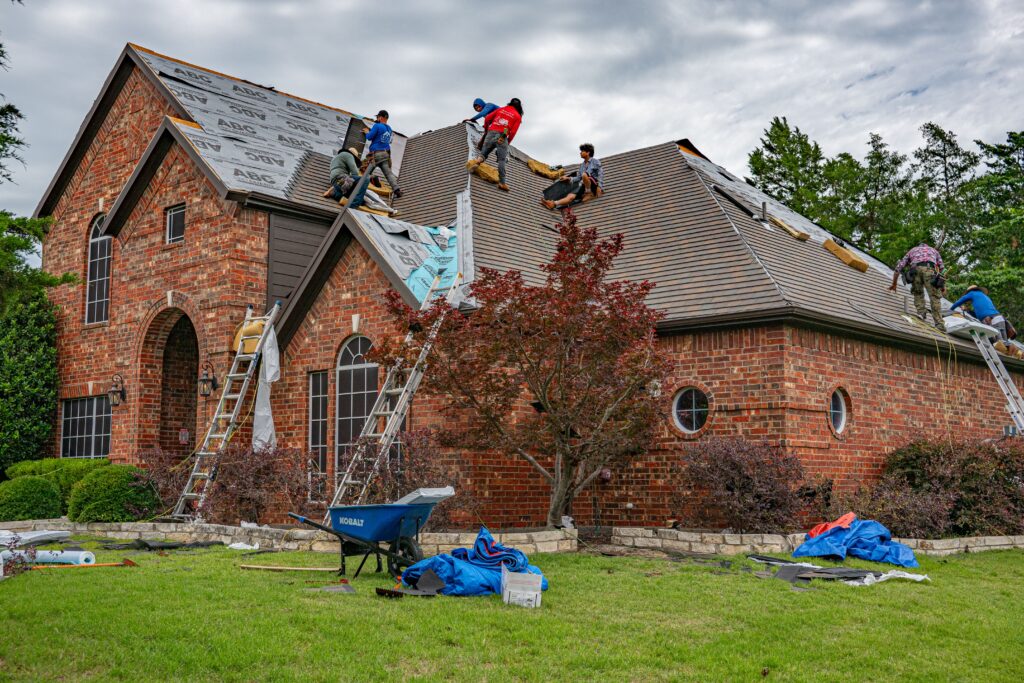
Last winter, a homeowner in Glen Burnie woke up to an unpleasant surprise: a persistent leak dripping from the ceiling onto his living room floor. The culprit? A roof that had reached the end of its life long before he expected. Stories like his are becoming more common across Arnold, Annapolis, and Bowie, where changing weather patterns and rising energy costs are forcing many property owners to rethink their roofing choices. As 2026 approaches, Roof Replacement in Maryland is no longer just a maintenance issue, it’s a financial and environmental decision that can shape the value and performance of a home for decades.
For homeowners, property managers, and real estate investors in communities from Columbia to Bethesda, understanding the pros and cons of modern roofing materials is essential. Metal roofing, once reserved for industrial buildings, has become a sleek, energy-efficient alternative, while architectural shingles continue to impress with their durability and classic appearance. But which option truly delivers the best balance of cost, longevity, and curb appeal? This question lies at the heart of the discussion about Roof Replacement in Maryland, and as building technologies and design preferences evolve, making an informed choice today can save thousands tomorrow.
Key Takeaways
1. Roof Replacement in Maryland is a long-term investment that balances protection, efficiency, and aesthetic value, especially as 2026 brings evolving building standards and climate challenges.
2. Both metal roofing and architectural shingles are strong options, metal offers durability and energy efficiency, while shingles provide classic style and affordability.
3. Local conditions matter: coastal areas like Annapolis benefit from corrosion-resistant materials, while shaded inland regions such as Potomac may prefer shingles that blend with traditional architecture.
4. Hiring certified, Maryland-based roofing contractors ensures compliance with regional codes, quality installation, and valid warranty coverage.
5. Proper ventilation, insulation, and waterproof underlayment are key to maximizing roof lifespan and preventing moisture-related damage.
6. Regular inspections, especially after storms, help detect small issues early and maintain performance for both residential and managed properties.
7. Sustainable roofing materials and reflective coatings support energy savings and align with Maryland’s environmental goals for 2026 and beyond.
8. Thoughtful planning, material selection, and professional installation together guarantee a Roof Replacement in Maryland that enhances safety, boosts property value, and delivers comfort through every season.
Understanding Roof Replacement in Maryland
Roof Replacement in Maryland involves more than just swapping out old shingles for new ones, it’s about choosing the right material that fits the state’s climate, architectural styles, and long-term property goals. With increasing storms, humidity, and hot summers common in areas like Silver Spring and Rockville, the type of roof you install in 2026 can significantly affect your home’s resilience, energy efficiency, and resale value.
For property managers overseeing rentals in Annapolis or investors flipping homes in Bowie, the right roofing choice can reduce maintenance costs and protect tenants’ comfort year-round. Two materials are leading the conversation: metal roofing and architectural shingles.
Metal Roofing: Durability Meets Modern Design
Metal roofing has gained ground across Maryland’s coastal and suburban regions due to its strength and sustainability. Homeowners in Crofton and Columbia often choose metal roofing for its 50-year lifespan, exceptional resistance to mold and wind, and the ability to reflect solar heat, lowering cooling bills in peak summer months.
In 2026, advancements in coatings and colors make metal roofs not only functional but also visually attractive. From sleek standing seam designs on modern Bethesda houses to textured finishes that mimic traditional shingles in Arnold, metal provides a high-end appearance with minimal upkeep. Although the upfront cost is higher, the long-term savings on repairs and energy bills often balance the investment.
Architectural Shingles: Beauty and Affordability Combined
Architectural shingles remain a favorite for many homeowners seeking versatility without breaking the bank. In Glen Burnie and Annapolis, these laminated asphalt shingles offer a layered look that enhances curb appeal while providing better wind resistance than standard three-tab shingles.
They’re typically easier to install and repair, making them practical for property managers overseeing multiple homes. With warranties now extending up to 30 years, they strike a balance between cost and performance that appeals to both classic colonial homes in Potomac and newer suburban builds in Bowie.
Choosing What’s Best for 2026 and Beyond
Ultimately, the best Roof Replacement in Maryland depends on your property’s location, budget, and long-term goals. Whether you prioritize longevity, sustainability, or aesthetics, both metal roofing and architectural shingles offer smart, value-adding solutions for the evolving demands of Maryland homes.
Step-by-Step Guide to a Successful Roof Replacement in Maryland
Successfully completing a Roof Replacement in Maryland in 2026 requires planning, expertise, and precision. Whether you live in a historic property in Annapolis, manage a rental in Columbia, or own a modern home in Rockville, understanding each stage of the process ensures lasting performance and compliance with local standards. Below is a detailed look at how contractors should properly execute a roof replacement project featuring both metal roofing and architectural shingles.
Step 1: Comprehensive Roof Inspection and Assessment
Every professional project begins with a thorough inspection. Contractors in Maryland typically start by evaluating the roof’s condition, structure, and ventilation. In humid regions such as Silver Spring or Bowie, hidden moisture damage and mold can compromise roof decks and underlayment.
Using drones or infrared cameras, inspectors identify leaks, sagging areas, and weak spots that could affect new materials. This step determines whether simple repairs or full replacement is necessary. A detailed inspection report should outline existing damage, roof slope, and recommended materials suitable for local weather patterns.
| Inspection Checklist | Key Focus Points |
| Visual assessment | Cracked shingles, rust, or water stains |
| Attic evaluation | Ventilation, insulation, and moisture control |
| Deck integrity | Rotted wood or structural weakness |
| Drainage review | Gutter and flashing conditions |
Step 2: Choosing the Right Material for Your Property
After inspection, the next step is material selection. For a Roof Replacement in Maryland, this decision isn’t purely aesthetic, it must align with the property’s environment and long-term goals.
· Metal Roofing: Recommended for homes in Crofton, Bethesda, or open areas exposed to high winds. It provides exceptional energy efficiency and requires minimal maintenance.
· Architectural Shingles: A preferred option for classic homes in Potomac or Arnold, offering beauty and cost efficiency.
Homeowners and managers should also discuss insulation and reflectivity options with their contractor to optimize indoor comfort year-round.
| Roofing Type | Lifespan | Ideal For | Key Benefits |
| Metal Roof | 40–60 years | Wind- and storm-prone areas | Durability, energy savings |
| Architectural Shingles | 25–35 years | Traditional-style homes | Affordability, curb appeal |
Step 3: Obtaining Permits and Preparing the Job Site
Each Maryland city may have specific roofing codes. Contractors in Annapolis or Rockville, for instance, must secure roofing permits before work begins. Proper documentation ensures compliance with safety and environmental regulations.
The crew then prepares the job site by protecting landscaping, setting safety barriers, and delivering materials. For rental communities in Columbia or Bowie, contractors often coordinate with property managers to minimize disruption to tenants and maintain access routes.
Step 4: Removing the Old Roof Safely
This phase involves stripping away existing roofing materials down to the roof deck. For older homes in Glen Burnie or Arnold, careful removal prevents damage to underlying structures. Waste should be properly contained to comply with Maryland’s environmental guidelines.
The deck is then inspected again for rot or structural weakness. Damaged wood is replaced to ensure a stable foundation for the new roof. This step is particularly important for properties in coastal areas like Annapolis where salt air and humidity accelerate deterioration.
Step 5: Repairing and Reinforcing the Roof Deck
Once exposed, the deck is cleaned and reinforced. Contractors verify proper ventilation and slope for efficient water drainage, critical in Maryland’s mixed climate of rain and snow. In Crofton or Silver Spring, where heavy rainfall can overwhelm gutters, this step reduces the risk of leaks and premature aging.
Upgraded underlayments, such as synthetic barriers or waterproof membranes, are then installed. These materials create an extra layer of protection between the roof deck and outer roofing materials.
Step 6: Installing the New Roofing System
This is where the craftsmanship shines.
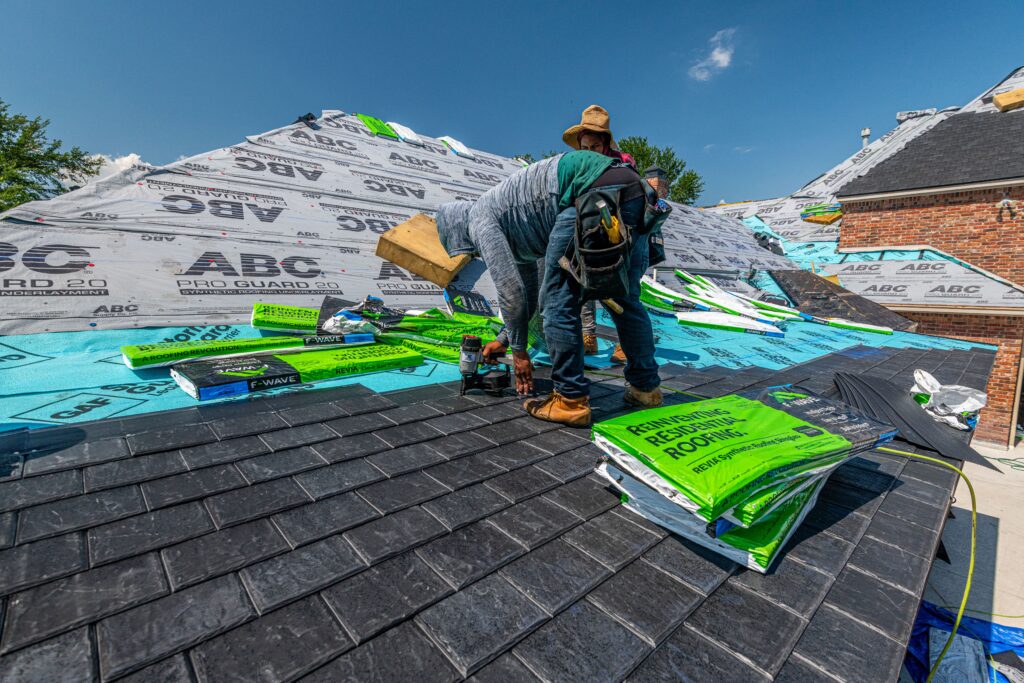
· For Metal Roofing: Panels or shingles are measured, cut, and secured using concealed fasteners. Contractors ensure proper overlap and sealing to prevent corrosion or wind uplift.
· For Architectural Shingles: The installation begins at the eaves and moves upward, following manufacturer specifications for staggered patterns and ventilation openings to prevent heat buildup.
Contractors in Potomac or Bethesda often customize edge trims, flashing, and vents to complement the home’s design while improving function.
Step 7: Finishing, Clean-Up, and Final Inspection
Once installation is complete, contractors inspect all flashing, gutters, and seals to guarantee watertight performance. The work area is cleaned, debris removed, and magnetic sweepers used to collect stray nails.
A final walkthrough is performed with homeowners or property managers to ensure satisfaction. In multi-unit complexes across Columbia or Rockville, inspection reports are shared with maintenance teams for future reference.
Step 8: Post-Installation Maintenance Plan
To maximize the lifespan of your Roof Replacement in Maryland, routine maintenance is key. Annual inspections, gutter cleaning, and immediate response to storm damage keep roofs performing efficiently. For property managers, scheduling biannual professional check-ups ensures warranties remain valid and tenants stay protected.
By following these steps, homeowners and investors across Maryland, whether in bustling Bowie or peaceful Arnold, can ensure their roofing projects meet 2026’s standards for efficiency, sustainability, and durability. A properly executed Roof Replacement in Maryland not only enhances safety and curb appeal but also reinforces the property’s value for decades to come.
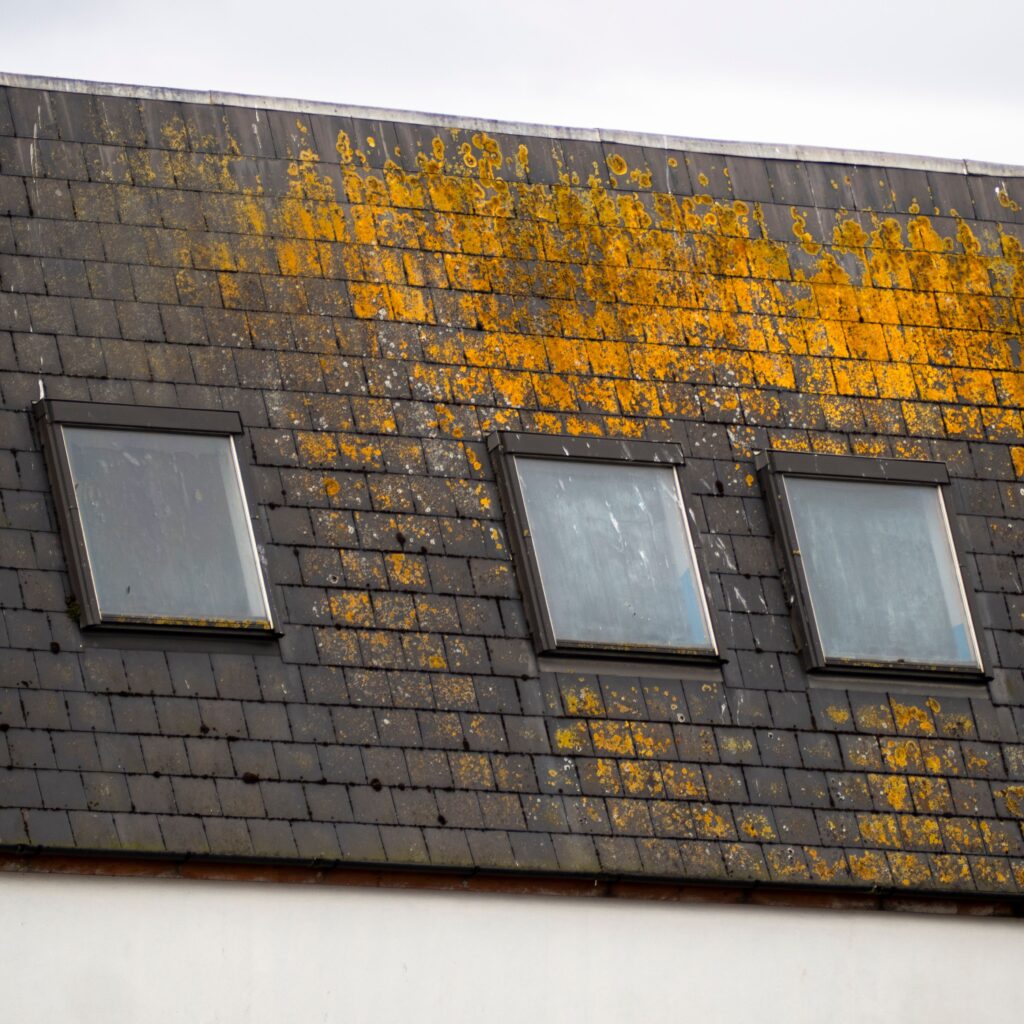
Knowing a few professional tips can make all the difference when planning a Roof Replacement in Maryland. Whether you own a rental property in Columbia, a family home in Glen Burnie, or manage a housing complex in Bowie, following best practices not only extends the roof’s lifespan but also helps reduce unexpected costs and performance issues over time.
Top Tips for Better Results:
- Choose certified contractors: Always hire licensed roofers familiar with Maryland codes and materials suited for local climates.
- Invest in proper ventilation: Efficient attic airflow prevents mold, moisture buildup, and excess heat, a common issue in humid areas like Silver Spring.
- Match materials to your environment: In coastal Annapolis, corrosion-resistant metal panels work best, while architectural shingles may suit shaded or wooded neighborhoods in Potomac.
- Schedule seasonal inspections: After harsh weather, inspect flashing, gutters, and fasteners to catch small issues early.
- Keep records and warranties: Document every installation detail for insurance and resale value.
Applying these guidelines ensures your Roof Replacement in Maryland delivers lasting value, energy efficiency, and structural reliability, no matter where your property is located.
Key Concepts for Roof Replacement in Maryland
Choosing to invest in a Roof Replacement in Maryland is not only a structural decision but also a strategic one that affects longevity, safety, energy efficiency, and property value. To ensure success, every homeowner, property manager, or investor in communities such as Annapolis, Bowie, Glen Burnie, and Bethesda should understand the essential concepts behind roofing performance, materials, and installation standards. These concepts help ensure that your chosen contractor delivers a roof that withstands Maryland’s evolving climate conditions in 2026 and beyond.
Roofing Materials and Performance Ratings
Understanding how material type impacts quality and durability is crucial. Metal roofing and architectural shingles behave differently under Maryland’s changing weather. In coastal Annapolis, salt air can accelerate corrosion, while in wooded Potomac, falling leaves can damage shingle surfaces. The material’s composition determines how well it handles these conditions.
| Material Type | Average Lifespan | Weather Resistance | Maintenance Level | Ideal Locations |
| Metal Roofing | 40–60 years | High resistance to wind, mold, and salt | Low | Annapolis, Crofton, Columbia |
| Architectural Shingles | 25–35 years | Moderate resistance to heat and snow | Medium | Bowie, Rockville, Glen Burnie |
Ventilation and Insulation Efficiency
A properly designed roof does more than keep out rain, it regulates temperature and airflow. In Maryland, where summers are humid and winters can be harsh, ventilation ensures that attic heat and moisture don’t cause structural damage or mold growth.
Contractors often install ridge vents or soffit vents in homes across Silver Spring and Bowie to balance airflow. When combined with attic insulation, this system reduces energy waste, lowers utility bills, and extends the life of the roof by preventing condensation beneath the surface.
Underlayment and Water Barriers
The underlayment is the hidden protective layer between the roof deck and outer surface. It prevents leaks, especially during heavy rain or melting snow. In Glen Burnie, where seasonal storms are frequent, premium synthetic underlayments outperform traditional felt paper due to their tear resistance and waterproof structure.
Using a self-sealing ice-and-water membrane in roof valleys and eaves, common in Annapolis homes, adds an additional moisture shield and prevents ice damming during cold snaps.
| Underlayment Type | Water Resistance | Durability | Recommended For |
| Felt Paper | Moderate | Low to medium | Budget-conscious projects |
| Synthetic Underlayment | High | Long-lasting | Most Maryland homes |
| Ice & Water Barrier | Very high | Specialized protection | Areas prone to snow and storms |
Roof Pitch and Drainage Design
The slope or “pitch” of a roof directly affects how efficiently water drains. A steep-pitched roof, seen frequently in Bethesda, encourages rapid runoff and reduces pooling, whereas low-slope roofs may require advanced waterproof systems.
Contractors performing a Roof Replacement in Maryland should calculate pitch to align with both design goals and drainage needs. Proper gutter placement, flashing, and downspout capacity keep rainwater away from siding and foundations, preventing long-term structural issues.
Building Codes, Permits, and Local Regulations
Local requirements vary across Maryland’s counties. For example, Annapolis and Rockville may require environmental review if replacing roofs on historic or waterfront properties. Understanding regional codes ensures your roof complies with energy-efficiency standards and wind ratings.
An experienced contractor will handle permits, documentation, and post-installation inspections. Property managers benefit by confirming these steps are properly completed to avoid costly rework or legal noncompliance.
Energy Efficiency and Reflectivity
Modern roofing systems contribute to lower energy use. Metal roofs, often coated in reflective paint, deflect solar radiation and keep interiors cooler, particularly useful for homeowners in Rockville or Columbia where summer temperatures peak. Some architectural shingles now incorporate solar-reflective granules, bridging the gap between traditional style and modern performance.
By investing in high-efficiency roofing materials, property owners not only reduce cooling costs but can also align with Maryland’s emerging sustainability initiatives in 2026, which emphasize greener construction standards.
Warranty and Manufacturer Support
A comprehensive warranty offers peace of mind and financial protection. The best warranties cover both materials and workmanship for extended periods. For example, many metal-roof manufacturers offer 40-year coverage, while premium shingle brands provide 30-year guarantees.
Homeowners in Crofton or property managers overseeing multiple units in Silver Spring should always verify warranty transferability, as it increases property value during resale or tenant transitions.
Contractor Certification and Quality Control
A final yet critical concept is choosing a certified and reputable contractor. Roofing professionals trained by manufacturers provide precise installations and preserve warranty validity. Before the first nail is driven, ensure your contractor is licensed, insured, and experienced with Maryland’s specific roofing conditions, from coastal winds to snow loads.
Routine quality checks during and after installation, such as fastening inspections, flashing verifications, and watertight testing, help guarantee that your Roof Replacement in Maryland meets the highest standards for durability and safety.
Understanding these technical and operational foundations enables homeowners, investors, and property managers across Maryland, from Bethesda to Bowie, to make confident, well-informed decisions. By applying these key concepts, every Roof Replacement in Maryland can become a lasting investment in comfort, efficiency, and the long-term protection of your property.
Frequently Asked Questions About Roof Replacement in Maryland
How often should I plan for a roof replacement in Maryland?
Most roofs in Maryland last between 25 and 50 years, depending on the material. Architectural shingles generally need replacement every 25–35 years, while metal roofs can exceed 50 years with proper maintenance. Homeowners in Bowie or Columbia should schedule inspections every few years to monitor aging.
Which roofing type works best for Maryland’s climate, metal or shingles?
Both perform well but suit different needs. Metal roofs resist wind and coastal humidity, making them ideal for Annapolis and Crofton. Architectural shingles, however, remain popular in neighborhoods like Potomac for their classic look and affordability.
Does a new roof add value to my property?
Yes. A properly executed Roof Replacement in Maryland can raise home value by improving energy efficiency, curb appeal, and buyer confidence, especially important for property managers or sellers in Rockville and Bethesda.
How long does the replacement process take?
Depending on size and material, most projects in Glen Burnie or Silver Spring take between three and five days. Complex designs or weather delays may extend the timeline slightly.
What maintenance is required after installation?
Regular gutter cleaning, annual inspections, and clearing debris from valleys or flat sections help extend a roof’s life. Metal roofs might require occasional resealing; shingles may need damage checks after strong winds.
Are there eco-friendly roofing options for Maryland homes?
Absolutely. Modern metal roofs often include recycled materials and reflective coatings to lower cooling costs, while some shingle lines use sustainable asphalt blends suitable for eco-conscious homeowners.
A well-informed decision about Roof Replacement in Maryland ensures long-lasting protection, improved property value, and aesthetic harmony with your home’s surroundings.