
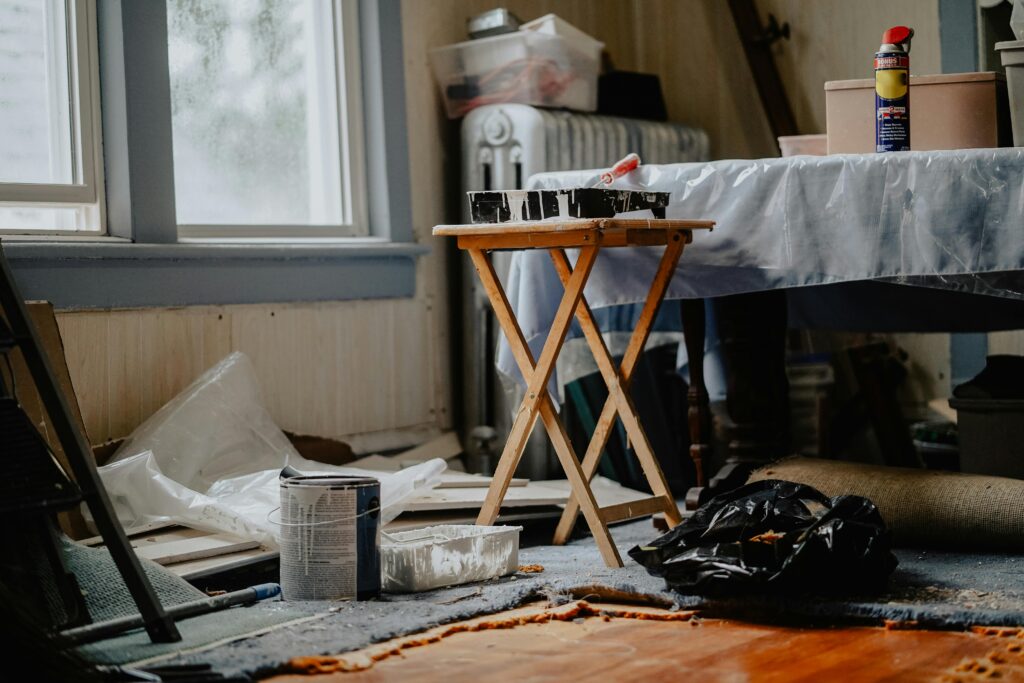
Thoughtful home remodeling can turn everyday moments into something special—like enjoying coffee in a kitchen where the countertops, sink placement, and workflow feel effortless, or relaxing in a bathroom whose layout and ambiance reduce stress instantly. Kitchens and bathrooms are especially powerful remodeling targets because they can dramatically improve both comfort and resale value, but starting a project can feel overwhelming: where to begin, what choices matter most, and how to avoid costly mistakes.
This article shares practical home remodeling tips for kitchens and bathrooms that balance style with functionality. You’ll learn how to choose the right materials, plan layouts that improve flow, and budget wisely while still incorporating modern trends. It covers ways to optimize space, select durable finishes built to last, and add smart storage solutions that reduce clutter and improve daily use. You’ll also explore eco-friendly options and smart home features that make these rooms more efficient and future-ready. Most importantly, the guide helps you personalize your remodel so it reflects your taste while making your home easier and more enjoyable to live in—without turning the process into a headache.
Key Takeaways
- A well-planned kitchen and bathroom remodel can make your Home feel more comfortable, efficient, and valuable.
- Start with function first: improve layout and workflow (kitchen work zones, bathroom movement and storage).
- Materials matter—choose durable, moisture-resistant finishes that look great and hold up over time.
- Smart storage reduces clutter and instantly improves daily use in both kitchens and bathrooms.
- Use layered lighting (ambient + task + accent) to boost usability and create a relaxing mood.
- Add eco-friendly and smart features (low-flow fixtures, LED lighting, ventilation, smart controls) to improve efficiency and future-proof the space.
- Avoid cost overruns by budgeting wisely, keeping a contingency, and hiring pros for plumbing/electrical when needed.
Why Home Remodeling is More Important Than You Think
Home remodeling is one of the most effective ways to increase both comfort and property value—especially when it focuses on kitchens and bathrooms, the spaces that shape daily routines the most. Remodeling isn’t only about making a home look better; it’s about improving how it works. It can include updating outdated fixtures, improving layouts, expanding usable space, and adding energy-efficient technologies that make the home more practical and enjoyable.
That’s a big reason remodeling has gained so much attention. Many homeowners see it as a lifestyle upgrade and a smart investment at the same time. A 2023 National Association of Realtors report notes that kitchen and bathroom remodels often deliver some of the strongest returns, with homeowners commonly recouping around 65–70% of the project cost at resale. In other words, you get everyday benefits now—plus long-term financial value later.
Lisa and Mark from Denver illustrate this well. After living in their home for over a decade, they renovated both their kitchen and bathroom. They focused on modern appliances, improved lighting, and more efficient layouts to replace cramped, outdated spaces. The result wasn’t just aesthetic: their new setup became a more inviting place for family time and relaxation, and the better ergonomics helped them move faster during busy mornings. On top of that, the upgrades increased the home’s resale appeal, making it more competitive in their neighborhood.
Ultimately, home remodeling—especially in kitchens and bathrooms—is about more than cosmetic fixes. It’s about creating spaces that reflect your personality, support your routines, and strengthen your home’s market appeal. Whether you’re planning a small refresh or a full renovation, understanding the deeper value of remodeling helps you make smarter, longer-lasting decisions.
How to Apply Home Remodeling Step by Step in Kitchens and Bathrooms
Embarking on a home remodeling project can seem overwhelming, especially when focusing on essential areas like kitchens and bathrooms. However, with a structured approach, you can transform these spaces into functional, beautiful environments that enhance your daily life and increase your home’s value. Here’s a comprehensive step-by-step guide to applying home remodeling specifically for kitchens and bathrooms, ensuring your project runs smoothly from start to finish.
1. Define Your Remodeling Goals
Before picking up a hammer or selecting materials, clarify what you want to achieve with your home remodeling project. Ask yourself:
– Are you remodeling to increase functionality, aesthetics, or both?
– Do you plan to update outdated features or completely redesign the space?
– What’s your budget, and how flexible is it?
Setting clear goals for your kitchen or bathroom remodel helps streamline decisions and prioritize needs versus wants.
2. Gather Inspiration and Plan Your Design
Now that you know your goals, start gathering ideas. Browse home improvement websites, magazines, or social media platforms like Pinterest and Instagram for inspiration. Consider styles, layouts, and color schemes that resonate with you.
– Kitchen remodeling ideas: open shelving, island additions, smart appliances, or extra storage options.
– Bathroom remodeling ideas: walk-in showers, modern vanities, heated floors, or eco-friendly fixtures.
Create a mood board or a digital folder where you compile images and notes. This visual reference will guide your remodeling process, ensuring consistency in design.
3. Set a Realistic Budget
Home remodeling can quickly become costly if not carefully budgeted. Break down your expenses into categories such as:
– Materials (tiles, cabinets, fixtures)
– Labor costs (contractors, electricians, plumbers)
– Permits and inspections
– Unexpected expenses (always allocate an extra 10-15% contingency)
Having a detailed budget helps you make informed choices and prevent surprises during your remodel.
4. Hire Qualified Professionals or Decide on DIY
Depending on the complexity of your home remodeling project, decide whether you will:
– Hire professionals: contractors, designers, electricians, plumbers
– Take on certain tasks yourself: painting, installing backsplashes, or assembling furniture
If hiring pros, get multiple quotes, check references, and ensure they’re licensed and insured. For DIY tasks, educate yourself adequately through tutorials and safety guidelines.
5. Create a Detailed Remodeling Timeline
Establishing a clear timeline is essential to keep your kitchen or bathroom remodel on track. Break down the project into phases:
– Demolition
– Plumbing and electrical work
– Structural changes (if any)
– Installation of new materials and fixtures
– Painting and finishing touches
Assign realistic durations to each phase and communicate with your contractors or helpers regularly to monitor progress.
6. Prepare Your Home for Renovations
Before construction begins, prepare your living space to minimize disruptions:
– Set up temporary kitchen or bathroom facilities if necessary.
– Protect flooring, furniture, and other areas from dust and debris.
– Inform family members or roommates about the schedule and any safety measures.
A well-prepared home environment will make the remodeling process smoother and less stressful.
7. Begin Demolition and Construction
With your preparations complete, demolition starts. Remove old cabinets, countertops, tiles, fixtures, or appliances carefully.
Next, move on to construction tasks such as:
– Installing new plumbing or electrical systems
– Building or installing cabinetry
– Laying down flooring or wall tiles
Ensure that all work complies with local building codes and standards.
8. Install Fixtures and Finishing Touches
Once the structural work is done, it’s time to install:
– Sinks, faucets, and lighting fixtures
– Countertops and backsplashes
– Mirrors, hardware, and decor elements
Pay close attention to detail to ensure proper fitting and finishing. This phase brings your kitchen or bathroom remodel to life.
9. Conduct a Final Inspection and Clean-Up
Before declaring your remodeling project complete:
– Inspect all installations for defects or issues.
– Verify that plumbing and electrical components are functioning correctly.
– Schedule any necessary inspections to meet local regulations.
Finally, deeply clean the remodeled space to remove dust and construction debris, allowing you to fully enjoy your new kitchen or bathroom.
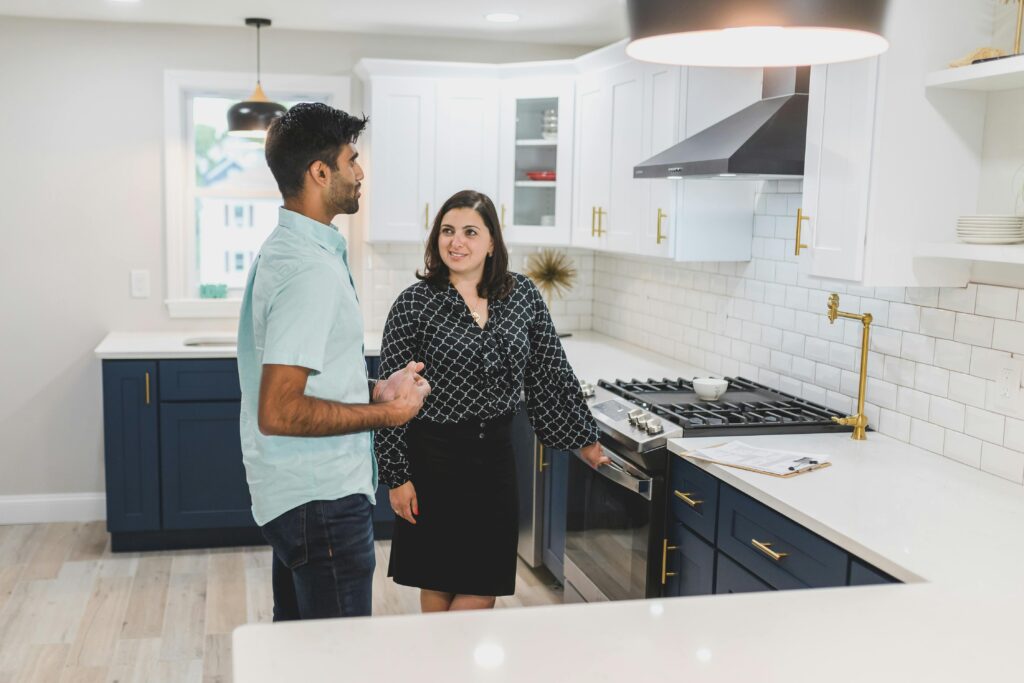
Example: Step-by-Step Kitchen Home Remodeling
| Step | Description | Estimated Duration |
|——-|————————————-|——————–|
| 1 | Planning and design | 2-3 weeks |
| 2 | Budgeting and hiring contractors | 1-2 weeks |
| 3 | Demolition | 1 week |
| 4 | Plumbing and electrical upgrades | 1-2 weeks |
| 5 | Cabinet and countertop installation | 1-2 weeks |
| 6 | Flooring and backsplash installation | 1-2 weeks |
| 7 | Finishing touches and inspection | 1 week |
—
Key Takeaway
Applying home remodeling to kitchens and bathrooms requires clear goal-setting, detailed planning, disciplined budgeting, and organized execution. By following these steps, you ensure your kitchen or bathroom not only looks stunning but also functions efficiently for years to come.
Embrace the process with patience and a blend of creativity and practicality, making your home remodeling journey both rewarding and successful.
Home Remodeling Tips for Kitchens and Bathrooms:
✅ Plan your layout carefully: Optimizing the flow between appliances and fixtures improves usability.
✅ Set a realistic budget: Allocate funds for unexpected expenses to avoid stress.
✅ Choose durable materials: Invest in high-quality countertops, flooring, and fixtures designed to withstand moisture and wear.
✅ Maximize storage space: Incorporate cabinets, shelves, and organizers to reduce clutter.
✅ Focus on lighting: Use layered lighting (ambient, task, and accent) to enhance functionality and ambiance.
✅ Upgrade ventilation: Ensure proper exhaust fans in kitchens and bathrooms to prevent mold and odors.
✅ Select water-efficient fixtures: Save on utility bills and promote sustainability with low-flow faucets and toilets.
✅ Don’t forget the details: Stylish hardware, backsplash, and paint colors can dramatically elevate the overall look.
💡 Extra tip: Consider hiring professionals for plumbing and electrical work to ensure safety and code compliance.
❌ Avoid trends that quickly go out of style: Opt for timeless designs to maintain value and appeal.
Key Concepts
Delving into the world of home remodeling, especially when it comes to kitchens and bathrooms, is akin to embarking on a transformative journey, one where functionality, aesthetics, and personal identity converge. These two pivotal spaces are more than just rooms; they are arenas of daily life that reflect both practical demands and the spirit of the home.
The Essence of Home Remodeling
At its core, home remodeling is the art of reimagining existing structures to better serve contemporary needs. Much like a sculptor chisels away to reveal the form hidden within marble, remodeling peels back layers of worn design or outdated layouts to unveil a refreshed, revitalized living environment. It is a conversation between the past and the future, where memory meets innovation.
Kitchens: The Heartbeat of the Home
The kitchen stands as the symbolic heart of a house, pulsing with activity, warmth, and connection. Remodeling a kitchen is not just about replacing countertops or cabinets; it’s about redefining how this heart beats. Consider the kitchen as a stage where daily rituals unfold, from the quiet solitude of morning coffee to the bustling choreography of meal preparation.
In this context, elements such as lighting, spatial flow, and material choice are the unseen rhythm section, subtle but vital. The interplay between open shelving and hidden storage, for example, can whisper stories of a family’s lifestyle, balancing display and practicality. The tactile sensation of natural wood versus sleek polished stone touches the senses, grounding the remodel in tangible experience.
Bathrooms: Sanctuaries of Renewal
Bathrooms serve as intimate sanctuaries, spaces where rejuvenation transcends the physical to touch the psychological. A bathroom remodel can be likened to crafting a personal spa, where design elements merge to evoke tranquility and refreshment. The choice of fixtures, from a rainfall showerhead to a freestanding tub, paints a narrative of indulgence and calm.
Water, as a recurring motif, symbolizes cleansing and renewal. In the bathroom’s design, this motif manifests through both visible features, like flowing faucets and reflective tiles, and atmospheric tones, such as soothing hues and gentle lighting. Every detail contributes to creating a cocoon that shields inhabitants from the outside world.
The Dance of Form and Function
Both kitchens and bathrooms exemplify the delicate dance between form and function in home remodeling. While aesthetics captivate the eye, functionality ensures these spaces serve their purpose seamlessly. Imagine a ballet where grace meets precision, beauty is meaningful only when paired with usability.
This harmony is especially evident in the spatial arrangement. For instance, the ‘work triangle’ in kitchens, a concept describing optimal positioning between stove, sink, and refrigerator, embodies an ergonomic principle hidden beneath design elegance. Similarly, bathroom layouts prioritize fluid movement and easy access to maximize comfort and safety.
Materials as Storytellers
Every material chosen in a home remodel narrates a chapter in the home’s evolving story. Porcelain tiles might evoke timeless elegance, while reclaimed wood speaks of sustainability and history. The tactile and visual textures chosen influence not just the look but evoke emotions, warmth, cleanliness, energy, or serenity.
Materials are storytellers whispering about the homeowner’s values and aspirations. Selecting matte finishes versus high gloss can subtly shift the room’s mood, much like choosing a background score changes the tone of a film scene. This depth of material storytelling enriches the remodel beyond surface appearances.
The Invisible Backbone: Planning and Vision
Underlying every successful remodel is a vision, a mental blueprint guiding choices amid myriad options. This vision is like the conductor of an orchestra, ensuring every element plays in harmony to produce a cohesive symphony. Without it, renovations risk fragmentation, where beautiful pieces fail to coalesce into a unified whole.
This unifying vision respects the home’s existing character while inviting innovation, balancing reverence for tradition with a nod to emerging trends. It embodies an understanding that remodeling is not just physical change but a narrative evolution, a new chapter that honors what came before while embracing what will be.
Emotional Resonance of Remodeled Spaces
Ultimately, home remodeling transcends bricks, mortar, and fixtures; it shapes emotional landscapes. A remodeled kitchen may inspire creativity and connection, while a refreshed bathroom offers refuge and peace. These spaces become extensions of self, mirrors reflecting lifestyle, comfort, and dreams.
The remodel, therefore, is a metaphorical ‘homecoming’, returning to familiar spaces renewed and redefined, inviting occupants to interact with their environment in deeper, more meaningful ways. It is a testament to human desire for growth, comfort, and belonging, etched into every tile and every corner.
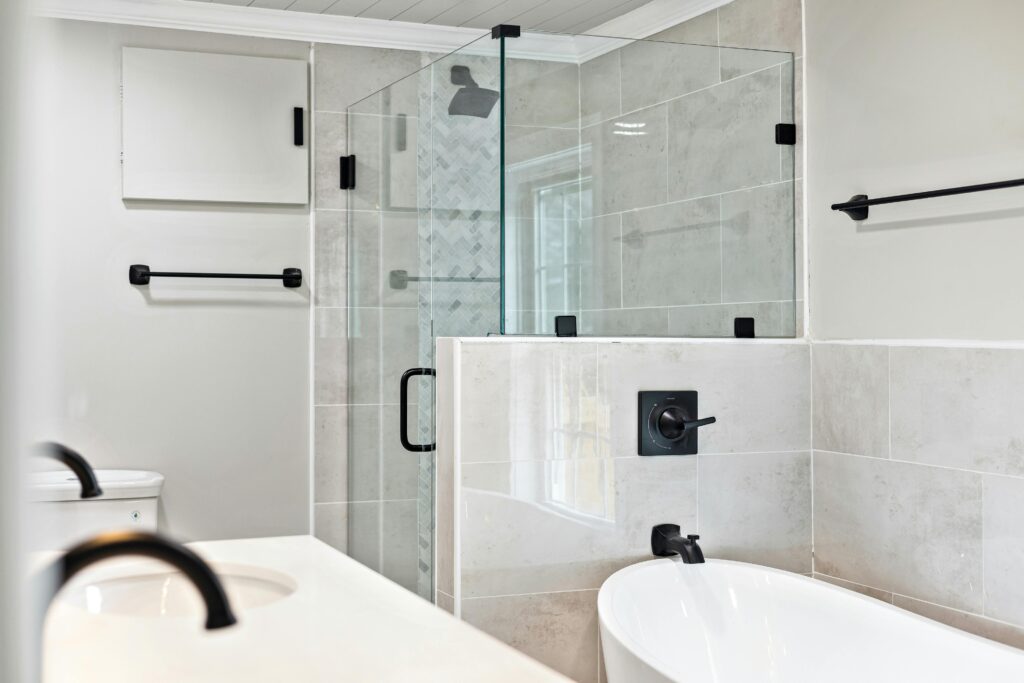
Through understanding these foundational concepts, room symbolism, the interplay of aesthetics and function, material narratives, planning vision, and emotional impact, the true depth and richness of home remodeling unfolds. Kitchens and bathrooms emerge not merely as remodeled spaces, but as living stories that continue to evolve with those who inhabit them.
Frequently Asked Questions about Home Remodeling Tips for Kitchens and Bathrooms
❓ What are the first steps to consider when starting a home remodeling project for kitchens and bathrooms?
Begin by setting a clear budget and timeline. Assess your current space to identify what needs improvement. Research design ideas and materials that fit your style and functionality needs, then consult with professionals if necessary.
❓ How can I maximize space in a small kitchen or bathroom during remodeling?
Focus on smart storage solutions such as pull-out cabinets, vertical shelving, and built-in organizers. Opt for light colors and reflective surfaces to create an illusion of space, and consider multi-functional fixtures to save room.
❓ What are the most cost-effective upgrades in kitchen and bathroom remodeling?
Updating fixtures like faucets and cabinet hardware, repainting walls and cabinets, and installing new lighting can significantly enhance the look without major expenses. Replacing countertops with affordable materials like quartz or laminate also provides good value.
❓ How long does a typical kitchen or bathroom renovation take?
The timeline varies depending on the project’s complexity, but most kitchen remodels take 6 to 12 weeks, while bathroom remodels may take 3 to 6 weeks. Proper planning ensures smoother progress and fewer delays.
❓ Should I DIY or hire professionals for remodeling my kitchen and bathroom?
It depends on your skill level and the project’s scope. Simple updates can be DIY-friendly, but for structural changes, plumbing, or electrical work, hiring licensed professionals is safer and often required by building codes.