
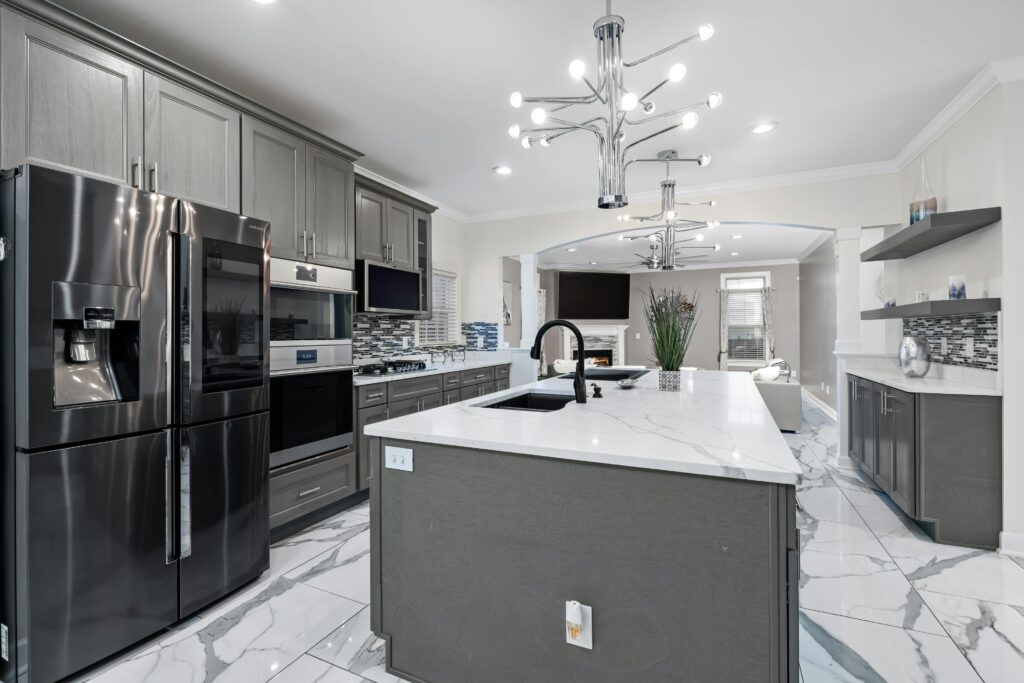
You’ve moved into your dream home, but the kitchen feels cramped, cluttered, and frustrating to use. That’s a common reason homeowners choose kitchen remodeling, and the layout is often the biggest factor that determines whether the space becomes effortless or stays inconvenient. The right kitchen remodeling layout can transform your daily routine, improve workflow, boost storage, and even increase your home’s value.
This article breaks down the most effective kitchen remodeling layouts so you can choose what fits your space and lifestyle. You’ll explore the advantages and trade-offs of popular designs like galley, L-shaped, U-shaped, and open-concept kitchens, and learn which works best depending on your kitchen’s size, shape, and how you cook and live day to day. Along the way, you’ll pick up practical tips to reduce countertop clutter, improve movement between key zones, and create a balance of comfort and style.
By the end, you’ll have clear, actionable guidance to design a kitchen that looks great and functions better—whether you’re a serious home cook, someone who hosts often, or simply want a more efficient, enjoyable space. With the right layout plan, you can unlock the full potential of your kitchen and turn cooking from a chore into something you actually look forward to.
Key Takeaways
- The right kitchen layout can unlock more Space, reduce clutter, and make cooking, cleaning, and hosting feel effortless.
- Choose layouts based on Space and lifestyle: galley/single-wall for small kitchens, L/U-shape for medium, and islands/open-concept for larger footprints.
- Prioritize the work triangle/work zones (prep, cook, clean, storage) to cut unnecessary steps and improve flow.
- Protect traffic flow by keeping major appliances out of walkways and avoiding pinch points when multiple people are in the kitchen.
- Use vertical Space (tall cabinets, shelving, pantry systems) to boost storage without crowding the floor plan.
- Open-concept designs can make a kitchen feel bigger, but zoning and storage are critical to keep it functional.
- Visualize before building: design software or a pro designer helps prevent expensive layout mistakes.
Why Kitchen Remodeling Layouts Are More Important Than You Think
Kitchen remodeling layouts matter far more than many homeowners expect because the layout can determine whether a remodel truly improves daily life—or simply looks nice. A layout isn’t just an aesthetic choice; it controls how efficiently you move, cook, clean, and interact in one of the most used spaces in your home. In many cases, the layout is the difference between a kitchen that feels effortless and one that still feels frustrating after spending money on upgrades.
A kitchen remodeling layout refers to the floor plan and placement of key elements: appliances, countertops, cabinets, and the main work zones (prep, cooking, cleaning, storage). The right layout affects storage capacity, safety, comfort, and how smoothly tasks flow. If the refrigerator is far from the stove, the sink is awkwardly positioned, or pathways pinch when more than one person is in the kitchen, cooking becomes inefficient and stressful. Even a “beautiful” kitchen can feel inconvenient if the layout forces constant back-and-forth movement, creates bottlenecks, or limits counter space where it’s needed most.
This is why optimized layouts tend to deliver higher satisfaction. The National Kitchen & Bath Association (NKBA) reports that a large share of homeowners feel significantly more satisfied after remodeling when the layout is redesigned for function—not just appearance. A practical layout blends style and usability, making the kitchen easier to live in every day.
Tips for Choosing the Best Kitchen Remodeling Layout for Your Space:
✅ Assess Your Space First: Measure your kitchen thoroughly before choosing a layout. Knowing your square footage helps determine which designs fit comfortably.
✅ Prioritize the Work Triangle: Ensure the sink, stove, and refrigerator form an efficient triangle to minimize unnecessary steps and maximize workflow.
✅ Consider an Open Concept: If space allows, removing walls to open your kitchen to the living or dining area can make it feel larger and more inviting.
✅ Choose Layouts Based on Kitchen Size:
– Small kitchens benefit from a galley or single-wall layout.
– Medium spaces often suit L-shaped or U-shaped designs.
– Large kitchens can accommodate islands and multiple workstations.
✅ Maximize Storage Vertically: Incorporate tall cabinets or shelving to use vertical space without crowding your floor plan.
✅ Plan for Traffic Flow: Avoid placing major appliances in high-traffic zones to prevent bottlenecks during cooking or entertaining.
✅ Incorporate Multi-functional Islands: Islands can serve as prep areas, dining spots, or storage hubs, tailor yours to how you use the space.
✅ Balance Aesthetics with Functionality: A beautiful kitchen is great, but make sure your layout supports your daily habits and cooking style.
💡 Extra tip: Use design software or consult a kitchen designer to visualize different layouts before committing to remodel decisions.
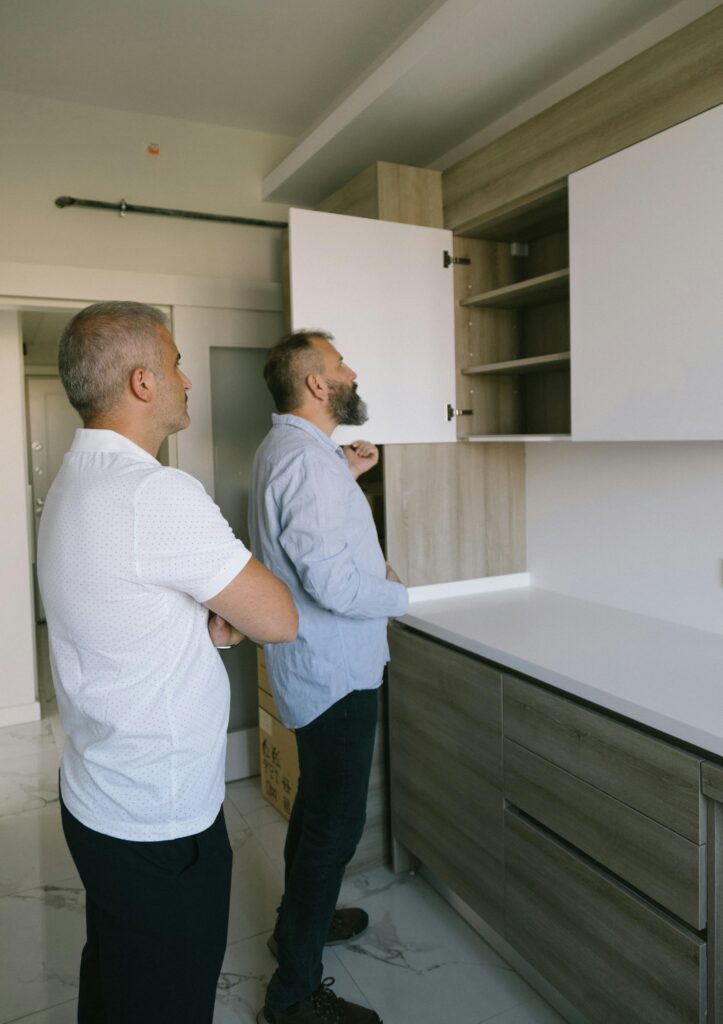
Key Concepts in Kitchen Remodeling Layouts: What Works Best for Your Space
Kitchen remodeling layouts are much more than mere arrangements of cabinets, appliances, and countertops. They embody a complex dance of form and function, aesthetics and ergonomics, working in harmony to craft a space that both inspires and performs. When deeply understood, these layouts are the backbone of a kitchen that elevates daily life, blending utility with style in a seamless narrative.
The Kitchen as a Dynamic Ecosystem
Imagine your kitchen as a living organism, a microcosm where various components interact continuously. The layout dictates how energy flows through this space, how cooks move, how family members gather, and how the culinary story unfolds. Whether it’s an intimate galley or a sprawling L-shape, the design guides these movements with subtle precision.
The kitchen layout becomes the framework for rhythm and flow, much like the choreography in a ballet. Each step from stove to sink to refrigerator forms an invisible triangle of activity, famously known as the “work triangle.” This conceptual model emphasizes efficiency and accessibility. When the triangle is balanced, the kitchen hums with ease; when it’s ignored, clutter and frustration take center stage.
Layouts as Spatial Narratives
Every kitchen remodel tells a story, of lifestyle, preferences, and spatial constraints. The layouts are the chapters of this story, each offering a distinct narrative arc:
– Galley Layouts can be seen as tight, efficient corridors of productivity, ideal for those who cherish minimalism and speed. Like a swift river, the confined space channels energy directly forward and back, requiring precision in movement and choice.
– L-Shaped Kitchens unfold like an artist’s canvas, providing open corners for creativity and social interaction. This layout invites flexibility and adaptability, opening pathways to dining or living areas, symbolizing connection.
– U-Shaped Designs craft a cocoon of functionality, surrounding the cook with surfaces and storage. This immersive experience feels like a tailored suit, every inch molded to support workflow and storage needs, offering a sense of command.
– Island Configurations serve as the heartbeat of modern kitchen living, a vibrant nucleus where preparation, socializing, and sometimes even dining converge. The island’s role is that of a storyteller’s centerpiece, drawing people together while providing functional versatility.
The Invisible Balance Between Space and User
One of the most profound truths in kitchen remodeling layouts is the dialogue between space and user. The physical dimensions, ceiling heights, natural lighting, and adjacent rooms all converse with who is using the kitchen and how. This ongoing dialogue transforms a generic layout into a personalized home.
Consider this like tailoring a garment, fabric and thread alone do not make a good fit; understanding the wearer’s shape and movements is essential. Similarly, a kitchen layout must blend the physical parameters with the inhabitants’ habits, roles, and even future plans.
Psychological and Emotional Dimensions Embedded in Layouts
Beyond utility, kitchen layouts influence moods and social dynamics. For instance, open-concept kitchens foster inclusivity and communication, breaking down barriers between cooking and living spaces. In contrast, more enclosed layouts can evoke a sense of sanctuary or focused craftsmanship.
This emotional layering means that selecting a layout is also about sculpting atmosphere. It is akin to choosing the lighting for a stage play, where shadows and brightness guide attention and mood.
The Role of Technology and Modern Trends
Kitchen remodeling layouts are continually evolving as new technologies and lifestyle trends emerge. The rise of smart appliances, integrated charging stations, and adaptive lighting has shifted the traditional boundaries of kitchen design.
Layouts now must anticipate and accommodate invisible elements, wiring, ventilation, sensor placements, that influence spatial planning at a fundamental level. It’s a silent partnership between tangible space and intangible innovation.
Longevity and Flexibility: The Silent Mandates
Another core concept behind designing a kitchen layout is its anticipated longevity and adaptability. Kitchens are unlike transient spaces; they tend to age gracefully over years or even decades. Thus, the successful layout accommodates evolving needs, whether enlarging a family, changing dietary preferences, or incorporating new technologies.
This foresight is like planting a garden; the initial arrangement sets the stage for future growth and changes, allowing the kitchen to flourish without abrupt reconfiguration.
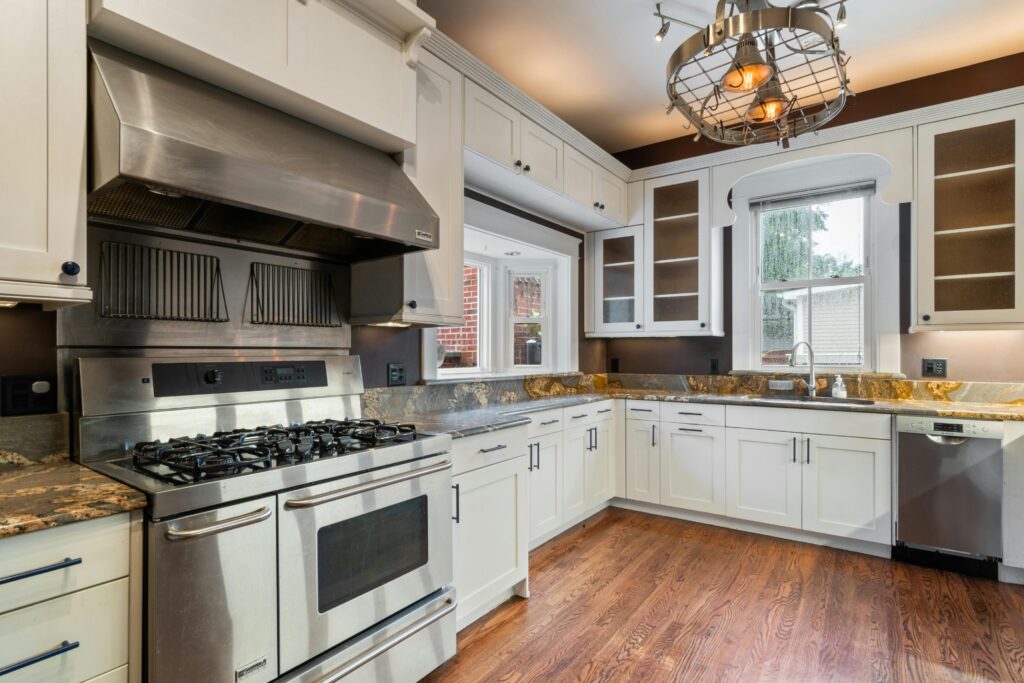
Kitchen remodeling layouts transcend mere blueprints: they are living frameworks that embody the intersecting lines of daily life, personal expression, and architectural possibilities. Understanding these key concepts unlocks the power to transform any kitchen into a meaningful space that truly “works best” for its unique environment and its people.
Frequently Asked Questions about Kitchen Remodeling Layouts: What Works Best for Your Space
❓ What are the most popular kitchen remodeling layouts?
The most popular kitchen remodeling layouts include the L-shaped, U-shaped, galley, and island layouts. Each offers different advantages depending on the size and shape of your kitchen space.
❓ How do I choose the best kitchen layout for my space?
Consider your kitchen’s size, shape, and how you use the space. For smaller kitchens, a galley or L-shaped layout maximizes efficiency. Larger kitchens benefit from U-shaped layouts or adding an island for extra workspace and storage.
❓ Can I combine different kitchen remodeling layouts?
Yes, blending layouts like an L-shape with an island or a U-shape with a breakfast nook can work well. Combining layouts helps customize your kitchen to fit your lifestyle and space perfectly.
❓ What should I keep in mind about the kitchen work triangle?
The kitchen work triangle connects the sink, stove, and refrigerator. A good remodeling layout maintains an efficient triangle to minimize movement and improve workflow, making cooking and cleaning easier.
❓ Is it worth hiring a professional for kitchen remodeling layouts?
Hiring a professional can save time and avoid costly mistakes. Designers can provide tailored layout plans that optimize your space, improve functionality, and enhance your kitchen’s aesthetic appeal.