
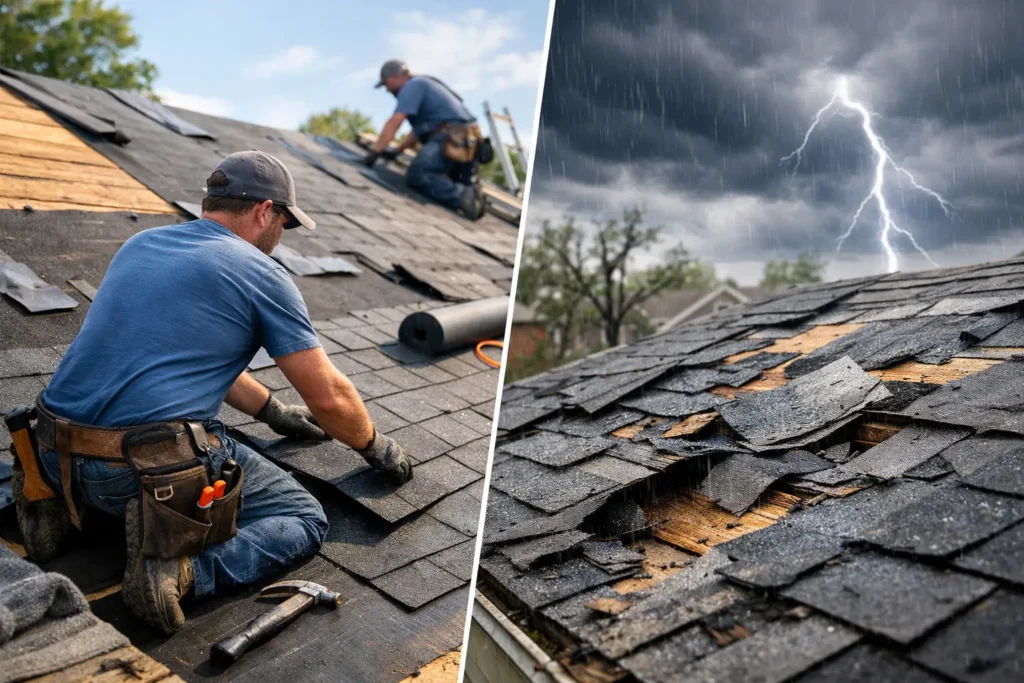
A storm can be over in twenty minutes and still leave your roof with problems that do not show up until the next hard rain. That is why roof replacement for storm damage should never be treated like a quick cosmetic fix. Missing shingles, bruised flashing, hidden leaks, and weakened decking can all turn a single weather event into a much larger repair if the damage is underestimated.
For Maryland homeowners, that risk is real. Wind-driven rain, hail, fallen branches, and sudden temperature swings can all affect how a roof performs after a storm. The right response is not to panic, but it is also not to wait and hope for the best. A careful inspection and a clear replacement plan protect both the structure of your home and the value of your investment.
Key Takeaways
- Storm damage can affect more than the visible roof surface. Missing shingles, damaged flashing, hidden leaks, weakened decking, and attic moisture can all create bigger problems if they are not addressed quickly.
- Not every storm-damaged roof needs full replacement. A professional inspection can help determine whether repair is enough or whether replacement is the more responsible long-term option.
- Roof replacement may be necessary when damage affects multiple slopes, water reaches the underlayment or decking, hail shortens the roof’s lifespan, or the roof was already near the end of its service life.
- Documentation matters after storm damage. Photos, written findings, and a clear scope of work can help homeowners understand the damage and support the insurance process.
- Insurance may cover storm-related roof damage, but coverage depends on the homeowner’s policy, the cause of loss, documentation, and the roof’s condition before the storm.
- Roofing materials should be chosen based on the home, local weather exposure, budget, and long-term performance goals. Asphalt shingles remain a popular option, especially when impact-resistant or architectural upgrades are considered.
- Workmanship is just as important as material quality. Proper flashing, decking inspection, ventilation, underlayment, and cleanup all affect how well the new roof performs over time.
When storm damage means repair is not enough
Not every storm-damaged roof needs full replacement. In some cases, a limited repair is the right move, especially if damage is isolated and the roofing system is still in solid condition. But there is a point where patching becomes the more expensive decision over time.
If shingles are torn off across multiple slopes, if hail has shortened the life of the roofing material, or if water has reached the underlayment and decking, replacement usually makes more sense than piecemeal repair. The same is true when a roof was already near the end of its service life before the storm hit. Installing a few new materials on an aging roof may solve the immediate leak while leaving you with ongoing vulnerabilities.
A professional inspection matters here because storm damage is not always obvious from the ground. A roof can look mostly intact and still have lifted shingles, punctures around penetrations, loosened flashing, or moisture intrusion in the attic. Those are the kinds of issues that keep spreading quietly.
What to expect during a roof replacement for storm damage
The first step is documentation. A qualified contractor should assess visible and hidden damage, photograph affected areas, and explain whether repair or replacement is the more responsible option. Homeowners often want a simple yes or no answer, but the real answer depends on the age of the roof, the extent of damage, and whether moisture has compromised the layers below the shingles.
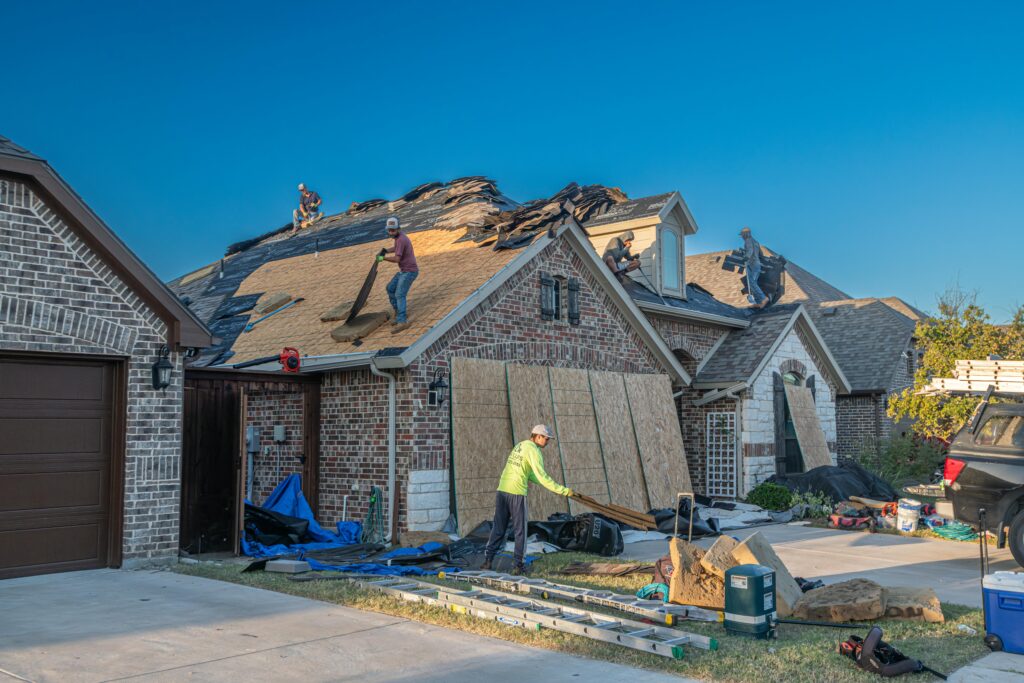
If replacement is recommended, the scope should be clear. That includes tear-off of damaged materials, inspection of roof decking, replacement of any compromised wood, installation of underlayment, flashing, ventilation components, and the finished roofing material itself. Good project management is just as important as good materials. You want a crew that protects landscaping, keeps the site organized, and completes the work with attention to detail.
You should also expect a conversation about matching the new roof to your home, your budget, and your long-term goals. For some homeowners, that means replacing with a similar shingle system to restore the house efficiently. For others, a storm event becomes the right time to upgrade durability, color, or overall curb appeal.
Insurance plays a major role, but it does not cover everything
One of the biggest points of stress after a storm is the insurance process. Many homeowners are unsure whether to file a claim, what documentation they need, or how claim decisions are made. The short answer is that insurance may cover storm-related roof damage, but coverage depends on your policy, the cause of loss, and the condition of the roof before the event.
This is where timing matters. If you wait too long to report damage, insurers may question whether the issue came from the storm or from deferred maintenance. Prompt inspection helps establish a clear record. It also helps you avoid secondary damage such as interior water stains, insulation problems, or mold growth.
A good contractor can support the process by providing photos, written findings, and a scope of work that aligns with observed storm damage. That does not mean every claim is automatically approved, and homeowners should be cautious of anyone who promises otherwise. What you want is honest guidance, thorough documentation, and a contractor who understands the practical side of insurance-related restoration work.
Signs your roof may need replacement after a storm
Some warning signs show up immediately. Others appear weeks later. If you notice shingles in the yard, bent gutters, granules collecting near downspouts, water stains on ceilings, or damp attic insulation, your roof needs attention right away.
There are also less obvious signs that deserve a closer look. A roofline that appears uneven, flashing pulled away from chimneys or vents, soft spots in decking, or increased drafts in the upper level of the home can all point to storm-related damage. Hail can be especially deceptive because it may not create dramatic holes, but it can bruise shingles and weaken their protective surface.
For homeowners in older properties, the issue is often cumulative. A storm exposes weaknesses that had been building for years. In that situation, replacement is less about overreacting to one event and more about addressing a roofing system that no longer offers dependable protection.
Choosing materials for roof replacement for storm damage
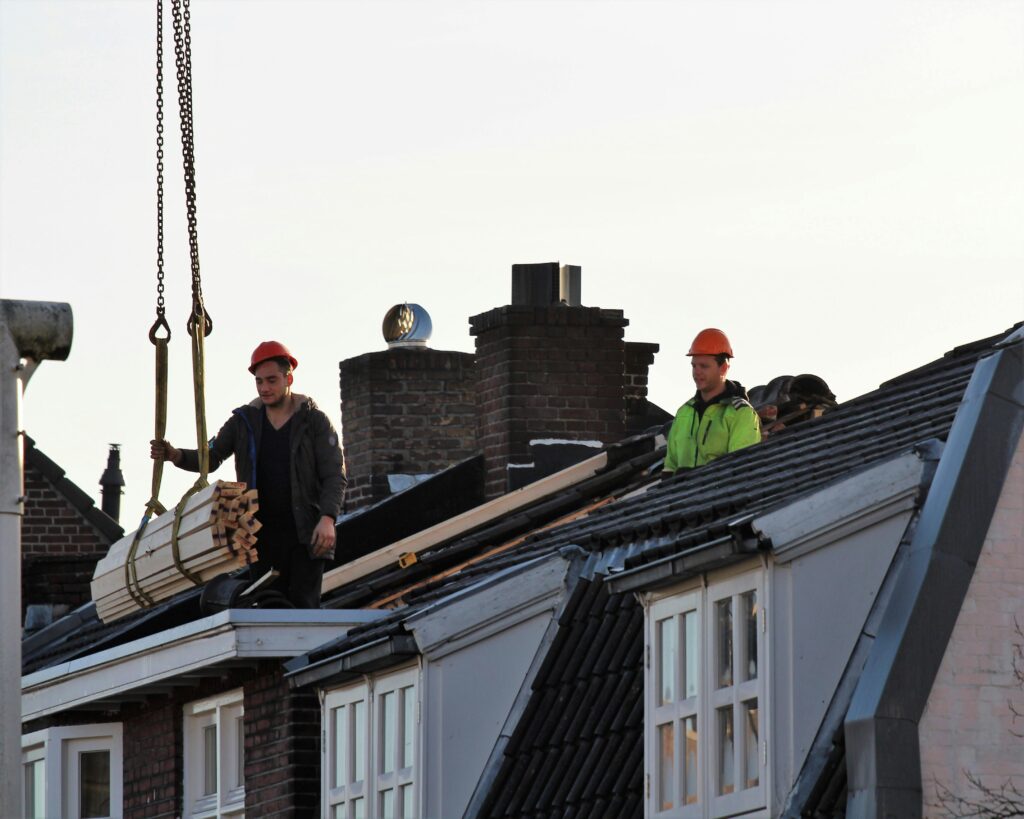
The best material is not always the most expensive one. It is the one that fits your home, local weather exposure, and performance goals. Asphalt shingles remain a popular choice because they are cost-effective, attractive, and available in impact-resistant options. For many Maryland homes, they offer a strong balance of value and reliability.
That said, there are trade-offs. Higher-grade architectural shingles typically provide better wind performance and longer life than basic three-tab products, but they come at a higher upfront cost. Some homeowners may also benefit from upgraded underlayment or improved attic ventilation as part of the replacement. Those improvements do not always get the most attention, yet they can make a meaningful difference in how the new roof performs over time.
The key is to think beyond replacing what was there before. A storm gives you a reason to ask whether your next roof should simply restore the old system or improve it.
Why workmanship matters as much as the shingles
A roof is only as dependable as the installation behind it. Even high-quality materials can fail early if flashing is installed poorly, ventilation is ignored, or decking problems are covered instead of corrected. Storm restoration is not the place for shortcuts.
This is especially true when multiple parts of the home are affected. Roof damage can connect to siding issues, window leaks, gutter failures, or interior water damage. Working with a contractor that understands both exterior restoration and broader home repair can make the process much smoother. Instead of coordinating several companies, homeowners can move through the project with clearer accountability and fewer delays.
That is one reason many Maryland homeowners look for a contractor that can manage both emergency response needs and lasting reconstruction work. Vinis Renovation & Restoration approaches those projects with the same focus homeowners want most after a storm: clear communication, quality workmanship, and respect for the home from start to finish.
How to make a smart decision under pressure
Storm damage puts people in a hurry, and that is understandable. When your home feels exposed, you want the problem fixed fast. But fast should not mean rushed. The best decisions usually come from balancing urgency with good information.
Start with a professional inspection. Ask whether the damage is isolated or system-wide. Ask what can be repaired, what should be replaced, and what risks come with delaying the work. Review the scope carefully, especially anything involving decking, flashing, ventilation, and cleanup. If insurance is involved, keep records organized and communicate promptly.
Most of all, choose a contractor based on credibility, not pressure. A dependable roofing partner will explain the trade-offs, answer questions directly, and recommend the work your home actually needs. That kind of guidance matters more than a sales pitch, especially when the stakes include structural protection, insurance compliance, and your family’s peace of mind.
A storm may be sudden, but the way you respond does not have to be reactive. The right roof replacement can do more than fix damage. It can restore confidence in your home and leave you better protected for whatever the next season brings.
Frequently Asked Questions
1. How do I know if my roof needs replacement after storm damage?
Your roof may need replacement if shingles are missing across multiple areas, hail has damaged the roofing surface, water has reached the underlayment or decking, or the roof was already aging before the storm. A professional inspection is the safest way to determine whether repair or replacement makes more sense.
2. Can storm damage be repaired instead of replacing the entire roof?
Yes. If the damage is isolated and the rest of the roof is still in good condition, a repair may be enough. However, if the damage is widespread or the roof has underlying moisture, weakened decking, or major material wear, replacement may be the better long-term solution.
3. What are common signs of roof storm damage?
Common signs include missing shingles, shingles in the yard, bent gutters, granules near downspouts, ceiling water stains, damp attic insulation, pulled flashing, soft decking, uneven rooflines, and leaks around chimneys, vents, or roof penetrations.
4. Will insurance cover roof replacement after storm damage?
Insurance may cover roof replacement if the damage was caused by a covered storm event, but coverage depends on your policy, the type of damage, the roof’s prior condition, and the documentation provided. Homeowners should report damage promptly and keep photos, inspection notes, and contractor findings organized.
5. Why is a professional roof inspection important after a storm?
Storm damage is not always visible from the ground. A professional inspection can identify lifted shingles, punctures, loose flashing, attic moisture, decking issues, hail bruising, and other hidden problems before they lead to leaks or more expensive repairs.
6. What should be included in a roof replacement scope?
A roof replacement scope may include tear-off of damaged materials, roof decking inspection, replacement of compromised wood, underlayment installation, flashing, ventilation components, shingles or other roofing materials, cleanup, and protection of landscaping or surrounding areas.
7. What should I look for in a storm damage roofing contractor?
Look for a contractor who provides clear documentation, explains repair versus replacement options, understands insurance-related restoration work, communicates honestly, avoids pressure tactics, and pays attention to workmanship details like flashing, ventilation, decking, and cleanup.