
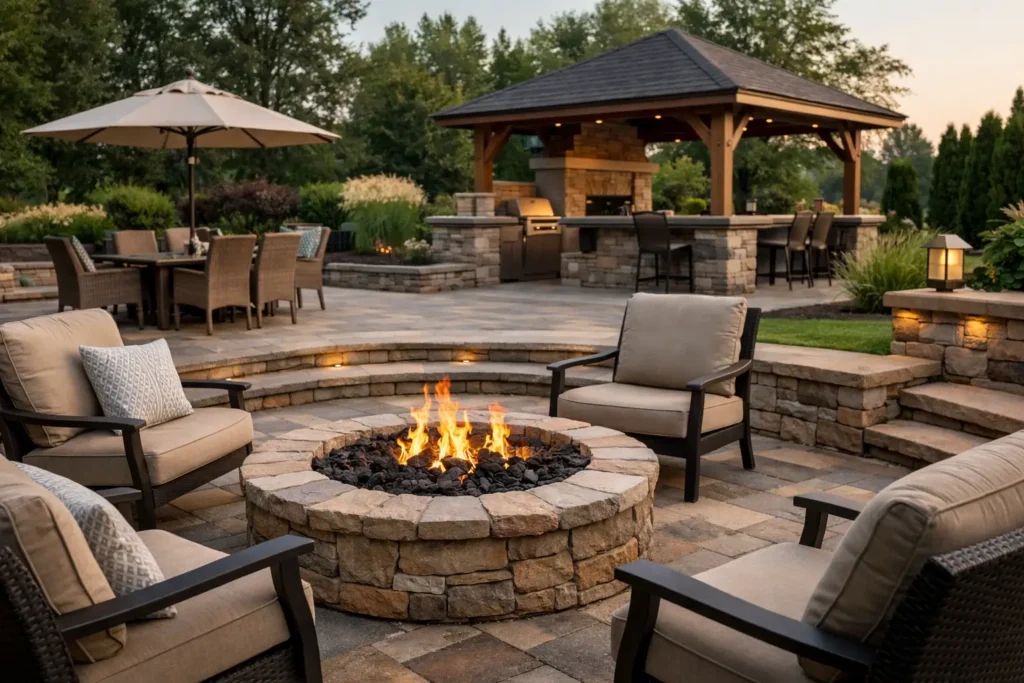
A patio can look simple on the surface – a clean layout, attractive pavers, a few chairs, maybe a fire pit. But homeowners usually learn the real value of good patio design and installation after the first heavy rain, the first freeze-thaw cycle, or the first summer they try to use the space every day. A patio that is planned well feels like a natural extension of the home. One that is rushed can create drainage issues, uneven surfaces, and maintenance headaches that show up fast.
For Maryland homeowners, that difference matters. Our climate brings humid summers, wet seasons, winter freeze-thaw movement, and yards that are not always level or easy to work with. That means the best patio is not just the one that looks good in photos. It is the one that fits the property, handles weather well, and supports the way your family actually lives.
Key Takeaways
- A good patio should be more than attractive; it should handle drainage, weather, daily use, and long-term wear.
- For Maryland homeowners, patio design must account for humid summers, wet seasons, winter freeze-thaw cycles, uneven yards, and soil movement.
- The best patio projects start with the property, not the product. Grading, drainage, soil stability, runoff patterns, and access points should be evaluated before choosing materials.
- Patio materials such as pavers, natural stone, brick, and poured concrete each have different benefits, costs, maintenance needs, and performance considerations.
- Proper installation matters because the patio’s strength depends heavily on excavation, base preparation, compaction, edge restraints, bedding layers, and drainage planning.
- Cost is affected by more than square footage. Site preparation, material choice, grading corrections, drainage work, backyard access, curves, patterns, steps, and added features can all change the final price.
- The right contractor should provide clear communication, realistic timelines, professional project management, and a design that feels connected to the home rather than like an isolated outdoor feature.
What good patio design and installation really involve
The design phase is where the patio earns its long-term value. Size, shape, material, drainage, grading, and traffic flow all work together. If one of those pieces is overlooked, the finished project may still look attractive at first, but it may not perform the way it should.
A well-designed patio starts with how the space connects to the home. Some homeowners want a quiet area for morning coffee. Others need room for outdoor dining, grilling, entertaining, or giving kids a safe, durable place to gather. Those uses affect layout more than most people expect. A dining area needs enough clearance around the table. A grill zone should feel convenient without crowding the seating area. Steps, door swings, and walking paths need to be considered before any base material goes down.
Material choice matters just as much. Concrete pavers, natural stone, brick, and poured concrete each have strengths. Pavers are popular because they offer flexibility in style and can handle movement better than a single slab in many conditions. Natural stone delivers a high-end look, but cost and installation complexity are usually higher. Brick brings classic character, though it may not suit every home style. Poured concrete can be cost-effective, but cracking and surface wear should be part of the conversation from the start.
There is no single best patio material for every property. It depends on budget, drainage conditions, maintenance expectations, and the look you want to achieve.
Start with the property, not the product
One of the biggest mistakes in patio planning is choosing the surface before understanding the site. A beautiful material cannot compensate for poor grading or unstable ground. If water already collects near the house, if the yard slopes aggressively, or if the soil shifts easily, those issues have to be addressed first.
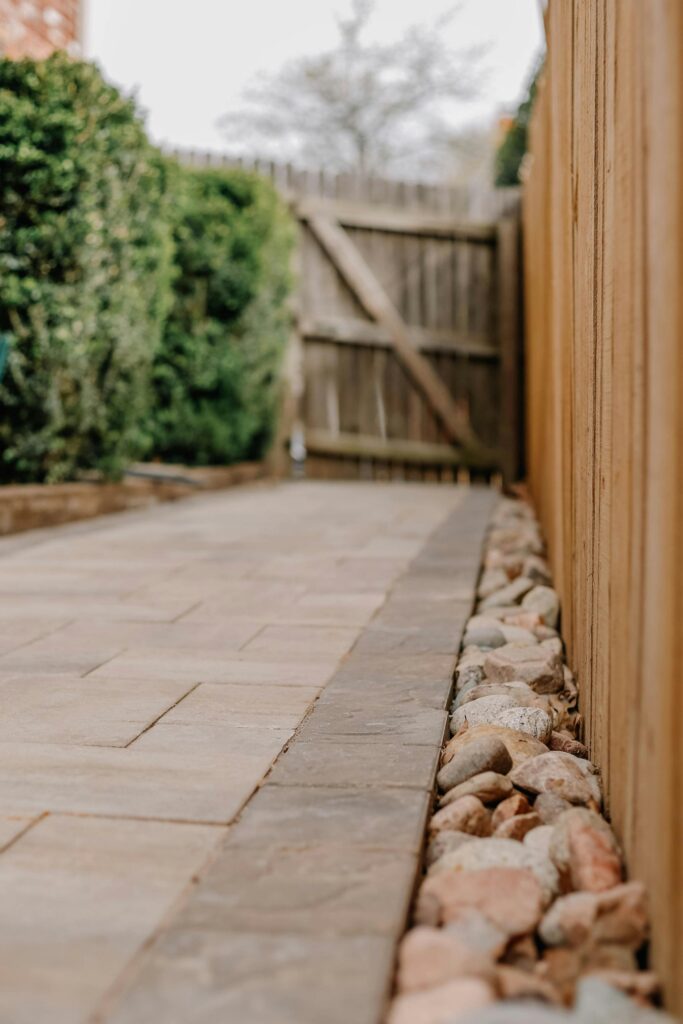
That is why professional assessment matters. The patio should slope away from the home at the proper rate so water drains correctly. The base needs to be excavated and compacted for stability. Edge restraints, bedding layers, and jointing materials all play a role in how the patio holds up over time. These details are not flashy, but they are the reason one patio stays level while another starts separating or sinking.
For many Maryland homes, drainage is the hidden factor that decides whether a patio becomes a smart investment or an ongoing repair project. Downspouts, runoff patterns, and low spots in the yard all need to be part of the plan. In some cases, adding drainage improvements with the patio installation is the better move than waiting for water problems to show up later.
Designing for the way you live
The most successful patios are not oversized by default. They are proportioned to the home and the people using them. Bigger is not always better if the result feels empty, expensive, or disconnected from the yard.
A better approach is to think in zones. You may want one area for dining, another for lounge seating, and perhaps a transition space leading to steps, a garden, or a deck. If the patio is near a kitchen or family room, easy access often matters more than total square footage. If privacy is limited, a layout that turns seating inward or incorporates plantings and screening can make the space feel more comfortable.
This is also where homeowners should think beyond the surface itself. Lighting, seat walls, retaining walls, pergolas, and fire features can all improve usability, but they need to be planned early. Adding them later is possible, but not always efficient. It is often better to create a phased plan from the beginning, even if every feature is not installed at once.
Patio design and installation costs: what changes the price
Homeowners often ask for a square-foot price, but patio costs are rarely that simple. Material is only one part of the total. Site preparation, excavation depth, grading corrections, access to the backyard, steps, curves, border details, drainage work, and added features can all shift the budget.
A straightforward patio on level ground with easy access will usually cost less than a smaller patio built on a sloped lot with drainage challenges. The design itself also affects labor. Intricate patterns, multiple elevations, and custom features take more time and skill to install correctly.
This is where clear project planning helps. A good contractor should explain where the money is going and what choices affect cost most. Sometimes the smartest budget decision is not choosing the cheapest material. It is choosing the system that will perform better with fewer repairs and less maintenance over the years.
Why installation quality matters more than homeowners expect
A patio is only as strong as what is beneath it. Homeowners naturally focus on color, shape, and style, but the base preparation is what protects the investment. Poor excavation or inadequate compaction can lead to shifting, pooling water, tripping hazards, and premature failure.
Professional installation also matters for fit and finish. Clean edges, consistent spacing, proper transitions to doors and steps, and a final surface that feels level underfoot all contribute to the result. These details are especially important when the patio ties into other exterior improvements such as siding, decks, or landscape elements.
For a company like Vinis Renovation & Restoration, that broader home-improvement perspective matters. A patio should not feel like an isolated project. It should work with the house, improve outdoor function, and add lasting value without creating new maintenance issues around the foundation or yard.
Common mistakes to avoid
Many patio problems can be traced back to a few avoidable decisions. One is building too close to the home without proper drainage planning. Another is selecting materials based only on appearance without considering slip resistance, maintenance, or how they will weather in Maryland conditions.
Undersizing is also common. A patio that technically fits a table may still feel cramped once chairs are pulled out and people start moving around. On the other hand, oversizing can reduce green space and increase cost without improving usability. That balance needs real thought.
There is also the question of permits and code-related concerns. Not every patio project triggers the same requirements, especially when grading, structures, walls, or utilities are involved. That is another reason experienced project management matters. Homeowners should not have to sort through every detail alone.
Choosing a contractor for patio design and installation
The right contractor should offer more than installation labor. You want a team that can assess drainage, explain material options clearly, create a layout that fits your home, and manage the project with professionalism from start to finish.
Look for clear communication, realistic timelines, and a process that does not skip preparation. If a proposal is vague about excavation, base depth, grading, or cleanup, ask questions. A strong contractor should be comfortable answering them. Patio work affects appearance, safety, and the performance of the property around it, so experience matters.
It also helps to work with a company that understands the bigger picture of residential improvement. Patios often connect with steps, exterior doors, siding lines, drainage corrections, and other renovation goals. When your contractor sees how those pieces relate, the final result tends to be more polished and more practical.
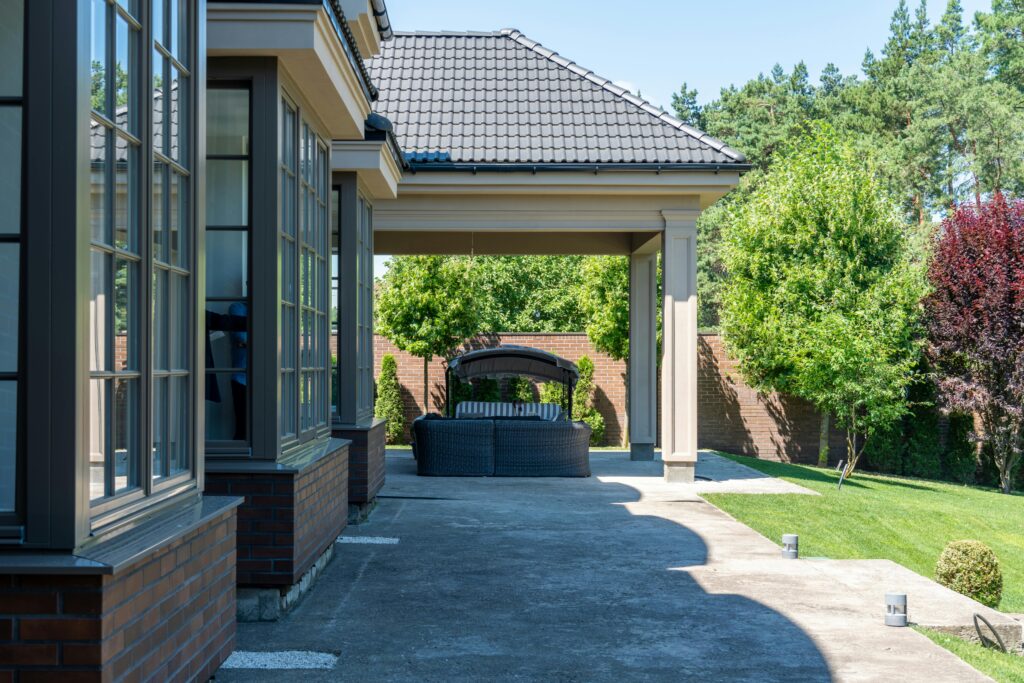
A well-built patio gives you more than outdoor square footage. It gives you a place that feels settled, comfortable, and ready to use season after season. If you plan it with care, choose materials with purpose, and insist on proper installation, the finished space will do what a good home upgrade should do – make everyday life easier, more enjoyable, and more connected to the home you already love.
Frequently Asked Questions
1. What should I consider before starting a patio design and installation project?
Start by thinking about how you want to use the patio. Outdoor dining, grilling, entertaining, relaxing, and family use all require different layouts. You should also consider drainage, grading, traffic flow, privacy, sun exposure, material options, and how the patio will connect to your home.
2. What is the best material for a patio?
There is no single best patio material for every home. Concrete pavers are popular because they offer design flexibility and can handle movement well. Natural stone provides a high-end appearance but usually costs more. Brick offers classic character, while poured concrete can be cost-effective but may be more prone to cracking over time. The best choice depends on your budget, style, maintenance expectations, and site conditions.
3. Why is drainage so important in patio installation?
Drainage is one of the most important parts of patio performance. If water collects near the house or sits on the patio surface, it can lead to uneven areas, sinking, maintenance problems, and possible issues around the foundation. A properly designed patio should slope away from the home and account for downspouts, runoff patterns, and low spots in the yard.
4. How much does a patio installation cost?
Patio cost depends on size, material, site preparation, excavation depth, grading, drainage work, backyard access, design complexity, steps, borders, curves, and added features. A simple patio on level ground will usually cost less than a patio built on a sloped yard or one that requires drainage corrections.
5. Why does base preparation matter for a patio?
The base is what supports the patio over time. Poor excavation, weak compaction, or improper bedding layers can cause shifting, pooling water, uneven surfaces, and tripping hazards. Even if the patio looks good at first, poor base preparation can lead to problems later.
6. What are common patio design mistakes to avoid?
Common mistakes include choosing materials based only on appearance, ignoring drainage, building too close to the home without proper grading, undersizing the patio, oversizing the patio, and failing to plan for features like lighting, seating walls, fire pits, steps, or privacy elements early in the process.
7. How do I choose the right patio contractor?
Look for a contractor who can assess your property, explain materials clearly, discuss drainage and grading, provide a detailed proposal, communicate well, and manage the project professionally. A strong contractor should be able to explain excavation, base preparation, cleanup, timeline, and what factors could affect the final cost.