
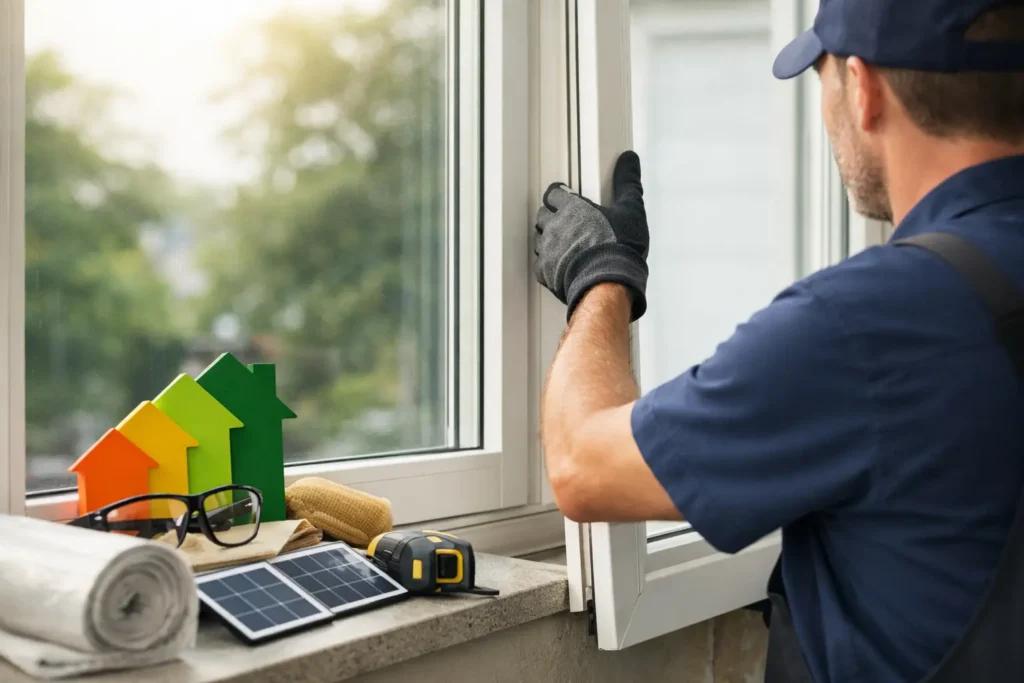
If your living room feels chilly in January even with the heat running, or your upstairs bedrooms stay too warm in July, your windows may be working against your home. Energy efficient window replacement is one of the most practical ways to improve comfort, reduce strain on your HVAC system, and make an older Maryland home feel more consistent season to season.
Not every draft means you need brand-new windows, and not every replacement delivers the same payoff. The real value comes from choosing the right window for your home, your climate, and the condition of the existing openings. Homeowners who take a careful approach usually end up with better performance, better looks, and fewer surprises during installation.
Table of Contents
ToggleWhy energy efficient window replacement matters
Old or poorly performing windows do more than let in outside air. They can create uneven room temperatures, allow solar heat gain in summer, contribute to condensation, and make your heating and cooling equipment work harder than it should. In a state like Maryland, where homes deal with humid summers, cold winter stretches, and plenty of seasonal weather swings, those issues add up quickly.
Energy efficient window replacement helps control heat transfer. In simple terms, it slows the movement of heat into or out of your home. That matters whether you are trying to keep warm air inside during winter or block outdoor heat during summer. The result is often a house that feels less drafty, quieter, and easier to maintain at a comfortable temperature.
There is also a long-term property value benefit. Updated windows improve curb appeal, but more importantly, they signal that the home has been maintained with performance in mind. Buyers notice when a home feels solid, quiet, and well insulated.
What makes a replacement window energy efficient
A window is not energy efficient because of one feature alone. Performance usually comes from the combination of glass package, frame material, installation quality, and how well the unit fits the opening.
Low-E glass is one of the biggest factors. This coating reflects heat while still allowing natural light to pass through. Many modern windows also use double-pane or triple-pane glass with insulating gas between the panes. Those layers help reduce heat transfer far better than older single-pane windows.
Frame material matters too. Vinyl, fiberglass, wood-clad, and composite frames all perform differently. Vinyl is a popular option because it offers solid insulation and relatively low maintenance. Fiberglass is strong and stable, especially in changing temperatures. Wood can provide a classic look and good insulation, but it generally requires more upkeep.
You should also pay attention to ratings like U-factor and Solar Heat Gain Coefficient. Lower U-factor numbers generally mean better insulation. Solar Heat Gain Coefficient tells you how much solar radiation passes through the glass. The right balance depends on the orientation of your windows and how much sun your home gets.
Signs it is time to replace instead of repair
Some windows can be repaired. If the issue is isolated hardware, minor trim damage, or limited caulking failure, a repair may be enough. But if the windows are older and showing several performance problems at once, replacement often makes better financial sense.
A few clear signs point toward replacement. If you feel drafts even when the window is closed and locked, if condensation is trapped between panes, or if the frames are soft, warped, or deteriorating, the unit itself may be failing. Difficulty opening and closing windows is another common issue, especially in aging homes where materials have shifted over time.
High energy bills can also be a clue, although windows are rarely the only cause. Air sealing, insulation, roofing, siding, and attic ventilation all affect efficiency. That is why it helps to work with a contractor who understands the home as a whole rather than looking at windows in isolation.
Choosing the right style for your home
The best replacement window is not always the most expensive one. It is the one that fits your home’s architecture, ventilation needs, and budget while improving performance in a meaningful way.
Double-hung windows are a common choice for traditional homes because they are versatile and easy to clean. Casement windows tend to seal tightly and can offer strong energy performance because they close against the frame. Sliding windows can work well in spaces with wider openings, though the air seal may vary by product quality. Picture windows are fixed and often highly efficient, but because they do not open, they are best used where ventilation is not a priority.
This is where trade-offs come in. A larger glass area can bring in more daylight, but it may also increase heat gain if the glass package is not selected carefully. Triple-pane glass may improve insulation, but it is not always necessary for every room or every budget. In many homes, a well-installed double-pane window with the right Low-E coating provides strong results.
Installation quality matters as much as the window itself
A premium window installed poorly can still leak air, collect moisture, and underperform. That is why installation should never be treated as a minor line item.
Proper energy efficient window replacement starts with accurate measurements and a close look at the condition of the surrounding wall and framing. In some homes, especially older ones, removing the old window reveals water damage, wood rot, or insulation gaps that need attention before the new unit goes in. Skipping those repairs can shorten the life of the new window and undermine its performance.
The installation team should also address flashing, sealing, insulation around the frame, and interior and exterior finishing details. Good workmanship protects against drafts and moisture intrusion while giving the final result a clean, finished appearance. That level of care is especially important when replacement is part of a larger renovation or when previous water damage has affected the area around the windows.
What Maryland homeowners should consider
Local climate and housing stock influence window decisions more than many homeowners expect. In Maryland, you may have everything from older brick homes and Colonial-style houses to newer suburban builds with larger, more modern openings. The right solution for one property may not be right for another.
Humidity is one factor. Windows that help manage condensation and maintain tighter seals can improve comfort and protect interior finishes. Sun exposure is another. South- and west-facing windows may need a different glass specification than shaded areas of the house. Noise can also matter, especially in busy communities or near commuter routes.
For many homeowners, window replacement is also tied to broader exterior improvements. If siding, trim, or roofing is being updated at the same time, it can be smart to coordinate those projects. A contractor with experience across multiple home systems can often spot opportunities to improve efficiency and weather protection beyond the windows alone.
Cost, savings, and realistic expectations
Window replacement is a meaningful investment, so it helps to be realistic about the return. Most homeowners notice the comfort difference first. Rooms feel more stable, drafts are reduced, and outside noise often drops. Energy savings can follow, but the amount depends on the age of the old windows, the efficiency of the new ones, and the overall condition of the home.
If your house has poor attic insulation or major air leaks elsewhere, new windows will not solve every efficiency problem by themselves. On the other hand, if your current windows are original, single-pane, or visibly failing, replacement can make a significant difference.
Material choice, window size, labor complexity, and the condition of the openings all affect price. Full-frame replacement may cost more than insert replacement, but in some situations it is the better long-term option because it allows hidden damage to be repaired and the opening to be properly insulated and sealed.
How to make a smart replacement decision
Start with the problems you want to solve. If your main concern is comfort, focus on glass performance and airtight installation. If you also want easier maintenance, frame material becomes more important. If appearance matters just as much as efficiency, choose a style that fits the architecture of the home instead of chasing features you may not need.
Ask direct questions about product ratings, installation methods, warranty coverage, and whether any damaged framing or trim will be repaired as part of the project. A dependable contractor should be able to explain the options clearly without pushing you toward a one-size-fits-all answer.
For homeowners planning broader updates, it may be worth discussing window replacement alongside siding, trim, or restoration work. Vinis Renovation & Restoration works with Maryland homeowners on projects where performance, appearance, and long-term durability all need to line up, especially when aging materials or prior damage are part of the picture.
The right windows should do more than look new from the curb. They should make your home feel calmer, tighter, and easier to live in every day. If your current windows are costing you comfort, replacing them thoughtfully is one of the clearest upgrades you can make.