
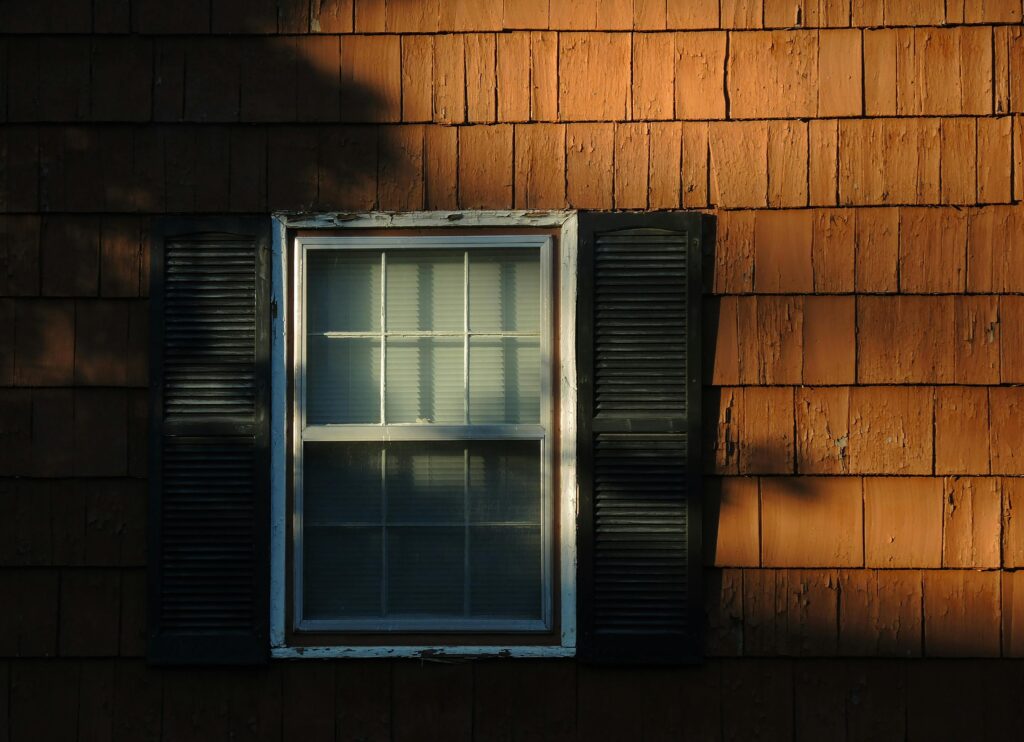
Last summer in Glen Burnie, the Johnsons noticed the paint on their home’s exterior bubbling and peeling after yet another humid heatwave. By fall, cracks had begun to form along the siding, letting in cold air and moisture. What started as a minor cosmetic issue quickly became an expensive repair project, something many homeowners in Maryland can relate to. With the state’s damp summers and frosty winters, choosing the right siding in Maryland isn’t just about enhancing curb appeal; it’s about protecting your home year-round.
From Arnold to Bethesda, property owners face the same weather challenges: intense summer humidity, heavy rain, and fluctuating winter temperatures. These seasonal extremes can wear down certain siding materials faster than expected, leading to water infiltration, mold growth, and higher energy bills. That’s why understanding which siding materials perform best in Maryland’s unique climate is crucial.
Whether you manage rental properties in Columbia or own a family home in Crofton, investing in durable, energy-efficient siding can save you money and stress in the long term. In this guide, we’ll explore the best materials for siding in Maryland, helping you make an informed choice that keeps your property protected, comfortable, and visually appealing for years to come.
Key Takeaways About Siding in Maryland
1. Climate-specific materials matter. Choosing siding that can withstand Maryland’s humid summers and cold winters, like fiber cement or insulated vinyl, ensures long-term durability and lower maintenance costs.
2. Proper installation is crucial. Even the best materials can fail if not installed correctly. Hiring experienced contractors familiar with siding in Maryland conditions is essential to avoid future moisture or insulation issues.
3. Moisture management protects investment. Using quality house wraps, flashing, and sealants prevents water intrusion across coastal and inland communities such as Annapolis, Arnold, and Bowie.
4. Insulation adds year-round value. Homes in colder areas like Potomac or Bethesda benefit from insulated siding that boosts comfort and energy efficiency.
5. Regular maintenance extends lifespan. Annual cleaning, inspections, and re-caulking help maintain the siding’s integrity and appearance, especially in humid environments.
6. Aesthetic choices influence property value. Coordinating color, texture, and trim enhances curb appeal while aligning with neighborhood styles found in Columbia or Rockville.
7. Reliable warranties offer peace of mind. Partnering with certified installers and reputable brands protects the homeowner’s investment and ensures lasting performance of siding in Maryland.
Understanding Siding in Maryland’s Climate
Siding in Maryland is more than an exterior design choice, it’s a vital barrier that protects homes from the state’s unpredictable weather. With humid, stormy summers and freezing winters, Maryland homeowners need siding that can resist moisture, withstand temperature fluctuations, and maintain its appearance over the years. A poor siding choice can lead to costly damage, rot, or energy loss, particularly in coastal and inland areas like Annapolis, Crofton, and Columbia.
Vinyl Siding: Affordable and Low-Maintenance
Vinyl siding remains one of the most popular options for Maryland properties. It is cost-effective, easy to clean, and resistant to cracking and fading. For homeowners in Bowie or Silver Spring, where humidity and rainfall are frequent, vinyl’s water-resistant surface helps prevent mold and mildew growth. However, it may become brittle during extreme cold snaps, which can happen in Rockville or Potomac during the winter months.
Fiber Cement Siding: Built for Strength and Durability
Fiber cement siding is an excellent choice for those seeking longevity and enhanced protection. Made from cement, sand, and cellulose fibers, it resists rot, termites, and fire, ideal for the fluctuating temperatures across the Chesapeake Bay region. Property managers in Arnold and Bethesda often choose fiber cement for its ability to mimic wood’s natural appeal without the maintenance hassles. It endures Maryland’s humid summers without swelling and withstands the freezing conditions of winter without cracking.
Engineered Wood Siding: The Perfect Blend of Beauty and Flexibility
Engineered wood siding appeals to homeowners who want the warm, classic look of traditional wood with modern resilience. It’s treated to resist moisture and pests, making it a durable option for homes near the coast in Annapolis or inland in Crofton. With proper installation and sealing, engineered wood can handle both the summer humidity and winter chills that define Maryland weather.
Making the Right Choice
Selecting the right siding in Maryland requires balancing aesthetics, durability, and climate performance. Homeowners and property managers across Glen Burnie, Columbia, and Bethesda can extend their property’s lifespan and energy efficiency by investing in siding materials designed to meet the state’s unique environmental demands.
Step-by-Step Guide to Proper Siding Installation in Maryland
Proper installation is the key to ensuring your home’s exterior stands the test of Maryland’s humid summers and cold winters. Whether you live in a colonial-style home in Annapolis, a townhouse in Silver Spring, or manage a property in Rockville, following a thorough and professional process for siding in Maryland ensures durability, energy efficiency, and long-term performance.
Step 1: Professional Inspection and Material Assessment
Before any siding project begins, a qualified contractor should assess the home’s condition. In areas like Glen Burnie or Bowie, where humidity and rainfall can be heavy, inspecting for mold, rust, rot, or insect damage is essential. This initial assessment determines whether structural repairs or insulation upgrades are needed before installation. An expert will also recommend materials that best suit the property’s location and exposure to elements.
| Assessment Focus | Purpose | Example (City in Maryland) |
| Moisture or water damage | Identify rot or mildew | Glen Burnie, Annapolis |
| Structural stability | Check for warped or damaged sheathing | Rockville, Potomac |
| Energy performance | Evaluate insulation quality | Columbia, Bowie |
Step 2: Removing Old Siding and Preparing the Surface
The next step involves removing existing siding while preserving the underlying structure. Contractors must clean the sheathing, repair damaged areas, and apply a high-quality weather-resistant barrier. In coastal cities like Arnold or Annapolis, this barrier helps combat moisture intrusion caused by salty air and humidity. Proper preparation ensures new materials adhere correctly, preventing future warping or moisture buildup.
Step 3: Choosing the Right Insulation and Underlayment
For effective siding in Maryland, insulation plays an important role in achieving year-round comfort. Contractors often install foam board or rigid insulation panels to prevent heat loss in winter and reduce indoor humidity in summer. In colder zones, like Potomac and Bethesda, insulated siding adds thermal protection that can lower energy bills.
| Insulation Type | Best Suited For | Key Advantage |
| Foam board | Cold regions (Bethesda, Potomac) | Superior thermal resistance |
| Rigid panels | Coastal or humid climates (Annapolis) | Moisture protection and added durability |
| Insulated vinyl | Suburban homes (Columbia, Crofton) | Energy savings and soundproofing |
Step 4: Proper Installation of Panels
The most crucial stage of siding installation is securing the panels with precision. Contractors must follow manufacturer spacing guidelines, allowing for expansion and contraction due to Maryland’s varying temperatures. For vinyl siding, panels should not be nailed tightly; there should be slight movement room to accommodate heat expansion. Fiber cement siding, on the other hand, requires precise alignment and more solid attachment points.
In homes across Crofton and Arnold, contractors often use a metal starter strip along the base to ensure an even installation line. Trim boards around windows and corners are sealed with weatherproof caulking, creating airtight protection from wind and rain.
Step 5: Sealing, Flashing, and Moisture Control
Maryland’s weather, especially in Annapolis and Silver Spring, can shift quickly from humid rainstorms to frosty mornings. To prevent leaks, professional installers apply metal flashing around windows, doors, and roof intersections. Sealing joints with high-quality caulk ensures water cannot penetrate behind the siding. This is particularly vital in older neighborhoods of Rockville, where houses may have uneven surfaces or aged framing.
Homeowners should insist that the contractor uses moisture-resistant flashing tapes and breathable house wraps, allowing trapped humidity to escape without letting outside water in.
Step 6: Finishing Touches and Quality Inspection
Once the siding is fully installed, a detailed finishing process ensures both visual appeal and long-term resilience. Trims, shutters, and soffits are added to complement the new siding. In Columbia and Bowie, property managers often coordinate color palettes that enhance curb appeal for rental or commercial properties while complying with community design standards.
A final inspection includes checking panel alignment, confirming the integrity of caulking and flashing, and verifying the fastening of every section. A reliable contractor should also provide homeowners with a maintenance guide, explaining how to clean and care for the new exterior without damaging the materials.
Step 7: Regular Maintenance for Longevity
Even with professional installation, siding in Maryland requires seasonal care. Homeowners in Bethesda or Potomac should clean surfaces annually using low-pressure water and mild detergent. This prevents mildew buildup caused by high humidity. Property owners in coastal zones should rinse off salt deposits that accumulate over time. Regular checks for loose panels, cracks, or gaps ensure problems are addressed early.
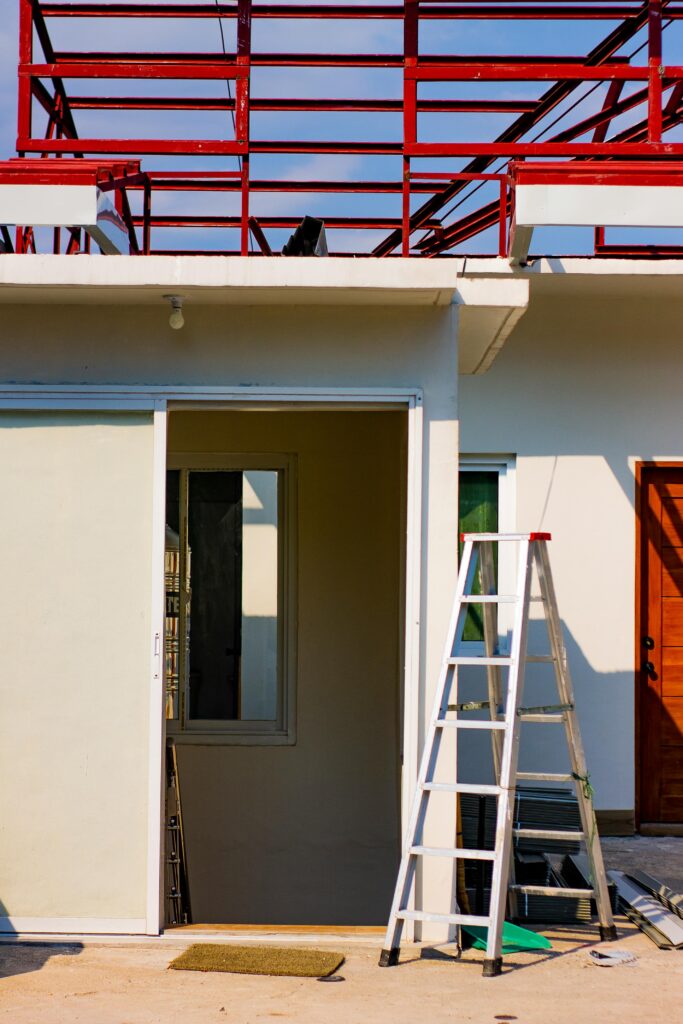
Following these steps ensures that your siding not only enhances your property’s curb appeal but also protects it from Maryland’s demanding climate. By choosing skilled contractors, high-quality materials, and proper installation techniques adapted to the local weather, from humid summers in Glen Burnie to icy winters in Rockville, you’ll secure an exterior that’s built to last for decades.
Understanding a few key maintenance and installation tips can make a significant difference in the performance and longevity of siding in Maryland. Homeowners in cities like Bowie, Columbia, and Annapolis often face weather extremes that can test even the most durable materials. Following these recommendations helps reduce costs, prevent early wear, and keep properties looking beautiful throughout the year.
Best Tips for Long-Lasting Siding in Maryland
1. Schedule seasonal inspections. Check for loose panels or cracks after major storms or temperature changes, especially in coastal areas like Arnold and Annapolis.
2. Keep gutters clean. Proper drainage prevents water from seeping behind the siding and causing hidden rot or mold.
3. Trim nearby trees and shrubs. In cities like Crofton and Bethesda, overgrown branches can scratch or trap moisture against the siding.
4. Use mild cleaning solutions. Wash surfaces with gentle soap and water annually to remove grime without damaging protective coatings.
5. Re-caulk as needed. Reapply sealant around windows and doors every few years to stop leaks before they start.
Applying these simple good practices ensures your siding in Maryland performs better, lasts longer, and continues protecting your home through every season.
Key Concepts to Understand Before Choosing Siding in Maryland
Selecting and installing siding in Maryland involves more than picking an appealing material or color. To achieve the best results, especially in cities such as Glen Burnie, Annapolis, or Bethesda, it’s important to understand the key technical and practical concepts that influence performance, durability, and appearance. These terms and considerations empower homeowners, property managers, and real estate owners to communicate confidently with contractors and make well-informed decisions.
Climate Adaptability
The weather in Maryland can vary dramatically: high humidity and heavy rainfall in summer, strong winds in fall, and freezing temperatures in winter. “Climate adaptability” refers to a material’s ability to perform under these conditions without cracking, swelling, or fading. It directly impacts maintenance frequency and lifespan.
| Material Type | Climate Performance | Ideal Use Case |
| Vinyl | Moderate – handles humidity well but can crack in deep freezes | Homes in coastal areas like Annapolis and Arnold |
| Fiber Cement | Excellent – resists both moisture and extreme cold | Inland homes in Rockville, Potomac, or Bethesda |
| Engineered Wood | Good – stable with protective treatment | Balanced climates like Columbia or Crofton |
R-Value (Insulation Efficiency)
The R-value measures a material’s thermal resistance or its ability to retain heat. A higher R-value means better insulation, which lowers heating and cooling costs. Homeowners in colder regions such as Potomac and Montgomery County benefit from choosing siding with added insulation.
| Siding Type | Typical R-Value | Energy Benefit |
| Traditional Vinyl | 0.61 | Basic temperature control |
| Insulated Vinyl | 2.0 – 3.5 | Significant energy savings |
| Fiber Cement | 0.35 – 0.60 | Durable, but insulation layers are recommended |
Moisture Management
Maryland’s humidity makes moisture control a critical aspect of siding installation. “Moisture management” includes the use of breathable barriers, proper flashing, and ventilation to prevent trapped water. Trapped moisture can lead to warped boards, mold growth, or structural damage, issues especially common in coastal cities like Arnold and Annapolis.
For example, when installing fiber cement on homes in Bowie, contractors use specialized sealing tapes and house wraps to let interior moisture escape while blocking rain intrusion.
Expansion and Contraction
All siding materials expand and contract depending on temperature changes. Understanding this behavior helps prevent buckling and cracking over time. Vinyl siding, for instance, requires small gaps between panels to allow natural movement. Fiber cement, being more stable, demands precise fastening techniques and spacing during installation, skills homeowners should ensure their chosen contractor has mastered.
Permeability and Ventilation
Permeability describes a siding’s capability to let vapor pass through. In Maryland’s humid environment, this is crucial to prevent interior condensation. Contractors in places like Columbia or Crofton often pair moderately permeable siding with house wraps that maintain airflow. Proper ventilation along eaves and soffits prevents the buildup of moisture under the roofline, extending both siding and roof life.
UV and Color Stability
Sun exposure along the Patuxent River area and open neighborhoods in Bowie can cause fading on some materials. The concept of “UV stability” refers to how resistant a siding’s color and finish are to sun exposure. UV-stable finishes help homes maintain their appearance longer without frequent repainting. Modern vinyl and engineered wood siding options now include advanced fade-resistant coatings suited for Maryland’s sunny summers.
Maintenance Cycle
Every type of siding in Maryland has a maintenance cycle, a recommended schedule for inspections, cleaning, and sealing. Knowing this allows property managers in Rockville or Silver Spring to plan budgets efficiently and reduce unexpected repairs.
| Siding Material | Inspection Frequency | Common Maintenance Tasks |
| Vinyl | Every 12–18 months | Cleaning, checking seams |
| Fiber Cement | Every 24 months | Repainting, caulking joints |
| Engineered Wood | Annually | Re-sealing and cleaning |
Warranty and Contractor Certification
Finally, understanding warranties and installation certifications is crucial. Many manufacturers honor warranties only if certified contractors perform the work. In Maryland, reputable siding professionals in cities like Annapolis, Bethesda, and Columbia are often certified by well-known brands such as James Hardie or CertainTeed. Reviewing both material and workmanship warranties ensures peace of mind and better long-term protection for your investment.
Grasping these key concepts before starting a project with siding in Maryland allows homeowners and property managers to make smart choices that harmonize aesthetics, durability, and cost-efficiency. By combining climate-appropriate materials, professional installation, and good upkeep practices, any property, from a waterfront home in Arnold to a suburban townhouse in Rockville, can achieve lasting beauty and outstanding performance.
Frequently Asked Questions About Siding in Maryland
What type of siding lasts the longest in Maryland’s climate?
Fiber cement siding tends to last the longest due to its resistance to humidity, insects, and temperature fluctuations. In areas like Rockville or Bethesda, where winters can be harsh, it remains sturdy and retains its color for decades with minimal maintenance.
How often should I replace my siding?
The lifespan depends on material and care. Vinyl siding usually lasts 20–30 years, while fiber cement can last 40 years or more. In humid towns like Arnold or Annapolis, proper cleaning and maintenance can help reach or even extend these lifespans.
Can new siding improve my home’s energy efficiency?
Yes. Many modern siding in Maryland options include built-in insulation. This helps keep homes warmer in winter and cooler in summer, reducing energy costs in places like Columbia, Crofton, and Bowie.
Is it necessary to remove old siding before installing new panels?
Although it depends on the material, most professionals in Glen Burnie and Silver Spring recommend removing old siding to inspect the underlying structure and ensure a longer-lasting installation.
How do I choose the right color for my home?
Consider your neighborhood’s style and how sunlight affects colors. Light shades work well in sunny areas like Bowie or Annapolis, while darker tones can add elegance to suburban homes in Rockville or Potomac.
Does siding installation impact property value?
Absolutely. Well-chosen and properly installed siding can significantly increase curb appeal and resale value, especially in competitive markets such as Columbia and Bethesda.
Maintaining and selecting siding in Maryland with professional guidance ensures your investment performs beautifully and efficiently, protecting your property in every season.