
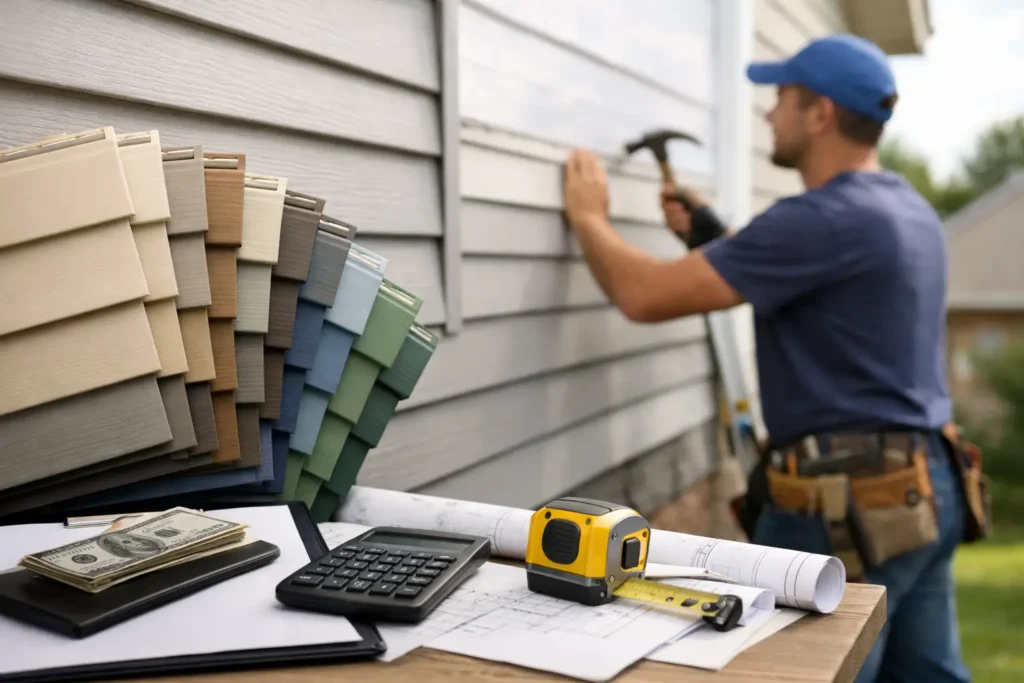
A siding estimate can look straightforward at first glance, then raise a dozen questions once you compare contractors. If you are trying to understand vinyl siding installation cost, the real answer is not just a price per square foot. It comes down to the condition of your home, the grade of siding you choose, the trim details, and how much prep work is required before any new panel goes up.
For Maryland homeowners, that matters. Our region sees humidity, storms, freeze-thaw cycles, and strong summer sun, so siding is not only about appearance. It is part of your home’s protection system. A low quote can be appealing, but if it leaves out wall repairs, house wrap, or proper flashing, it may not be the better value.
Key Takeaways
- Vinyl siding installation cost usually depends on house size, siding quality, labor complexity, prep work, trim details, and hidden wall conditions.
- Most full-home vinyl siding projects fall between $8,000 and $25,000, or about $5 to $12 per square foot installed, though larger homes, premium materials, and complex details can raise the price.
- In Maryland, siding is not only about curb appeal. It helps protect the home from humidity, storms, freeze-thaw cycles, heavy rain, and strong summer sun.
- The lowest siding estimate is not always the best value. Some quotes may leave out tear-off, disposal, wall repairs, house wrap, flashing, trim wrapping, permits, cleanup, or warranty support.
- Material choices affect both cost and performance. Standard lap siding is usually more affordable, while insulated siding, shake-style panels, board and batten, specialty colors, and premium trim packages cost more.
- Hidden damage can change the final cost. Rotten trim, deteriorated sheathing, moisture damage, or uneven walls should be repaired before new siding is installed.
- A reliable contractor should provide a detailed written estimate, explain what is included, clarify how change orders are handled, and help homeowners understand the true scope behind the price.
- Vinyl siding can be a smart investment when it is installed correctly over a sound wall system, improving curb appeal, reducing maintenance, and strengthening exterior protection.
What is the average vinyl siding installation cost?
In most cases, vinyl siding installation cost falls somewhere between $8,000 and $25,000 for a full-home project, with many homeowners landing in the middle of that range. On a square-foot basis, installed costs often run from about $5 to $12 per square foot, though premium materials, detailed trim packages, and larger homes can push that higher.
That wide range is normal. A smaller ranch with simple wall lines and minimal repair work costs much less to side than a two-story home with gables, dormers, damaged sheathing, and custom accents. When comparing estimates, it helps to make sure each contractor is pricing the same scope of work. One proposal may include tear-off, disposal, insulation board, and trim wrapping, while another may price only the siding panels themselves.
What drives vinyl siding installation cost the most?
The biggest factor is usually house size, but size is only the starting point. Complexity changes labor time quickly. A home with clean, open wall sections is more efficient to side than one with many corners, windows, architectural bump-outs, and decorative trim transitions.
Material quality also changes price. Basic builder-grade vinyl is the most budget-friendly option, while thicker premium siding tends to cost more but offers better rigidity, improved appearance, and greater resistance to warping. Insulated vinyl siding adds another jump in cost, yet it can help with comfort and reduce the look of uneven walls.
Preparation work is another major variable. If existing siding must be removed, that adds labor and disposal fees. If moisture damage, rotten trim, or deteriorated sheathing is discovered underneath, repairs need to happen before installation continues. This is one reason honest estimates sometimes come in higher. They account for the work that protects the house, not just the visible finish.
Material grades and design choices
Not all vinyl siding products perform the same way. Thickness, profile, color retention, and manufacturer warranty all influence pricing. Standard horizontal lap siding is usually the most cost-effective choice. Shake-style panels, board and batten, insulated products, and specialty colors generally cost more.
Trim package selections matter too. Soffit, fascia wrap, window trim, corner posts, starter strips, J-channels, and mounting blocks may seem like small items individually, but together they shape both the final look and the total bill. A cleaner, more finished exterior often depends on these details.
Color can affect cost in subtle ways. Some darker or premium color lines are priced higher. And while vinyl siding is known for low maintenance, color selection should still be practical for the home’s architecture, neighborhood, and sun exposure.
Labor, prep work, and hidden conditions
Labor is a large share of any siding project, especially when the installation is done correctly. That includes removing old materials if needed, inspecting the wall system, repairing damaged sections, installing weather-resistant barriers, setting trim pieces, and aligning courses so the finished exterior looks straight and polished.
Older homes often require more prep. Walls may not be perfectly even. Previous water intrusion may have affected trim or sheathing around windows and doors. In some cases, contractors uncover issues only after demolition begins. That does not always mean something went wrong. It often means the estimate was based on visible conditions and the full story was behind the existing siding.
A reliable contractor will explain how change orders are handled before the project starts. That way, if hidden damage appears, you know how pricing and approvals will be managed.
Vinyl siding installation cost by home type
A smaller single-story home with a simple layout may fall near the lower end of the price range. A typical mid-size two-story colonial often lands in the middle. Larger homes in areas like Bethesda, Potomac, or parts of Columbia with more detailed architecture can move well above average.
Townhomes can be less expensive if only the front and rear elevations are being replaced, but access challenges and HOA requirements can add cost. Split-level and multi-level homes sometimes surprise homeowners because the changing rooflines and wall sections create more labor than square footage alone suggests.
This is why online calculators only go so far. They can provide a ballpark, but they cannot assess the details that shape a real proposal.
Maryland-specific factors homeowners should expect
In Maryland, climate and local permitting can affect siding work more than many homeowners realize. Heavy rain, humidity, and occasional storm damage make moisture management a priority. Proper flashing, house wrap, and trim detailing are not optional upgrades. They are part of protecting the structure.
Seasonality can also play a role. Demand often rises after storm events or during peak exterior renovation months, which can affect scheduling and, at times, labor pricing. Municipal permit requirements vary by location, so the final project cost may include permit fees depending on the scope and jurisdiction.
For homeowners dealing with damage from wind or water intrusion, siding replacement may overlap with repair work. That is where working with an experienced renovation and restoration contractor can be especially helpful, because the focus is not just installing new cladding. It is making sure the wall system is sound before the cosmetic portion is completed.
How to compare siding estimates without missing the details
The lowest number is not always the lowest final cost. A better approach is to review what each estimate includes. Ask whether the quote covers tear-off, disposal, wall inspection, house wrap, flashing, trim, soffit and fascia work, permits, cleanup, and warranty support.
It is also worth asking how the contractor handles rotten wood, damaged sheathing, or other hidden conditions. Some estimates leave those items vague, which can lead to surprises later. Clear communication on the front end usually means a smoother project overall.
Look at project management as part of the value too. Homeowners often underestimate how important scheduling, material coordination, site protection, and responsive communication are during exterior work. A professionally managed job tends to feel very different from a loosely managed one, even if the products are similar.
Is vinyl siding worth the cost?
For many homeowners, yes. Vinyl siding remains one of the more cost-effective ways to refresh curb appeal and reduce exterior maintenance. It does not require the same upkeep as wood, and it gives homeowners a wide range of styles and colors at a price that is often more approachable than fiber cement or engineered wood.
That said, value depends on the condition of the home and the quality of the installation. If the goal is to cover up existing water problems without proper repair, vinyl siding will not solve the underlying issue. If the goal is to replace aging or storm-worn exterior materials with a durable, attractive system installed the right way, it can be a smart investment.
How to budget for your project
Start with a realistic range rather than a single number. If your home is straightforward and in good condition, your project may stay near the middle of standard pricing. If the house is older, has visible trim wear, or includes complex elevations, build extra room into the budget.
It also helps to think beyond panel cost. Budget for trim details, repair allowances, permit fees, and any related exterior updates that make sense to complete at the same time, such as gutters, shutters, or window trim replacement. Combining work strategically can sometimes be more efficient than tackling each item separately.
At Vinis Renovation & Restoration, we believe homeowners make better decisions when they understand both the numbers and the scope behind them. A siding project should leave you with more than a new look. It should leave you with confidence that your home is better protected, better finished, and built to hold up over time.
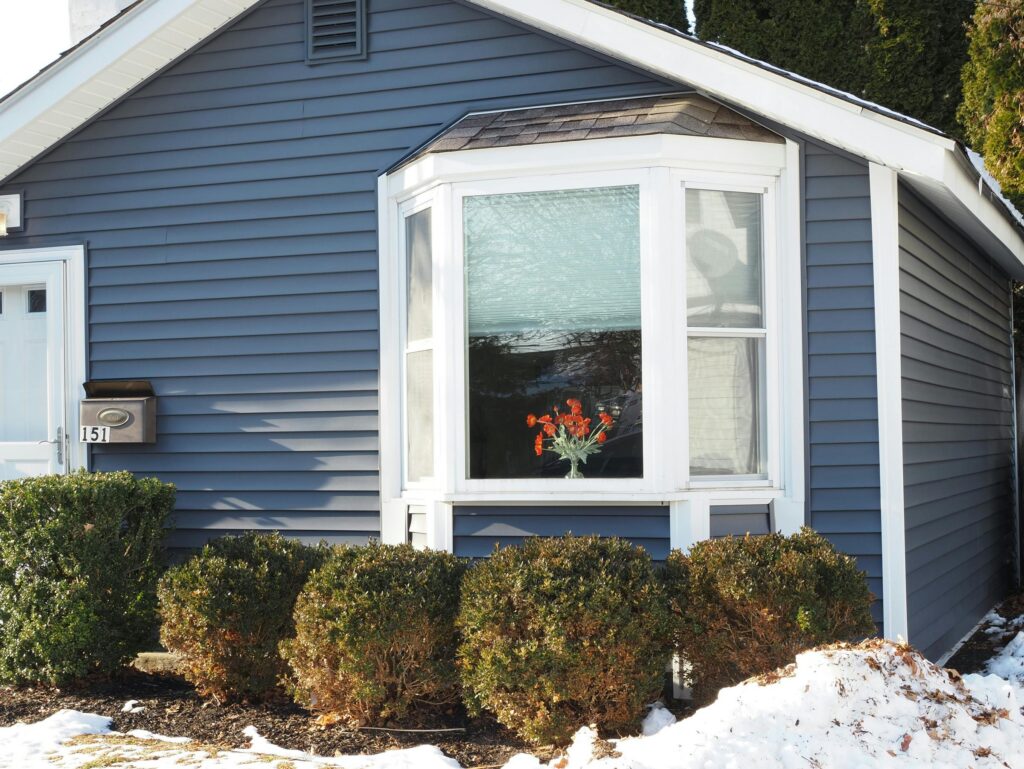
If you are planning for new siding, the most useful next step is a detailed site visit and a clear, written estimate. That gives you a true picture of cost, condition, and options, so you can move forward with confidence instead of guessing.
Frequently Asked Questions
1. How much does vinyl siding installation usually cost?
Vinyl siding installation often costs between $8,000 and $25,000 for a full-home project. On a square-foot basis, many projects fall around $5 to $12 per square foot installed, depending on the home, materials, labor, and scope.
2. What affects the cost of vinyl siding installation the most?
The biggest cost factors are house size, wall complexity, number of windows and corners, material grade, trim package, tear-off needs, disposal, labor, repairs, permits, and whether hidden damage is found during the project.
3. Why do vinyl siding estimates vary so much?
Estimates vary because contractors may include different scopes of work. One estimate may include tear-off, disposal, house wrap, insulation board, flashing, trim, soffit, fascia, cleanup, and warranty support, while another may only include basic siding installation.
4. Is the cheapest vinyl siding quote a good choice?
Not always. A low quote may leave out important work such as wall inspection, rotten wood repair, proper flashing, house wrap, trim details, or disposal. A cheaper project can become more expensive later if the installation does not protect the home properly.
5. Is vinyl siding worth the cost?
For many homeowners, yes. Vinyl siding can improve curb appeal, reduce exterior maintenance, and provide a durable exterior finish at a more approachable cost than some other siding materials. The value depends heavily on product quality and proper installation.
6. What should Maryland homeowners consider before installing vinyl siding?
Maryland homeowners should consider humidity, heavy rain, storm exposure, freeze-thaw cycles, sun exposure, local permit requirements, and possible hidden moisture damage. Proper flashing, house wrap, and wall repairs are especially important.
7. How should I budget for a vinyl siding project?
Start with a realistic price range instead of one fixed number. Include room for siding panels, trim details, tear-off, disposal, wall repairs, permit fees, cleanup, and possible related exterior updates such as gutters, shutters, soffit, fascia, or window trim.