
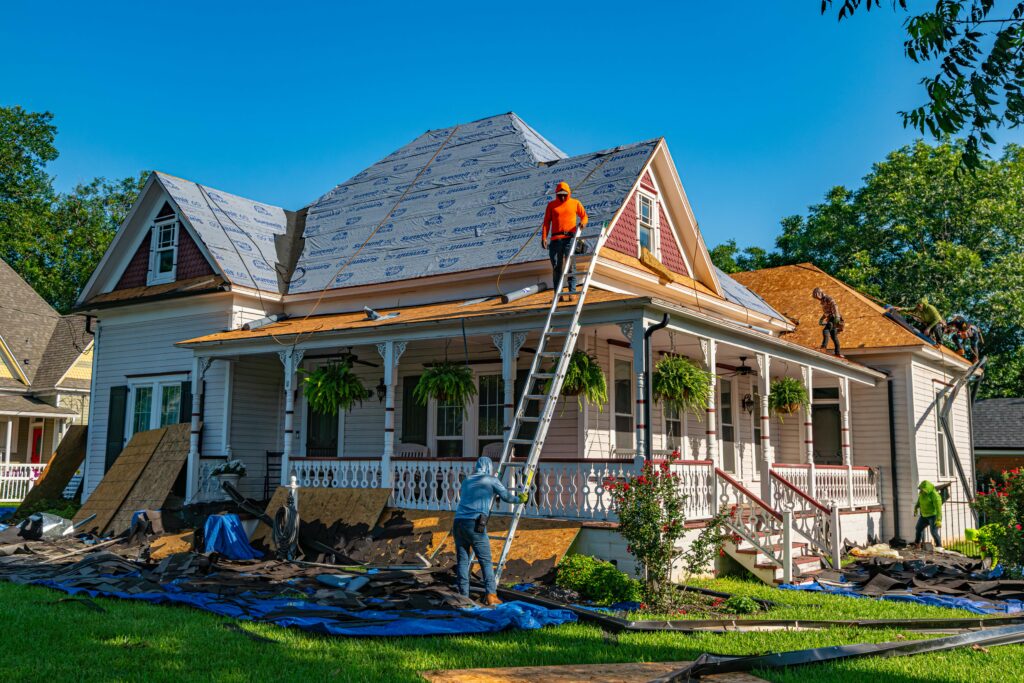
Last winter in Glen Burnie, Sarah noticed a small water stain spreading across her living room ceiling. At first, she brushed it off as nothing serious, maybe condensation, maybe a minor leak. But after one stormy weekend, that faint mark grew into a visible crack, and soon water was dripping onto her hardwood floor. What started as a small issue quickly turned into an emergency that required immediate roofing repair.
Stories like Sarah’s are all too common in Maryland, where changing seasons, heavy rains, and blistering summer heat can take a toll on any roof. Whether you own a cozy home in Arnold, manage rental properties in Annapolis, or oversee commercial spaces in Columbia, the condition of your roof isn’t something to overlook. A well-maintained roof protects not just the structure but also the comfort, safety, and long-term value of your property.
Understanding when and why you might need roofing repair can save you thousands of dollars in damage and countless hours of stress. In cities like Rockville, Silver Spring, and Bowie, where weather patterns can shift suddenly, being proactive means keeping leaks, mold, and energy inefficiency at bay. Let’s explore how timely roofing maintenance can make all the difference for Maryland property owners.
Key Takeaways on Roofing Repair in Maryland
1. Timely action saves money. Addressing small leaks or damaged shingles early prevents structural deterioration and costly replacements for homeowners in cities like Glen Burnie or Bowie.
2. Local climate determines material choice. Maryland’s mix of coastal humidity and inland temperature swings means selecting region-appropriate materials is essential for long-lasting roofing repair results.
3. Professional inspections are essential. Regular evaluations in areas like Rockville or Annapolis ensure hidden issues, such as attic moisture or flashing damage, don’t escalate into larger problems.
4. Proper installation guarantees longevity. A roof is only as strong as its workmanship; certified contractors in Maryland adhere to local codes and safety standards that protect both homes and investments.
5. Ventilation and insulation matter. Beyond appearance, balanced airflow and good insulation extend roof life and improve energy efficiency for households in Bethesda, Potomac, and Silver Spring.
6. Maintenance preserves value. Seasonal inspections, debris cleaning, and gutter upkeep keep recently repaired roofs performing at their best year-round.
7. Documentation ensures protection. Warranties and work records provide peace of mind and support insurance claims if future issues arise.
8. Educated property owners make smarter choices. Understanding roofing repair fundamentals empowers residents across Maryland to invest wisely and safeguard their properties for years to come.
What Is Roofing Repair and Why It Matters
Roofing repair refers to the process of fixing specific areas of your roof that have been damaged due to weather, aging, or general wear and tear. Unlike full roof replacement, repair focuses on restoring only the affected sections, saving homeowners in places like Annapolis or Crofton time and money. It can involve patching leaks, replacing damaged shingles, sealing joints, or fixing structural issues before they spread.
In Maryland’s unpredictable climate, roofs endure constant stress. Heavy rains in Bowie, humid summers in Silver Spring, and freezing winters in Rockville all contribute to cracking, warping, and water infiltration. Without timely roofing repair, a small issue such as a missing shingle can turn into major structural damage, potentially compromising your property’s foundation or interior.
The Importance of Timely Action
For homeowners and property managers, prompt roofing repair is not just about aesthetics, it’s about preventing expensive consequences. In Potomac, for example, untreated leaks can cause ceiling damage and mold growth, which are not only expensive to fix but also pose serious health risks. Real estate owners in Bethesda often rely on regular inspections to ensure their properties retain maximum market value. A well-repaired roof can enhance curb appeal and reassure potential tenants or buyers that the property has been properly maintained.
When to Schedule Roofing Repair
Knowing when to act is key. If you notice curled or missing shingles, water spots on walls, or an increase in energy bills, it’s time to contact a roofing specialist. In Columbia or Arnold, for instance, after heavy storms, it’s wise to check for visible roof damage or displaced flashing. Seasonal inspections, especially before winter, can help detect issues early and prevent emergencies later.
Investing in Long-Term Protection
Choosing professional roofing repair services in Maryland means investing in your property’s longevity. Reliable contractors understand local weather conditions and use materials best suited for the region. Whether you manage a family home in Glen Burnie or multiple apartment buildings across Annapolis, consistent upkeep ensures your roof continues to safeguard your investment year after year.
Step-by-Step Guide to Proper Roofing Repair in Maryland
Carrying out roofing repair correctly isn’t just about replacing a few shingles or applying sealant, it’s about following a structured, professional process designed to ensure long-term protection. In Maryland cities like Bethesda, Annapolis, and Rockville, where climate conditions vary dramatically between seasons, every step matters. Below is a comprehensive guide that demonstrates how qualified contractors approach roofing repair projects so that homeowners, property managers, and real estate owners understand what to expect.
Step 1: Initial Roof Inspection and Assessment
The first and most critical step is a detailed roof inspection. Contractors in places like Crofton or Glen Burnie begin by visually examining the roof’s surface, gutters, and surrounding structures. They look for signs of damage such as water stains, missing shingles, cracked flashing, or sagging areas. In many cases, drone technology or infrared cameras are used to identify hidden moisture pockets.
Key goals of this step include:
· Determining the source of leaks.
· Assessing the extent of structural damage.
· Identifying safety risks for workers and residents.
| Inspection Element | Description | Example (City Context) |
| Shingle Condition | Checks for cracks, curling, or loss of granules. | Heavy wind damage in Silver Spring. |
| Flashing | Ensures watertight sealing around chimneys and vents. | Flashing corrosion in Annapolis waterfront homes. |
| Attic Inspection | Detects leaks, insulation damage, or mold. | Common in older roofs in Bowie. |
Step 2: Preparing the Work Area
Before performing any roofing repair, safety and preparation are paramount. Contractors in Rockville or Columbia set up ladders, harnesses, and protective barriers to prevent debris from falling onto driveways or landscaping. Tarps are placed around the home’s perimeter to catch nails and materials.
In properties managed by real estate firms, such as multi-unit buildings in Potomac, clear communication with tenants ensures everyone knows the schedule and potential noise disruptions.
Step 3: Removing Damaged Materials
Once preparation is complete, the damaged sections of the roof must be carefully removed. This includes lifting broken shingles, cutting away deteriorated underlayment, and clearing debris. Proper disposal of materials is crucial, contractors follow local waste management guidelines specific to Maryland.
For instance, in downtown Annapolis, waste removal must consider neighborhood restrictions, while in Glen Burnie, many roofing companies use portable disposal bins to maintain efficiency and cleanliness.
Step 4: Inspecting the Roof Deck
After removing damaged components, the roofing deck underneath is thoroughly examined. Any signs of rot or mold require immediate replacement before new materials are installed. For homes near humid environments like Arnold or Chesapeake Bay, moisture-resistant plywood may be used to enhance durability.
| Deck Issue | Recommended Action | Benefit |
| Soft Spots | Replace affected section with treated plywood. | Prevents collapse or future leaks. |
| Mold Growth | Clean and treat with antimicrobial solutions. | Improves air quality inside the home. |
| Warping | Reinforce or replace boards for even surface. | Ensures proper fitting of new materials. |
Step 5: Installing Underlayment and Protective Layers
Underlayment acts as the roof’s secondary barrier against water. In Maryland, contractors typically prefer synthetic underlayment due to its superior resistance to heat and moisture. Ice and water shields are commonly added around valleys and edges, especially important for areas like Bowie or Silver Spring that experience heavy rain and occasional snow.
This stage also includes reinstalling or reinforcing flashing around chimneys, skylights, and vents to ensure watertight seals.
Step 6: Shingle Replacement or Repair
With the foundation secured, new shingles or tiles are carefully installed. Contractors match the existing style and color for visual consistency. For older homes in Bethesda or historic districts of Annapolis, asphalt shingles resembling traditional materials may be used to comply with architectural guidelines.
Proper nailing patterns are essential; too few nails can lead to loosening during high winds, while too many can puncture underlying layers and cause leaks. Skilled technicians balance precision and durability to ensure long-term performance.
Step 7: Sealing, Cleaning, and Final Quality Check
Once installation is complete, contractors perform a full inspection, reviewing all seams, edges, and seals. Sealants are reapplied where necessary, and gutters are cleared of debris. The area is cleaned thoroughly before presenting the results to the property owner or manager.
In Columbia or Potomac neighborhoods, responsible contractors often provide photo documentation of before-and-after results, which is especially useful for property managers maintaining multiple buildings.
Step 8: Preventive Maintenance Recommendations
After successful roofing repair, experts offer maintenance advice tailored to Maryland’s local conditions. This may include seasonal inspections, gutter cleaning, attic ventilation checks, and trimming overhanging branches to prevent debris accumulation.

For rental property owners in Silver Spring or Rockville, scheduling biannual inspections helps detect potential problems early and maintain tenant satisfaction. Homeowners in coastal Arnold benefit from evaluating salt exposure and choosing corrosion-resistant materials for future repairs.
Final Thoughts
Whether you’re revitalizing a family home in Glen Burnie or overseeing a large rental complex in Bowie, following these steps ensures that roofing repair work is completed professionally and safely. A properly repaired roof enhances property value, improves energy efficiency, and gives Maryland homeowners peace of mind year-round.
Knowing a few practical tips can make a significant difference in the durability and effectiveness of any roofing repair. For Maryland homeowners, property managers, and real estate owners, whether in Bethesda’s suburbs or by the Annapolis waterfront, these best practices help extend your roof’s lifespan, reduce maintenance costs, and avoid recurring problems due to small oversights.
Smart Tips for Better Roofing Repair Results
1. Schedule work during mild weather. Plan repairs in spring or fall when temperatures are moderate. This allows materials to adhere properly, especially in climates like Rockville or Crofton.
2. Use locally suited materials. Maryland’s humidity and coastal exposure require shingles and sealants resistant to moisture and heat.
3. Keep gutters clear. Blocked drainage causes water buildup that damages new repairs, particularly in tree-rich areas like Potomac.
4. Inspect after major storms. Even small hail events in Bowie or Glen Burnie can loosen shingles, address issues immediately to prevent leaks.
5. Choose certified local contractors. Professionals familiar with Maryland’s building codes and weather patterns ensure lasting results.
Applying these techniques ensures every roofing repair maintains structural integrity, aesthetic appeal, and optimal performance, protecting both your investment and peace of mind.
Key Concepts Every Maryland Property Owner Should Know About Roofing Repair
Understanding the key terms and processes behind roofing repair helps homeowners and property managers make informed decisions, communicate clearly with contractors, and ensure superior results. In Maryland cities like Columbia, Bethesda, and Annapolis, where weather and architectural styles vary greatly, knowing these fundamentals can mean the difference between a short-lived fix and a long-term investment.
Roof Inspection vs. Roof Evaluation
Many people assume a quick visual check equals a full roof inspection, it doesn’t. A roof inspection is a detailed physical analysis focused on identifying problems like leaks, shingle damage, or ventilation issues. In contrast, a roof evaluation includes a cost-benefit assessment weighing whether repairing or replacing is the smarter financial move.
| Term | Purpose | Typical Use in Maryland |
| Roof Inspection | Detects current physical damage. | Annual maintenance in Glen Burnie homes. |
| Roof Evaluation | Compares repair vs. replacement costs. | Used in property management decisions in Bowie or Rockville. |
Roof Deck and Underlayment
The roof deck is the structural base, often plywood, that supports all layers above. Damage here is serious and can cause leaks even if shingles look fine. The underlayment, positioned above the deck, acts as a waterproof membrane. In coastal towns like Arnold or Annapolis, synthetic underlayment is preferred for its resilience against humidity and salt exposure, while inland cities such as Crofton often use asphalt-based materials for cost efficiency.
Flashing
Flashing are thin pieces of metal installed around chimneys, skylights, and valleys to guide water away from vulnerable seams. Because Maryland experiences rapid temperature changes, flashing expands and contracts frequently, causing cracks if improperly installed. Using stainless or galvanized steel flashing in Silver Spring or Rockville ensures durability against rust and weather extremes.
Ventilation and Insulation
Proper ventilation isn’t just for comfort, it also extends the life of the roof. Without airflow, heat and humidity accumulate in your attic, weakening shingles and causing mold. In Bethesda’s older houses, where attic spaces are often small, contractors might recommend ridge vents or solar-powered fans to regulate airflow. Meanwhile, properties in Potomac benefit from high-quality insulation to maintain temperature control and reduce energy costs.
Roofing Materials and Regional Suitability
Maryland’s varied climate requires roofing materials tailored to local conditions. Homeowners in humid environments near Chesapeake Bay, like Arnold, should opt for materials resistant to algae and moisture. In contrast, properties in Rockville or Bowie may benefit from shingles designed to withstand UV exposure and fluctuating temperatures.
| Roofing Material | Best Use | Lifespan | Special Notes |
| Asphalt Shingles | Suburban homes in Bowie and Crofton. | 15–25 years | Affordable, wide variety of styles. |
| Metal Roofing | Commercial buildings in Columbia or Bethesda. | 40–70 years | Excellent for heat reflection and durability. |
| Architectural Shingles | High-end homes in Potomac. | 25–30 years | More dimension and wind resistance. |
| Synthetic Tiles | Waterfront properties in Arnold and Annapolis. | 30–50 years | Moisture-resistant, low maintenance. |
Leak Detection
Leak detection goes beyond surface symptoms. Water entering through one point may travel along rafters before showing up elsewhere. Skilled Maryland contractors use infrared technology to locate hidden moisture, especially valuable in multi-unit complexes in Columbia or older properties in Annapolis’ historic district.
Permits and Local Codes
Cities like Rockville and Bowie have specific building codes governing roofing repair, especially related to materials and energy efficiency. Hiring licensed contractors familiar with local ordinances prevents costly fines or failed inspections. For large residential communities managed by property firms in Silver Spring, verifying compliance is crucial for insurance and legal protection.
Warranty and Workmanship Guarantees
A professional roofing repair isn’t complete without proper documentation. Warranties typically cover two aspects: manufacturer materials and contractor workmanship. Homeowners in Glen Burnie should ensure both are provided in writing. Warranty duration varies by material type, ranging from 10 years for basic asphalt shingles to over 40 years for premium options.
Preventive Roof Management
After a successful repair, ongoing maintenance protects your investment. Preventive management involves scheduling seasonal inspections and cleaning debris after storms. In Potomac or Bethesda, where leafy trees are abundant, keeping gutters clear prevents water backup that can weaken repaired sections.
Contractor Selection Criteria
Finally, understanding how to choose a reliable professional is just as important as knowing technical concepts. Look for credentials such as Maryland Home Improvement Commission (MHIC) licensing, local references, and insurance coverage. In cities like Columbia, it’s common for reputable contractors to offer maintenance programs and service reports tailored to each property type.
By grasping these key concepts, Maryland homeowners and property managers can approach roofing repair projects with confidence, ensuring durability, compliance, and long-term value for their homes and investments across every season.
Frequently Asked Questions About Roofing Repair
How do I know if my roof needs repair or replacement?
In cities like Annapolis or Bowie, the first signs of trouble include water stains, missing shingles, or sagging areas. If only a section is damaged, roofing repair is often enough. However, if you notice multiple leaks or widespread deterioration, replacement may be more cost-effective.
How long does a typical roofing repair take?
Most small-scale repairs in places like Glen Burnie or Rockville can be completed within one or two days, depending on weather conditions and roof size. Larger or more complex issues, such as structural damage, may take several days.
Will my homeowner’s insurance cover roofing repair?
Coverage varies by policy. In Potomac and Silver Spring, many insurance plans cover damage caused by storms, hail, or falling debris. Routine wear and lack of maintenance, however, are usually not covered. Always document issues with photos before filing a claim.
Can roofing repair improve energy efficiency?
Absolutely. Proper sealing, new underlayment, and reflective shingles can help reduce heat absorption, particularly useful in Maryland’s humid summers. Homeowners in Columbia and Arnold often notice lower energy bills after roof improvements.
When is the best season to schedule roofing repair?
Spring and fall are ideal. Mild temperatures in these months help materials adhere correctly, and contractors are typically more available than during storm-heavy seasons.
What maintenance should follow after a roofing repair?
Inspect the roof twice a year, clean gutters, and check for loose shingles. Property managers in Bethesda often schedule professional inspections before winter and summer to prevent unexpected issues.
Well-planned and properly executed roofing repair ensures long-term protection for Maryland homes and investments, keeping your property secure and resilient through every season.