
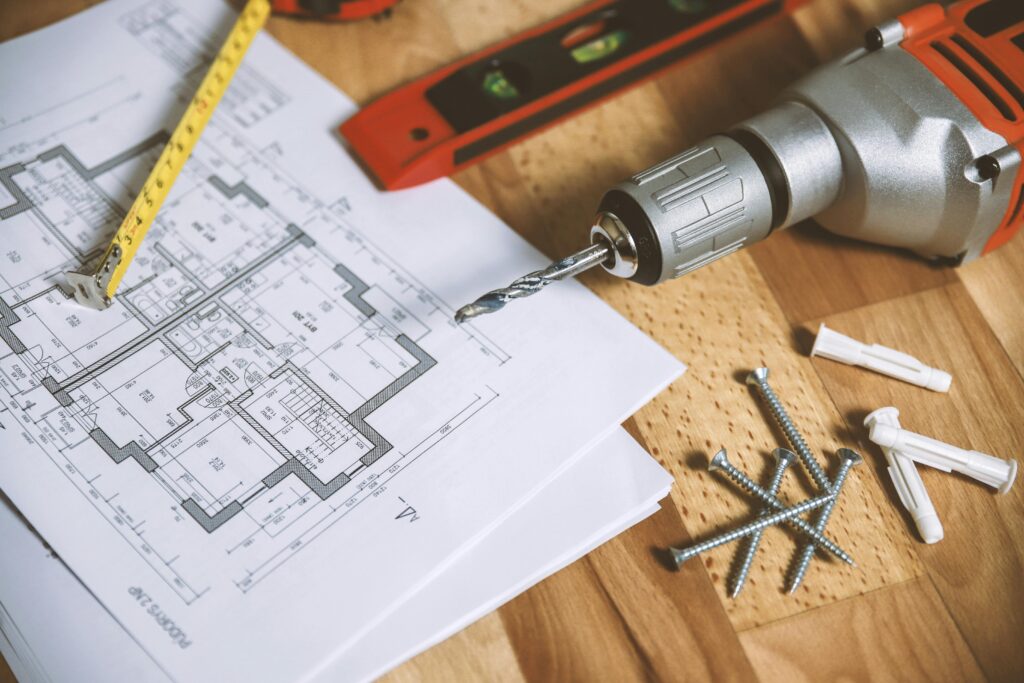
When Emily and John bought their 1980s home in Glen Burnie, they were excited to give it new life. But as soon as they started looking into home remodeling options, they were overwhelmed by the endless choices, from basic updates to full-scale renovation packages that could rival new construction. Each company had its own pricing model, and what seemed like a simple kitchen upgrade quickly turned into a maze of estimates, timelines, and service levels.
This is a story that many homeowners across Maryland, from Arnold to Bethesda, can relate to. Whether you’re a first-time homeowner in Crofton, managing several rental properties in Columbia, or overseeing a luxury estate in Potomac, understanding the differences between home remodeling service packages and their pricing can save you thousands of dollars, and just as many headaches.
Remodeling isn’t just about aesthetics; it’s about smart investment, comfort, and increasing property value. Yet, without a clear comparison of what each remodeling package includes, many property owners end up paying more for less. In this guide, we’ll break down how to navigate Maryland’s diverse market, analyze what’s truly included in different home remodeling services, and help you choose the right option for your budget and long-term goals.
Key Takeaways
1. Understanding home remodeling packages is essential , Knowing the differences between basic, mid-tier, and premium remodeling services helps Maryland property owners align expectations, quality, and cost.
2. Transparent pricing matters , Comparing detailed estimates from multiple contractors in cities like Rockville or Bowie ensures better value and prevents hidden costs.
3. Planning and permits come first , Proper project preparation, including local code compliance in areas such as Annapolis and Bethesda, avoids costly delays or violations.
4. Material choices impact long-term results , Durable, high-quality materials tailored to Maryland’s climate extend the lifespan of any remodel while reducing future maintenance expenses.
5. Professional project management adds value , Coordinated scheduling, clear communication, and licensed contractors guarantee higher workmanship standards across all property types.
6. Energy efficiency and sustainability pay off , Implementing smart systems and eco-friendly upgrades enhances comfort while lowering operating costs.
7. Post-renovation maintenance preserves investment , Regular care and warranty follow-ups ensure your remodel continues to perform well for years to come.
8. Informed decisions maximize returns , Whether enhancing a family home in Glen Burnie or modernizing a rental in Columbia, a well-planned home remodeling strategy delivers lasting beauty, comfort, and property value.
Understanding Home Remodeling Packages
At its core, home remodeling refers to improving, updating, or reconfiguring existing spaces to enhance functionality, comfort, and property value. In Maryland cities like Annapolis, Rockville, and Bowie, remodeling service providers often offer different packages, from basic refreshes to premium turn-key renovations. A basic package may include cosmetic updates such as painting, flooring, and fixture replacements. Mid-tier packages typically combine design consultation, structural changes, and upgraded materials. Premium or “design-build” remodeling packages cover every stage, from architectural planning to final finishes, often with concierge-style project management.
For homeowners and property managers, understanding these tiers is crucial. Someone updating rental units in Silver Spring, for example, might choose a mid-tier package for cost efficiency and durability, whereas a Potomac homeowner investing in a luxury property might opt for a premium level to achieve a customized, high-end look.
Evaluating Pricing and Value
Pricing for home remodeling services in Maryland can vary significantly. Contractors generally calculate costs based on labor, material quality, design complexity, and project size. A kitchen remodel in Columbia might start at $20,000 for a basic package but easily exceed $60,000 with premium cabinetry, stone countertops, and smart technology integration. Bathrooms, basements, and additions follow similar patterns, costs rise with detail and customization.
When comparing pricing, it’s essential to look beyond upfront costs. Homeowners in Bethesda or Arnold should evaluate warranties, material quality, and after-service support. Paying less at first might mean higher maintenance later. A transparent remodeling company provides clear estimates, detailed scopes of work, and options that align with both budget and expectations.
Choosing the Right Package for Your Property
Homeowners and property managers should start by defining goals: aesthetic improvement, functionality, or resale value. In Crofton, a family remodeling for comfort might prioritize energy-efficient upgrades, while a real estate investor in Glen Burnie may focus on durable materials that appeal to tenants.
Ultimately, comparing home remodeling service packages allows Maryland property owners to make smarter, more confident investments, turning confusion into clarity and transforming every house into a home that fits their lifestyle, budget, and vision.
Steps to Properly Carry Out a Home Remodeling Project
A well-executed home remodeling process requires more than just design inspiration or a list of contractors. For property owners across Maryland, from Annapolis to Rockville, a successful renovation depends on structured planning, clear communication, and disciplined project management. The following steps break down how a reputable contractor should handle a remodeling project from start to finish, ensuring transparency, efficiency, and quality results.
Step 1: Initial Consultation and Project Assessment
The first step begins with a detailed consultation. Contractors in cities like Glen Burnie or Silver Spring should schedule an on-site visit to assess the current condition of the property. During this stage, they collect measurements, review design ideas, and discuss the client’s goals, whether it’s modernizing an outdated kitchen in Columbia or creating additional space in a Bowie townhouse.
A thorough consultation allows the contractor to understand the property’s structure and constraints. This stage should include:
· Inspecting plumbing, electrical systems, and structural elements.
· Outlining realistic expectations based on budget and local building codes.
· Gathering inspiration images or previous project references.
Step 2: Design and Proposal Phase
Once the assessment is complete, contractors move on to design development and cost estimation. For Maryland property owners, this phase is where clarity matters most. The contractor should prepare a detailed proposal outlining materials, finishes, and timelines according to the selected package, basic, mid-tier, or premium.
| Package Type | What’s Included | Typical Cost Range in Maryland |
| Basic | Painting, flooring, lighting, minor fixture updates | $10,000 – $25,000 |
| Mid-Tier | Design consultation, layout changes, appliance upgrades | $25,000 – $50,000 |
| Premium | Full structural redesign, luxury materials, smart systems | $50,000+ |
Homeowners and property managers should review every line item carefully. A transparent bid not only breaks down individual costs but also helps compare multiple home remodeling companies efficiently.
Step 3: Permit Acquisition and Regulatory Approvals
Before any demolition begins, professional contractors in Maryland, especially in cities like Bethesda and Arnold, must obtain the proper building permits. This ensures all work complies with local codes and zoning laws. Contractors typically handle:
· Submitting architectural drawings to county permit offices.
· Coordinating with inspectors for approval.
· Ensuring insurance coverage and worker safety compliance.
Skipping or mishandling this step can result in costly delays or penalties, particularly in areas with stricter regulations such as Potomac or Annapolis historic districts.
Step 4: Demolition and Site Preparation
Once permits are secured, the next stage involves clearing out existing structures. Proper site preparation is vital for both safety and efficiency. Contractors should:
· Protect non-remodeled areas with barriers or coverings.
· Safely dispose of waste according to environmental guidelines.
· Verify that plumbing, wiring, and load-bearing structures are ready for modification.
For property managers handling multiple units in Columbia or Silver Spring, ensuring minimal noise and dust control is also a core responsibility, maintaining good relationships with tenants and neighbors.
Step 5: Structural, Electrical, and Plumbing Work
This stage lays the foundation for everything that comes after. Contractors coordinate licensed professionals to handle crucial infrastructure changes. A trustworthy remodeling firm ensures that all rough-ins, plumbing lines, electrical outlets, and framing, meet updated local building standards.
| System | Responsible Specialist | Common Upgrades |
| Electrical | Licensed Electrician | Rewiring, smart lighting, circuit upgrades |
| Plumbing | Certified Plumber | New piping, energy-efficient fixtures |
| HVAC | HVAC Technician | Duct replacements, zoned temperature control |
Failing to manage this stage properly can cause costly rework later. Skilled project oversight ensures seamless integration and inspection approval.
Step 6: Installation and Finishes
This is where a property starts to transform. Contractors begin installing cabinets, flooring, tile, and fixtures according to the plan. In Crofton or Rockville, where modern aesthetics are trending, homeowners may choose sleek, minimalist finishes. Meanwhile, an Annapolis homeowner restoring a waterfront property might prefer natural materials and coastal colors.
Attention to detail here determines the final look and feel. A good contractor should:
· Follow manufacturer specifications for materials.
· Perform quality checks after every major installation.
· Maintain daily communication with the client about progress and adjustments.
Step 7: Final Inspection and Handover
Every home remodeling project should end with a detailed walkthrough. The contractor reviews the results alongside the homeowner or property manager, ensuring that everything meets the approved design and safety standards. Any final touch-ups or corrections should be completed before the official handover.
Contractors in Maryland often provide warranties covering workmanship and materials. Keeping all documents and receipts organized helps in case of future maintenance or resale evaluations.

A structured approach like this transforms remodeling from a stressful experience into a well-managed investment. Whether you’re upgrading a historic home in Annapolis or optimizing a rental property in Silver Spring, following these steps, and partnering with a reliable contractor, ensures that your home remodeling project delivers lasting beauty, comfort, and value across Maryland’s unique residential landscape.
Knowing a few key tips can make all the difference between a smooth home remodeling experience and one filled with unnecessary delays or costs. For Maryland property owners, from the quiet neighborhoods of Arnold to the busy markets of Silver Spring, smart planning and maintenance-oriented thinking help ensure longer-lasting results and better returns on investment.
Practical Tips for Better Remodeling Results:
1. Prioritize functionality before style. Choose designs that make daily living easier, especially in family homes in Glen Burnie or Crofton.
2. Invest in durable materials. In high-traffic areas like kitchens or rental properties in Columbia, durable flooring and quality fixtures extend the life of your remodel.
3. Schedule seasonal maintenance. Humidity and temperature changes in Maryland can affect finishes; regular inspections help prevent wear and tear.
3. Communicate consistently. Keep open contact with your contractor throughout the home remodeling process to avoid misunderstandings about scope and costs.
4. Document everything. Store receipts, warranties, and design plans, useful for insurance or future renovations.
By applying these best practices, homeowners and property managers can enjoy well-executed remodels that stand the test of time, combining beauty, function, and value.
Key Concepts to Understand Before Starting a Home Remodeling Project
Understanding the fundamental concepts behind home remodeling helps homeowners and property managers in Maryland make confident, informed decisions. Whether you’re modernizing a 1970s colonial in Rockville or updating a rental property in Columbia, these concepts explain what drives cost, quality, and long-term value in every renovation project.
Scope of Work
The “scope of work” defines exactly what will be performed during the remodeling project, materials, tasks, and responsibilities. It’s essentially the roadmap of your remodel. A well-defined scope prevents surprise costs and delays. For example, in Glen Burnie, a homeowner planning both a kitchen and bathroom upgrade should specify whether plumbing relocation or appliance installation is included.
| Project Scope Level | Description | Example in Maryland |
| Basic | Visual updates and surface-level improvements | Repainting and light fixture updates in a rental unit in Silver Spring |
| Moderate | Partial redesign including structural or layout changes | Expanding a kitchen or adding a bathroom in Arnold |
| Full | Complete transformation, often requiring permits and design management | Full home renovation in Potomac including layout overhaul |
Material Quality and Selection
Material selection has one of the biggest impacts on budget and durability. For instance, homeowners in Annapolis, where humidity is high, should prioritize moisture-resistant flooring, while those in Bethesda may prefer premium finishes to boost property value. Price doesn’t always equal performance, but quality materials typically lower maintenance costs over time.
| Material Option | Typical Use | Cost Impact | Durability |
| Laminate | Countertops, flooring | Low | Moderate |
| Quartz | Countertops | Medium-High | High |
| Natural Stone | Flooring, walls, luxury kitchens | High | Very High |
| Vinyl | Budget-friendly flooring | Low | Moderate |
Contractor Licensing and Expertise
In Maryland, every home remodeling contractor must hold a valid Home Improvement Contractor (MHIC) license. This ensures they meet state standards for quality and safety. Before hiring, homeowners in Crofton or Bowie should verify the license number and review references. Local experience matters too, contractors familiar with county permits navigate projects faster and more efficiently.
Design-Build vs. Traditional Contracting
One major decision when planning your project involves choosing between “design-build” and “traditional” contracting methods.
| Method | Description | Best For | Example |
| Traditional | Client works separately with designer and contractor | Small-scale or single-room remodels | A simple bathroom remodel in Glen Burnie |
| Design-Build | One firm manages both design and construction phases | Complex or high-end projects needing coordination | A luxury kitchen and addition in Bethesda |
Design-build models are becoming increasingly popular in places like Columbia and Rockville because they reduce miscommunication between designers and builders.
Time and Project Management
Every home remodeling job requires strong time management to ensure smooth execution. Professional project management includes scheduling subcontractors, ordering materials, and performing quality inspections. For property managers overseeing multi-unit buildings in Silver Spring, choosing contractors who use digital management tools (such as timeline tracking and progress photos) helps avoid costly downtime and confusion.
Energy Efficiency and Sustainability
In modern Maryland communities, especially in environmentally conscious areas like Annapolis and Columbia, energy efficiency has become a major factor in remodeling. Upgrades such as LED lighting, ENERGY STAR appliances, and improved insulation not only lower utility bills but also enhance resale appeal.
| Upgrade | Typical Savings | Additional Benefit |
| High-efficiency windows | Up to 30% energy savings | Increased comfort and sound reduction |
| Smart thermostats | 10–15% heating/cooling savings | Remote system management |
| Insulated doors and siding | Variable by property | Enhances curb appeal and property value |
Cost Transparency and Change Management
Unexpected costs are one of the most common challenges in remodeling. Contractors should provide transparent cost breakdowns and clear policies for handling “change orders”, any modification made after the project starts. In Bowie or Rockville, for instance, changing cabinetry materials mid-project might increase both labor and delivery time.
A good practice is to budget an additional 10–15% contingency for unplanned expenses. Contractors who communicate clearly about adjustments and document every change help protect their clients from misunderstandings.
Post-Project Maintenance and Warranty
Quality home remodeling doesn’t end when construction wraps up. Reliable contractors provide written warranties covering both materials and craftsmanship. Homeowners in Arnold or Glen Burnie should ask about coverage duration and maintenance requirements. Regular light cleaning, caulking, and inspection prevent premature wear, especially in areas prone to humidity or temperature swings.
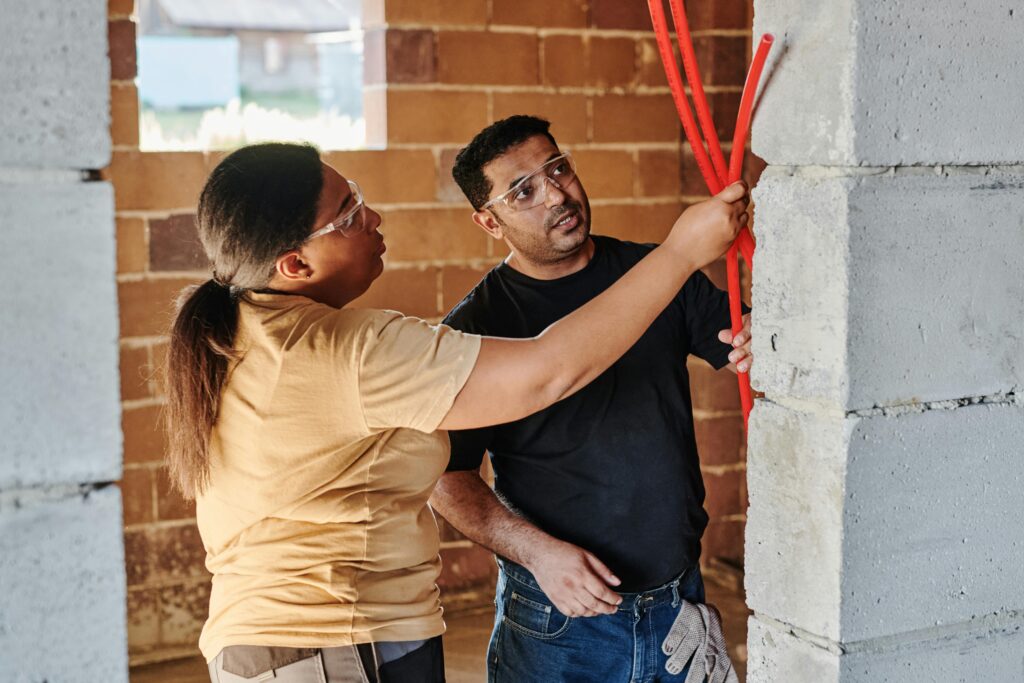
By mastering these core concepts, Maryland homeowners and real estate professionals can approach remodeling projects with confidence. Each decision, from choosing materials to selecting the right contractor, affects the final result. Understanding these principles ensures your home remodeling investment delivers beauty, efficiency, and lasting value.
Frequently Asked Questions About Home Remodeling
How do I know which home remodeling package is right for my property?
It depends on your goals and budget. Basic packages are ideal for cosmetic upgrades in rental units, such as a Silver Spring apartment. Mid-tier options work well for family homes in Arnold or Bowie where design improvements and durability matter. Premium packages are best for high-end residences in Potomac or Bethesda that need full layout transformations or luxury finishes.
How can I compare remodeling prices between contractors?
Always request detailed, written estimates that break down labor, materials, and completion timelines. In cities like Glen Burnie or Columbia, reputable contractors should explain what each line item covers, allowing you to compare value, not just total cost.
Do I need permits for every remodeling project?
Not always. Minor interior work like repainting or flooring may not require permits. However, structural changes, electrical rewiring, or plumbing updates in Annapolis or Rockville usually do. Your contractor should handle this process to ensure compliance with local regulations.
How long does the average home remodeling project take in Maryland?
Timelines vary based on scope. A bathroom renovation may take 2–3 weeks, while a full home remodel could last 2–4 months. Weather and permit delays can affect timelines, especially in coastal areas like Annapolis.
What’s the most valuable remodeling investment for resale?
In Maryland markets, kitchen and bathroom remodels yield the highest return. For example, upgrading kitchen finishes in Crofton or adding energy-efficient features in Columbia can greatly increase property value.
How can I ensure long-lasting results?
Use high-quality materials, schedule routine maintenance, and choose contractors with verified references and local certifications. Consistency and proper care extend the life of any home remodeling project.
These answers can help Maryland property owners make informed, confident decisions, ensuring every dollar spent on remodeling truly enhances both comfort and value.