
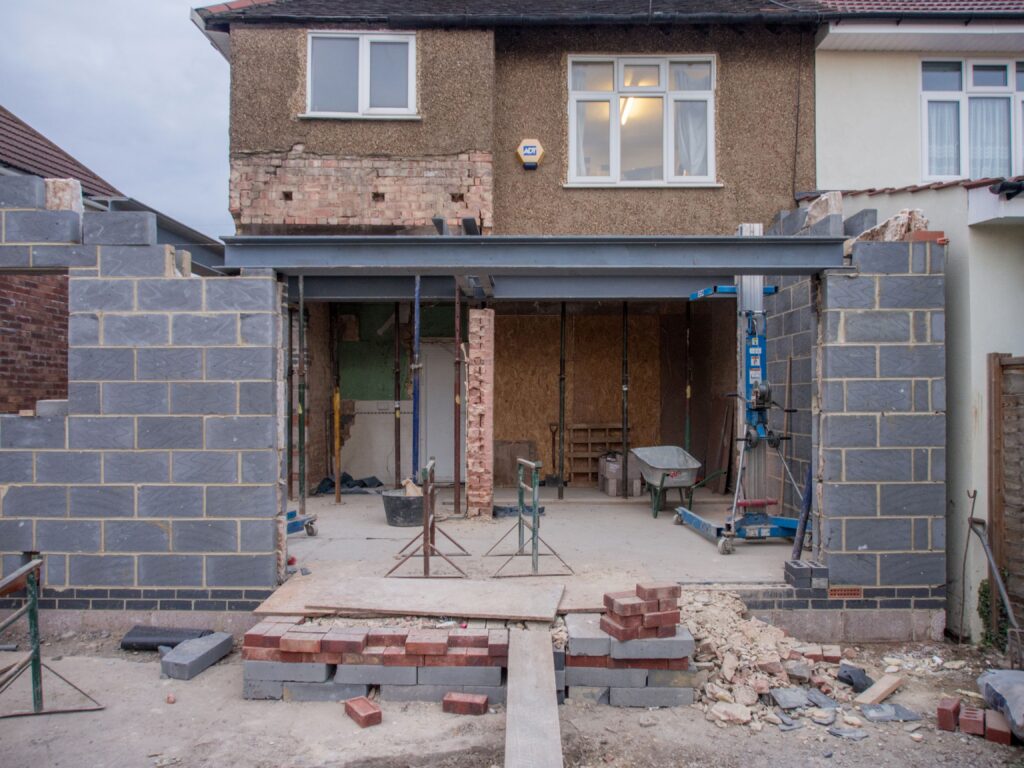
Last summer in Glen Burnie, the Martins realized their growing family had outgrown their cozy three-bedroom home. Between remote work, kids needing study areas, and visiting relatives, every square foot felt consumed. Instead of moving away from their beloved neighborhood, they explored a smarter solution , a Room Adition in Maryland that transformed their home’s layout, added significant comfort, and increased its overall value.
Stories like theirs are becoming increasingly common across Maryland, from Arnold to Rockville, as more homeowners choose to expand rather than relocate. Whether you manage rental properties in Bowie, own a family home in Columbia, or oversee estates in Bethesda, a thoughtfully planned room addition can make all the difference. It’s more than just extra space , it’s about improving lifestyle, boosting property appeal, and creating long-term value.
In a region where space comes at a premium, understanding the process and benefits of a Room Adition in Maryland is essential. Homeowners and property managers alike are discovering that well-designed additions not only meet immediate needs but also provide a lasting return on investment, enhancing comfort and utility for years to come.
Key Takeaways
1. Strategic planning is essential: A successful Room Adition in Maryland begins with a clear vision, accurate budgeting, and coordination with experienced local professionals familiar with state and city regulations.
2. Quality and integration matter: Proper structural and architectural integration ensures the new space blends seamlessly with the existing home, providing durability and visual harmony.
3. Permits and legal compliance protect your investment: Each Maryland city, from Annapolis to Rockville, has distinct building codes. Following them prevents costly delays and secures long-term property value.
4. Energy efficiency adds long-term benefits: Using high-quality insulation, windows, and lighting not only lowers utility costs but also improves comfort and appeal for both homeowners and tenants.
5. Design for versatility: Multifunctional spaces that adapt to changing lifestyles add lasting convenience and increase market potential.
6. Regular maintenance sustains value: Routine inspections of roofing, HVAC, and foundation strengthen the addition’s longevity in Maryland’s variable climate.
7. Transparent communication ensures smooth execution: Clear timelines, progress reports, and detailed contracts minimize misunderstandings during construction.
8. Room additions build more than space: A well-executed Room Adition in Maryland enhances comfort, function, and home value , turning every square foot into a long-term asset.
Understanding What a Room Addition Means
A Room Adition in Maryland refers to expanding an existing home by adding new living areas that blend seamlessly with the original design. This could mean building an extra bedroom, home office, second-story extension, or even a larger kitchen and dining area. The goal is to create more functional, comfortable, and valuable spaces without the hassle of relocating.
Across Maryland cities like Annapolis, Crofton, and Potomac, this trend has grown as families and property owners look for ways to adapt to modern living needs. For homeowners, a room addition allows them to stay in the neighborhood they love while enjoying upgraded comfort. For property managers, it’s an investment that increases rental appeal and market value.
Why a Room Addition Is a Smart Investment
Adding more space can dramatically enhance a property’s livability and financial potential. In densely populated areas such as Silver Spring and Rockville, where housing costs continue to rise, expanding your home often costs less than buying a larger property. A Room Adition in Maryland can also increase resale value, making it a strategic move for anyone planning to sell in the future.
For instance, a homeowner in Bowie who converts unused outdoor space into a guest suite can attract higher-value tenants or buyers looking for flexible living arrangements. Similarly, a renovated basement in Columbia turned into a home office or gym can cater to the growing demand for multifunctional living spaces.
Designing for Comfort and Long-Term Value
Successful room additions balance beauty, practicality, and functionality. Local experts recommend planning with energy efficiency, natural light, and architectural harmony in mind. Working with contractors familiar with local zoning laws ensures your Room Adition in Maryland complements existing structures and meets all regulatory requirements.
Ultimately, it’s about enhancing how a property feels and functions , giving homeowners the freedom to personalize their spaces while increasing the property’s worth. Whether you’re expanding a single-family home in Arnold or updating a rental unit in Bethesda, a strategic room addition offers enduring benefits that make every square foot count.
Step-by-Step Process for a Successful Room Adition in Maryland
Expanding a home or property can be one of the most rewarding investments for Maryland homeowners and property managers, but it requires careful planning and execution. A well-managed process ensures that the Room Adition in Maryland blends functionality, aesthetics, and compliance with local building codes. Below is a detailed step-by-step guide to achieving a flawless addition, from the first idea to the finishing touches.
Step 1: Initial Consultation and Concept Design
The process begins with a professional consultation to assess the homeowner’s vision, needs, and budget. Contractors typically visit the property, whether it’s a single-family home in Glen Burnie or a rental in Columbia, to analyze structural possibilities. During this stage, the project’s feasibility and goals are defined.
| Key Considerations | Details |
| Space Assessment | Evaluate available land or existing structure for expansion. |
| Budget Planning | Establish cost expectations and financing options. |
| Design Vision | Create sketches or digital models reflecting homeowner’s lifestyle needs. |
Early collaboration ensures that both the homeowner and contractor are aligned before moving forward.
Step 2: Site Evaluation and Structural Analysis
In places like Annapolis or Potomac, where property layouts vary, a Room Adition in Maryland demands a thorough site evaluation. Engineers and architects check soil conditions, foundation strength, and structural integration with existing walls and roofing.
For example, a Crofton homeowner expanding a second story must ensure the current foundation can support the new load. Skipping this step could result in costly future repairs, making professional analysis indispensable.
Step 3: Permits, Codes, and Legal Compliance
Each Maryland city has its unique zoning codes and construction requirements. Contractors must secure all required permits and approve plans through local building departments before breaking ground.
| City | Typical Permits Required | Time Frame |
| Bowie | Building, electrical, plumbing | 3–6 weeks |
| Silver Spring | Structural and zoning approval | 4–8 weeks |
| Rockville | Environmental impact and safety inspection | 6–10 weeks |
Working with local experts who understand municipal regulations saves time and prevents delays. It also ensures the Room Adition in Maryland meets every safety and community standard.
Step 4: Detailed Project Planning and Scheduling
Once permits are granted, the next step involves finalizing materials, project timelines, and labor requirements. Contractors should provide a transparent project plan outlining milestones, payment schedules, and anticipated challenges.
For instance, a homeowner in Bethesda adding a family room should know when demolition begins, when framing starts, and when inspections will occur. This clarity helps homeowners or property managers stay informed and confident throughout construction.
Step 5: Site Preparation and Structural Framing
With approvals in hand, site preparation begins. Contractors clear and level the work area, set up temporary safety barriers, and establish electrical or plumbing access points. Next comes framing , building the skeleton of the new structure.
A qualified team ensures that framing matches the existing property’s design, providing strength and stability. In Arnold or Columbia, where aesthetic continuity is vital, materials should match the original style for architectural cohesion.
Step 6: Utility Installations and Inspections
This phase includes wiring, HVAC, plumbing, and insulation. Reliable contractors coordinate with local inspectors in places like Rockville or Glen Burnie to meet building codes at every stage. Regular inspections guarantee efficiency, energy compliance, and long-term durability.
Utility systems are often optimized for energy savings, lowering operating costs for both homeowners and property managers , an essential factor in Maryland’s competitive real estate market.
Step 7: Interior Finishing and Exterior Integration
The interior transformation begins with drywall, flooring, lighting, and paint selection. Homeowners in Crofton often opt for modern, energy-efficient windows and natural light designs, while those in Potomac might favor high-end finishes.
Exterior integration is equally critical. A professional Room Adition in Maryland should look as if it has always been part of the home, not an afterthought. Matching siding, roofing materials, and landscaping ties everything together visually and structurally.
Step 8: Final Inspection and Handover
Before completion, a thorough walkthrough verifies that all components meet quality standards and local codes. Contractors address any final adjustments, from fine-tuning HVAC systems to ensuring paint precision, before the homeowner or property owner officially signs off.
For property managers in Silver Spring or Bowie, this stage includes obtaining updated occupancy certificates or insurance assessments to reflect the expanded space.
Step 9: Post-Completion Maintenance and Warranty
Reputable contractors offer warranties covering structural integrity, materials, and workmanship. They also provide guidance on regular maintenance, such as roof inspections or HVAC servicing, to preserve the addition’s condition over time.
A successful Room Adition in Maryland isn’t just about extra square footage; it’s about craftsmanship, compliance, and comfort. Following these well-defined steps ensures a seamless result that enhances value, boosts livability, and keeps Maryland homes thriving for generations to come.
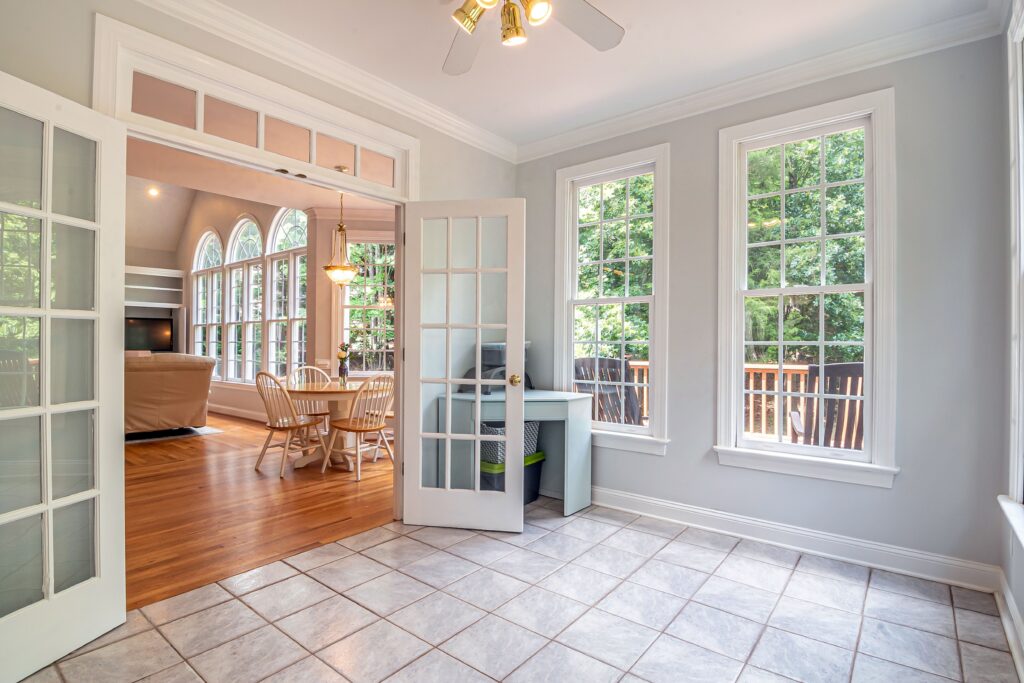
Knowing a few expert tips can make all the difference between a good and an exceptional Room Adition in Maryland. With smart planning and proper care, homeowners and property managers can extend the useful life of their investment, reduce unnecessary costs, and ensure lasting comfort. Whether your property is in Columbia, Bethesda, or Annapolis, the following recommendations can help deliver better, more durable results:
1 Plan for the future: Design spaces that can easily adapt to new uses , a guest room today could become a home office tomorrow.
2 Match materials and architecture: Use exterior materials that harmonize with your home’s original style to maintain curb appeal and long-term value.
3 Prioritize energy efficiency: Choose quality windows, insulation, and lighting systems that lower utility bills and increase comfort.
4 Work with local professionals: Maryland’s building codes vary by city, so hiring contractors familiar with local regulations ensures smoother approvals.
5 Schedule regular maintenance: Inspect roofing, gutters, and HVAC annually to preserve structural integrity and avoid costly repairs.
By applying these guidelines, every Room Adition in Maryland can achieve exceptional functionality, visual harmony, and unmatched value over time.
Key Concepts to Understand Before Starting a Room Adition in Maryland
Successfully completing a Room Adition in Maryland involves more than just hiring a contractor and choosing materials. To achieve an efficient, valuable, and visually cohesive project, homeowners and property managers should understand several key concepts that influence both design and long-term performance. The following ideas provide clarity on what defines quality and durability in home expansion projects across Maryland cities like Columbia, Bethesda, and Annapolis.
Structural Integration
A seamless addition must blend structurally with the existing building. This means aligning foundation depth, framing techniques, and roofing angles. Improper integration can lead to cracks, leaks, or uneven settling over time.
In places like Rockville or Bowie, where many houses were built decades ago, older foundations may require reinforcement before expanding. Homeowners who understand structural integration can discuss these details confidently with their contractor and avoid hidden structural risks.
| Aspect | Poor Integration | Proper Integration |
| Foundation | Uneven levels causing cracks | Reinforced base aligned with the original |
| Framing | Gaps between old and new walls | Unified beam structure with merged supports |
| Roofline | Noticeable slope differences | Continuous roof pitch and watertight seams |
Architectural Continuity
Architectural continuity ensures that the addition looks like part of the original home, not an afterthought. It requires matching exterior materials, window styles, and roofing patterns. In Arnold and Annapolis, where historic homes prevail, maintaining visual harmony enhances neighborhood aesthetics and property value.
A good Room Adition in Maryland will incorporate modern comforts while honoring the existing architectural identity , for example, using fiber cement siding resembling vintage wood or selecting complementary brick tones in Crofton communities.
Energy Efficiency and Environmental Balance
Energy-conscious additions are not only cost-effective but also environmentally friendly. Choosing high-efficiency windows, insulated walls, and sustainable materials can reduce long-term operating costs. Property managers in Columbia or Silver Spring can benefit from these upgrades by lowering energy expenses for tenants while promoting eco-friendly practices.
| Energy Feature | Benefit for Homeowners | Benefit for Property Managers |
| Double-pane windows | Lower heating and cooling bills | Greater rental appeal |
| LED lighting systems | Reduced electric consumption | Lower maintenance costs |
| Insulated flooring | Enhanced comfort | Increased tenant satisfaction |
Space Functionality and Future Adaptability
Designing with flexibility ensures that the added space meets both current and future needs. A home office in Bethesda, for instance, could later serve as a playroom or guest suite without major renovations.
This concept is especially valuable in Maryland’s dynamic real estate landscape. For property managers, flexible spaces increase rental market competitiveness. For homeowners, it means long-term usability even as family dynamics evolve.
When planning a Room Adition in Maryland, consider incorporating universal design principles , wider doorways, open layouts, and accessible bathrooms , to enhance functionality for years to come.
Compliance and Local Regulations
Each Maryland city enforces specific zoning, setback, and permit requirements. For example, Annapolis may have strict historical preservation guidelines, while Columbia and Rockville have community association restrictions. Understanding these factors early prevents costly redesigns.
Contractors experienced in local regulations streamline approvals and inspections, ensuring projects stay on schedule. Homeowners should always verify that their builder is licensed and insured within Maryland to maintain compliance and protect investments.
Quality Materials and Craftsmanship
The longevity of a room addition depends heavily on material quality and craftsmanship. Using moisture-resistant drywall, durable roofing shingles, and pressure-treated lumber can significantly extend structural integrity , particularly in Maryland’s humid climate.
In coastal regions like Arnold or Annapolis, weatherproof materials are essential to prevent mold and water intrusion. Discussing product warranties and construction techniques upfront helps guarantee that a Room Adition in Maryland stands strong for decades.
Value Optimization Through Design
Beyond structural and aesthetic considerations, the layout itself should maximize functional value. For example, adding natural light through skylights or strategically placed windows enhances mood and increases perceived space.
Real estate experts in Bowie and Potomac agree that well-designed additions yield better appraisal values. Prioritizing circulation flow, natural lighting, and storage solutions creates livable spaces that appeal to both current occupants and future buyers or renters.
Communication and Project Transparency
Clear communication between homeowners, contractors, and designers is vital for success. Regular updates, written agreements, and transparent billing prevent misunderstandings once construction begins.
For property managers handling multiple projects in cities like Columbia or Silver Spring, digital project management tools can simplify oversight and maintain documentation for future maintenance.
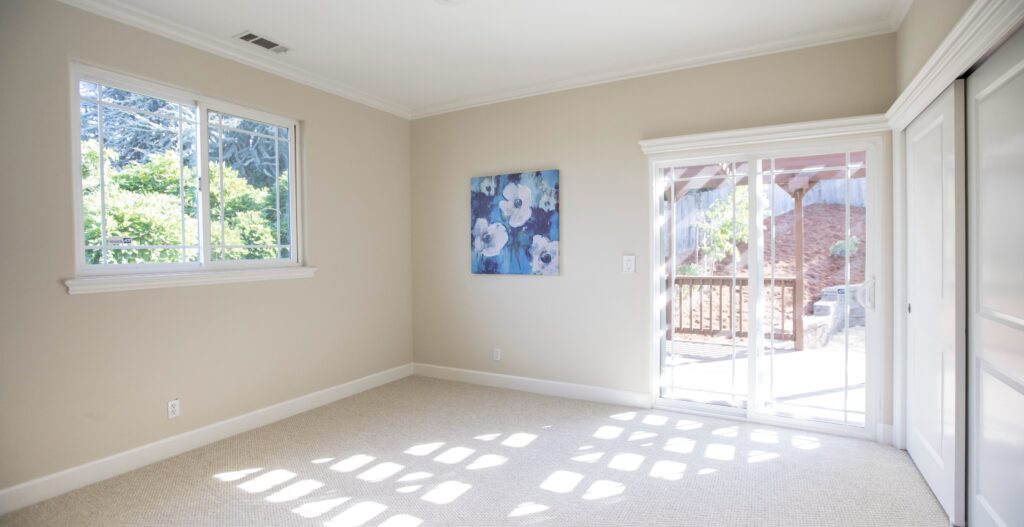
Understanding these key concepts empowers Maryland homeowners, property managers, and real estate owners to make informed decisions that protect both comfort and investment. When these principles guide each phase of planning and construction, every Room Adition in Maryland becomes not just an expansion , but a lasting enhancement to the property’s quality, usability, and long-term value.
Frequently Asked Questions About Room Adition in Maryland
How long does a typical Room Adition in Maryland take to complete?
The timeline depends on the project’s size and complexity. A small addition in Glen Burnie, such as extending a living room, may take eight to ten weeks, while larger projects in Bethesda or Rockville, like second-story expansions, can require three to five months, including design and permitting.
Do I need a permit for a room addition in Maryland?
Yes. All major structural work requires building permits. Each city, be it Annapolis, Bowie, or Columbia, has specific zoning and inspection requirements. Working with a licensed contractor familiar with local regulations ensures your project complies with every municipal code.
Will a Room Adition in Maryland increase my property taxes?
Likely yes, since expanding your home adds to its assessed value. However, the increase is typically offset by the long-term property value and comfort gained, particularly in desirable markets like Potomac or Silver Spring.
How much value can a room addition add to my property?
Depending on the type of addition and location, homeowners in Arnold or Crofton often see 50–80% of their project cost recouped in increased home value, especially when the addition enhances functionality or visual balance.
What is the best time of year for a room addition?
Spring and early fall are optimal in Maryland due to mild temperatures and reduced precipitation. Planning ahead avoids delays caused by winter weather or busy summer schedules.
Can I live in my home during the construction process?
In many cases, yes. For smaller or segmented additions, contractors can isolate work areas to minimize disruption. Families in Columbia and Bowie often remain on-site during most of the build.
Whether upgrading for comfort or market value, understanding these essentials will help every Room Adition in Maryland progress smoothly, efficiently, and successfully.