
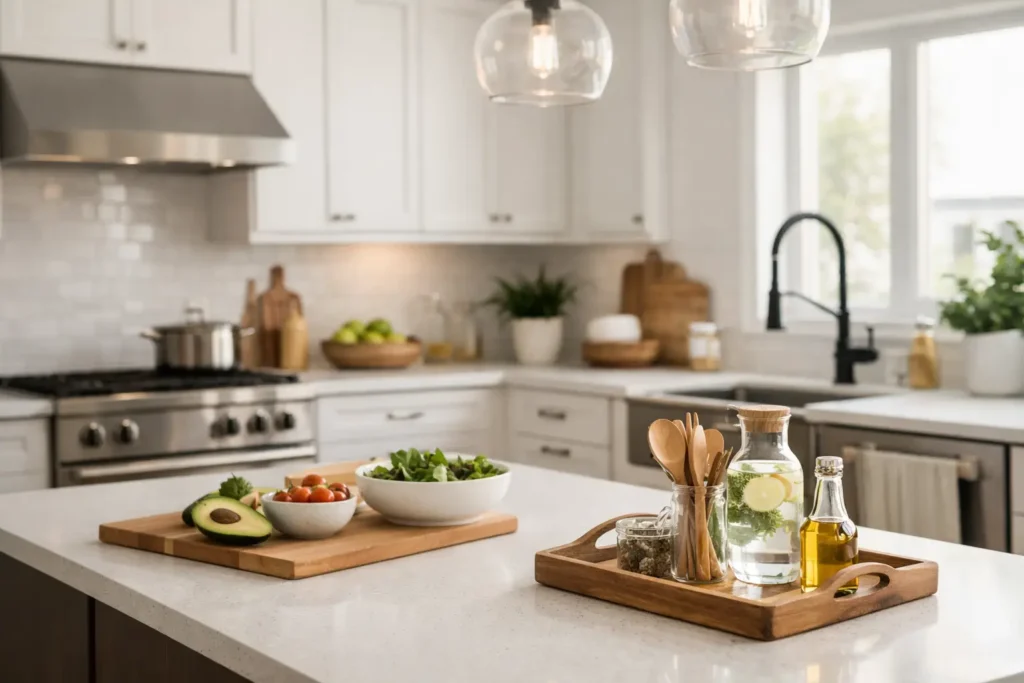
A kitchen rarely stops at looking outdated. More often, it starts with small frustrations that add up – crowded counters, poor lighting, worn cabinets, limited storage, or a layout that makes cooking feel harder than it should. That is why kitchen remodeling is often one of the most rewarding projects a homeowner can take on. Done well, it improves how the space works every day while also strengthening the overall value and appeal of the home.
For many Maryland homeowners, the real goal is not chasing trends. It is creating a kitchen that fits the way the household actually lives. A family with school-age kids needs different solutions than empty nesters who entertain often, and a busy professional may care more about efficiency and durability than decorative details. The best remodels are shaped around those realities from the start.
Table of Contents
ToggleWhat kitchen remodeling should solve first
A strong remodel begins by identifying what is not working now. Sometimes the biggest issue is layout. The refrigerator may interrupt the main work area, the island may be too tight for traffic flow, or there may be no clear landing space near the range or sink. In other homes, the problem is less about square footage and more about how poorly the existing space is used.
Storage is another common pain point. Deep corners become dead space, upper cabinets are hard to reach, and pantry items end up spread across several locations. Kitchen remodeling gives you the chance to correct those everyday problems with purposeful cabinet design, better drawer configurations, and smarter organization.
Lighting matters just as much. Many older kitchens rely on a single ceiling fixture that leaves prep areas dim and the room feeling flat. Layered lighting, including task lighting and well-placed fixtures, can change how the kitchen looks and functions without changing its footprint.
Then there is condition. Water damage around sinks, worn flooring, aging countertops, peeling finishes, and outdated electrical features are not just cosmetic concerns. They can affect safety, maintenance, and long-term durability. In some cases, a remodel is also a chance to address hidden issues before they become more expensive repairs.
The difference between a cosmetic update and full kitchen remodeling
Not every project needs a complete teardown. If the layout works, the cabinet boxes are in good condition, and the major systems are sound, a more targeted update may be enough. New cabinet fronts, countertops, backsplash tile, fixtures, paint, and lighting can freshen the room significantly.
A full kitchen remodeling project makes more sense when the existing space no longer supports the household. Maybe the kitchen feels closed off from the rest of the home, the cabinets are failing, or there is a history of moisture damage that needs proper correction. A deeper remodel may also be the right move when homeowners want to improve resale appeal while planning to stay in the house long enough to enjoy the benefits themselves.
The trade-off is straightforward. A lighter update usually costs less and moves faster, but it also works within existing limitations. A full remodel offers more freedom and better long-term results, though it requires more planning, a larger budget, and a temporary disruption to daily routines.
Where the best value usually comes from
Homeowners often ask which parts of a kitchen matter most. The honest answer is that it depends on the home, the budget, and whether the priority is daily use, resale, or both. That said, certain investments tend to make a noticeable difference.
Cabinetry is often the backbone of the project because it affects storage, appearance, and function all at once. Better cabinet design can reduce clutter, improve access, and make the room feel more custom even without a luxury-level budget. Countertops follow closely behind. They take daily wear and set the tone visually, so material choice should balance style with maintenance needs.
Layout improvements can offer the biggest quality-of-life return. Moving an appliance, widening a walkway, adding an island, or creating better prep space can make the kitchen feel entirely different. These changes are not always the most visible in listing photos, but they are usually the ones homeowners appreciate most after the work is done.
Appliances, flooring, and lighting also matter, but they should support the larger plan rather than drive it. A high-end range will not fix a poor workflow, and beautiful flooring will not compensate for weak storage. Lasting value comes from making the kitchen work better first and look better as part of that process.
Planning kitchen remodeling with fewer surprises
The smoothest projects are the ones that are planned in detail before construction starts. That means more than choosing finishes. It includes understanding the scope of work, confirming measurements, discussing material lead times, and deciding where to spend and where to save.
One of the most common mistakes is setting a budget based only on visible finishes. Cabinets, counters, tile, and appliances are important, but labor, demolition, electrical updates, plumbing adjustments, permits, and potential repairs behind the walls can shape the final investment just as much. Older homes in particular may reveal issues once the existing kitchen is opened up.
Good planning also means being realistic about daily life during construction. If the kitchen will be out of service for a period of time, homeowners should think ahead about meal prep, temporary storage, and family routines. A professionally managed project helps reduce disruption, but some inconvenience is part of the process.
This is where clear communication matters. Working with a contractor who explains the sequence of work, sets expectations, and responds quickly when questions come up can make the entire experience more manageable. For homeowners who do not want to coordinate multiple trades on their own, a full-service approach can save time and reduce stress.
Design choices that age well
A kitchen should feel current, but it should not feel dated in three years. The most successful designs usually mix timeless foundations with selective personality. Neutral cabinetry, quality surfaces, and classic tile choices tend to hold up well, while lighting, hardware, paint, and accents can carry more of the style.
That does not mean every kitchen should look the same. Warm wood tones, painted cabinets, mixed materials, and bold islands can all work beautifully when they fit the home and are used with restraint. The key is balancing visual interest with longevity.
Function should also guide design details. Wide drawers often outperform lower cabinets for pots and pans. A pantry cabinet can be more useful than decorative open shelving. Durable flooring may be a smarter choice than a delicate finish in homes with children, pets, or heavy foot traffic. Good design is not just what photographs well. It is what continues to work year after year.
Why craftsmanship matters more than the showroom sample
Beautiful materials can still lead to disappointing results if the installation is rushed or poorly managed. Uneven cabinet lines, sloppy trim work, misaligned tile, weak ventilation planning, and shortcuts in plumbing or electrical work can affect both appearance and performance.
That is why kitchen remodeling should be approached as both a design project and a construction project. Homeowners need thoughtful planning, but they also need dependable execution. Precision matters in measurements, finish work, scheduling, and problem-solving when unexpected conditions appear.
This is especially true in homes that have had prior water damage or wear over time. A contractor with renovation and restoration experience brings added value because they understand how to look beyond the surface. In some kitchens, what seems like a simple update may involve subfloor repair, wall correction, ventilation improvements, or moisture-related issues that need proper attention. Companies like Vinis Renovation & Restoration understand that a polished final result starts with doing the hidden work correctly too.
A kitchen that fits the way you live
The right remodel is not always the biggest one. It is the one that removes daily frustration, improves comfort, and respects the way your household uses the space. For one family, that may mean adding storage and durable finishes. For another, it may mean opening the kitchen to the living area and creating room to gather.
If you are considering kitchen remodeling, start with honesty about what is not working and what would make the biggest difference day to day. A well-planned kitchen should not only look better when the project is finished. It should make ordinary mornings, busy evenings, and weekends at home feel easier for years to come.