
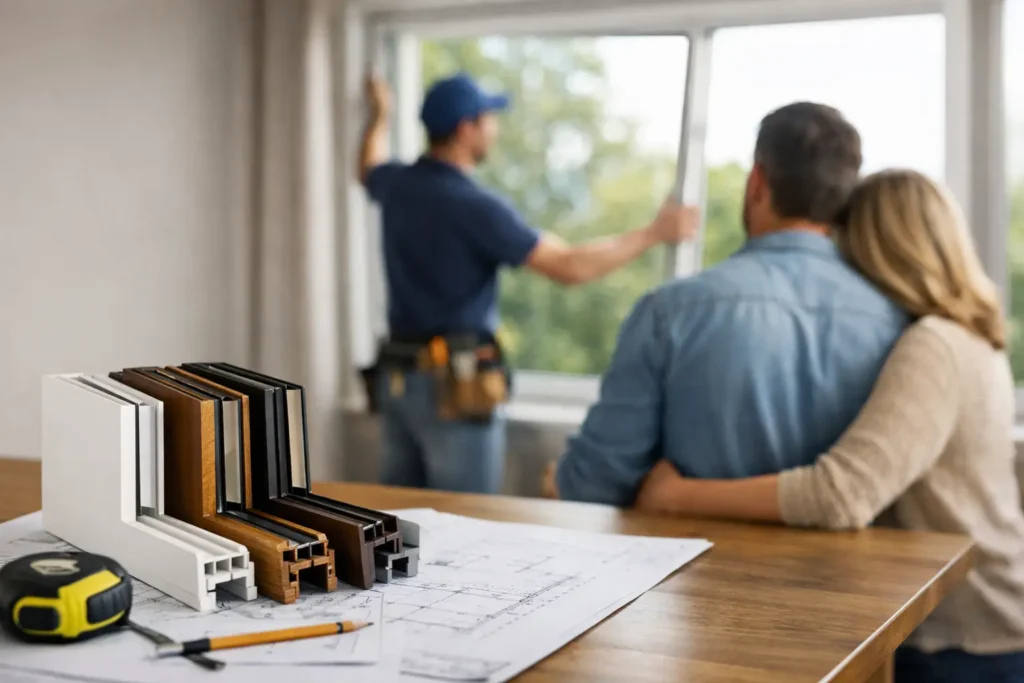
If your windows are drafty in winter, hard to open in summer, or showing fog between the panes, replacement usually stops being a someday project and becomes a practical decision. This window replacement buying guide is built for homeowners who want to make a smart purchase without sorting through sales language, unclear pricing, or products that look similar on paper but perform very differently once installed.
Table of Contents
ToggleWhat a window replacement buying guide should help you decide
The right windows do more than improve curb appeal. They can reduce drafts, improve comfort near the glass, lower strain on your HVAC system, cut outside noise, and address moisture issues caused by failing seals or aging frames. But those benefits depend on more than the window itself. They also depend on sizing, installation quality, and whether the product fits your home, your climate, and your long-term plans.
That is why buying windows is rarely just about picking a style. A homeowner in Maryland may be balancing energy efficiency, humidity, changing seasons, sun exposure, and the character of an older home all at once. A busy family may care most about easier cleaning and stronger locking systems. A long-term owner may be more focused on durability and warranty coverage than the lowest upfront price.
Start with the reason you are replacing them
Before comparing brands or frame colors, get clear on the problem you are trying to solve. If the main issue is rising energy bills, glass package and air sealing matter most. If the windows are rotted, soft, or leaking around the frame, the conversation shifts toward structural condition and full replacement. If the home looks dated, style and sightlines may carry more weight.
This step matters because two homeowners can buy the same window for very different reasons and end up with very different results. A contractor should be able to explain whether you need insert replacement windows, which fit within the existing frame, or full-frame replacement, which removes the old frame entirely. Insert replacements can be more cost-effective when the surrounding frame is in excellent shape. Full-frame replacement is usually the better choice when there is rot, water damage, poor insulation around the opening, or a desire to change the size or style.
Frame materials affect price, maintenance, and lifespan
Frame material is one of the biggest buying decisions because it shapes performance, upkeep, and budget.
Vinyl is often the most practical option for many homeowners. It is cost-effective, low maintenance, energy efficient, and available in a range of styles. It is a strong fit for homeowners who want dependable performance without repainting or extensive upkeep. The trade-off is that not all vinyl windows are built the same. Lower-end products can have weaker hardware, thinner frames, or less refined finishes.
Wood offers a classic appearance that suits traditional homes well, especially older properties where architectural detail matters. It provides strong insulation and can be painted or stained, but it requires more maintenance and usually comes at a higher price. If neglected, wood is more vulnerable to moisture issues.
Fiberglass is known for strength, stability, and long-term durability. It handles temperature changes well and can be a smart investment for homeowners planning to stay put for many years. The downside is cost. Fiberglass usually sits above vinyl in price, though many buyers consider the added durability worth it.
Composite frames aim to blend the strengths of multiple materials. They can perform very well, but quality varies by manufacturer. This is one of those areas where product specifics matter more than category alone.
Glass packages matter as much as the frame
A homeowner can focus heavily on the frame and still miss the component that affects comfort the most – the glass. Modern replacement windows commonly include double-pane glass, and in some cases triple-pane glass. Between those panes, manufacturers may add gases such as argon to improve insulation. Low-E coatings help reflect heat, which can support indoor comfort in both hot and cold weather.
For Maryland homes, a good balance of energy performance and value is usually more important than chasing the most extreme specifications. Triple-pane glass can be helpful in certain situations, especially for noise reduction or premium energy performance, but it is not automatically the best option for every room. The added cost may not make sense everywhere in the house.
Ask how the glass package fits the orientation of your home. Windows that receive strong afternoon sun may benefit from different performance features than windows on a shaded side of the property. Bedrooms facing a busy road may call for better sound control. This is where tailored guidance matters more than generic claims.
Style should match function, not just appearance
Window style affects ventilation, maintenance, and ease of use. Double-hung windows remain popular because they fit many home styles and are familiar to most homeowners. Casement windows often provide a tighter seal and can be easier to operate for some people, though they require clearance to open outward. Sliding windows work well in certain spaces but may not deliver the same seal performance as other options. Picture windows bring in light and views but do not open, so they are best used where ventilation is not needed.
Think about daily use. A beautiful window that is hard to clean or awkward to open over a kitchen sink may become a frustration. In upper-story rooms, tilt-in cleaning features can be especially helpful. In family homes, safety locks and durable screens deserve attention too.
Installation quality can make or break the purchase
A well-made window installed poorly can still draft, leak, or fail early. This is one of the most overlooked parts of any window replacement buying guide. Homeowners often compare products closely while assuming installation is more or less the same from one company to the next. It is not.
Proper installation includes accurate measurement, careful removal of the old unit, inspection of the surrounding structure, insulation and sealing around the opening, and clean finishing work inside and out. If hidden moisture damage or rot is present, that should be addressed before the new window goes in. Covering over existing problems only delays a larger repair.
This is one reason many homeowners prefer working with a full-service contractor rather than trying to coordinate multiple trades. A company that understands both replacement work and repair conditions around the opening is better positioned to handle surprises without turning a window project into a drawn-out problem.
Understand what drives the cost
Window pricing can vary widely, and that can make quotes hard to compare unless you know what is included. The window itself is only part of the cost. Labor, trim work, disposal, permit requirements, glass upgrades, custom sizing, and any hidden repairs around the opening can all affect the total.
If one quote is far lower than the others, there is usually a reason. It may involve a lower-grade product, less comprehensive installation, fewer finish details, or exclusions that show up later as change orders. That does not mean the highest quote is always the best either. The goal is to understand the scope clearly enough to compare value, not just price.
A trustworthy estimate should explain whether the project includes full-frame or insert replacement, what material and glass package are being proposed, how interior and exterior trim will be handled, and what happens if water damage or rot is uncovered.
Warranties are only useful if they are clear
Warranty language matters because windows are a long-term purchase. Look at product warranty coverage, installation warranty coverage, and whether labor is included if a problem comes up later. A strong manufacturer warranty is valuable, but it does not replace a dependable installer who stands behind the work.
Ask practical questions. Who handles service if a sash fails? What is covered if seals break? Is the warranty transferable if you sell the home? Fine print does not need to be alarming, but it should be understandable.
How to choose the right contractor for the job
The best contractor is not simply the one with the fastest appointment or the most aggressive promotion. You want a company that communicates clearly, measures carefully, explains options without pressure, and can identify issues beyond the window unit itself. That matters even more in older homes where underlying damage may not be visible until work begins.
For Maryland homeowners, local experience helps. Weather conditions, housing stock, and permitting expectations can vary, and local knowledge often leads to smoother planning and better recommendations. A dependable contractor should also be insured, professional in scheduling and follow-up, and willing to explain trade-offs instead of pushing a one-size-fits-all product.
Vinis Renovation & Restoration approaches window replacement the same way it approaches broader home improvement work – with careful project management, clear communication, and respect for the home.
The best buying decision is the one that fits your home
There is no single best replacement window for every house. The right choice depends on the condition of your current windows, the style of your home, your budget, and how long you plan to stay. For some homeowners, a durable vinyl window with solid energy performance is the smartest move. For others, the right answer may be full-frame replacement with upgraded materials because the existing openings already show signs of age or water intrusion.
A good purchase should solve the problem you have now without creating new ones later. If the proposal is clear, the installation plan is sound, and the product matches your goals, you are not just buying new windows. You are making your home more comfortable, more efficient, and easier to care for in the years ahead.