
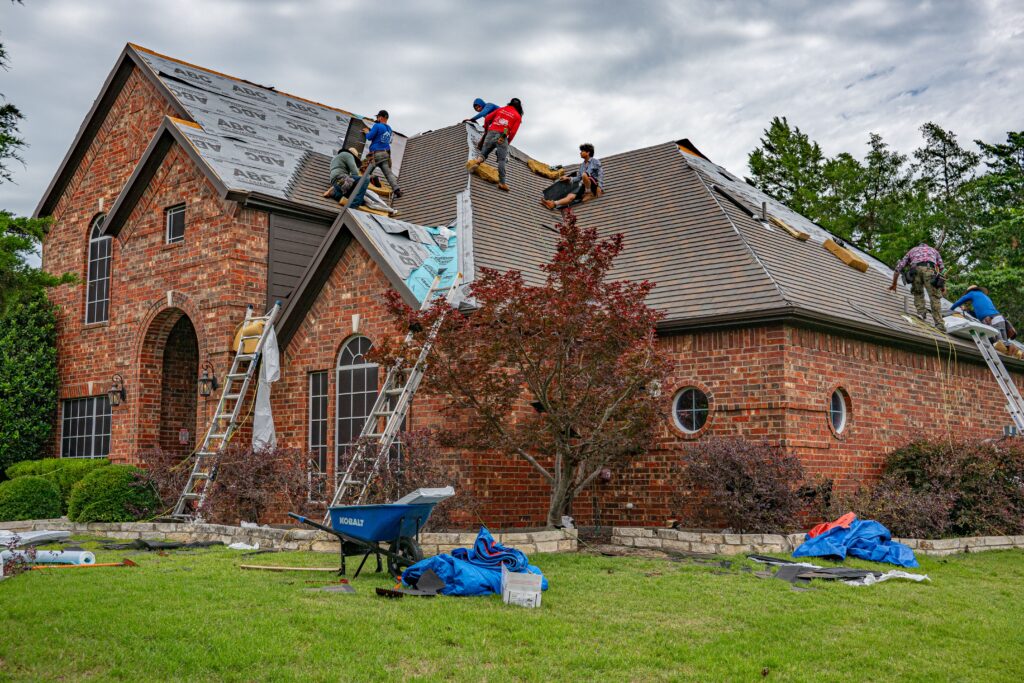
A few years ago, a couple in Annapolis discovered a small leak in their ceiling after a heavy summer storm. What seemed like a minor issue quickly turned into a costly repair that could have been avoided with the right choice of roofing materials. Their story is not unique, homeowners across Maryland, from Bowie to Silver Spring, face similar challenges every year. With the region’s unpredictable weather patterns, icy winters, humid summers, and the occasional hurricane-force winds, choosing the correct roof covering isn’t just about curb appeal; it’s about protection, durability, and long-term savings.
Understanding the best roofing materials for homes in the U.S. can make all the difference between a roof that lasts decades and one that fails within a few short years. For property managers and real estate owners in places like Glen Burnie, Columbia, or Bethesda, this decision directly affects property value, maintenance costs, and even energy efficiency. Whether you’re renovating an older Cape Cod home or overseeing a new commercial development, selecting the right roof is an investment in peace of mind. In the following sections, we’ll explore which materials perform best, how they handle Maryland’s climate, and what factors to consider before making your choice.
Key Takeaways
1. Proper selection ensures durability: Choosing the right roofing materials based on Maryland’s diverse climate, humid summers, snowy winters, and occasional coastal storms, can extend a roof’s lifespan and prevent costly damage.
2. Local climate matters: Homeowners in cities like Bowie, Annapolis, or Bethesda should adapt materials to local conditions, metal for windy or coastal zones, slate or clay for long-term luxury, and asphalt for affordability.
3. Quality installation is essential: Even the best materials fail without correct installation techniques, proper underlayment, and skilled contractors familiar with local building codes.
4. Routine maintenance pays off: Regular inspections and cleaning significantly increase roof longevity, protecting both residential and commercial investments.
5. Energy efficiency saves money: Certain roofing systems, such as reflective metal or light-colored shingles, reduce heat absorption and lower cooling costs in Maryland’s humid climate.
6. Aesthetic and functional balance: Choosing materials that complement architectural style, historic, modern, or coastal, enhances property value and curb appeal.
7. Understanding warranties matters: Reliable warranties and certified contractors ensure long-term protection and peace of mind.
8. Knowledge leads to better results: Mastering basic roof concepts empowers property owners to make informed decisions, ensuring lasting performance from their chosen roofing materials.
Understanding Roofing Materials
At its simplest, roofing materials are the products used to cover and protect a structure’s roof from weather, temperature changes, and other environmental elements. These materials range from classic asphalt shingles to more modern choices like metal, clay tiles, and synthetic options. The right choice can improve aesthetics, increase property value, and enhance energy efficiency, qualities that are essential for homeowners and property managers throughout Maryland.
Whether you own a colonial-style home in Rockville or manage multiple rental properties in Columbia, your roof must withstand both summer humidity and winter snow. That’s why understanding the strengths and weaknesses of various roofing materials is crucial before making any investment.
Common Roofing Materials in Maryland
Asphalt Shingles
Asphalt remains the most popular option across Annapolis and Glen Burnie due to its affordability, variety, and quick installation. It’s a good all-around solution for moderate climates, but Maryland’s mix of coastal and inland weather means frequent inspections are vital to extend its lifespan.
Metal Roofing
Metal roofing is gaining traction in places like Bowie and Potomac. It’s durable, energy-efficient, and resistant to strong winds, an important factor for homes exposed to coastal storms. Metal roofs can reflect sunlight, lowering cooling costs during Maryland’s hot summers.
Slate and Clay Tiles
For homeowners in Bethesda or Arnold seeking timeless beauty, slate and clay tiles offer exceptional durability. These roofing materials can last over a century with proper maintenance, making them ideal for high-end residential properties or historical restorations. However, they require a sturdy structure to support their weight.
Synthetic and Composite Options
Synthetic shingles simulate the appearance of slate or wood but are lighter and often more affordable. This option works well for property managers who need low-maintenance roofing materials for multiple buildings without sacrificing visual appeal.
Choosing the Right Material
Selecting the best roof means balancing budget, style, and weather resilience. For Maryland homes, a roof is more than protection, it’s a defining part of the property’s character and long-term value. By choosing the right combination of performance and design, homeowners can secure both function and beauty for years to come.
Step-by-Step Process for Installing Roofing Materials in Maryland
Installing or replacing your roof is one of the most significant investments a homeowner or property manager can make. Whether it’s a family home in Crofton or a multi-unit property in Silver Spring, proper planning and execution determine how well your new roof will perform over time. Here’s a detailed guide outlining the professional steps contractors should follow to ensure long-lasting results with the best roofing materials for the Maryland climate.
Step 1: Initial Roof Assessment and Planning
Before any materials are ordered, a professional roofing contractor should perform a comprehensive roof inspection. This includes checking for structural weaknesses, water damage, mold growth, and ventilation inefficiencies.
Homeowners in Arnold or Rockville should request a full moisture assessment since coastal humidity and fluctuating winter temperatures can trap moisture beneath older shingles. For property managers in Columbia or Bethesda, thorough inspection reports are valuable for budgeting maintenance and avoiding emergency repairs later on.
Key Assessment Factors
| Inspection Element | Purpose | Recommended Action |
| Roof Deck Condition | Ensures structure can support new materials | Replace deteriorated wood or plywood |
| Ventilation System | Prevents trapped heat and moisture | Update or install ridge vents |
| Drainage and Gutter System | Avoids pooling and water backup | Clean or replace clogged gutters |
Step 2: Choosing the Right Roofing Materials
Each city in Maryland experiences variations in temperature, humidity, and wind exposure. Contractors must recommend roofing materials tailored to these local conditions.
· Asphalt shingles suit neighborhoods in Glen Burnie due to moderate pricing and availability.
· Metal roofing works well in Bowie or Annapolis, where salt air or heavy winds can deteriorate lesser materials.
· Slate or clay tiles fit the architectural character of upscale areas in Potomac or Bethesda.
Contractors should also discuss sustainability and energy efficiency with property owners. Reflective coatings, for example, can help reduce cooling costs across Maryland’s humid summers.
| Roofing Material | Durability (Years) | Maintenance Level | Weather Resistance | Ideal Maryland Region |
| Asphalt Shingles | 20–30 | Moderate | Moderate | Glen Burnie, Crofton |
| Metal Roofing | 40–60 | Low | High | Bowie, Annapolis |
| Clay/Slate Tiles | 75–100+ | Low | Very High | Potomac, Bethesda |
| Synthetic Options | 30–50 | Very Low | High | Columbia, Silver Spring |
Step 3: Preparing the Worksite
A clean, secure job site ensures both safety and efficiency. Contractors in Rockville or Columbia should schedule waste containers, ensure protective coverings for landscaping, and notify occupants of potential noise and accessibility issues.
Local permitting is also crucial. Most Maryland jurisdictions, like Anne Arundel and Montgomery Counties, require roofing permits and code compliance checks. A professional contractor manages these details to ensure the work meets local building standards.
Step 4: Roof Deck Preparation
After removing old roofing, contractors must inspect the decking and underlayment. Any damaged or rotting areas should be replaced before new installation begins.
An underlayment (typically felt or synthetic liner) provides the waterproof barrier that extends roof life. In moisture-heavy zones such as Arnold or Silver Spring, synthetic underlayment offers better durability against mold and condensation.
Step 5: Installation of Roofing Material
This is where precision and experience come together. The process depends on the selected roofing materials:
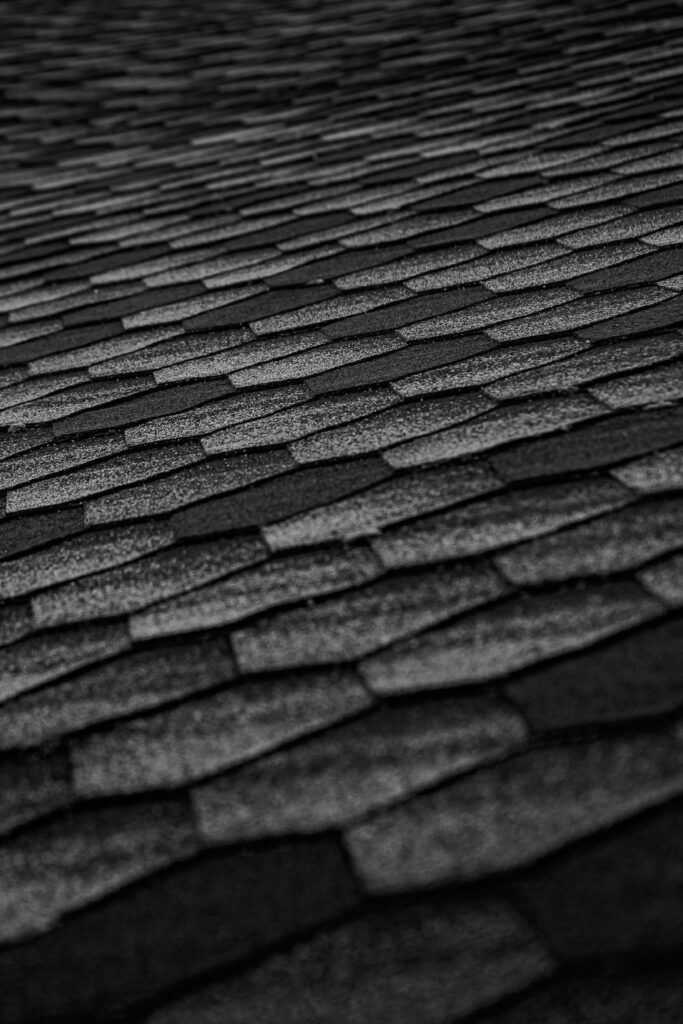
· Asphalt Shingles: Contractors start from the eaves, overlapping each row to prevent water infiltration. They use galvanized nails resistant to rust common in Maryland’s humid air.
· Metal Roofing: Panels are measured and cut precisely, then secured with concealed fasteners for a clean, watertight look. Proper spacing ensures expansion in fluctuating temperatures.
· Slate or Clay Tiles: Tiles are individually placed and secured to withstand wind while maintaining visual symmetry. Contractors often install snow guards in cities with heavier winter conditions like Rockville and Bethesda.
Safety measures such as harnesses, toe boards, and fall protection systems are mandatory throughout.
Step 6: Flashing, Ventilation, and Insulation
Even premium roofing materials will underperform without proper flashing and ventilation. Flashing, usually made from metal, seals roof edges, valleys, and penetrations like chimneys or vents. Insufficient flashing is one of the main causes of leaks, especially during Maryland’s heavy rains.
Ventilation systems should allow air circulation across the attic, preventing heat buildup and moisture retention. Energy-efficient homes in Bowie and Crofton often include ridge vents combined with attic fans to optimize airflow.
Step 7: Final Inspection and Cleanup
Once installation is complete, a final inspection confirms that all materials, fasteners, and seals are properly installed. The contractor should test for leaks using water simulations and review the entire roofing plane from multiple angles.
Cleanup includes removing debris, nails, and old materials, leaving the property safe and tidy. In Maryland’s environmentally conscious cities like Columbia and Silver Spring, many contractors recycle old shingles or metal panels through local recycling programs.
Step 8: Ongoing Maintenance and Warranty Review
A new roof doesn’t mean forgetting about upkeep. Homeowners should schedule annual inspections, especially after severe storms. Contractors usually provide material warranties covering anywhere from 20 to 50 years, depending on the product and manufacturer.
For property managers overseeing larger buildings in Bethesda or Annapolis, routine maintenance contracts help preserve investment value and ensure compliance with insurance policies.
By following these steps, Maryland homeowners and property professionals can ensure their roofing materials perform optimally for decades. It’s not just about what goes on the roof, it’s about how it’s installed, maintained, and adapted to Maryland’s diverse weather, ensuring every property stays protected and valuable year after year.
Knowing how to care for and maximize the performance of your roofing materials helps prevent costly repairs, extend roof life, and maintain property value. Whether you’re a homeowner in Glen Burnie or a property manager in Columbia, small proactive steps can make a big difference in roof performance and longevity. Here are practical, easy-to-follow tips to achieve better results across Maryland’s varied climates.
9. Schedule regular inspections – Check your roof at least twice a year, especially after major storms in Annapolis or Bowie. Early detection of loose shingles or minor leaks prevents larger issues later.
10. Clean gutters and downspouts – Blocked gutters cause water pooling, which can damage underlayment and shorten the life of your roofing materials.
11. Ensure proper attic ventilation – Adequate airflow helps control temperature and moisture, a common issue in Maryland’s humid summers.
12. Trim overhanging branches – In Bethesda or Rockville, falling branches can scratch or puncture roofing surfaces.
13. Address repairs promptly – Small cracks or missing pieces should be fixed immediately to maintain watertight integrity.
By combining these habits with dependable materials and skilled installation, Maryland homeowners can enjoy roofs that stand strong for years while enhancing both protection and curb appeal.
Key Concepts Every Maryland Property Owner Should Know About Roofing Materials
Understanding a few key concepts before starting a roofing project can mean the difference between a roof that performs exceptionally for decades and one that requires constant repairs. For homeowners in Bowie, property managers in Columbia, or real estate investors in Bethesda, knowing these fundamentals helps ensure that your chosen roofing materials deliver durability, energy efficiency, and cost-effectiveness suited to Maryland’s diverse conditions.
Roof Pitch and Its Impact on Material Choice
The roof pitch, the angle or steepness, directly influences which materials are most effective. Low-slope roofs, common on modern homes in Silver Spring or commercial buildings in Rockville, demand materials such as metal panels or synthetic membranes to ensure proper water runoff. Steeper pitches, typical in historic Annapolis neighborhoods, accommodate shingles, tiles, or slate.
| Roof Type | Typical Slope (inches per foot) | Recommended Roofing Materials | Example City |
| Low-Slope Roof | 2:12 to 4:12 | Metal, synthetic membranes | Silver Spring |
| Medium-Slope Roof | 5:12 to 7:12 | Asphalt shingles, composite tiles | Crofton |
| High-Slope Roof | 8:12 or greater | Slate, clay tiles, architectural shingles | Annapolis |
A mismatch between pitch and material often leads to leaks or premature deterioration, so verifying compatibility during the planning phase is essential.
Understanding Underlayment
Underlayment acts as the invisible shield beneath your visible roofing materials. It prevents moisture, wind-driven rain, and ice from seeping into the deck structure. Maryland’s weather variations make choosing the right underlayment critical.
· Felt underlayment offers affordability and is sufficient for moderate climates, ideal for homes in Glen Burnie.
· Synthetic underlayment adds tear resistance, excellent for humid or storm-prone regions like Annapolis and Columbia.
· Ice and water shield membranes are indispensable near eaves and valleys in areas with heavy snow, such as Rockville and Bethesda.
Investing in quality underlayment improves performance longevity, even for mid-range materials.
Insulation and Ventilation Balance
Proper ventilation ensures the roof “breathes,” preventing condensation and heat buildup. Without adequate airflow, attics overheat in summer and trap moisture in winter, drastically shortening the lifespan of even premium roofs. Maryland’s humid summers highlight this need especially in older homes around Arnold or Crofton.
Roofing contractors often combine ridge vents, soffit vents, and sometimes solar-powered exhaust fans to maintain airflow. Pairing ventilation with insulation also stabilizes indoor temperatures and reduces energy costs year-round.
Flashing and Drip Edge Protection
Flashing and drip edges are small but vital details that protect joints, chimneys, and roof edges from leaks. Stainless steel or aluminum flashing should always complement the primary roofing materials used.
In Bowie or Potomac, where heavy rains are common, corrosion-resistant flashing prevents premature rust and staining. The drip edge, placed along eaves, channels water into gutters and keeps it from seeping into fascia boards, a frequent cause of rot in humid environments.
Material Compatibility and Aesthetics
Different properties across Maryland have their unique architectural character. Matching the roof to that style while ensuring mechanical compatibility enhances value and curb appeal:
| Architectural Style | Recommended Roofing Materials | Example City | Key Benefit |
| Colonial or Federal | Slate, architectural asphalt shingles | Annapolis | Preserves historical aesthetics |
| Modern or Contemporary | Standing seam metal, synthetic panels | Columbia | Sleek look, energy efficiency |
| Coastal Cottage | Asphalt or treated wood shingles | Arnold | Matches scenic coastal settings |
| Estate or Luxury Home | Clay or natural slate tiles | Bethesda | Timeless elegance, longevity |
Consulting a local roofing contractor who understands Maryland’s architectural diversity ensures both function and authentic design.
Warranty and Quality Certification
Not all warranties are created equal. Homeowners should confirm that roofing materials and craftsmanship warranties are clearly outlined. Materials like metal or high-end slate often come with 40–50-year manufacturer warranties, while more affordable asphalt options offer 20–30 years. Property owners in Columbia or Rockville managing multifamily buildings should look for transferable warranties to protect future tenants or buyers.
Environmental and Energy Considerations
Many Maryland residents are shifting toward sustainable choices. Recyclable metal roofs, cool roof coatings, and solar-ready systems are increasingly popular in Silver Spring and Glen Burnie. Choosing roofing materials with high reflectivity reduces energy use and helps maintain cooler interiors, lowering carbon footprints and operating costs alike.
Local Climate Adaptation
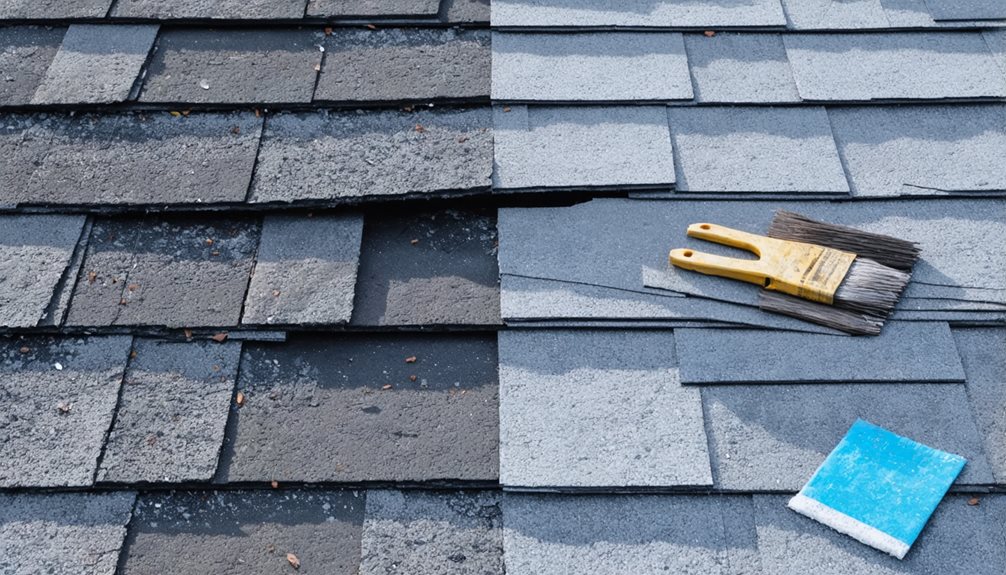
Finally, the best materials must adapt to local weather, coastal humidity, occasional storms, or winter snow loads. Maryland’s homeowners should prioritize impact- and wind-resistant products rated for the state’s coastal and inland environments. Asphalt with Class 4 impact ratings or standing seam metal panels are great options for Bowie and Annapolis.
Knowing these key concepts helps property owners discuss their projects confidently, evaluate estimates accurately, and ensure impeccable installation results. The right understanding of roofing materials turns a construction necessity into a well-planned investment that enhances comfort, safety, and beauty across every Maryland home.
Frequently Asked Questions About Roofing Materials
What are the most durable roofing materials for Maryland homes?
Metal roofing and slate tiles are among the most durable options. In areas like Potomac and Bethesda, these materials can withstand decades of weather exposure, offering 50 years or more of reliable performance when installed correctly.
How do I choose the right roofing material for my property’s style and budget?
Start by balancing cost, appearance, and maintenance. For traditional homes in Annapolis, asphalt shingles may complement the architecture and be cost-effective. Modern homes in Columbia or Bowie often pair better with metal roofs for a sleek look and minimal upkeep.
Do roofing materials affect energy efficiency?
Yes. Reflective metal and light-colored shingles can help reduce heat absorption during Maryland’s humid summers, lowering cooling costs. Proper insulation and ventilation also improve overall energy performance.
How often should I replace my roof?
It depends on the materials. Asphalt roofs typically last 20–30 years, while metal or slate can reach 60–100 years if maintained properly. Homeowners in Glen Burnie or Crofton should schedule professional inspections to gauge roof condition every few years.
Are permits required for roof replacement in Maryland?
Most counties, including Anne Arundel and Montgomery, require permits for major roof replacements. Licensed contractors usually handle this process for you, ensuring your project meets local codes.
Can I mix different roofing materials on one property?
Yes, especially in larger properties or complexes managed in Silver Spring or Rockville. Mixing materials allows for varied aesthetics and performance zones, for example, using metal over porches and asphalt over main sections.
By understanding these details and consulting qualified professionals, Maryland property owners can choose and maintain roofing materials that deliver long-term beauty, safety, and value.