
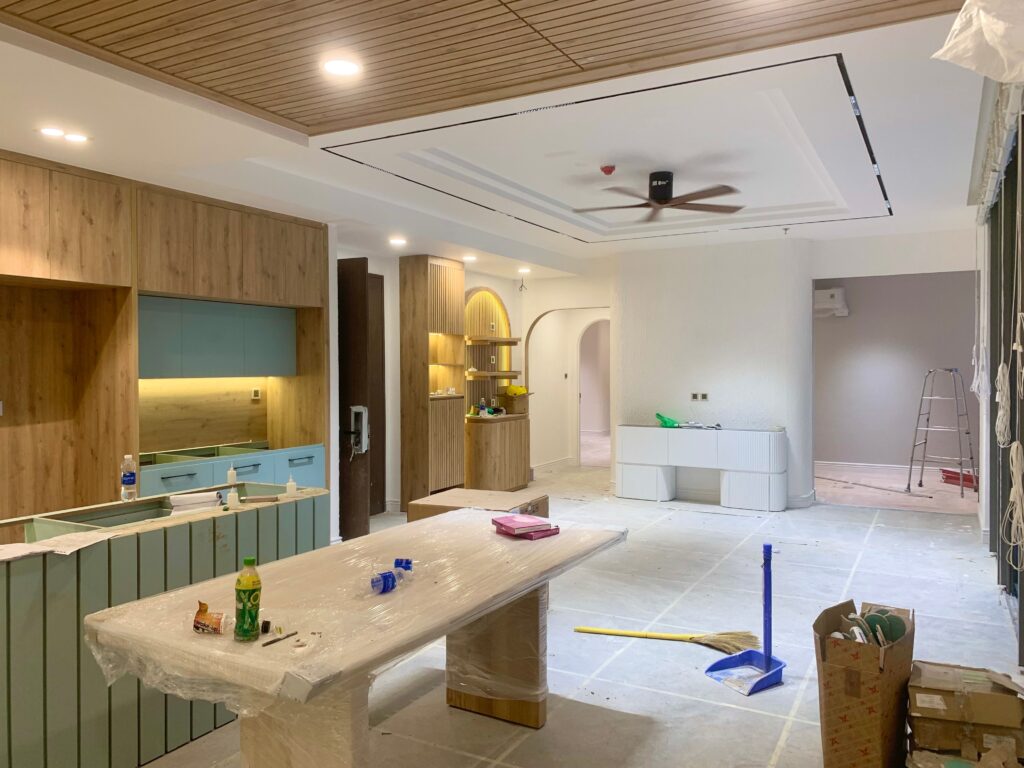
When Sarah and James bought their first home in Glen Burnie, they loved the charm but quickly realized that the outdated kitchen and tight living spaces didn’t match their lifestyle. They dreamed of an open, inviting area where family meals and weekend gatherings could flow effortlessly, but they didn’t know where to start. That’s when they discovered the power of a well-planned home renovation. With the right design and professional guidance, their once-cramped house became a bright, modern retreat perfectly tailored to their daily life.
Across Maryland, from the coastal charm of Annapolis to the suburban comfort of Rockville and Bethesda, homeowners and property managers face similar challenges. Homes age, families grow, and the desire for more functional, beautiful spaces becomes impossible to ignore. A strategic home renovation can do more than refresh your interiors; it can increase property value, enhance comfort, and bring new life to every corner of your home.
Whether you’re a homeowner in Bowie looking to modernize a kitchen, a property manager in Columbia planning upgrades for tenants, or a real estate investor in Potomac aiming to boost curb appeal, understanding the transformation that expert remodeling services can provide is essential to creating spaces that inspire and thrive.
Key Takeaways
1. A home renovation is a strategic investment, not just a cosmetic update. When properly planned, it enhances comfort, functionality, and long-term property value for homeowners across Maryland.
2. Each city has unique considerations. From preserving Annapolis’s historical integrity to modernizing Bethesda’s contemporary layouts, adapting to local architecture and regulations ensures lasting results.
3. Structural and design balance is essential. A successful renovation integrates aesthetic upgrades with safety and durability, maintaining the integrity of older homes while achieving modern efficiency.
4. Material and energy choices matter. Selecting sustainable, weather-appropriate materials and integrating energy-saving systems reduces maintenance costs and increases durability in variable Maryland climates.
5. Clear communication with contractors guarantees success. Working with licensed, local professionals who understand regional codes keeps projects compliant and on schedule.
6. Budget transparency prevents future problems. Establishing a realistic budget with room for contingencies helps avoid delays and ensures every phase is properly funded.
7. Ongoing maintenance sustains results. Regular inspections and small updates protect your investment and keep the renovated space in peak condition.
8. A well-executed home renovation transforms daily living. Thoughtful planning, professional craftsmanship, and smart design choices turn any property, from Glen Burnie to Columbia, into a more functional, comfortable, and valuable home.
What a Home Renovation Really Means
A home renovation goes beyond a simple makeover. It’s a process of redesigning, repairing, or upgrading an existing space to make it more functional, aesthetically appealing, and energy-efficient. Whether it’s updating a kitchen in Silver Spring, revamping a basement in Crofton, or creating an outdoor living area in Arnold, renovation work can breathe new life into a property while reflecting the unique personality and lifestyle of its occupants.
Home renovations can range from small updates, like installing new flooring or lighting, to full-scale transformations, such as removing walls for an open-concept layout or adding a modern home office. Each project begins with careful planning to balance your vision, budget, and the property’s long-term value.
Why Home Renovation Matters in Maryland
In cities like Annapolis and Columbia, where older homes often have strong foundations but dated interiors, a home renovation can dramatically improve both comfort and efficiency. Upgrading kitchens with modern appliances, installing energy-smart windows in bedrooms, or remodeling bathrooms with water-saving fixtures all contribute to immediate cost savings and a better quality of life.
For property managers and real estate investors in areas such as Bethesda or Rockville, renovations are also a strategic investment. Updated units attract higher-quality tenants and command better rental rates. A fresh, well-maintained property also reduces long-term maintenance costs and increases resale value, essential advantages in Maryland’s competitive housing market.
Practical Examples of Transformative Renovations
Imagine converting an unused basement in Bowie into a cozy family room or turning a small kitchen in Glen Burnie into a light-filled centerpiece for entertaining. Even simple updates like replacing old cabinetry or refreshing worn-out paint can redefine how a home feels and functions. A thoughtful home renovation blends creativity, craftsmanship, and functionality to achieve results that look beautiful and make everyday living smoother.
From cozy townhouses to sprawling estates, the right renovation strategy can transform a property into a space that truly reflects the people who live or work there, adding comfort, value, and long-term satisfaction for every homeowner or investor across Maryland.
The Step-by-Step Process for a Successful Home Renovation
A well-planned home renovation project is much more than choosing paint colors or picking out new fixtures. It’s a coordinated sequence of design, preparation, and construction phases that, when managed correctly, produce long-lasting results and stress-free experiences. Whether you’re a homeowner in Bethesda hoping to refresh an aging bathroom or a property manager in Crofton upgrading multiple rental units, understanding each stage of the process helps ensure that the project stays on schedule, within budget, and aligned with your vision.
Step 1: Initial Consultation and Vision Planning
Every home renovation begins with an in-depth consultation between the client and the contractor. In this stage, the contractor listens carefully to your goals, whether it’s more space, better lighting, or a modern design style.
For instance, in Annapolis, many historic homes require delicate updates that preserve architectural charm while improving comfort. Conversely, in newer communities like Bowie, the focus may be on maximizing open layouts and adding contemporary finishes. The contractor will evaluate the structure, discuss preferences, and help translate ideas into a clear project scope.
Step 2: Detailed Inspection and Feasibility Assessment
Before any design work begins, a professional inspection is crucial. Contractors assess elements like the foundation, plumbing, and electrical systems. This ensures that underlying issues won’t derail the renovation once construction starts. In Rockville or Silver Spring, where some homes date back to the mid-century era, this step helps uncover outdated wiring or minor structural concerns that can be integrated into the renovation plan.
| Inspection Checklist | Importance |
| Structural Integrity Check | Ensures the home can support new construction or layout changes |
| Electrical and Plumbing Review | Identifies systems that need upgrading for safety and efficiency |
| Moisture and Insulation Analysis | Prevents future problems like mold or energy loss |
| Permit Requirement Review | Confirms the project adheres to Maryland’s building codes |
Step 3: Design and Budget Development
Once structural conditions are verified, contractors and designers collaborate to develop a detailed plan. This phase includes schematic designs, material selection, and cost projections. Homeowners in Glen Burnie may opt for durable, low-maintenance materials that handle humid summers well, while those in Potomac might prioritize luxury finishes or custom built-ins.
A transparent budget is critical to success. Clients should receive a detailed estimate outlining labor, materials, and contingencies. Open communication during this stage prevents misunderstandings later in the process.
| Budget Component | Description | Typical Maryland Example |
| Labor Costs | Skilled trades for carpentry, plumbing, electrical work | Hiring licensed electricians in Bethesda |
| Materials | Cabinets, flooring, fixtures, paint | Custom cabinetry for homes in Arnold |
| Permits and Fees | City-specific documentation and inspections | Historic renovation permits in Annapolis |
| Contingency | 10-15% buffer for unforeseen expenses | Extra for structural surprises in older Columbia homes |
Step 4: Obtaining Permits and Approvals
Every Maryland city has its own building regulations. In Columbia or Bethesda, failing to secure proper permits could delay or halt a project. A qualified contractor handles this step, ensuring compliance with local zoning codes and energy-efficiency standards. This not only guarantees safety but also safeguards property value during future sales or appraisals.
Step 5: Demolition and Structural Preparation
With approvals in hand, demolition begins. This may involve removing outdated materials, tearing down non-load-bearing walls, or prepping the site for new installations. Contractors in Bowie often focus on maintaining a clean worksite to minimize disruption for families or tenants. Proper disposal procedures and recycling of debris also reflect professional and environmentally responsible practices.
Step 6: Construction, Installation, and Quality Control
Here’s where the transformation truly begins. Skilled tradespeople handle carpentry, electrical updates, plumbing, HVAC improvements, and finishes. In Silver Spring, integrating energy-efficient lighting and water-saving fixtures is common, while in Potomac, homeowners may prioritize smart-home automation systems.
Throughout construction, reputable contractors perform consistent quality checks and hold progress meetings with clients. This transparency keeps everyone informed and ensures the project aligns with the agreed timeline and design intent.
Step 7: Final Walkthrough and Client Orientation
When the dust settles, a final walkthrough takes place. The contractor reviews every detail, from cabinet alignment to paint consistency, ensuring all expectations are met. Clients receive documentation for warranties, maintenance tips, and inspection reports. For property managers or investors in Rockville, this step helps ensure each renovation is documented for long-term portfolio management and compliance.
Step 8: Post-Renovation Support
A professional home renovation doesn’t end with the last nail. Many Maryland contractors offer extended service plans or periodic check-ins to guarantee continued satisfaction. This helps identify small adjustments quickly before they become costly problems. For homeowners in Annapolis or Crofton, this means continued peace of mind long after the project is complete.
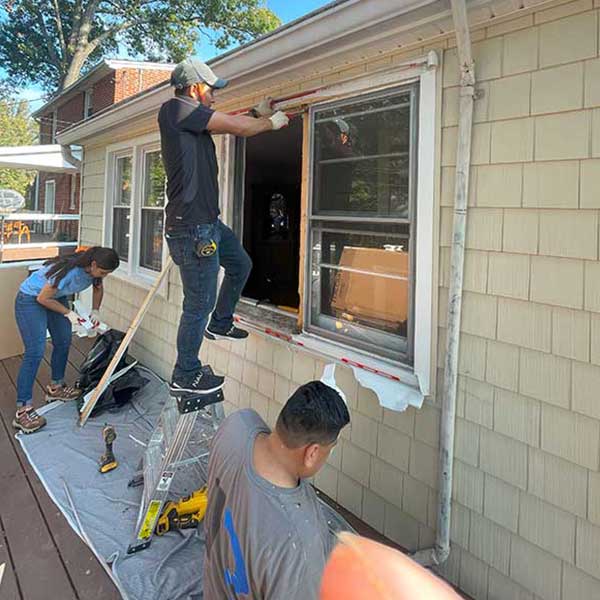
A methodical, professionally managed home renovation delivers more than just a beautiful result, it ensures structural integrity, energy efficiency, and long-term value. By partnering with trusted contractors who follow these essential steps, Maryland homeowners, property managers, and real estate investors can confidently transform any property into a comfortable, functional, and enduring living space.
How to Get Better Results from Your Maryland Home Renovation
Knowing the right strategies can make all the difference in your home renovation project. Smart planning and informed decisions help Maryland property owners reduce unnecessary costs, avoid delays, and ensure a lasting, high-quality result. Whether you’re upgrading a cozy cottage in Arnold or modernizing a multi-unit property in Rockville, these simple yet effective tips will help you get the most out of every renovation effort.
Plan for Flexibility: Unexpected issues can arise once work begins. Keep a small budget buffer to handle surprises without stress.
Prioritize Quality Materials: In humid areas like Glen Burnie or Annapolis, moisture-resistant flooring and paint extend durability and minimize repairs.
Hire Local, Licensed Contractors: Professionals familiar with Maryland codes and weather conditions ensure safer, compliant results.
Focus on Energy Efficiency: Installing modern windows, insulation, and lighting saves money in Bowie and Bethesda homes while boosting property value.
Schedule Routine Maintenance: After completion, seasonal check-ups in places like Columbia or Crofton can prevent minor wear from becoming costly problems.
By following these practices, homeowners and property managers can strengthen the long-term success of their home renovation, turning any property into a functional, beautiful, and lasting investment.
Key Concepts to Understand Before Starting a Home Renovation
Before investing in a home renovation, it’s essential to understand the fundamental concepts that influence quality, cost, and overall satisfaction. Knowing these principles helps Maryland homeowners, property managers, and real estate investors make confident decisions, whether it’s a small kitchen update in Bowie or a complete residential transformation in Bethesda.
Structural Integrity and Design Balance
Every successful renovation begins with respect for the structure. Older homes in Annapolis or Rockville may have strong foundations but outdated layouts. Reinforcing load-bearing walls, leveling floors, and ensuring proper ventilation isn’t flashy work, but it prevents long-term problems such as wall cracks or uneven flooring.
On the design side, balance is key. Combining historical charm with modern touches, like retaining original brickwork in Arnold while adding sleek lighting, creates harmony between old and new. Functional flow, natural lighting, and proportional room design are essential to a renovation that feels cohesive and livable.
| Design Element | Impact on Renovation | Local Example |
| Open Concept Layouts | Increase brightness and communication between spaces | Popular in Columbia and Crofton homes |
| Structural Reinforcements | Ensure safety and longevity | Common in older Annapolis rowhouses |
| Lighting Design | Defines mood and functionality | Essential in small Silver Spring condos |
Material Selection and Environmental Factors
The Maryland climate, with humid summers and cold winters, demands careful material choices. Homeowners in Glen Burnie might prioritize moisture-resistant flooring, while those in Potomac could invest in high-quality insulation and double-pane windows for temperature control. Sustainable materials like reclaimed wood or low-VOC paint not only look great but also promote healthier indoor air quality.
| Type of Material | Benefit | Adaptation for Maryland |
| Engineered Wood Flooring | Resists humidity and warping | Ideal for basements or kitchens |
| Fiber Cement Siding | Weather-resistant and durable | Suitable for coastal Annapolis homes |
| Quartz Countertops | Low maintenance and elegant | Perfect for upscale Bethesda kitchens |
Energy Efficiency and Smart Technology Integration
Modern home renovation projects are not just about appearance, they also enhance performance. Energy-efficient systems reduce utility costs and increase property value. Installing LED lighting, solar panels, or smart thermostats is particularly beneficial in areas like Columbia or Bowie, where energy-conscious homeowners seek long-term savings.
Integrating smart technology, from wifi-enabled lighting to app-controlled HVAC systems, adds convenience and modern appeal. For property managers handling rentals in Silver Spring, smart locks and sensors provide added security and remote control access.
Permitting, Codes, and Local Compliance
Each Maryland city enforces distinct building codes. Annapolis may require additional approvals for historic districts, while Rockville has particular inspection steps for electrical upgrades. Compliance ensures safety and avoids potential fines or delays. Working with licensed contractors familiar with local requirements allows the renovation process to run smoothly from start to finish.
| City | Specific Consideration | Example of Required Compliance |
| Annapolis | Historic preservation codes | Approval for facade changes in heritage zones |
| Bowie | Residential addition permits | Needed for expanding kitchen or patio areas |
| Bethesda | Energy efficiency standards | Mandatory insulation and air sealing inspections |
Lifecycle Value and Maintenance Considerations
A high-quality home renovation should provide value long after completion. This means selecting materials and designs that simplify upkeep and extend longevity. For a rental property in Crofton, durable finishes such as washable paint or vinyl flooring reduce maintenance expenses. Meanwhile, luxury homeowners in Potomac might consider timeless stone and metal finishes that age beautifully over decades.
Regular maintenance, such as sealing grout, checking insulation, and cleaning ventilation ducts, preserves both comfort and market value. Establishing a maintenance plan ensures that a renovated home continues to perform well year after year.
Communication and Collaboration with Contractors
The relationship between homeowner and contractor determines project success. Clear communication builds trust and prevents costly misunderstandings. Before signing a contract, clients should verify credentials, insurance, and references. Weekly progress updates, transparent billing, and responsive customer service are hallmarks of a professional operation.
In fast-paced areas like Silver Spring or Columbia, many homeowners appreciate digital project management tools for sharing schedules and approvals online, creating transparency throughout the renovation journey.
Understanding these key concepts helps any Maryland homeowner, property manager, or investor approach a home renovation with confidence. By blending structural awareness, smart design, local compliance, and open communication, you’ll ensure your remodeling project not only enhances aesthetics but also stands the test of time, beautifully reflecting the character and lifestyle of Maryland’s most vibrant communities.
Frequently Asked Questions About Home Renovation
How long does a home renovation usually take?
The timeline depends on the project’s size and complexity. A bathroom remodel in Glen Burnie might take three to four weeks, while a full kitchen renovation in Bethesda could extend to eight or more. Larger structural changes, such as adding a new room in Columbia, may require several months, especially when dealing with permits or custom designs.
What is the average cost of a home renovation in Maryland?
Costs vary based on materials, contractor expertise, and local building codes. A moderate kitchen renovation in Arnold may range from $25,000 to $40,000, while a complete home update in Potomac or Rockville could exceed $100,000. Always request a detailed estimate from licensed contractors familiar with your city’s regulations.
Do I need permits for my renovation project?
Yes. Most Maryland cities, including Annapolis and Bowie, require permits for electrical, plumbing, structural, or major design changes. A qualified contractor will handle permit applications and inspections to ensure compliance with local building standards.
Can I live in my home during the renovation?
It depends on the project’s scope. For small updates, such as flooring or painting, many residents in Crofton or Silver Spring stay on-site. For extensive work involving kitchens or bathrooms, temporary housing may be more comfortable.
How can I ensure my renovation adds value to my property?
Focus on timeless design, energy efficiency, and quality craftsmanship. Upgrades like open-concept layouts, modern kitchens, or finished basements are highly appealing to Maryland buyers and tenants.
What should I look for when hiring a contractor?
Seek licensed, insured professionals with strong local references and clear communication. Contractors familiar with Maryland’s climate and building requirements ensure safe, lasting results.
Applying these insights before starting your home renovation helps create a smooth process, protect your investment, and achieve a space that will stand the test of time in any Maryland community.

2 Responses