
Last fall, when the Johnson family in Glen Burnie decided to renovate their 1980s-style kitchen, they had one goal in mind: make it brighter, more energy-efficient, and ready for the future. What started as a simple kitchen upgrade quickly opened their eyes to a bigger trend sweeping across the state, Home Remodeling in Maryland is no longer just about aesthetics; it’s about sustainability, accessibility, and adaptability for the years ahead.
As we move into 2026, homeowners, property managers, and real estate investors across communities like Annapolis, Crofton, and Silver Spring are rethinking how their spaces can serve them better. Rising energy costs, changing family needs, and advances in smart home technology are driving a wave of innovation that blends comfort with practicality.
For property owners in bustling areas such as Rockville, Columbia, or Bethesda, understanding these design shifts isn’t just a matter of style, it’s a strategic investment. Modern renovations are helping Maryland homes become more eco-friendly, accessible for all ages, and flexible enough to evolve as lifestyles change. Whether it’s a duplex in Bowie or a spacious Potomac estate, embracing the latest remodeling trends ensures that every square foot works smarter, saves energy, and adds long-term value.
Key Takeaways from Home Remodeling in Maryland
· Future-focused design is essential: Modern Home Remodeling in Maryland aligns with 2026 trends that emphasize sustainability, accessibility, and flexibility, ensuring homes remain functional for years to come.
· Energy efficiency drives value: Upgrades like advanced insulation, efficient HVAC systems, and smart thermostats lower utility bills while improving comfort and resale potential.
· Accessibility strengthens universal appeal: Features such as curbless showers, wider doorways, and adaptable layouts make homes inclusive for every generation and lifestyle.
· Flexible spaces enhance usability: Multi-purpose areas, like convertible basements or modular home offices, help homeowners and property managers adapt easily to changing needs.
· Quality materials and local expertise matter: Selecting sustainable, Maryland-sourced materials and certified professionals ensures durability and compliance with regional codes.
· Technology integration supports efficiency and security: Smart home solutions optimize comfort, automate energy savings, and strengthen property management.
· Proper planning and maintenance ensure long-term success: Detailed assessments, ongoing inspections, and preventive care protect investment value and extend remodel lifespan.
· Comprehensive remodeling delivers lasting benefits: When executed thoughtfully, Home Remodeling in Maryland transforms properties into adaptable, efficient, and future-ready living spaces.
The Evolution of Home Remodeling in Maryland
Home Remodeling in Maryland is evolving into a forward-thinking movement focused on creating energy-efficient, accessible, and multifunctional spaces. With homeowners in Arnold, Annapolis, and Columbia increasingly prioritizing sustainability and adaptability, remodeling projects are being guided by both environmental awareness and lifestyle flexibility.
Gone are the days when renovations focused solely on new countertops or sleek flooring. Today’s Maryland remodels emphasize smarter energy use, improved comfort, and designs that adapt to changing family needs. This holistic approach doesn’t just enhance daily life, it increases property value, reduces long-term costs, and aligns with the energy-conscious mindset shaping communities across the state.
Energy Efficiency: Redefining Comfort and Savings
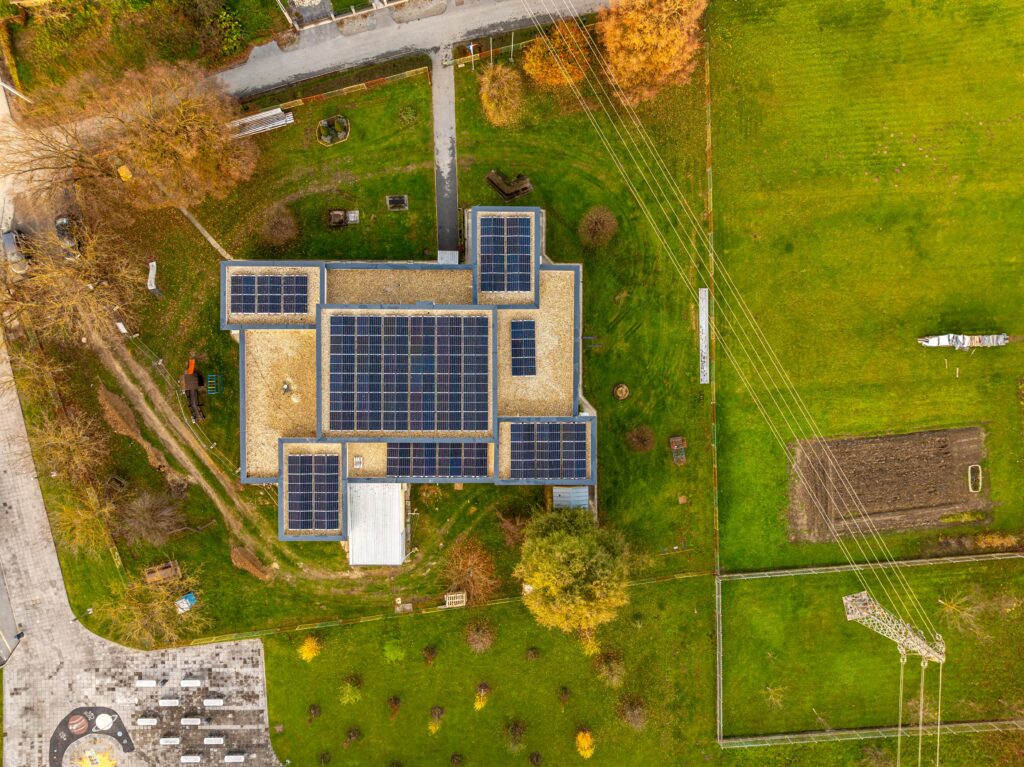
From Rockville to Bowie, property owners are embracing eco-friendly innovations. Replacing outdated HVAC systems with high-efficiency units, installing solar panels, and integrating intelligent thermostats have become standard upgrades. In Annapolis, for instance, remodeling a waterfront home with energy-smart windows and LED lighting not only delivers lower utility bills but also improves resale appeal.
Insulation upgrades, energy recovery ventilators, and low-flow plumbing fixtures are practical improvements that contribute to Maryland’s statewide sustainability goals. Not only do these features reduce environmental impact, but they also create quieter, more comfortable homes, an attractive feature for buyers and tenants alike.
Accessibility: Designing for Every Generation
Accessibility is another defining factor shaping Home Remodeling in Maryland. In communities like Potomac and Silver Spring, multigenerational living is on the rise. Homeowners are opting for wider doorways, curbless showers, and open floor plans that enhance mobility and safety. These modifications help seniors age in place while also accommodating families with young children or residents with mobility limitations.
Flexible Design: Adapting Homes for Modern Living
Flexibility is key in spaces that must serve multiple purposes. In Crofton or Bethesda, finished basements are doubling as home offices or guest suites, while modular cabinetry and movable walls allow rooms to evolve over time. This adaptability ensures homes remain functional through life’s transitions, whether accommodating remote work, rental opportunities, or growing families.
In 2026 and beyond, Home Remodeling in Maryland is about designing homes that work smarter, live longer, and respond gracefully to change.
The Step-by-Step Process for Successful Home Remodeling in Maryland
To ensure that Home Remodeling in Maryland projects deliver lasting value, comfort, and efficiency, property owners and contractors must follow a methodical process. Whether the project involves upgrading an Annapolis condo for energy savings, renovating an aging Silver Spring townhouse for accessibility, or future-proofing a family home in Rockville, each step plays a vital role in achieving the right balance between aesthetics, performance, and budget.
Below is a comprehensive step-by-step guide to carrying out a remodeling project aligned with the energy-efficient, accessible, and flexible design trends shaping Maryland’s homes in 2026.
Step 1: Conduct a Comprehensive Property Assessment
Before any tools are lifted, contractors in Glen Burnie or Columbia must evaluate the current condition of the property. This assessment includes inspecting insulation, plumbing, wiring, and HVAC systems to identify elements that hinder energy efficiency or safety.
| Inspection Focus | Purpose | Recommended Actions |
| Building envelope | Detect air leaks, poor insulation | Conduct blower door test, seal gaps |
| Electrical systems | Ensure capacity for automation or solar | Upgrade panels and wiring |
| Plumbing fixtures | Assess water efficiency | Replace with low-flow models |
| Accessibility layout | Identify barriers | Redesign hallways, doorways, and bathroom access |
This analysis helps property owners create a realistic plan based on verified data, avoiding costly surprises later.
Step 2: Strategic Planning and Budgeting
In cities like Bowie or Arnold, effective remodeling begins with solid planning. Contractors should work closely with homeowners or property managers to define project objectives, improving energy use, enhancing accessibility, or adding flexible spaces, and establish a detailed budget.
| Planning Component | Description | Example |
| Energy goals | Evaluate renewable potential | Adding solar roofing in Bowie |
| Accessibility upgrades | Ensure compliance with ADA principles | Installing grab bars and zero-threshold showers |
| Multi-use design | Maximize adaptability | Movable wall partitions for Crofton townhomes |
The plan should also include permit considerations, construction timelines, and contingency funds, typically 10–15% of the total cost, to accommodate unforeseen issues.
Step 3: Design Development and Product Selection
Design teams in Bethesda or Annapolis should integrate local architecture styles with advanced materials. For example, energy-efficient triple-pane windows, recycled wood flooring, and smart home systems create sustainable yet beautiful living environments.
· Energy Efficiency: Choose Energy Star–rated appliances, advanced insulation materials, and cool roofing solutions suitable for Maryland’s mixed climate.
· Accessibility: Create open floor plans, install lever-style handles, and position light switches and outlets at reachable heights.
· Flexibility: Incorporate modular cabinetry, sliding partitions, and convertible furniture systems to allow spaces to evolve.
Partnering with local suppliers often ensures compliance with Maryland’s building codes while supporting regional craftsmanship.
Step 4: Obtain Permits and Prepare the Worksite
In cities such as Rockville or Columbia, building permits are crucial. Contractors must ensure all designs adhere to county regulations, especially when structural modifications or electrical upgrades are involved.
Once approved, the worksite should be properly prepared, removing old materials safely, protecting existing features, and setting up proper waste management. Environmentally responsible disposal or recycling should be prioritized to align with the state’s sustainability goals.
Step 5: Implement the Remodeling Project
At this stage, homeowners begin to see their vision come to life. Professional crews coordinate demolition, framing, system upgrades, and finishing touches. Experienced contractors emphasize coordination between trades, especially when integrating energy-efficient equipment or accessibility modifications.
Key operational focuses include:
· Energy systems: Seamless installation of HVAC, insulation, and renewable energy sources.
· Accessibility features: Proper elevation adjustments, installation of non-slip materials, and secure handrails.
· Flexible spaces: Accurate framing and modular connections to allow future modifications without major construction.
For a townhouse in Silver Spring, that could mean transforming an unused basement into a dual-purpose home office and guest suite, integrating smart lighting and motion sensors for better accessibility.
Step 6: Quality Control and Testing
After construction, every remodel should undergo quality inspections. Contractors in Potomac or Arnold can conduct thermal imaging tests to verify insulation performance, measure energy consumption reductions, and confirm ADA compliance in accessible areas.
This step ensures the work meets both local code and homeowner expectations, guaranteeing durability and comfort.
Step 7: Final Walkthrough and Maintenance Guidance
Once the work is complete, a final walkthrough allows homeowners and managers to review outcomes, receive documentation, and learn how to maintain new features. It’s also the time to discuss warranty terms and recommended maintenance schedules.
Regular maintenance, checking seals, cleaning filters, testing smart controls, keeps the remodeled home performing efficiently year after year.
Building Maryland’s Future, One Remodel at a Time
Following these structured steps ensures that Home Remodeling in Maryland projects not only meet 2026’s energy, accessibility, and flexibility standards but also create homes built to last. From a quiet condo in Bethesda to a historic estate in Annapolis, each renovation becomes a step toward a more sustainable, inclusive, and adaptive Maryland.
Understanding a few practical tips can make a big difference in the results of Home Remodeling in Maryland. Whether you’re upgrading a rental property in Columbia, modernizing a family home in Crofton, or improving accessibility in a Bethesda condo, knowing how to plan and maintain your renovation helps reduce costs, avoid delays, and extend your home’s useful life.
Tips for Better Remodeling Results:
· Prioritize professional assessments: Always start with a certified energy audit or design consultation to ensure improvements match your property’s unique structure and goals.
· Focus on quality materials: In humid areas like Annapolis or Glen Burnie, invest in moisture-resistant flooring and paints that prevent early wear.
· Plan for future use: Design flexible spaces, think convertible home offices or in-law suites, that grow with your changing needs.
· Schedule seasonal maintenance: Regularly inspect insulation, filters, and seals to maintain long-term efficiency.
· Work with local experts: Contractors familiar with Maryland’s building codes and weather conditions deliver more reliable and compliant results.
By following these recommendations, homeowners and property managers can ensure every Home Remodeling in Maryland project delivers comfort, efficiency, and durability well into the future.
Key Concepts for Successful Home Remodeling in Maryland
Understanding several essential concepts can help homeowners, property managers, and real estate investors make smarter decisions when planning Home Remodeling in Maryland. Whether upgrading a mid-century home in Arnold, updating a Bowie rental, or creating a smart, flexible living space in Bethesda, knowing these principles ensures that every investment brings long-term value, energy performance, and comfort.
Energy Modeling and Performance Design
Energy efficiency starts long before construction, it begins in the design phase with energy modeling. This process uses software to simulate how a building manages heat, light, and air. Contractors in Annapolis or Rockville often rely on these tools to calculate future energy savings and identify the best materials for insulation and ventilation.
Example: A homeowner in Columbia planning to install new windows can use modeling data to choose glazing types suited to Maryland’s seasonal temperature shifts, maximizing comfort while reducing HVAC costs.
| Comparison | Without Energy Modeling | With Energy Modeling |
| Estimated efficiency | Based on assumptions | Calculated and verified |
| Energy cost savings | Uncertain | Predictable and measurable |
| Climate adaptation | Generic design | Tailored to local conditions |
| Return on investment | Variable | Optimized over time |
Universal Design and Accessibility
In 2026, Maryland homes are being designed not only for beauty but for inclusivity. Universal design means making spaces usable for everyone, regardless of age or mobility. This principle benefits multigenerational families in Silver Spring and retirees in Potomac alike.
Key features include zero-step entries, wider hallways, and adjustable-height countertops. These don’t just serve accessibility needs, they increase property appeal and market value, particularly in upscale neighborhoods like Bethesda or Crofton.
| Accessibility Feature | Function | Added Value |
| Curbless shower | Easy entry and cleaning | Enhances safety and luxury |
| Lever handles | Easier grip | Modern look, user-friendly |
| Non-slip flooring | Prevents accidents | Long-term durability |
| Ramp or lift | Barrier-free access | Expands usability for all ages |
Flexible Space Design
Flexibility has become a cornerstone of Home Remodeling in Maryland, allowing rooms to serve multiple purposes without constant major remodels. In urban areas like Annapolis or Rockville, where space is at a premium, this concept creates adaptability through modular design, retractable walls, and convertible furnishings.
Imagine a finished basement in Glen Burnie that functions as a home office by day and a guest suite by night, using built-in cabinetry and collapsible partitions. Such design foresight aligns with Maryland’s shifting lifestyle patterns, where remote work and changing family dynamics demand versatile solutions.
Sustainable Material Selection
Sustainability is about more than choosing eco-friendly materials, it includes understanding their life cycle, maintenance impact, and local availability. For example, reclaimed wood from Maryland suppliers reduces transportation emissions, while recycled glass countertops prevent waste and add modern style.
Contractors in Bowie or Arnold often recommend locally produced building materials to support the regional economy while minimizing carbon footprints. Durable materials like fiber-cement siding or low-VOC (volatile organic compound) paints ensure healthier indoor environments and reduced maintenance costs.
| Material Type | Example | Environmental Benefit |
| Recycled | Reclaimed wood beams | Reduces landfill waste |
| Locally sourced | Maryland-quarried stone | Cuts transport emissions |
| Low-toxicity | Water-based sealants | Improves indoor air quality |
| Long-lasting | Metal roofing | Lower replacement frequency |
Smart Home Integration
Technology now plays a major role in Home Remodeling in Maryland, bridging comfort, security, and energy management. Homeowners in Crofton and Columbia are adopting systems that learn usage habits and automatically adjust lighting or temperature to conserve energy.
· Smart HVAC controls: Regulate heating and cooling with minimal energy waste.
· Programmable lighting: Adjusts illumination based on occupancy and daylight.
· Home security automation: Integrates cameras and locks for enhanced peace of mind.
Implementing these systems during remodeling rather than afterward ensures all wiring and devices are optimally placed and connected.
Long-Term Maintenance Planning
Finally, no remodel is complete without a clear maintenance plan. Proper upkeep extends the lifespan of materials, preserves energy performance, and maintains property value. For instance, homeowners in humid coastal areas like Annapolis should schedule periodic inspections for moisture-related wear, while inland homeowners in Potomac may focus on HVAC maintenance to ensure year-round efficiency.
Routine maintenance tracking apps and digital logs are now standard tools used by contractors to help clients monitor performance and service schedules.
Understanding these core principles transforms Home Remodeling in Maryland from a simple upgrade into a forward-looking investment. Each concept, whether tied to design, technology, or sustainability, empowers property owners statewide to create spaces that are efficient, inclusive, and built to thrive in 2026 and beyond.
Frequently Asked Questions About Home Remodeling in Maryland
- What trends are most important for Home Remodeling in Maryland in 2026?
Energy efficiency, universal accessibility, and adaptable design top the list. For example, Annapolis homeowners are turning to solar panel integration, while Bethesda properties often feature flexible layouts that support remote work and multigenerational living.
- How long does a typical home remodeling project take in Maryland?
Timelines vary depending on project scope. A kitchen renovation in Glen Burnie might take six to eight weeks, while a full-scale remodel in Rockville or Potomac can extend to several months. Clear scheduling and communication with your contractor keep projects on track.
- Are there local incentives for energy-efficient remodeling?
Yes. Maryland offers various rebates and programs for upgrades like efficient HVAC systems, insulation, and solar installations. Checking with city or county energy offices in Bowie or Columbia ensures you don’t miss potential savings.
- How can I make my remodel more accessible for all ages?
Contractors can include wider doorways, no-step entries, adjustable counters, and lever door handles. These improvements are especially beneficial for families in Silver Spring or Crofton planning long-term residence.
- What’s the best way to ensure my design stays flexible over time?
Choose modular elements, movable walls, changeable storage systems, and convertible rooms. This allows a home office in Arnold today to become a nursery or studio tomorrow without heavy construction.
- How do I choose the right contractor?
Look for licensed professionals familiar with Maryland’s building codes and local climate. Reviewing portfolios, local references, and sustainability credentials helps ensure long-term reliability and quality results.
When well-planned and expertly executed, Home Remodeling in Maryland enhances comfort, saves energy, and prepares properties across the state for the future of living.