
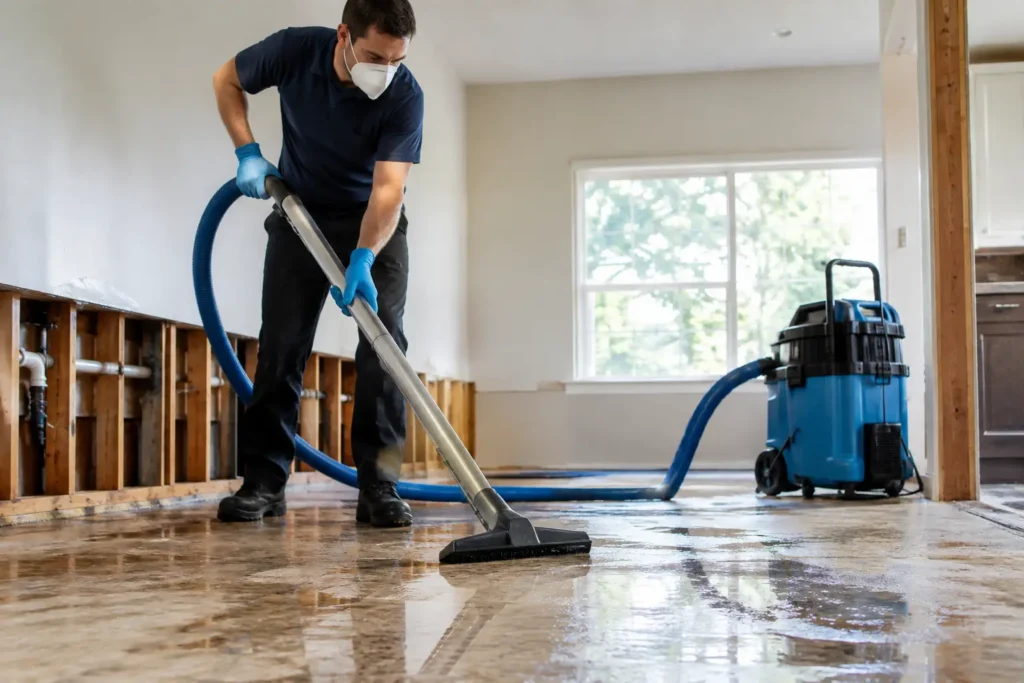
A burst pipe can soak insulation and flooring before anyone notices. A kitchen fire can leave smoke odor in rooms that were never touched by flames. In moments like these, property damage restoration is not simply about making a space look normal again. It is a coordinated process for stopping further damage, protecting the structure, documenting what happened, and completing lasting repairs.
For Maryland homeowners, business owners, and property managers, the first decisions after a loss can affect both the scope of damage and the recovery timeline. Fast action matters, but so does having one experienced team that communicates clearly from emergency cleanup through reconstruction.
Table of Contents
ToggleWhat Property Damage Restoration Includes
Property damage restoration addresses the damage caused by sudden water intrusion, flooding, sewage backups, fire, smoke, or mold-related moisture problems. The work generally has two connected phases: mitigation and restoration.
Mitigation is the immediate work that prevents conditions from getting worse. It may include water extraction, emergency board-up, removal of wet materials, sewage cleanup, smoke cleanup, moisture monitoring, and structural drying. Restoration follows once the property is stable and dry. This phase can involve repairing damaged drywall, flooring, ceilings, insulation, trim, and other building materials, followed by complete reconstruction when needed.
Those phases should not be treated as separate problems. A wall that is repaired before hidden moisture is addressed may develop additional damage. Likewise, a property can be dry but still need careful repair work to return it to a safe, functional, finished condition. The best outcome comes from managing the entire loss with a clear plan.
The First Hours After Water, Fire, or Sewage Damage
The right response depends on the source and type of damage. If water is actively entering the property, stop the source when it is safe to do so. Turn off the main water supply for a broken pipe, for example, or contact the appropriate emergency service if there is a larger issue. Avoid entering standing water near electrical equipment, and do not use household vacuums to remove significant water.
After a fire, wait until the property has been cleared for entry. Soot and smoke residue can spread easily, so avoid wiping walls or moving damaged contents without guidance. Opening windows may help in limited situations, but it will not remove embedded smoke residue or odor from porous materials.
A sewage backup requires particular caution because the water may contain contaminants. Keep people and pets out of the affected area, avoid contact with affected belongings, and arrange professional cleanup as soon as possible. Materials that can be cleaned and disinfected may be saved, while porous materials with contamination may need removal.
If conditions allow, take photos and short videos before cleanup begins. Capture the source of the damage, affected rooms, visible materials, and damaged contents. Good documentation helps establish a clear record for the restoration plan and any insurance-related conversations.
How a Professional Restoration Process Works
A dependable restoration process starts with a thorough inspection, not assumptions. Trained technicians assess visible damage and use moisture-detection equipment to identify wet materials behind walls, under flooring, or within structural areas. Water can travel farther than the obvious stain or puddle, especially from an upstairs leak or a flooded basement.
Assessment and documentation
The restoration team documents affected materials, records moisture conditions, and develops a scope for mitigation and repairs. Photos, readings, and itemized estimates create a useful record of the loss. For property owners working with an insurance carrier, this information can support productive communication with adjusters and insurance professionals. Coverage decisions remain with the insurer and policy terms, but organized documentation helps keep the project moving.
Emergency mitigation and controlled drying
Standing water is extracted using commercial equipment. Technicians may remove damaged carpet, pad, insulation, drywall, or other materials when they cannot be dried or safely restored. Air movers, dehumidifiers, and specialized drying equipment are then placed according to the conditions of the property.
Drying is not a matter of placing fans and waiting. Professionals monitor moisture readings throughout the process to confirm that building materials are returning to an appropriate dry standard. This matters because surface dryness does not always reflect what is happening inside a wall cavity, beneath flooring, or in framing.
Cleaning, remediation, and odor control
Fire, smoke, sewage, and mold-related conditions each require different cleaning methods. Smoke residue may need targeted cleaning of walls, ceilings, contents, and HVAC-adjacent surfaces. Mold remediation focuses on correcting the moisture source, containing the affected area when appropriate, removing impacted materials, and cleaning remaining surfaces using established restoration practices.
There is no one-size-fits-all approach. A small, contained water loss may require limited drying and repair. A long-term leak behind a wall, widespread floodwater, or extensive smoke damage can require more involved containment, cleaning, and reconstruction.
Repair and reconstruction
Once mitigation is complete, the property needs to be put back together with care. This can range from replacing a section of drywall to reconstructing multiple rooms after a major loss. Coordinating repairs with the same company that handled mitigation reduces the risk of missed details, repeated explanations, and gaps between cleanup and rebuilding.
At Vinis Renovation & Restoration, the goal is to guide property owners through that entire path with responsive communication, detailed workmanship, and respect for the home or business throughout the process.
Why Quick Drying Protects More Than Floors
Water damage becomes more complicated as time passes. Materials absorb moisture at different rates, and humidity can spread damage beyond the original source. Flooring may cup or separate, drywall can weaken, insulation may lose effectiveness, and wood framing can retain moisture even after the floor appears dry.
Quick, controlled drying can often reduce how much material must be removed. That does not mean every wet item can be saved. Some materials are too damaged, contaminated, or difficult to dry thoroughly. The practical decision should be based on the water source, length of exposure, material type, contamination risk, and moisture readings.
For example, clean water from a supply line caught early may allow for targeted extraction and drying. A sewage backup or outside floodwater presents a different situation because cleaning and removal decisions must account for contamination. An experienced restoration professional can explain the reasoning behind each recommendation instead of treating every loss the same way.
Choosing a Property Damage Restoration Contractor
When a property has been damaged, it is tempting to focus only on who can arrive first. Emergency response is essential, but the quality of assessment, drying, documentation, and repairs matters just as much. A contractor should be able to explain what they found, what work is necessary, how progress will be monitored, and what happens after the emergency phase.
Look for an insured and bonded company with trained restoration professionals, professional-grade equipment, and experience handling both mitigation and reconstruction. Ask how the team documents moisture conditions and damage, how they communicate with property owners, and whether they can coordinate directly with insurance professionals when needed.
For commercial properties and rental homes, communication is especially important. Owners and managers may need updates that help them plan around occupants, business operations, access requirements, and the repair schedule. Clear expectations protect the project and reduce stress for everyone involved.
Common Questions After a Property Loss
Can I wait until morning to address water damage?
If there is active water, standing water, or wet building materials, waiting can allow damage to spread. Emergency water removal and drying are often the right next steps, particularly after a burst pipe, appliance leak, roof intrusion, or basement flood. If there is any electrical concern or unsafe condition, keep clear of the area and seek appropriate emergency assistance.
Will everything need to be removed?
Not necessarily. Restoration professionals evaluate whether materials can be cleaned and dried effectively. The water category, contamination level, exposure time, and material condition all influence the decision. Removing only what is necessary can help preserve the property while still supporting a proper restoration.
Does insurance pay for restoration work?
It depends on the cause of loss, the policy, deductibles, exclusions, and the insurer’s evaluation. A restoration contractor can provide documentation, photos, estimates, and clear records of mitigation and repair work, but the carrier makes coverage determinations.
How long does the process take?
Emergency extraction may begin immediately, while drying commonly takes several days depending on the extent of saturation and the materials involved. Repairs and reconstruction take longer and depend on the scope of damage, material availability, approvals, and the property’s condition after mitigation.
Property damage is disruptive, but the recovery process does not have to feel unmanageable. When water, fire, smoke, sewage, or moisture damage affects your Maryland property, prompt professional help can protect what can be saved and create a clear path toward a carefully restored space.