
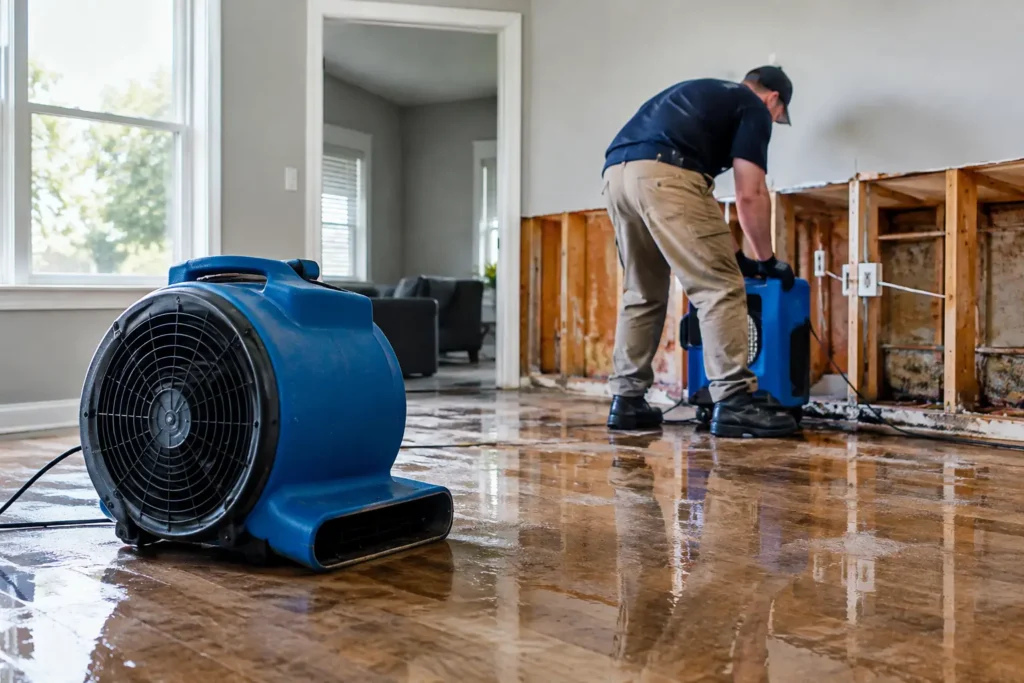
A flooded basement may look like a cleanup problem at first. But after the water is removed, Maryland property owners often face the more consequential question: what will it take to put the property back together correctly? Water damage reconstruction Maryland residents can rely on is not simply replacing wet drywall or laying new flooring. It is a careful process of confirming the structure is dry, identifying damaged materials, documenting the loss, and rebuilding with workmanship that protects the property long after the emergency has passed.
For a homeowner, business owner, or property manager, the best outcome is having one experienced team manage the work from emergency mitigation through final repairs. That creates clearer communication, fewer handoffs, and a reconstruction plan based on what was actually found during drying and damage assessment.
Table of Contents
ToggleReconstruction Starts After the Water Is Controlled
Water extraction and structural drying come first for a reason. Rebuilding before the affected area is properly dried can trap moisture behind walls, under flooring, or inside framing. That can lead to odors, warped materials, mold growth, and repairs that need to be repeated.
A professional restoration team begins by stopping or isolating the source when possible, extracting standing water, and setting up commercial drying equipment. Moisture meters and other monitoring tools help determine whether materials can be dried in place or need to be removed. This is particularly important after a burst pipe behind a wall, an appliance supply-line leak, a roof leak, or flooding that reached finished areas.
Drying is not based on how a room looks or feels. Carpet can appear dry while its pad and subfloor remain wet. A ceiling may show only a stain while insulation and framing above it hold moisture. Professional moisture monitoring gives property owners a factual basis for the next decision: restore the existing materials where appropriate, or remove damaged components and prepare for reconstruction.
What Water Damage Reconstruction in Maryland May Include
The scope of reconstruction depends on the category of water, how long materials were wet, and where the water traveled. A clean-water leak caught quickly may require limited drywall removal, baseboard replacement, painting, and flooring repairs. A sewage backup or outdoor flood can require more extensive removal and cleaning because contaminated materials may not be safe to restore.
Once mitigation is complete, reconstruction may include repairing or replacing damaged drywall, insulation, trim, doors, cabinetry, flooring, subflooring, ceilings, and paint finishes. In more serious losses, work can extend to framing repairs, rebuilding bathrooms or kitchens affected by leaks, restoring finished basements, or repairing sections of a commercial property.
The goal is not to apply a cosmetic cover-up. It is to restore the affected area so it is clean, dry, functional, and finished with attention to the details that make the space feel whole again. Matching existing materials can be straightforward in a newer property, but it can be challenging when flooring, cabinets, or paint colors are discontinued. In those cases, a skilled contractor should explain the options clearly, including whether a repair can blend effectively or whether a larger replacement area will produce a better result.
Drywall, Insulation, and Interior Finishes
Drywall and insulation are common casualties of water intrusion. When they cannot be safely dried or have been affected by contaminated water, controlled removal allows the underlying structure to be cleaned, dried, and inspected. After clearance for reconstruction, new insulation and drywall can be installed, finished, primed, painted, and blended with the surrounding room.
Careful containment and clean work practices matter during this stage, especially in occupied homes and businesses. Property owners should expect the work area to be protected, debris to be managed, and the job site to be kept as orderly as conditions allow.
Flooring and Subfloor Repairs
Flooring damage often involves more than the visible surface. Hardwood can cup or buckle, laminate can swell at the seams, carpet padding can retain moisture, and vinyl flooring can hide water below. The subfloor must be evaluated before new flooring is installed.
Sometimes a floor can be saved through prompt extraction and controlled drying. Other times, replacement is the more responsible choice. The right answer depends on the material, the water source, the length of exposure, and moisture readings, not a one-size-fits-all rule.
Cabinets, Bathrooms, and Kitchens
Water frequently collects beneath kitchen sinks, behind refrigerators, around toilets, and inside vanity cabinets. Cabinet bases may swell or delaminate even when doors and countertops still look acceptable. If reconstruction involves a bathroom or kitchen, the work may include replacing affected cabinets, repairing walls and floors, reinstalling fixtures, and restoring finishes after the area is dry and stable.
This is where reconstruction craftsmanship matters. Proper measuring, material coordination, finish work, and communication keep a necessary repair from becoming an open-ended disruption.
Insurance Documentation Supports Better Decisions
A water loss can create stress well beyond the physical damage. Property owners may need to communicate with an insurance carrier, adjuster, property manager, tenant, or business owner while trying to protect the building from further damage.
Detailed documentation helps bring order to that process. Photos, moisture readings, equipment records, removal logs, and repair estimates create a record of the conditions found and the work required. While coverage decisions remain with the insurance company and each policy is different, professional documentation can help support a clear, accurate conversation about mitigation and reconstruction needs.
An experienced restoration contractor can also help property owners understand the sequence of work, prepare repair estimates, and communicate professionally with insurance representatives. That does not mean rushing into repairs without approval when approval is needed. It means having a team that understands how emergency mitigation, scope development, and reconstruction fit together.
Why One Team From Emergency Response Through Repairs Matters
When a property owner must hire one company for water removal, another for mold concerns, and a third for rebuilding, important details can get lost between phases. The reconstruction contractor may not know which materials were removed, where moisture was found, or what conditions existed before demolition.
With one accountable team, the people planning repairs have direct knowledge of the mitigation work. They know what was affected, what was dried, what was removed, and what should be rebuilt. This approach can reduce delays and help prevent unnecessary scope changes after work has started.
For Maryland homes, that continuity is especially valuable after pipe breaks during cold weather, storm-related water intrusion, sump pump failures, and basement flooding. Whether the property is in Glen Burnie, Annapolis, Columbia, Bowie, or another nearby community, prompt action followed by thoughtful reconstruction can limit disruption and protect the value of the building.
Questions to Ask Before Reconstruction Begins
Before authorizing repairs, ask how the contractor confirmed drying, what materials need replacement and why, and how the work will be documented. Ask who will manage scheduling, communication, and any insurance-related estimates. If mold or sewage was involved, ask what cleaning, containment, and safety measures are planned.
It is also reasonable to ask about the expected sequence of work. A trustworthy contractor should be able to explain what happens first, what decisions may affect the timeline, and what could change if concealed damage is discovered. Older homes, layered flooring, and water that traveled behind finished walls can reveal additional issues once materials are opened. Clear communication does not eliminate every surprise, but it prevents surprises from becoming confusion.
Act Quickly, Then Rebuild With Care
If water has entered your property, do not wait for stains, odors, or visible mold to decide whether help is needed. Move people away from electrical hazards, avoid contact with sewage or contaminated water, and contact a qualified restoration professional for an inspection and emergency response.
Vinis Renovation & Restoration helps Maryland property owners move from emergency water removal and structural drying to professional repairs and complete reconstruction. The focus is simple: treat each property with care, document the work, communicate clearly, and rebuild the affected space with craftsmanship you can feel confident in.
After a loss, the most reassuring repair is not the fastest-looking one. It is the one built on proper drying, honest assessment, and a team that stays accountable until your property feels like yours again.