A pipe can be shut off, a fire can be extinguished, and floodwater can stop rising – but the threat to your property may not be over. Knowing how to stop secondary damage is what protects a manageable loss from becoming a much larger restoration project. Moisture can travel behind walls, soot can continue to stain and corrode surfaces, and damaged materials can weaken if they are left exposed.
The first priority is always safety. Once the area is safe to enter, fast, organized mitigation helps protect your home or business, preserve more of the structure, and create a clearer record of what happened. A professional restoration team can guide the process from emergency cleanup through repairs, but the actions taken in the first hours matter.
Table of Contents
ToggleWhat Is Secondary Damage?
Secondary damage is additional damage that happens after the original event. The original event may be a burst pipe, appliance leak, roof leak, sewage backup, kitchen fire, or sprinkler discharge. The secondary damage is what develops when water, smoke residue, humidity, or exposure is not addressed promptly and correctly.
After water damage, secondary problems can include swelling wood floors, stained drywall, damaged insulation, warped trim, corrosion, odors, and mold growth. Water does not stay where it first appears. It can wick upward through drywall, move under flooring, travel along framing, and collect in wall cavities or below cabinets.
After a fire, visible soot is only part of the concern. Smoke residues can settle throughout the property, and acidic residues may continue affecting metal, electronics, finished surfaces, and contents. Water used for firefighting can also create a separate moisture problem. The goal is not simply to make the property look clean. It is to stabilize the affected area, remove contamination where needed, dry the structure, and restore it with care.
How to Stop Secondary Damage in the First Hours
Quick action should be deliberate, not rushed or unsafe. If there is standing water near electrical equipment, structural instability, sewage, or fire-related debris, stay out of the affected area until a qualified professional says it is safe.
If it is safe to do so, take these immediate steps:
- Stop the source when possible. Shut off the water supply for a plumbing leak, move belongings away from an active leak, or cover an opening only if doing so can be completed safely. Do not enter a damaged roof area or handle electrical equipment near water.
- Protect people and access. Keep children, pets, tenants, employees, and visitors away from wet flooring, fire debris, and contaminated water. Limit foot traffic so moisture and soot are not spread into unaffected rooms.
- Document the conditions. Take photos and short videos before removing materials or moving contents, when safe. Record the apparent source, affected rooms, visible damage, and any emergency steps taken. This documentation can be helpful when communicating with insurance professionals.
- Call for professional mitigation. Water extraction, structural drying, soot cleanup, odor control, and sewage cleanup require the right equipment and a plan based on the type and extent of damage.
Do not assume that a fan and an open window are enough. Air movement can help in a limited, clean-water situation, but it cannot confirm whether moisture remains behind walls, beneath flooring, or inside insulation. In fire losses, improper wiping can smear soot deeper into porous materials or damage delicate finishes.
Move Contents Carefully
Relocating dry, unaffected belongings can prevent additional loss, but avoid carrying wet or soot-covered items through clean areas. Place items in a dry, protected location when possible. Do not stack wet papers, books, textiles, or rugs, as trapped moisture can cause further deterioration.
For valuable contents, electronics, documents, or items with sentimental value, take photos before cleaning or disposal. A restoration professional can help determine which materials may be cleaned, dried, or require specialized handling.
Avoid the Mistakes That Make Damage Worse
Property owners often act with the best intentions, yet a few common choices can increase the cost and scope of a loss. Waiting to see whether materials dry on their own is one of the biggest risks. Hidden moisture may remain long after surfaces feel dry to the touch.
Another mistake is removing too much too soon. Some materials must be removed because they are contaminated or cannot be dried effectively. Others can be saved with prompt extraction and controlled drying. Trained technicians use moisture readings, material conditions, and the category of water involved to make informed decisions rather than guessing.
Avoid using household vacuums on standing water, especially around electrical hazards. Do not use bleach or strong cleaners as a substitute for professional mold remediation or sewage cleanup. These products may not address moisture behind building materials, and mixing chemicals or working in poorly ventilated areas can create additional concerns.
After a fire, do not use ordinary household cleaners on soot until the residue has been evaluated. Different soot types respond differently to cleaning methods. Improper cleaning can permanently set stains or spread residues to nearby surfaces.
Why Professional Mitigation Prevents Larger Repairs
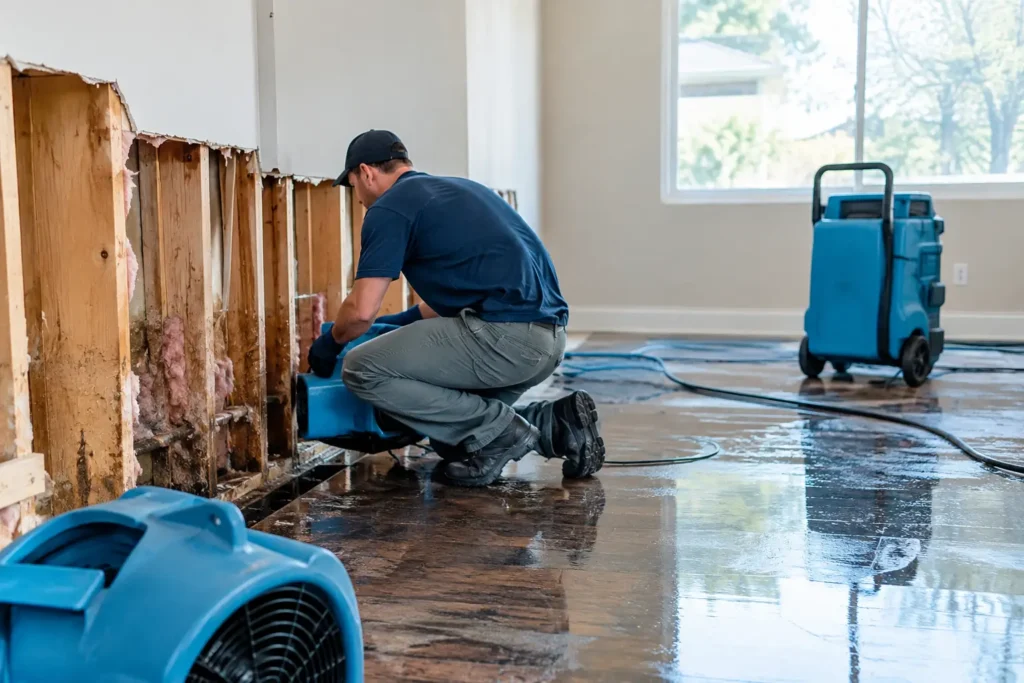
Effective mitigation is the work that limits further damage before reconstruction begins. For a water loss, this typically involves assessing the source, extracting water, removing unsalvageable affected materials, setting professional drying equipment, and monitoring moisture levels until drying goals are met. Documentation and project photos help show what was affected and what actions were taken.
For fire and smoke damage, mitigation may include securing the property, addressing water from firefighting efforts, removing soot residues with appropriate methods, cleaning affected contents, and controlling odor. For sewage backups and contaminated water, the process also includes controlled removal and cleaning procedures designed for the conditions present.
A qualified restoration contractor should explain what they found, what needs immediate attention, and what can wait until the property is stable. At Vinis Renovation & Restoration, the focus is on guiding property owners from emergency response through drying, repairs, and reconstruction, with clear communication at each stage.
Secondary Damage Depends on the Type of Loss
Water Damage and Flooding
With clean water from a supply line, the response may be less complex than a sewage backup, but it still requires prompt drying. Water that remains in contact with drywall, wood, carpet padding, insulation, or subflooring can create substantial damage.
Floodwater and sewage require greater caution because they may contain contaminants. Keep the area isolated, avoid contact with affected materials, and allow trained cleanup professionals to assess what can be cleaned and what should be removed. The priority is both limiting spread and returning the structure to a clean, dry condition.
Fire and Smoke Damage
Fire damage can continue after firefighters leave. Open windows, roof damage, broken doors, and compromised exterior walls can expose the property to rain, humidity, and unauthorized entry. Emergency board-up or temporary protection can help prevent additional weather-related damage while the restoration plan is developed.
Smoke can also move well beyond the room where the fire began. Professional assessment helps identify affected surfaces, HVAC-related pathways, contents, and concealed areas. Fast stabilization can reduce the chance that residues become more difficult to remove.
Mold Concerns After Moisture Events
Mold concerns are usually a sign that moisture has not been fully controlled. The right response is to identify and correct the water source, assess the affected materials, and establish proper containment and remediation steps when warranted. Painting over staining or masking an odor does not solve an underlying moisture problem.
Keep Insurance Communication Clear
You do not need to delay emergency mitigation while waiting for every insurance question to be answered. Protecting the property from further damage is generally a sensible first step, while keeping records of the event, photos, damaged materials, receipts, and communications.
A restoration contractor experienced with insurance-related losses can prepare damage documentation and repair estimates and communicate with the appropriate professionals. Coverage decisions belong to the insurer and policyholder, but clear, timely documentation can make the process easier to understand.
Frequently Asked Questions
Can I wait until morning to address water damage?
It depends on the size of the loss and whether water is still active, but waiting can allow moisture to spread into materials that might otherwise be saved. If there is standing water, a burst pipe, a sewage backup, or water affecting ceilings, walls, or flooring, seek emergency help right away.
How do professionals know a structure is dry?
Professionals use moisture-monitoring tools along with visual inspections and drying records. A surface can feel dry while moisture remains inside a wall cavity, under flooring, or within framing. Monitoring helps confirm that drying is progressing before repairs begin.
Should I remove wet drywall myself?
Do not remove materials if doing so could expose you to electrical hazards, contaminated water, unstable construction, or potential fire debris. In a small, clearly understood clean-water event, limited action may be appropriate, but an assessment helps prevent unnecessary demolition and missed hidden damage.
When property damage interrupts your routine, the goal is not to make a quick cosmetic fix. It is to protect the structure, preserve what can be saved, and complete the restoration with confidence. Prompt action and experienced guidance can make that possible.