

Home remodeling can turn your house into a space that feels welcoming, inspiring, and truly aligned with your lifestyle. Today, remodeling has evolved far beyond simple updates. It’s now about creating environments that support modern living—where comfort, efficiency, and personal style work together.
Modern home remodeling blends aesthetics with function, sustainability with comfort, and technology with timeless design. As routines and priorities change, homeowners want spaces that make life easier and more enjoyable: open-concept kitchens that improve flow, smart features that boost convenience and energy savings, and outdoor areas that feel like extensions of the home. These trends reflect a shift toward homes that adapt to people, not the other way around.
This article highlights the top remodeling trends shaping modern living. You’ll explore how minimalist design is being paired with warm textures to avoid a cold, sterile look, how eco-friendly materials are becoming a practical choice for durability and efficiency, and how smart home technology is helping homes feel more responsive and future-ready. You’ll also get guidance on personalizing your remodel and balancing what’s “in” right now with classic design choices that won’t age quickly.
By the end, you’ll feel more confident planning your next remodeling project—whether your goal is higher home value, better daily comfort, or simply a fresh new feel. Understanding these trends helps you make smarter decisions and build a home that feels modern today and enjoyable for years to come.
Key Takeaways
- Remodeling today goes beyond looks: it’s about making your home work better for your lifestyle (flow, comfort, daily function).
- The winning mix: aesthetics + functionality, sustainability + comfort, technology + timeless design.
- Top trends: open-concept kitchens, multi-purpose rooms, and outdoor spaces that feel like a true extension of the home.
- Warm minimalism: clean lines paired with natural textures and cozy finishes so the space doesn’t feel cold or sterile.
- Eco-friendly upgrades are practical: durable materials and energy-smart choices reduce long-term costs and maintenance.
- Smart home features add real value: lighting, climate, and automation make the home more efficient and adaptable.
- Best practice: keep core elements timeless and use trends in accents so your remodel stays attractive for years.
Why Home Remodeling is More Important Than You Think
Home remodeling is more than just a way to update the look of your space, it’s a pivotal step toward enhancing comfort, functionality, and value in modern living. In recent years, home remodeling has surged in popularity as homeowners seek to adapt their environments to changing lifestyles, new technologies, and evolving aesthetic preferences. According to a report by the Joint Center for Housing Studies of Harvard University, nearly 45% of homeowners undertook some form of remodeling project between 2020 and 2023, highlighting the growing desire to improve existing spaces rather than relocating.
But why is home remodeling so crucial in today’s world? For starters, modern living demands versatility. Open floor plans, home offices, and energy-efficient systems have become essential rather than optional. Remodeling allows homeowners to customize spaces to suit remote work, remote learning, and healthier living environments. Furthermore, strategic home remodeling can significantly increase property values, an average kitchen remodel, for instance, offers an ROI (return on investment) of around 60-80%, making it a smart financial move.
Consider the example of the Johnson family from Seattle, who transformed their outdated 1980s bungalow into a light-filled, smart-enabled home tailored for their growing needs. By redesigning their kitchen and creating a home office nook, they not only improved their day-to-day comfort but also boosted their home’s market value by 25% in just one year. Their story is a testament to how thoughtful home remodeling blends function and style to meet the dynamic demands of modern living.
In essence, home remodeling transcends mere aesthetics. It’s a vital tool for contemporary homeowners to align their living spaces with today’s lifestyle trends, improve energy efficiency, and increase the long-term value of their investments. Understanding its importance sets the stage to explore the latest trends shaping the way we live and renovate today.
How to Apply Home Remodeling Step by Step for Modern Living
Embarking on a home remodeling project can be both exciting and overwhelming, especially when keeping up with the latest trends for modern living. Successfully applying home remodeling techniques involves careful planning, understanding current design innovations, and executing each phase thoughtfully. In this comprehensive guide, we will walk you through the step-by-step process of home remodeling, ensuring your renovation aligns perfectly with contemporary lifestyles.
Step 1: Define Your Remodeling Goals
Before picking up a hammer or scrolling through design ideas, it’s crucial to pinpoint exactly what you want to achieve with your home remodeling project. Is your priority expanding your living space? Modernizing your kitchen with smart appliances? Or transforming your bathroom into a spa-like retreat?
– List your must-haves versus nice-to-haves.
– Consider how your lifestyle influences your needs (e.g., growing family, remote work, entertaining guests).
– Research current home remodeling trends for modern living, such as open floor plans, sustainable materials, and tech integration.
Example: If you value natural light and open spaces, prioritizing large windows and an open concept layout can make a significant impact.
Step 2: Set a Realistic Budget with a Buffer
Cost is often the driving constraint in any home remodeling project. Establishing a well-planned budget helps avoid surprises later.
– Review average costs for your desired renovations.
– Allocate roughly 10-20% of your budget as a contingency fund to cover unexpected expenses.
– Consider long-term savings by investing in energy-efficient upgrades, which align well with modern remodeling trends.
Graphic Suggestion: A pie chart illustrating common budget allocation percentages, materials, labor, permits, contingency.
Step 3: Plan and Design with Intentionality
Once your goals and budget are clear, you can move into the design phase. This is where your vision starts taking shape.
– Collaborate with an experienced designer or architect to craft detailed plans.
– Emphasize modern living trends such as multifunctional spaces, minimalist aesthetics, and smart home features.
– Use 3D modeling tools to visualize changes before construction begins.
Example Image: Side-by-side renderings of a traditional vs. modern remodeled kitchen showing clean lines and integrated appliances.
Step 4: Obtain Necessary Permits and Approvals
Compliance with local building codes is non-negotiable to ensure safety and legality.
– Submit your remodeling plans to municipal authorities for necessary permits.
– Understand zoning laws that could affect your project scope.
– Schedule inspections as required throughout the renovation process.
Step 5: Select Skilled Contractors and Vendors
Hiring the right professionals is critical for quality results and staying on schedule.
– Research and vet contractors with experience in modern home remodeling.
– Check references and review portfolios of previous work.
– Negotiate clear contracts detailing timelines, costs, and responsibilities.
Tip: Consider contractors offering sustainable building practices aligned with eco-friendly remodeling trends.
Step 6: Demolition and Preparation
With permits approved and teams onboard, the hands-on transformation begins.
– Prepare your home by protecting existing structures and setting up work zones.
– Safely remove outdated or damaged elements as per the design plan.
– Manage debris disposal with recycling and eco-friendly practices in mind.
Step 7: Construction and Installation
This phase brings your remodeling dreams to life.
– Follow the project timeline closely, adapting as necessary for unforeseen challenges.
– Install key modern features, energy-efficient windows, smart lighting systems, modular cabinetry.
– Keep communication open between you, contractors, and suppliers.
Example: Installing a state-of-the-art home automation system to control lighting, temperature, and security contributes significantly to modern living convenience.
Step 8: Finishing Touches and Quality Check
Details matter immensely in achieving a polished, modern aesthetic.
– Choose finishes like matte textures, natural woods, and neutral color palettes.
– Add accents such as sleek hardware, subtle LED lighting, and built-in storage solutions.
– Conduct a thorough walkthrough to inspect quality and functionality.
Tip: Incorporate biophilic elements like indoor plants or green walls to enhance modern interiors with a natural vibe.
Step 9: Move-In and Enjoy Your Modernized Space
After all the hard work, it’s time to settle in and enjoy.
– Arrange furniture thoughtfully to complement your new layout.
– Explore smart home devices to optimize your living experience.
– Share your transformation journey with friends or through social media to inspire others.
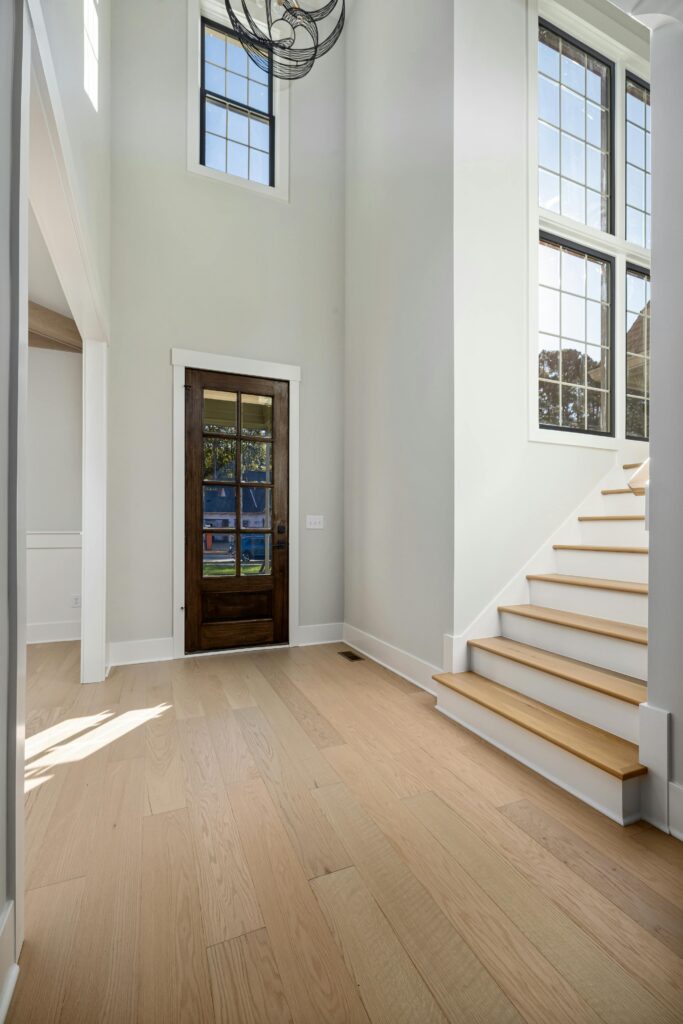
In Summary:
Home remodeling is a meticulous, rewarding journey when approached methodically. By following these steps, from defining goals and budgeting to construction and styling, you’ll successfully integrate the latest home remodeling trends for modern living. This ensures your renovated home is not only beautiful but functional, sustainable, and tailored perfectly to your lifestyle.
Remember, the key to effective home remodeling lies in thoughtful planning and embracing innovations that enhance comfort and efficiency. Ready to start your modern living transformation? Let this step-by-step guide lead the way.
Tips for Home Remodeling: Home Remodeling Trends for Modern Living
✅ Embrace Open-Concept Spaces: Knock down non-load-bearing walls to create airy, multifunctional areas that encourage social interaction and flexibility.
✅ Incorporate Smart Home Technology: Integrate voice-controlled lighting, security, and climate systems to boost convenience and energy efficiency.
✅ Choose Sustainable Materials: Opt for eco-friendly flooring, countertops, and paints to reduce your home’s environmental impact while enhancing aesthetics.
✅ Maximize Natural Light: Install larger windows or skylights to brighten interiors, improve mood, and reduce electricity usage.
✅ Create Multi-Purpose Rooms: Design spaces that serve dual functions, like a guest bedroom doubling as a home office, to optimize square footage.
✅ Update Kitchen with Modern Fixtures: Incorporate sleek cabinetry, smart appliances, and quartz countertops to make cooking a delight and add resale value.
✅ Invest in Energy-Efficient Windows and Insulation: Enhance comfort and lower utility bills by reducing heat loss or gain with quality materials.
✅ Add Indoor-Outdoor Connectivity: Use sliding glass doors and cohesive flooring to create seamless transitions between living spaces and outdoor patios.
✅ Prioritize Minimalist Design: Adopt clean lines, neutral palettes, and clutter-free layouts to promote calmness and modern style.
❌ Avoid Overcrowding Spaces: Resist the urge to fill every corner; negative space enhances the overall atmosphere and functionality.
💡 Extra Tip: Personalize your remodel with trendy yet timeless accents that reflect your lifestyle, ensuring longevity and satisfaction.
Key Concepts in Home Remodeling
In the vibrant world of home remodeling, each project is much more than bricks and mortar; it is a narrative of transformation and new beginnings. When we dive into the realm of modern living, home remodeling becomes a sophisticated dialogue between personal lifestyle, architectural innovation, and emerging trends. To truly grasp the essence of this evolving art, it’s essential to explore several foundational concepts that shape contemporary home remodeling.
The Fluidity of Space: Beyond Fixed Walls
Imagine a sculptor working with soft clay, molding it into shapes that shift and adapt with ease. This is akin to the current trend in home remodeling, where spaces are designed to be fluid, multifunctional, and adaptable. Unlike traditional rigid layouts, modern remodeling embraces open floor plans and flexible interiors that resonate with the dynamic nature of today’s lifestyles. Walls are no longer just boundaries but canvases for creativity, integrating sliding panels, foldable partitions, and modular furnishings that allow spaces to breathe and transform effortlessly.
This fluidity reflects a broader cultural shift toward a less compartmentalized, more interconnected living experience. Spaces designed through remodeling now serve multiple purposes, a dining room morphs into a workspace, a guest room doubles as a personal gym, and the living area becomes a media studio. This adaptability is key to maximizing both function and emotional comfort in modern homes.
Sustainability as a Core Principle
If we liken a home to a living organism, sustainability is its heartbeat. Home remodeling today is not just about aesthetic upgrades or luxury enhancements; it is firmly rooted in eco-awareness and responsible resource use. This principle manifests in the choice of materials, favoring reclaimed wood, recycled metals, and non-toxic paints, as well as in the integration of energy-efficient systems such as solar panels, smart thermostats, and advanced insulation techniques.
Sustainability extends to the notion of durability and timelessness. Instead of following fleeting fads, modern remodeling trends emphasize longevity, promoting designs and materials that withstand both physical wear and changing tastes. In this context, remodeling is an investment into the future, a way of harmonizing present desires with ecological stewardship.
The Intersection of Technology and Design
Consider the home as a stage where technology performs as both a tool and a character in the story of modern living. Remodeling efforts increasingly incorporate smart technologies that blur the line between comfort, convenience, and control. From automated lighting that adjusts with natural daylight to integrated security systems accessible remotely, these technologies reimagine the living environment as an interactive ecosystem.
This concept introduces the idea of a “responsive home,” where the architecture and technology coalesce to anticipate and cater to the residents’ needs without intruding on the aesthetic experience. The seamless integration of tech elements calls for a remodeling approach where design and engineering are intricately intertwined, leading to spaces that feel intuitive, personalized, and alive.
Emotional Architecture: Designing for Well-being
Home remodeling transcends the physical transformation when viewed through the lens of emotional architecture, the idea that spaces can influence and reflect emotional states. Modern homeowners crave environments that foster calm, creativity, and connection. Light, color, texture, and spatial arrangements are orchestrated not merely for appearance but for emotional resonance.
For instance, large windows and skylights invite natural light that elevates mood and reduces stress. The choice of warm hues and natural materials can evoke a sense of grounding and comfort, while clutter-free open spaces inspire clarity of mind. Remodeling thus becomes an act of crafting a sanctuary, tailored to nurture mental and emotional well-being amidst the demands of contemporary life.
Heritage Meets Innovation: Balancing Legacy and Modernity
Another compelling theme in home remodeling for modern living is the tension and harmony between heritage and innovation. Many homeowners seek to preserve elements of their home’s original character, be it a vintage fireplace, exposed brick walls, or classic moldings, while infusing the space with contemporary flair and functionality.
This balance is like a carefully composed symphony in which traditional and modern elements are distinct yet complementary movements. It requires a nuanced approach to remodeling that respects the narrative embedded in the home’s architecture while boldly introducing new chapters through cutting-edge design and materials. The result is a layered, textured home that feels authentic and forward-looking simultaneously.
Personalization as the Heartbeat of Remodeling
At its core, home remodeling is a deeply personal endeavor. Every choice made echoes the individuality of the inhabitants. Unlike cookie-cutter renovations, the trend for modern living gravitates toward customization that reflects unique tastes, habits, and aspirations.
This notion elevates remodeling to a form of self-expression, where spaces become mirrors of identity rather than generic templates. From bespoke cabinetry and curated art niches to tailored lighting schemes, personalization imbues each home with a soul, making the remodeled space an intimate, singular experience rather than a mere facade of style.
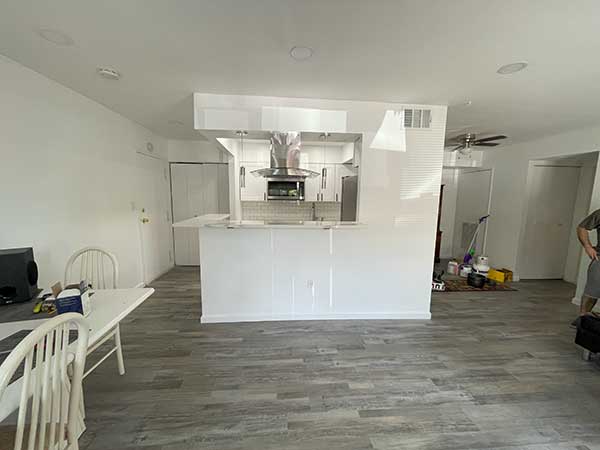
Ultimately, the essence of home remodeling in the context of modern living is a rich tapestry woven with innovation, sustainability, emotional insight, and personalized storytelling. It is not merely about altering physical space but about envisioning and crafting environments that resonate deeply with how we live today, fluid, conscious, connected, and full of meaning.
Frequently Asked Questions about Home Remodeling: Trends for Modern Living
❓ What are the top home remodeling trends for modern living in 2024?
The top home remodeling trends for modern living in 2024 focus on sustainability, smart technology integration, open-concept spaces, multifunctional rooms, and the use of natural materials. Homeowners are increasingly prioritizing energy-efficient appliances, eco-friendly building materials, and designs that promote a healthy lifestyle.
❓ How can smart home technology be integrated into a remodeling project?
Smart home technology can be integrated by installing automated lighting, climate control systems, security cameras, and voice-activated assistants. These upgrades not only enhance convenience and security but also improve energy efficiency, making modern living more comfortable and sustainable.
❓ Is open-concept design still popular in home remodeling?
Yes, open-concept design remains a favorite trend in home remodeling for modern living. It creates a spacious and airy atmosphere, encourages family interaction, and allows for flexible use of space. However, many homeowners now combine open layouts with designated quiet zones for work or relaxation.
❓ What role do natural materials play in current home remodeling trends?
Natural materials like wood, stone, and bamboo are highly favored in modern home remodeling. They bring warmth, texture, and a connection to nature indoors, aligning with the growing preference for sustainable and biophilic design elements that promote well-being.
❓ How can homeowners balance aesthetics and functionality in a remodel?
Homeowners can balance aesthetics and functionality by choosing designs that reflect their personal style while addressing everyday needs. This involves selecting durable materials, incorporating ample storage solutions, and opting for flexible layouts that adapt to different activities and family dynamics, essential in modern living environments.