
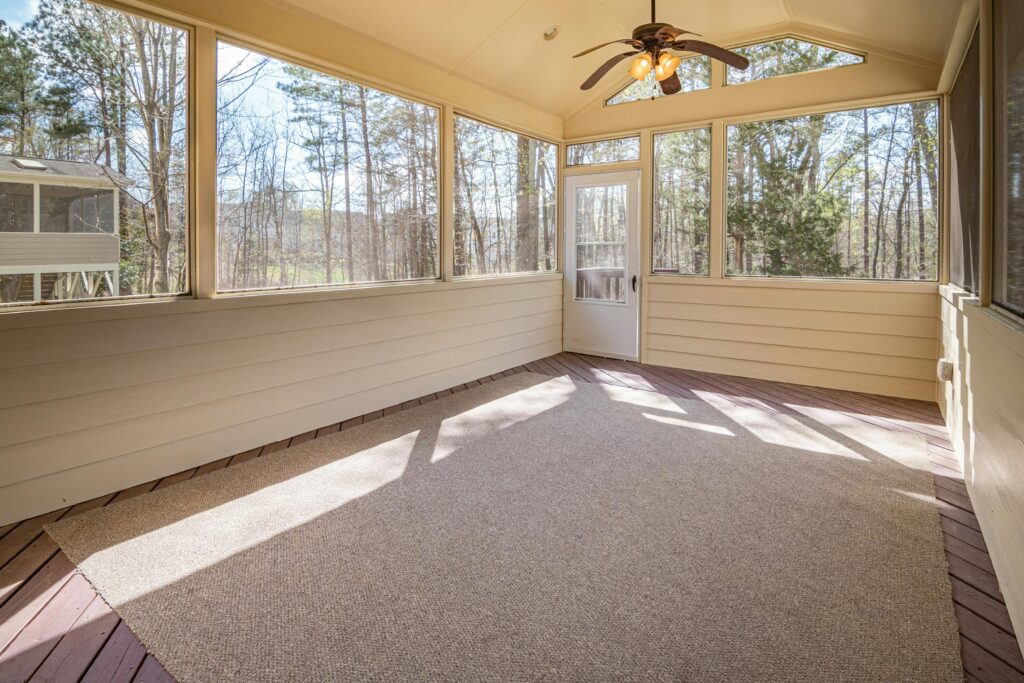
Imagine coming home to a larger, more comfortable space that blends seamlessly with the rest of your house. A room addition can completely transform the way you enjoy your home, whether it becomes a bright sunroom, a cozy family room, a practical home office, a guest suite, or an open kitchen connected to a larger living area.
This article shares inspiring room addition ideas to help you expand your home with both style and functionality. It also covers key considerations such as maintaining a natural flow between old and new spaces, planning your budget, choosing the right materials, understanding permits, and avoiding common mistakes that can affect the success of your project.
You’ll also discover ways to bring in more natural light, improve energy efficiency, and select flexible layouts that adapt to your family’s changing needs. By the end, you’ll have a clearer vision for creating a room addition that increases your home’s comfort, value, and usability while turning your dream of more space into a well-planned reality.
Key Takeaways
- A room addition is one of the most effective ways to expand your living space without moving to a new home.
- Popular room addition ideas include sunrooms, home offices, guest suites, family rooms, media rooms, and master suite extensions.
- Successful room additions require careful planning, a realistic budget, permits, and the support of experienced professionals.
- The new space should blend naturally with your existing home’s design, materials, roofline, and layout.
- Maximizing natural light, improving energy efficiency, and creating flexible layouts can make the addition more comfortable and valuable.
- A well-planned room addition can improve daily living, support your family’s changing needs, and increase property value.
Why Room Addition Is More Important Than You Think
When it comes to expanding your living space, a room addition isn’t just about adding square footage; it’s about enhancing your lifestyle. A room addition refers to the process of expanding your existing home by constructing a new room or set of rooms, seamlessly integrated into your current structure. This approach enables homeowners to tailor their living space to better suit their evolving needs without the disruption of moving to a new house.
The importance of room additions has grown significantly in recent years. According to a report from the National Association of Home Builders, over 60% of homeowners who undertake home improvement projects opt for room additions to improve functionality and increase property value. This trend reflects a shift in priorities: instead of relocating, people want to make their current homes more livable and adaptable.
One of the key benefits of a room addition is the ability to customize the space specifically for your family’s needs. Whether it’s creating a home office, adding a guest bedroom, or building a cozy sunroom, room additions offer flexibility unmatched by other remodeling projects. For example, consider the story of the Johnson family, who transformed their cramped two-bedroom house into a spacious four-bedroom home with a sun-drenched family room. This transformation not only accommodated their growing family but also increased their home’s market value by over 20%, proving that a well-executed room addition is a smart investment.
Moreover, unlike moving, a room addition allows you to stay in the neighborhood you love, maintain your children’s school routines, and avoid the stress and costs associated with buying and selling a property. With thoughtful planning and design, a room addition can seamlessly blend old and new spaces, creating a home that reflects your lifestyle and personality.
In summary, room addition is more than just construction, it’s a strategic choice to enhance your living environment, boost your home’s value, and meet your family’s needs. As we explore various room addition ideas in this blog, you’ll discover how simple changes can make a profound difference in your daily life.
How to Apply Room Addition Step by Step: A Practical Guide to Expanding Your Living Space
Adding a room to your home is an exciting way to increase your living space, boost your property value, and tailor your environment to better suit your family’s needs. However, a successful room addition involves careful planning, smart decisions, and an organized approach. If you’re inspired by the idea of a room addition and wondering where to start, this comprehensive step-by-step guide will walk you through the essential phases of the process. Whether you want a new bedroom, home office, or sunroom, following these steps will ensure your project runs smoothly and meets your goals.
Step 1: Define Your Purpose and Budget for the Room Addition
Before diving into construction plans, clearly define why you want a room addition. Is it to accommodate a growing family? Create a dedicated workspace? Or add value to your property before selling? Understanding the primary purpose will influence the design, size, and features of your new room.
Alongside purpose, set a realistic budget. Consider not only construction costs but also permits, design fees, and unexpected expenses. A well-planned budget prevents surprises later on.
Tips:
– Make a list of “must-haves” and “nice-to-haves” for your new space.
– Research average costs in your area for room additions.
– Allocate a contingency fund of at least 10-15%.
Step 2: Explore Room Addition Ideas and Design Options
With your purpose and budget in mind, start brainstorming ideas. Here, creativity meets practicality. Popular room addition ideas include:
– Master suite extension: Adding a luxurious bedroom with an ensuite bathroom.
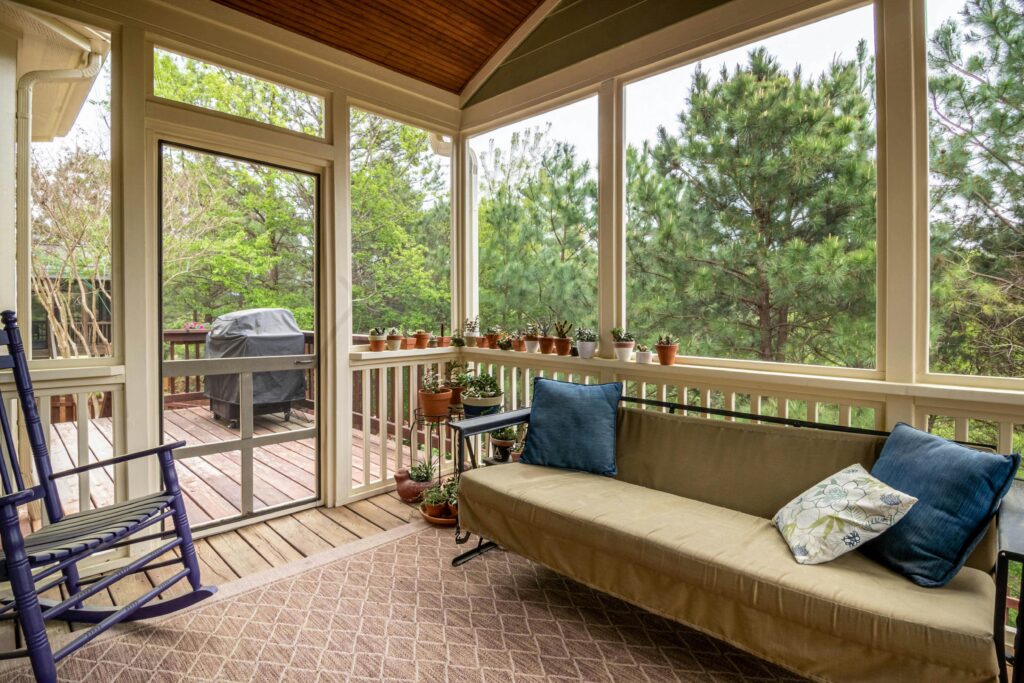
– Sunroom or conservatory: A bright, airy space for relaxation and indoor plants.
– Home office: A quiet, isolated area optimized for productivity.
– Family or media room: An entertainment hub tailored to your lifestyle.
– In-law suite: A self-contained space with privacy for relatives or guests.
Consider how the new room will connect to existing spaces , do you want seamless flow or separation? Sketch rough floor plans or use online room planners to visualize.
Step 3: Check Local Zoning Laws and Obtain Necessary Permits
Before getting your hands dirty, you must navigate through local building codes, zoning regulations, and permitting processes. This step is crucial to ensure your room addition is legal and safe.
– Contact your city or county building department to inquire about local regulations.
– Determine setback requirements, height restrictions, and allowable square footage.
– Apply for required permits; this may include building, electrical, plumbing, and HVAC permits.
Attempting a room addition without permits can result in fines or having to undo work later.
Step 4: Hire Professionals: Architects, Designers, and Contractors
While some homeowners might be tempted to attempt a room addition as a DIY project, it’s generally best to hire experienced professionals.
– Architect or designer: Transforms your ideas into detailed plans, ensures compliance with regulations, and optimizes space usage.
– General contractor: Manages the construction, timelines, and subcontractors.
– Specialists: Electricians, plumbers, and HVAC technicians will handle their respective systems.
Interview multiple contractors, review portfolios, and verify licenses and insurance. A trustworthy team makes a huge difference.
Step 5: Plan the Details: Materials, Layout, and Integration
Together with your professionals, finalize your room addition design. Important considerations include:
– Exterior match: The new addition should blend aesthetically with your existing home (siding, windows, roofing).
– Functionality: Think about built-in storage, natural lighting, and room flow.
– Energy efficiency: Insulation, window types, and HVAC integration affect comfort and bills.
Ask your team for 3D renderings or mood boards to confirm your vision.
Step 6: Prepare Your Home and Site
Before breaking ground, prepare your property:
– Clear the construction area of outdoor furniture, gardening items, or fragile plants.
– Inform your neighbors about construction schedules as a courtesy.
– Protect interiors from dust and debris through plastic sheeting or relocating valuables.
Step 7: Construction Phase
The actual building usually happens in stages:
1. Foundation: Excavation and pouring concrete footings or slab.
2. Framing: Building the skeleton of walls, floors, and roof.
3. Systems installation: Plumbing, electrical wiring, HVAC ducts.
4. Insulation and drywall: Soundproofing and finishing walls.
5. Flooring, painting, and finishing touches: Flooring installation, trim, cabinetry.
Keep regular contact with your contractor to monitor progress and address any changes swiftly.
Step 8: Final Inspections and Furnishing
Once the build is complete, schedule final inspections with your local building department to certify the work complies with codes.
Finally, decorate and furnish your new room. Choose functional yet comfortable furnishings that complement the room’s purpose. Add personal touches like artwork, rugs, or lighting to enhance warm ambiance.

Example: Expanding a Living Room with a Sunroom Addition
Imagine transforming a modest living room by adding a sunroom that floods the space with light and nature views. Following the above steps:
– Purpose: More relaxing, bright space with connection to outdoors.
– Budget: $30,000–$50,000 depending on materials.
– Design: Walls of windows, sliding glass doors, and access from the living room.
– Permits: Verify zoning for extended footprints.
– Professionals: Architect creates a design, contractor builds.
– Materials: Energy-efficient glass, matching siding.
– Construction: Foundation poured, framing erected, glass installed.
– Furnishing: Comfortable seating, side tables, and lush plants.
The result is a seamlessly integrated room that revitalizes the home atmosphere.
Applying the concept of room addition step by step guarantees your expanded living space perfectly fits your needs and lifestyle. Remember, thoughtful planning, expert collaboration, and clear communication are the cornerstones of success. Start with the vision, keep your purpose front and center, and enjoy creating a home that grows with you.
Tips for Room Addition Ideas to Expand Your Living Space:
✅ Plan Thoroughly: Start by assessing your current space and needs to decide what type of room addition suits you best, whether it’s a sunroom, extra bedroom, or home office.
✅ Set a Realistic Budget: Determine how much you’re willing to spend on your room addition and include a contingency fund for unexpected expenses.
✅ Consult Professionals: Hire experienced architects and contractors to ensure your addition is structurally sound and adheres to local building codes.
✅ Blend with Existing Design: Choose design elements that complement your home’s current style for a seamless integration.
✅ Maximize Natural Light: Incorporate large windows or skylights to make the new space feel open and inviting.
✅ Think About Functionality: Design the addition with practical use in mind to enhance daily living, such as adding built-in storage or flexible layouts.
✅ Consider Energy Efficiency: Use insulated materials and energy-efficient windows to keep the new room comfortable and reduce utility bills.
✅ Prepare for Permits: Research and apply for necessary permits early in the process to avoid delays in construction.
✅ Communicate Clearly: Maintain open communication with your contractor to ensure your vision is understood and executed properly.
✅ Plan for Future Needs: Design the addition to be adaptable so it can serve different purposes as your lifestyle changes over time.
Key Concepts
When exploring the topic of room addition, we delve into much more than just adding square footage to a home. It represents a harmonious blend of vision, functionality, and emotional resonance within the living environment. To fully grasp the essence of a room addition, one must understand several foundational principles that shape its impact and execution.
The Essence of Space Transformation
Imagine your home as a blank canvas, where each wall and corner holds the potential to evolve. A room addition can be viewed as a sculpture emerging from this canvas, carefully chiseled to blend with existing structures while offering something new and striking. It is an artful expansion, not merely a construction task. This notion carries the weight of transformation, changing not only the physical footprint but also how inhabitants experience comfort, light, and connection.
Consider the metaphor of breathing. Just as lungs expand to welcome extra air, a room addition ‘breathes’ new life into the home. It increases the home’s ability to accommodate changing needs or infuse fresh energy into a familiar environment. This expansion can be instrumental in nurturing family growth, productivity, or relaxation.
Architectural Harmony and Integration
At the heart of any successful room addition is the principle of integration. It’s akin to adding a chapter in a well-loved novel; the new part must capture the tone and style of what came before, ensuring a seamless narrative flow. If the addition deviates drastically in style or scale, it risks becoming an awkward appendage rather than a natural continuation.
This concept extends beyond aesthetics. Integration includes harmonizing structural elements, materials, and natural lighting. For example, an addition that borrows the rhythm of window placements or follows the pitch of the roofline creates a visual cadence that is pleasing and coherent. These choices root the new space as an organic growth of the original home rather than a stark afterthought.
Emotional and Psychological Dimensions
A room addition transcends the physical; it’s a response to emotional and psychological undercurrents. Picture your home like a tree, a structure with roots embedded in memories and branches that extend toward future possibilities. Adding a room is akin to nurturing a new branch that supports growth while staying firmly connected to the roots.
This new space can serve as a sanctuary, a creative hub, or a social nest, altering the emotional landscape of the inhabitants. The decision to grow the home physically often reflects a deeper urge, to feel more comfortable, to expand horizons, or to invite new forms of interaction within the family unit.
Spatial Functionality and Flow
In the tapestry of home design, functionality and flow represent the threads that hold everything together. A room addition is a new thread, woven carefully to maintain continuity without disrupting existing patterns. The spatial use should feel intuitive, where movement between rooms mirrors the natural patterns of daily life.
It’s helpful to think of the home as a living organism, where each room performs a specific role but interacts fluidly with others. When a new room is added, it must slot into this organism in a way that enhances the overall health and efficiency. Whether expanding a kitchen, creating a sunroom, or adding a guest suite, the room’s placement and connection dictate the harmony of everyday living.
Anticipating Future Change
Room additions often embody foresight, the ability to anticipate future shifts in lifestyle, family size, or work habits. Like planting a sapling with the vision of a sturdy tree years ahead, homeowners invest in additions with an eye toward long-term utility.
This predictive mindset shapes decisions about scale, flexibility, and multi-functionality. It acknowledges that homes, much like the people who live in them, evolve. The added space isn’t static; it’s a dynamic component of the home’s ongoing story, ready to adapt to transformations yet unseen.
Budgeting as Creative Constraint
While often viewed purely as a financial consideration, budget functions more holistically as a creative constraint during room addition planning. This is a subtle but powerful concept: limits encourage innovative solutions rather than stifling them.
Within the framework of a budget, choices about materials, design complexity, and finishing touches become acts of creative problem-solving. It pushes one to prioritize what matters most, be that natural light, spatial openness, or aesthetic appeal, leading to a room addition rich in character and functionality despite fiscal boundaries.
Environmental and Neighborhood Context
Finally, any discussion of room addition must account for its environmental and neighborhood context. Homes do not exist in isolation; they are part of ecosystems both natural and social. A thoughtfully designed addition respects surrounding trees, sightlines, and the rhythm of neighboring homes.
This sensitivity to context ensures that the addition harmonizes with its surroundings, enhancing the home’s curb appeal and preserving community character. Just as a note in a symphony respects the notes around it, a room addition should contribute to the overall neighborhood harmony.
Concluding Reflection
In essence, a room addition is much more than a practical response to space demands, it is a layered expression of identity, foresight, and harmony. By appreciating these key concepts, one can see how adding a room is akin to nurturing a living story, one where architecture meets emotion, function, and artistry. This deeper understanding enriches not only the design process but the very experience of home expansion.
Frequently Asked Questions About Room Addition
❓ What is a room addition?
A room addition is a construction project that involves adding extra space to your existing home. This can be an extra bedroom, a larger kitchen, or a new living area to expand your living space.
❓ How do I choose the best room addition idea for my home?
Consider your current needs, budget, and the layout of your home. Popular ideas include adding a sunroom, extending the kitchen, or creating a multi-purpose room to maximize functionality.
❓ How long does a typical room addition project take?
The timeline varies depending on the size and complexity, but most room additions take between a few weeks to several months to complete.
❓ Do I need a permit for a room addition?
Yes, most local governments require permits for room additions to ensure safety and compliance with building codes. It’s important to check with your local building authority before starting any work.
❓ Will a room addition increase my home’s value?
Generally, yes. A well-designed room addition that expands your living space can increase your home’s market value and appeal to future buyers.