
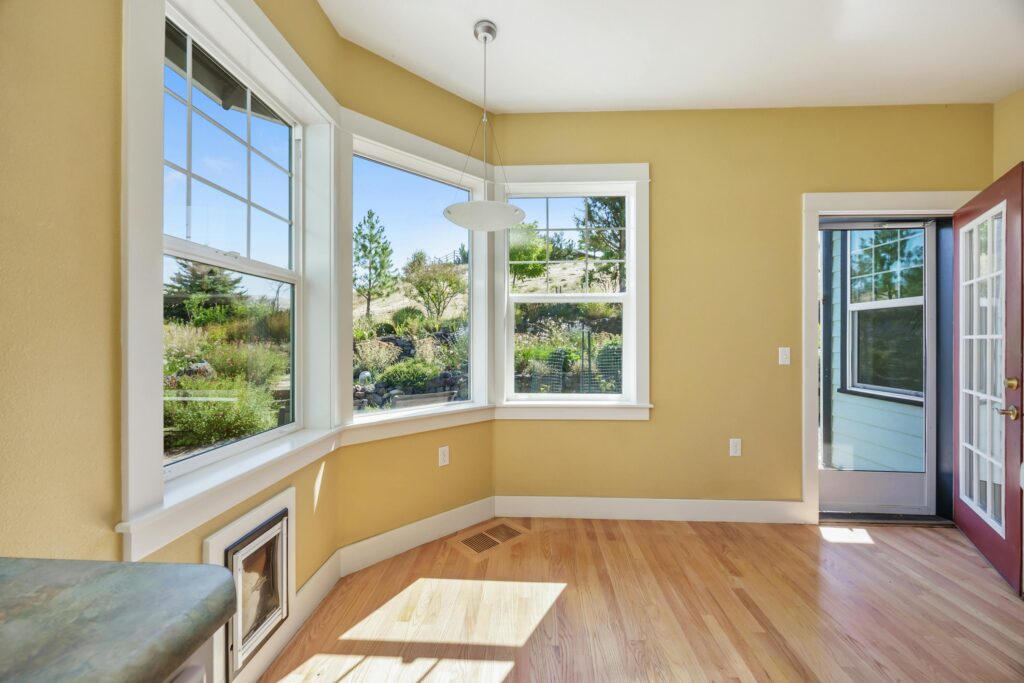
Expanding your home with a room addition can be exciting, whether you’re planning a larger kitchen, a cozy bedroom, a home office, or a bright family room. However, a successful project requires more than inspiration. Many homeowners face delays, budget overruns, structural problems, and legal issues because they overlook important details before construction begins.
A room addition is not just about adding square footage; it is about improving your lifestyle, increasing comfort, and adding value to your property. To achieve that, you need careful planning, a realistic budget, proper permits, and the right professional team. Rushing the design stage can lead to expensive changes later, while poor communication with contractors may create misunderstandings that affect the final result.
This guide explains the most common room addition mistakes to avoid before building. It covers key topics such as planning, budgeting, permits, contractor selection, inspections, and how to make sure the new space blends naturally with your existing home. It also highlights the importance of considering your home’s current structure, safety requirements, and long-term functionality.
By understanding these risks before construction starts, you can save time, reduce stress, avoid unnecessary costs, and make better decisions throughout the process. With the right preparation, your room addition can become a seamless, valuable, and comfortable extension of your home.
Key Takeaways
- A Room Addition can increase comfort, functionality, and home value when it is planned correctly.
- Clear planning helps avoid costly mistakes, delays, and unnecessary changes during construction.
- A realistic budget should include materials, labor, permits, design fees, utilities, and a contingency fund.
- Permits, zoning rules, property lines, and inspections are essential to avoid legal or structural problems.
- Hiring qualified architects, designers, and contractors helps ensure safety, quality, and code compliance.
- The new space should blend naturally with the existing home in style, structure, layout, and function.
- Good communication with contractors reduces misunderstandings and keeps the project on track.
Why Understanding Room Addition Is Crucial Before You Build
Adding a new room to your home, or a room addition, is often seen as an exciting opportunity to expand your living space, increase property value, and enhance your daily comfort. But before you begin construction, it’s essential to grasp what a room addition truly entails and why it matters so much to get it right from the start.
A room addition involves constructing an extra space that integrates seamlessly with your existing home. This could mean adding a new bedroom, a sunroom, a home office, or even a larger kitchen area. According to the National Association of Home Builders, about 20% of home remodelers undertake room additions, underscoring their popularity as a strategic way to increase functionality without relocating.
Why is this so important? Because a poorly planned or executed room addition can lead to costly mistakes , from structural problems to zoning violations or even a reduction in your home’s resale value. Many homeowners jump into adding rooms without considering crucial factors such as architectural coherence, budget limits, or local building codes, which can derail the entire project.
Consider the story of Sarah and Mike, a couple who decided to add a family room to their growing home. Eager to create an open, inviting space, they hastily hired a contractor without verifying credentials and overlooked obtaining necessary permits. The result? Months of delays, legal headaches, and a bill that exceeded their budget by 30%. Their experience is a telling example of how overlooking the fundamentals of a room addition can transform a dream project into a nightmare.
Data from Remodeling Magazine’s Cost vs. Value Report reveals that a midrange family room addition averages around $75,000 but offers a resale value of roughly 50-60%. This statistic highlights the importance of careful planning to ensure your investment pays off both in terms of comfort and financial return.
In sum, understanding what a room addition really involves , including its benefits and potential pitfalls , is the first critical step to avoiding common blunders. Taking the time to research, plan, and consult with professionals not only safeguards your finances but also ensures your new space fits harmoniously within your home and lifestyle. In the following sections, we’ll delve into the most frequent room addition mistakes to avoid before building, preparing you to embark on your project with confidence and clarity.
How to Apply Room Addition Step by Step: A Practical Guide to Avoid Costly Mistakes
Adding a new room to your home is an exciting endeavor , it promises extra space, increased value, and enhanced comfort. However, without the right approach, a room addition can quickly turn into a costly and stressful experience. To help you navigate this process smoothly, here is a detailed step-by-step guide on how to apply the concept of room addition correctly, focusing on how to avoid common pitfalls.
Step 1: Define Your Purpose and Needs Clearly
Before any construction begins, it’s crucial to pinpoint exactly why you want a room addition and what you need it for. Are you looking for a new bedroom, a home office, or perhaps a sunroom?
– Create a wish list: Think about essential features, size requirements, and how this new space will integrate with your current layout.
– Future-proof your plans: Consider long-term needs to avoid adding a room that quickly becomes obsolete.
Common mistake: Jumping into construction without a clear vision often leads to space misuse or needing further renovations.
Step 2: Set a Realistic Budget Early On
Room additions can be expensive, and costs often spiral beyond initial estimates when not carefully planned.
– Research average costs: Look up local construction prices, including materials, labor, permits, and potential design fees.
– Include a contingency fund: Allocate at least 10-15% extra for unexpected expenses.
– Get multiple quotes: Talk to several contractors to get a clearer picture.
Common mistake: Failing to budget adequately leads to halted projects or compromised quality.
Step 3: Obtain Proper Permits and Understand Zoning Laws
Before breaking ground, check with your local municipality about the necessary building permits and whether your planned addition complies with zoning regulations.
– Visit your city’s building department: Get detailed information about setback requirements, height restrictions, and lot coverage limits.
– Prepare and submit plans: Many areas require architectural plans for permit approval.
– Don’t skip this step: Skipping permits can result in fines or even mandated removal of unauthorized additions.
Common mistake: Overlooking permits can cause legal headaches and add months to your timeline.
Step 4: Design Thoughtfully with Functionality and Aesthetics in Mind
Design is more than making your room look good; it needs to function well within the existing home context and align aesthetically.
– Work with a professional architect or designer: Their expertise ensures structural safety and maximizes space efficiency.
– Consider natural light and ventilation: Position windows and doors strategically.
– Integrate with existing style: Your new addition should blend seamlessly with your home’s exterior and interior.
Common mistake: Ignoring design harmony can make the addition feel like an afterthought rather than a part of your home.
Step 5: Hire Trusted Contractors and Verify Credentials
Not all builders are created equal. Your choice of contractor can make or break the success of your room addition.
– Check references and past projects: Ask for photos and testimonials.
– Verify licenses and insurance: Protect yourself against liability.
– Discuss timelines and payment schedules upfront.
Common mistake: Selecting contractors based solely on price often leads to subpar workmanship and delays.
Step 6: Prepare Your Home and Family for Construction
Construction will disrupt your household. Preparing ahead can reduce stress and keep everyone safe.
– Set up temporary living arrangements if necessary.
– Create a clear work zone and limit access, especially for children and pets.
– Keep communication open with your contractor about daily schedules.
Common mistake: Underestimating the impact of construction on daily life can lead to frustration and safety hazards.
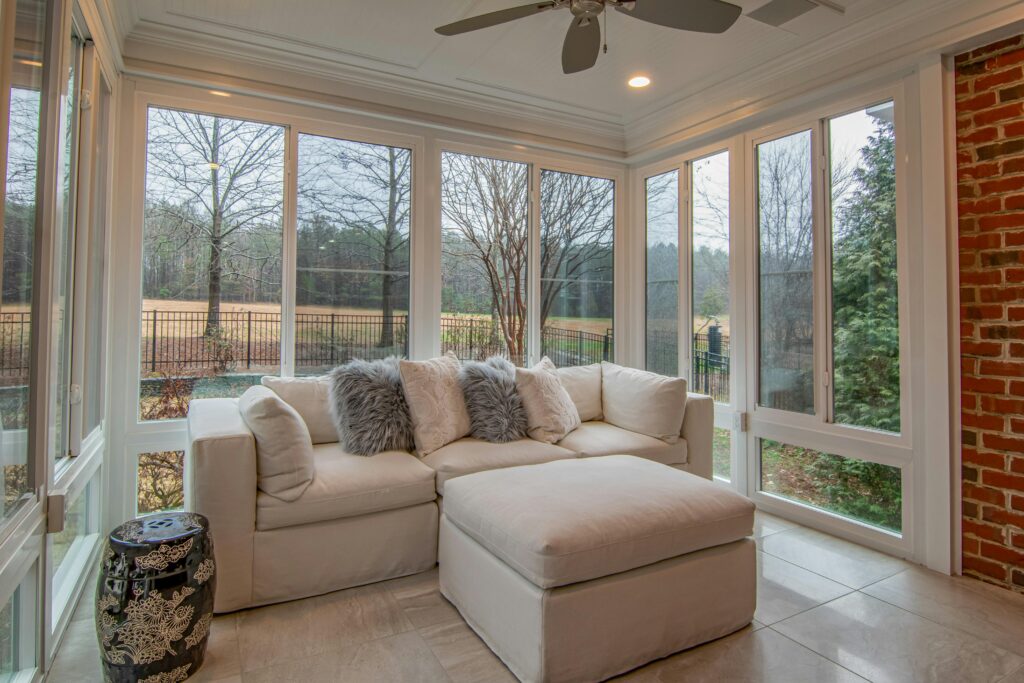
Step 7: Monitor Progress Regularly and Address Issues Promptly
Stay engaged throughout the building process to ensure adherence to plans and quality standards.
– Schedule regular site visits.
– Keep a record of changes or unexpected challenges.
– Communicate concerns immediately.
Common mistake: Neglecting oversight may result in hidden defects and costly rectifications later.
Step 8: Final Inspection and Enjoy Your New Space
Once construction is finished, conduct a thorough walkthrough with your contractor.
– Check all features, fixtures, and finishes.
– Request corrections if necessary before final payment.
– Obtain a final occupancy permit if applicable.
Then, take a deep breath , your thoughtfully planned room addition is ready to enjoy!
Bonus: Example Timeline for a Typical Room Addition
| Phase | Duration | Key Activities |
|---|---|---|
| Planning & Design | 1–2 months | Needs assessment, budgeting, permits |
| Contractor Selection | 2–4 weeks | Quotes, interviews, contracts |
| Construction | 3–6 months | Site prep, foundation, framing, finishing |
| Inspection & Final Touches | 2–4 weeks | Walkthrough, corrections, cleaning |
By following these carefully crafted steps, your room addition journey will be smoother, economical and more rewarding. Remember, the key to avoiding mistakes doesn’t lie in rushing but in thoughtful preparation and consistent involvement. Happy building!
Tips to Avoid Room Addition Mistakes Before Building:
✅ Plan Thoroughly: Take time to design and plan your room addition carefully. This helps prevent costly changes later.
🚫 Ignore Permits: Don’t skip obtaining proper building permits. Legal approvals keep your project on track and safe.
✅ Budget Realistically: Set a clear budget that includes a buffer for unexpected expenses to avoid financial stress.
🚫 Overlook Property Lines: Verify property boundaries before building to avoid disputes or violating zoning laws.
✅ Hire Qualified Professionals: Work with experienced architects and contractors to ensure quality and compliance.
🚫 Neglect Structural Integrity: Don’t ignore the foundation and framing standards; a weak structure can lead to bigger problems.
✅ Consider Future Needs: Design your addition to accommodate future lifestyle changes or resale value.
🚫 Forget About Utilities: Plan for electrical, plumbing, and HVAC needs early to prevent major renovations later.
💡 Extra Tip: Communicate clearly with your contractor throughout the project to avoid misunderstandings and delays.
Key Concepts
When diving into the world of room addition, the endeavor is much more than simply erecting new walls or extending a footprint. It’s a harmonious dance between architectural intention, structural integrity, and personal vision , all converging to reshape and elevate daily living spaces. Understanding the foundational concepts behind room additions enriches this process, sparking appreciation for its nuanced complexity.
The Essence of Integration
At the heart of any successful room addition lies the principle of integration. Imagine a puzzle: the existing home represents a set of interlocking pieces, while the new room is an additional piece meant to fit seamlessly. The goal is to create a continuity that feels organic, as if the added space were always part of the original design. This integration goes beyond mere aesthetics; it involves aligning structural loads, ensuring thermal efficiency, and accommodating the flow of natural light and ventilation. Failure in integration can manifest as awkward transitions, mismatched materials, or even compromised structural stability, which unnoticed, might linger like an unwelcome discord in an otherwise harmonious melody.
The Hidden Complexity of Load-Bearing Structures
One of the less visible yet paramount considerations in a room addition is load-bearing capacity. Existing walls and foundations are designed for specific loads and weight distributions. Extending a home means recalculating and redistributing these forces so the entire structure can bear the new load safely. This understanding reframes a room addition as a living organism, where every element supports and is supported by others. Misinterpreting or overlooking structural demands can transform what should be an enhancement into a vulnerability, threatening long-term durability.
Space as a Narrative Device
Adding a room crafts a new chapter in the lived story of a home. The space is not simply physical; it’s a stage where new memories will unfold. It’s akin to adding a verse to a poem that shapes its meaning, tone, and rhythm. In this metaphor, spatial design choices command the narrative flow. For example, the positioning of windows isn’t just a technical detail but a way to frame views, control mood, and invite the outside world in. Hallways or open spaces serve as transitions between scenes, evoking emotions from intimacy to expansiveness. A poorly conceived room addition risks interrupting this narrative coherence, resulting in a jarring experience akin to an ill-placed plot twist.
The Interplay of Function and Aesthetics
Functionality and aesthetics are often portrayed as opposing forces, but in the context of room additions, they are partners in a delicate balance. The room must serve a purpose , whether it’s a quiet study, a lively family room, or an elegant sunroom , yet it must also contribute beauty and harmony to the overall composition. Consider a room addition as a piece of music: function provides the rhythm, steady and reliable, while aesthetics bring melody and emotion, elevating the experience from mere utility to delight.
The Temporal Dimension: Present Needs and Future Growth
A room addition is a temporal bridge between present requirements and future aspirations. It’s like planting a tree whose shade one hopes to enjoy years later. This concept urges careful thought about flexibility and adaptability. Will the new room accommodate growing family needs or evolving lifestyle patterns? Will it maintain relevance as architectural styles and technologies advance? Failing to consider this temporal dimension risks erecting spaces that, while initially attractive, can become outdated or inadequate.
Environmental and Contextual Sensitivity
Another profound layer in the tapestry of room additions is the environmental dialogue between the built space and its surroundings. The idea goes beyond energy efficiency or green materials; it encompasses harmony with neighborhood character, climate responsiveness, and even ecological impact. Think of the room addition as a guest at a longstanding social gathering , it must respect the unspoken rules and mood of the event, not dominate or disrupt it. Ignoring contextual sensitivity can alienate a home from its environment, making the addition feel intrusive or incongruent.
Unseen Costs: Emotional and Psychological Impact
The effects of adding a room ripple beyond the tangible. Long before the first brick is laid, the psychological landscape shifts. There might be excitement tinged with anxiety, anticipation shadowed by uncertainty. A room addition is also about altering one’s sense of place and identity. It changes how inhabitants experience privacy, connectivity, and comfort. A well-conceived addition fosters positive emotional resonance, acting as a sanctuary or a catalyst for new social dynamics. Conversely, poor planning can evoke feelings of confinement, disconnection, or frustration, like a melody out of tune with the listener’s heart.
Delving into the world of room addition reveals a rich interplay of architectural principles, personal meaning, and environmental relationships. These key concepts form the foundation for understanding why mistakes in planning and design can lead not just to practical challenges, but to deeper disruptions in harmony and experience. Approaching a room addition with an awareness of these elements transforms it from a simple construction project into a thoughtful evolution of home life.
Frequently Asked Questions
❓ What are the most common mistakes to avoid when planning a room addition?
One of the biggest mistakes is not setting a clear budget from the start. Underestimating costs can lead to unfinished projects or financial strain. Another common error is neglecting proper permits and inspections, which can cause legal issues. Additionally, failing to consult with architects or contractors early results in design flaws or structural problems.
❓ How can I avoid design mistakes when adding a room?
To avoid design mistakes, ensure the new room flows well with your existing home’s layout and style. Working with an experienced architect helps create a cohesive design. Also, consider the purpose of the room carefully to choose the right size, lighting, and ventilation. Overlooking these factors often leads to a space that’s impractical or uncomfortable.
❓ Is it a mistake to try a DIY room addition?
While DIY projects can save money, attempting a complex room addition without professional help is risky. Structural integrity, electrical wiring, plumbing, and building codes require specialized knowledge. Hiring licensed contractors reduces mistakes and ensures safety compliance.
❓ Why is proper planning critical before starting a room addition?
Proper planning helps identify potential challenges early, such as zoning restrictions or foundation issues. It also allows for accurate budgeting, timeline setting, and material selection. Skipping this phase often results in costly delays and compromises on quality.
❓ Can poor communication with builders cause mistakes in a room addition?
Absolutely. Misunderstandings or lack of clear communication with your builders can lead to errors, unexpected costs, and dissatisfaction with the final result. Regular updates and detailed agreements help keep the project on track and avoid costly mistakes. By addressing these common questions, you can navigate your room addition project more confidently and avoid frequent pitfalls that many homeowners face before building

One Response