

A few months ago, a homeowner in Glen Burnie woke up to find water stains spreading across his ceiling after a heavy rainstorm. At first, he thought it was just a minor leak, but when the damage spread through his flat roof, the repair bill told a different story. Like many property owners in Maryland, he had trusted a general contractor unfamiliar with the complexities of flat roofing, and that decision ended up costing him far more than he expected.
Flat roofs are popular across towns like Annapolis, Crofton, and Silver Spring because they offer sleek designs and maximize space for HVAC units or rooftop decks. However, they also demand specialized materials, precise installation, and expert maintenance to prevent leaks and structural issues. That’s why finding recommended roofing contractors who truly understand the challenges of flat roofs isn’t just a convenience, it’s a necessity.
For homeowners, property managers, and real estate investors in Columbia, Rockville, or Bethesda, choosing the right roofing professional can make the difference between years of worry-free protection and costly, recurring repairs. This article explores the top recommended contractors in Maryland who specialize in flat roofs, ensuring your property remains safe, efficient, and built to withstand the unpredictable East Coast weather.
Key Takeaways
1. Flat Roofing Requires Specialized Expertise: Not all contractors are trained for flat roofs. Hiring certified professionals familiar with Maryland’s weather conditions ensures durability and compliance with local regulations.
2. Material Selection Impacts Longevity: Choosing between TPO, EPDM, or modified bitumen depends on factors like energy efficiency, budget, and regional climate, from humid coastal Annapolis to cooler Potomac.
3. Proper Inspection and Drainage Are Essential: Regular assessments and well-designed drainage systems prevent pooling water and extend the life of your flat roofing system.
4. Maintenance Protects Your Investment: Semi-annual inspections, debris removal, and early leak detection help property owners in Crofton or Silver Spring avoid costly repairs.
5. Insulation and Coating Improve Performance: Good insulation stabilizes interior temperatures, while reflective coatings reduce energy costs, both key benefits for Maryland homes and commercial spaces.
6. Warranties Provide Long-Term Security: Always request written manufacturer and labor warranties to guarantee quality workmanship and materials.
7. Documentation Builds Trust: Keeping detailed maintenance records supports insurance claims and maintains property value.
8. Partnering with Local Experts Matters: Working with recommended roofing contractors across Maryland ensures tailored solutions, reliable service, and lasting protection for every type of flat roof.
Understanding Flat Roofing in Maryland
Flat roofing isn’t completely flat, it features a subtle slope to ensure proper drainage. These roofs are common in cities like Arnold, Bowie, and Silver Spring, especially on commercial buildings, apartment complexes, and modern-style homes. Unlike pitched roofs, flat systems use membranes such as TPO, EPDM, or modified bitumen to create a watertight barrier that can handle Maryland’s humid summers and snowy winters.
Flat roofing offers several advantages, including easier access for maintenance, energy efficiency through reflective materials, and the ability to incorporate green or solar systems. However, they require specialized installation and regular inspections to prevent pooling water and leaks that could damage insulation or ceilings.
Why Expertise Matters
In areas like Rockville or Columbia, where seasonal storms are common, homeowners and property managers often face water intrusion problems when flat roofs are poorly installed. Choosing a contractor with flat roofing experience ensures that proper drainage angles, flashing, and sealants are used. This expertise can extend the lifespan of your roof by years and reduce costly emergency repairs.
A homeowner in Bethesda, for example, recently replaced a ten-year-old roof that was never correctly sealed. After hiring a specialized roofing contractor familiar with commercial-grade membranes, the new installation improved not only durability but also energy performance, lowering summer cooling costs by nearly 20%.
Characteristics of Reliable Flat Roofing Contractors
Proven Local Reputation
The best contractors in Annapolis or Crofton often have decades of experience, strong local references, and a history of handling roof types that face Maryland’s specific climate challenges.
Licensing and Warranty
Trustworthy roofing companies provide written warranties for materials and labor, along with clear proof of state licensing and insurance.
Preventive Maintenance Plans
A qualified contractor will also offer maintenance programs, annual inspections and minor repairs that help property managers and real estate owners protect their investment.
Whether your property is in Glen Burnie or Potomac, partnering with a recommended flat roofing contractor means peace of mind. It’s not just a building upgrade, it’s a safeguard for your home, budget, and long-term property value.
Step-by-Step Guide to Proper Flat Roofing Installation and Maintenance
Flat roofing demands precision and a well-organized process to ensure long-term performance and protection. Whether you manage a building in Columbia or own a townhouse in Silver Spring, understanding the essential steps that professional contractors follow can help you make informed decisions and ensure high-quality results. Below are the key stages a trusted Maryland contractor should execute to guarantee a durable, watertight flat roof.
Step 1: Comprehensive Roof Assessment and Planning
Before any work begins, the contractor should conduct a thorough inspection of the existing structure. This involves assessing surface conditions, drainage points, insulation levels, and potential moisture damage.
A professional roofing assessment in Bethesda, for example, might include thermal imaging to detect hidden leaks and identify areas needing structural reinforcement. The contractor then develops a detailed plan outlining materials, installation techniques, and time schedules suitable for Maryland’s climate.
Table 1: Common Roof Assessment Elements
| Inspection Element | Purpose | Frequency |
| Structural Integrity Check | Ensures roof deck can support new system | Before installation |
| Moisture Detection | Finds trapped water under old membranes | Every inspection |
| Drainage Review | Verifies correct water flow | Before and after work |
| Insulation Evaluation | Checks for energy efficiency compliance | During assessment |
Step 2: Safe and Methodical Removal of Old Materials
Old membranes, adhesives, and damaged insulation must be carefully removed. In older neighborhoods of Glen Burnie or Arnold, contractors often encounter outdated materials like tar and gravel that require proper disposal according to Maryland’s environmental standards.
This phase protects the building from hidden mold and decay while providing a clean, stable foundation for new layers. Temporary coverings may be used if rain is expected, preventing exposure and minimizing downtime for property managers or tenants.
Step 3: Preparation of the Roofing Deck
Once the old system is removed, the decking (usually plywood or concrete) must be cleaned, repaired, and leveled. High-quality substrates ensure that membranes adhere correctly.
Experienced roofing contractors in Rockville often install an additional vapor barrier to control humidity and prevent moisture migration from inside the structure. This step also includes checking the perimeter edges and parapet walls to guarantee seamless integration with the new roof system.
Step 4: Insulation Installation
Energy efficiency is vital for Maryland homeowners. Contractors typically use rigid foam or polyiso boards to meet regional building codes. Installing insulation with staggered joints prevents thermal bridging, helping keep interiors comfortable during cold Potomac winters and hot Bowie summers.
Proper insulation placement also enhances the performance of reflective flat roofing membranes, contributing to long-term energy savings for property owners.
Step 5: Membrane Application and Sealing
This step defines the quality and longevity of the entire roof. Contractors apply membrane systems such as:
· TPO (Thermoplastic Polyolefin) for energy efficiency and UV resistance.
· EPDM (Ethylene Propylene Diene Monomer) for flexibility and cost-effectiveness.
· Modified Bitumen for enhanced durability against Maryland’s fluctuating temperatures.
Each membrane type requires precise techniques, such as hot-air welding for TPO or torch application for modified bitumen, to achieve a watertight seal. A small misalignment can result in leaks during heavy Annapolis rainfall, so professional supervision is crucial.
Table 2: Comparison of Common Flat Roofing Membranes
| Membrane Type | Durability (Years) | Energy Efficiency | Ideal For |
| TPO | 20–25 | High | Commercial & residential roofs |
| EPDM | 25–30 | Moderate | Large surface areas |
| Modified Bitumen | 20–30 | Moderate-High | Buildings with heavy traffic |
Step 6: Proper Drainage and Flashing Installation
Water pooling is one of the main causes of premature flat roof failure. Contractors in Annapolis and Crofton often use tapered insulation systems to guide water toward drains and scuppers.
Flashings, metal or membrane strips placed around vents, skylights, and edges, seal vulnerable points. Maryland’s heavy rains make accurate flashing installation essential for keeping water out of ceiling cavities and insulation layers.
Step 7: Quality Inspection and Documentation
A meticulous inspection ensures the system complies with manufacturer standards and state regulations. The contractor should document every phase with photos and reports, providing reassurance to property managers or real estate investors.
Inspection checklists typically verify: membrane alignment, drainage functionality, seam integrity, and warranty registration. Professional roofing companies in Columbia often include digital maintenance logs that property owners can access anytime.
Step 8: Scheduled Maintenance and Long-Term Care
Even the finest flat roof requires regular attention. Trusted contractors in Bowie or Potomac offer yearly maintenance packages to clean debris, inspect sealants, and detect minor issues before they become major problems.
A proactive maintenance approach not only extends lifespan but also improves property value. For large complexes in Silver Spring, preventive service contracts can save thousands of dollars in future repairs.
Professional roofing work is more than just placing new materials, it’s an integrated process that blends structure, science, and skill. By following these steps, homeowners and property managers across Maryland can ensure that their flat roofs remain resilient, energy-efficient, and built to protect for decades.
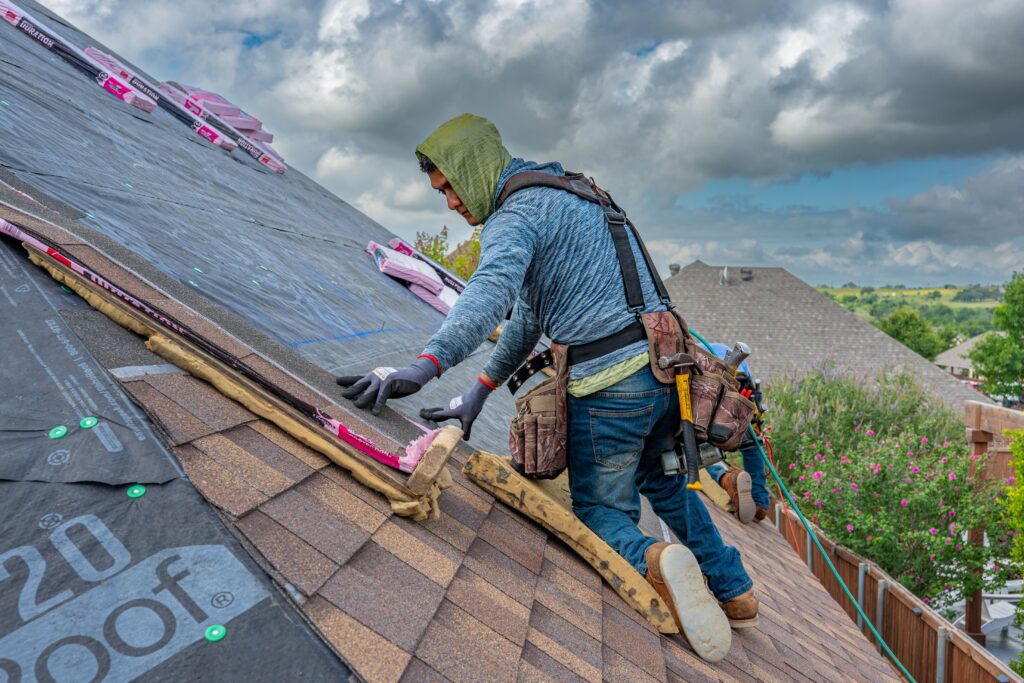
Knowing a few professional tips can make all the difference when maintaining or replacing a flat roofing system. Whether you manage a property in Columbia or own a home in Bethesda, applying small but effective practices helps prevent leaks, prolongs roof life, and reduces maintenance costs over time.
Tips for Better Roofing Results in Maryland:
Schedule regular inspections. Have your flat roof checked at least twice a year, ideally in spring and fall, to identify minor issues before they escalate.
Clear drainage areas. In cities like Glen Burnie or Silver Spring, falling leaves can block outlets; keeping drains clean avoids standing water and membrane damage.
Choose reflective materials. White or light-colored membranes reduce heat buildup, improving energy efficiency and interior comfort.
Avoid unnecessary foot traffic. Install walkway pads if maintenance staff frequently access the roof.
Document all work. Keep detailed records of repairs, warranties, and materials for easy reference and insurance purposes.
Work with certified contractors. Trusted local roofing professionals ensure code compliance and long-term performance.
Applying these technical yet practical steps guarantees durability and helps Maryland property owners make confident, cost-effective decisions for their flat roofs.
Key Concepts Every Maryland Property Owner Should Know About Flat Roofing
Before hiring a contractor or approving a roofing installation for your property in Maryland, it helps to understand several technical and practical concepts. These fundamentals are not complicated, but they determine whether your flat roofing system will last decades or fail prematurely. The following explanations will help you evaluate quotes, communicate better with contractors, and make confident decisions tailored to your property’s needs.
Roofing Membranes and Their Differences
Flat roofs rely on a waterproof membrane that acts as the first line of defense against water and ultraviolet exposure. The most common materials used by contractors in cities like Annapolis or Rockville include TPO, EPDM, and modified bitumen.
Table 1: Comparison of Common Roofing Membranes
| Membrane Type | Key Benefit | Typical Lifespan | Ideal for Climate Conditions | Maintenance Level |
| TPO | Reflects heat, energy-efficient | 20–25 years | Sunny and warm areas like Bowie or Columbia | Low |
| EPDM | Highly flexible, easy to repair | 25–30 years | Regions with temperature fluctuations like Arnold or Crofton | Moderate |
| Modified Bitumen | Extremely durable, multi-layer protection | 20–30 years | Areas prone to heavy rain like Annapolis or Glen Burnie | Moderate |
Choosing the right membrane means balancing durability, energy efficiency, and cost. For example, a property manager in Columbia overseeing a commercial plaza might prioritize TPO for its heat-reflective properties, while a townhouse owner in Potomac could prefer EPDM for long-term flexibility against seasonal weather shifts.
Drainage Systems on Flat Roofs
While flat roofing appears level, it actually incorporates subtle slopes that direct water to drains and scuppers. Understanding drainage types helps prevent ponding and premature damage.
· Central Drains: Often used in commercial buildings across Bethesda, designed to collect water at the center and route it through interior pipes.
· Scuppers and Gutters: Common in residential properties around Glen Burnie and Arnold, allowing rainwater to flow outward to downspouts.
· Tapered Insulation Systems: Used to create a sloped surface when the existing structure is perfectly flat, especially beneficial for older roofs in Rockville or Silver Spring.
Good drainage is one of the most overlooked aspects of roofing, yet it directly affects longevity and warranty coverage.
Roof Coatings and Surface Protection
Roof coatings act as protective layers applied over membranes. They improve UV resistance, seal minor imperfections, and reduce heat absorption. Silicone coatings, for example, perform well in Maryland’s humid climate, reflecting sunlight while preventing fungal growth from moisture exposure.
A landlord in Bethesda might apply reflective coatings to lower energy costs across a multifamily property, while commercial property owners in Bowie often choose acrylic-based coatings to extend the lifespan of their TPO membranes.
Insulation and Energy Efficiency
High-quality insulation not only impacts interior comfort but also influences structural integrity. Flat roofing systems in Maryland typically use rigid foam, polyisocyanurate (polyiso), or extruded polystyrene.
· Polyiso Boards offer the highest R-value per inch, ideal for conserving heating energy during Potomac winters.
· XPS Boards resist moisture absorption, making them suitable for buildings in coastal areas near Annapolis.
Proper insulation and sealing reduce condensation, a common issue in humid regions like Silver Spring, and help maintain stable indoor temperatures year-round.
Flashing and Expansion Joints
Flashing refers to metal or membrane components installed at corners, walls, and roof penetrations such as HVAC units or skylights. These areas are most vulnerable to leaks, especially after freeze-thaw cycles common in Maryland winters.
Expansion joints, meanwhile, allow the roof to move slightly as temperatures change without tearing or cracking the membrane. Understanding these details is critical for property owners reviewing project blueprints or proposals.
Warranty and Compliance Considerations
A credible roofing contractor should offer both manufacturer and labor warranties. Manufacturer warranties cover defects in materials, while labor warranties ensure correct installation practices.
Table 2: Typical Warranty Coverage for Flat Roofing Systems
| Warranty Type | Coverage Duration | Covers | Provided By | Example City |
| Manufacturer | 15–30 years | Material defects | Roofing material brand | Columbia |
| Labor/Installation | 5–10 years | Workmanship errors | Contractor | Crofton |
| Extended Maintenance | Renewable | Scheduled inspections, minor repairs | Contractor + Client | Silver Spring |
Before signing a contract, homeowners and property managers should verify that both warranties comply with Maryland’s building regulations and include clear maintenance conditions.
Maintenance Planning and Seasonal Adjustments
Even the best roof benefits from a structured care plan. In Maryland, it’s wise to schedule inspections before summer storms and after winter snowfalls. Simple maintenance tasks, like checking seams, clearing leaves, and cleaning scuppers, protect both commercial and residential roofing systems from premature wear.
Some Columbia contractors even offer digital reports and drone inspections, helping property managers track performance over time without climbing onto the roof.
Understanding these key concepts transforms a complex roofing project into a manageable investment. By learning the essentials of membranes, drainage, coatings, and warranties, homeowners and real estate owners throughout Maryland can confidently partner with recommended flat roofing contractors who deliver long-term results and dependable protection.
Frequently Asked Questions About Roofing
How long does a flat roofing system last in Maryland?
Typically, a professionally installed flat roofing system in Maryland can last between 20 and 30 years. The exact lifespan depends on the material (such as TPO or modified bitumen), local weather exposure in cities like Annapolis or Rockville, and regular maintenance.
Do flat roofs require more maintenance than sloped roofs?
Yes, though maintenance is relatively simple. Because they collect more debris and water, flat roofs in areas like Crofton or Silver Spring benefit from semi-annual inspections and drain cleaning to prevent leaks or pooling.
What is the best material for a flat roof in Maryland’s climate?
TPO membranes are ideal for energy efficiency, while EPDM works well for flexibility in fluctuating temperatures. In coastal towns such as Annapolis, modified bitumen may perform better against humidity and salt air exposure.
Can solar panels be installed on flat roofing?
Absolutely. Many homeowners in Columbia and Bowie take advantage of the accessibility of flat roofs to install solar panels, as the surface allows for customized tilt angles and easy maintenance access.
How do I know if my flat roof needs replacement?
Warning signs include persistent leaks, cracks, bubbling membranes, or rising energy bills. Contractors in Bethesda often perform infrared scans to detect hidden moisture before recommending full replacement.
Are roofing warranties necessary?
Yes. Reliable contractors in Potomac or Glen Burnie always provide material and labor warranties. These protect your investment and ensure compliance with Maryland’s building standards.
In summary, understanding the essentials of flat roofing empowers property owners across Maryland to choose qualified contractors, schedule timely maintenance, and maximize the value of their buildings for years to come.