
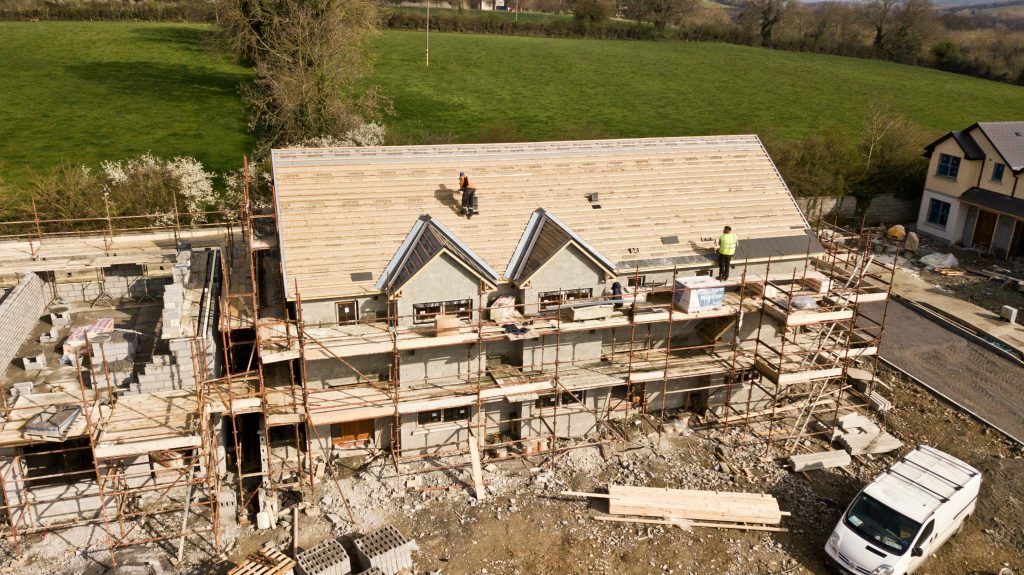
Last summer in Glen Burnie, Sarah noticed a small water stain on her ceiling. At first, she thought it was just condensation from the air conditioner, but after a heavy rainstorm, that tiny spot grew into a steady drip. A local roofer confirmed her suspicion: her 20-year-old roof had reached the end of its life. The next question was one that thousands of Maryland homeowners like Sarah face every year, what exactly would her new roof cost?
Understanding roof cost isn’t just about comparing numbers on an estimate. For homeowners in Annapolis, property managers in Rockville, and real estate investors in Bethesda, it’s about making informed financial decisions that protect your biggest asset: your property. Roofs in Maryland face unique challenges, from harsh coastal winds in Arnold to icy winters in Columbia, which can all affect pricing, materials, and installation methods.
Whether you’re planning a renovation, preparing a home for sale, or dealing with unexpected leaks, knowing how much a new roof typically costs can help you budget wisely and avoid unpleasant surprises. In the sections ahead, we’ll break down what influences roof cost in Maryland, so you can make confident choices and ensure your roof investment delivers long-term value and peace of mind.
Key Takeaways About Roof Cost in Maryland
1. Roof cost varies widely across Maryland, typically ranging between $7,000 and $15,000 depending on size, materials, and labor conditions. Local factors such as weather exposure and permit fees also play significant roles.
2. Material choice determines both price and longevity. Asphalt shingles are affordable for homes in Glen Burnie, while metal or slate roofs in Bethesda can offer decades of durability and better energy efficiency.
3. Proper inspection and planning reduce unexpected expenses. A professional evaluation before starting ensures accurate estimates and prevents structural surprises during installation.
4. Understanding warranties and maintenance saves money long-term. Reliable materials and workmanship coverage help homeowners and property managers in cities like Silver Spring or Rockville avoid costly repairs.
5. Ventilation, insulation, and drainage matter as much as materials. These technical details enhance roof performance and lower lifetime roof cost.
6. Energy-efficient options offer ongoing benefits. Cool roof coatings or reflective metal surfaces can decrease utility bills for Annapolis and Crofton homes.
7. Hiring licensed, transparent contractors ensures compliance and quality, protecting your investment and property value.
8. Ultimately, smart planning and informed decisions maximize return, making your roofing project a durable, cost-effective improvement to your Maryland property.
Understanding Roof Cost in Maryland
In simple terms, roof cost refers to the total expense of replacing or installing a new roofing system. This includes materials, labor, removal of the old roof, disposal, and any permits required by local jurisdictions. In Maryland, homeowners can expect a wide range in costs depending on roof size, pitch, and the type of material chosen, whether asphalt shingles in Glen Burnie, metal roofing in Crofton, or slate tiles in Potomac.
Factors That Influence Roof Cost
Roof Size and Design
A larger or more complex roof will naturally increase the final price. For instance, a steep, multi-layered roof in Bethesda will require more labor than a small, single-slope roof in Arnold.
Material Selection
Asphalt shingles remain the most affordable option, while metal, tile, and slate can raise roof cost due to durability and aesthetics. A homeowner in Annapolis looking for a coastal-resistant roof might opt for metal panels, while someone in Rockville may prefer architectural shingles for added curb appeal.
Labor and Local Regulations
Labor costs vary by region and complexity. In Silver Spring, for example, experienced contractors may charge slightly more because of the stringent building codes and demand for skilled labor. Additionally, local permits or roof inspections can add to overall expenses.
Why Roof Cost Matters
For homeowners, understanding roof cost ensures realistic budgeting and helps prevent overspending. Property managers in Columbia benefit by being able to plan maintenance budgets across multiple units, avoiding expensive emergency repairs. Real estate owners, on the other hand, can use accurate roofing estimates to evaluate potential investments, especially when buying or selling properties where roof condition significantly impacts market value.
A Smart Investment for Years to Come
While initial roof cost might feel like a large expense, it’s an investment that protects your home’s structure, energy efficiency, and resale potential. Whether you live in Bowie or Bethesda, choosing quality materials and a reputable contractor pays off over time, ensuring your Maryland property remains safe, attractive, and well-protected against the region’s changing weather conditions.
Step-by-Step Process to Ensure a Successful Roofing Project in Maryland
Replacing or installing a new roof is a major project that directly affects the safety and value of your property. Whether you are a homeowner in Crofton, a property manager in Silver Spring, or a real estate investor in Columbia, understanding the steps a professional contractor should take not only ensures quality work but also helps you understand where your roof cost truly goes.
Step 1: Initial Inspection and Roof Assessment
The first step is a thorough inspection of your existing roof. Contractors in areas like Glen Burnie or Annapolis will typically climb onto your roof, check for structural damage, inspect flashing, and assess ventilation systems. This evaluation helps determine whether a full replacement or partial repair is needed. A detailed inspection prevents unnecessary spending and ensures accuracy in roof cost estimation.
| Inspection Checklist | Purpose |
| Roof surface condition | Identify leaks, cracks, or missing shingles |
| Attic and ventilation | Detect moisture buildup or poor airflow |
| Flashing and guttering | Assess corrosion or sealing issues |
| Structural soundness | Confirm the roof deck and supports are stable |
A good contractor will also take measurements and photographs to provide a transparent breakdown of materials, labor hours, and waste disposal costs.
Step 2: Material Selection and Proposal
Once the inspection is complete, your contractor will suggest materials suited to Maryland’s climate. Asphalt shingles remain popular in Bowie for affordability, while homeowners in Potomac or Bethesda may choose standing seam metal or slate roofing for higher durability and visual appeal.
The contractor will provide a detailed proposal outlining the projected roof cost. This proposal should specify materials, warranty terms, estimated completion time, and cleanup expectations. Property managers should review these carefully, especially if managing budgets for multiple buildings.
| Roofing Material | Average Lifespan | Typical Use in Maryland |
| Asphalt Shingles | 20–30 years | Widely used in suburban homes |
| Metal Roofing | 40–70 years | Ideal for coastal and snowy regions |
| Slate or Tile | 50–100+ years | Premium properties in Bethesda and Potomac |
Step 3: Permitting and Scheduling
In most counties, including Anne Arundel and Montgomery, roof replacements require proper permits. A reliable contractor handles this paperwork, ensuring all work complies with local building codes and safety requirements. This step also sets the official project schedule, allowing homeowners and tenants to plan accordingly.
Timely scheduling is essential. For example, a property manager in Rockville may coordinate with residents to avoid disruptions, while a homeowner in Arnold might schedule installation during milder weather to reduce weather-related delays.
Step 4: Preparation and Safety Setup
Before any shingles are removed, the crew prepares the worksite by protecting landscaping, setting up safety barriers, and positioning dumpsters for debris. This minimizes damage to property and ensures compliance with Occupational Safety and Health Administration (OSHA) standards.
The contractor will also cover large areas such as driveways or outdoor furniture. This level of preparation not only protects your property but also reflects how efficiently the roof cost is being managed and utilized.
Step 5: Roof Removal and Deck Inspection
Old roofing materials are carefully stripped away, usually in manageable sections. After removal, the contractor inspects the decking, the wooden base of the roof, for rot, water damage, or mold. If issues are found, these are repaired before proceeding. Skipping this crucial step can lead to hidden costs and shortened roof lifespan, especially in humid areas like Columbia or Silver Spring.
Step 6: Installation of Underlayment and New Roofing
Once the deck is secured, an underlayment is installed to provide moisture protection. Ice and water shields are commonly added in colder Maryland regions such as Rockville or Bethesda. Next comes the installation of new shingles, tiles, or panels.
Professional crews follow precise patterns to ensure proper overlap, nail placement, and sealing. Quality workmanship here directly affects not only durability but also the long-term roof cost efficiency, less need for future repairs means greater savings.
Step 7: Flashing, Ventilation, and Finishing Touches
Proper flashing around chimneys, skylights, and vents prevents water infiltration. Contractors also verify that attic ventilation systems are functioning correctly to maintain energy efficiency and prolong roof life. The final touches include ridge capping, trimming, and sealing, all of which enhance both protection and appearance.
Step 8: Cleanup and Final Inspection
Once installation is complete, professional crews remove debris, perform magnetic sweeps for nails, and confirm that gutters and surrounding areas are clean. The contractor should then walk the property owner through a final inspection. In cities like Annapolis or Bowie, where curb appeal matters for resale, this final stage ensures the work not only meets safety standards but also boosts property value.
Step 9: Warranty and Maintenance Guidance
A reputable contractor provides both a manufacturer and workmanship warranty. Homeowners in Glen Burnie or Potomac benefit from understanding what each covers. Many contractors also offer an annual maintenance plan, an affordable preventive measure that minimizes future roof cost, particularly in Maryland’s fluctuating weather conditions.

Final Thoughts
Following these steps ensures that your roof replacement project runs smoothly, stays within budget, and delivers long-term value. Whether managing a rental portfolio in Silver Spring or maintaining your family home in Crofton, understanding this process makes you an informed property owner, and guarantees that your investment in a new roof is worth every dollar spent.
Knowing a few practical tips can make a big difference when planning your roofing project. Applying smart strategies helps you control your roof cost, avoid premature damage, and extend the lifespan of your roof. Whether you’re a homeowner in Crofton, a property manager in Rockville, or an investor in Annapolis, being proactive ensures you get the best value for your investment.
Get multiple quotes. Compare detailed estimates from at least three local contractors in Maryland to understand material and labor variations.
Choose the right materials for your climate. In coastal areas like Arnold, opt for corrosion-resistant metal roofs; in colder zones like Bethesda, consider shingles rated for freeze protection.
Schedule maintenance. Have your roof inspected annually to catch minor issues early and prevent costly repairs later.
Check warranties carefully. Confirm that both materials and workmanship are fully covered to safeguard your investment.
Keep gutters and ventilation clean. Proper airflow and drainage reduce humidity buildup and extend your roof’s effectiveness.
Applying these practices ensures your roof remains durable, efficient, and cost-effective, proof that good decisions and professional standards always enhance the outcome of your roofing investment.
Key Concepts to Understand Before Estimating Roof Cost in Maryland
Before signing any contract or requesting estimates, it’s essential to understand the key concepts that shape your roof cost. Homeowners in Crofton, property managers in Silver Spring, and real estate investors in Bethesda can save thousands of dollars and ensure lasting results simply by being familiar with the fundamental factors below.
Roof Area and Measurement Units
Roof size is measured in “squares,” where one square equals 100 square feet of roofing material. This unit allows contractors to calculate how much material is required and how long installation will take. For instance, a 2,000-square-foot home in Arnold typically equals about 20 roofing squares. Larger roofs or those with complex dormers and multiple slopes will naturally have higher material and labor costs.
| Roof Feature | Average Impact on Cost | Common Example in Maryland |
| Roof Slope | +10%–15% | Homes in Glen Burnie with steep pitches |
| Multiple Levels | +12%–20% | Split-level homes in Bowie |
| Skylights or Chimneys | +5%–8% | Older Annapolis properties |
Understanding this terminology helps you interpret contractor estimates accurately and spot inconsistencies in pricing proposals.
Material Durability and Aesthetic Value
Not all roofing materials perform the same across Maryland’s varied climates. Coastal properties near the Chesapeake Bay are exposed to salt and high humidity, while inland regions like Columbia experience seasonal snow and hail. Each material type carries distinct performance, lifespan, and aesthetic qualities that influence roof cost.
| Material Type | Durability | Recommended Use | Maintenance Requirement |
| Asphalt Shingles | 20–30 years | Suburban homes in Rockville | Low |
| Metal Roofing | 40–70 years | Coastal homes in Arnold or Annapolis | Moderate |
| Slate or Tile | 50–100+ years | Luxury estates in Potomac or Bethesda | High |
Choosing materials strategically ensures that what you spend upfront aligns with the property’s long-term needs and market value.
Ventilation and Insulation Integration
A balanced roof system doesn’t just protect against rain, it regulates temperature and humidity. Proper attic ventilation and insulation are vital to preventing heat buildup in the summer and moisture issues during winter. Contractors in Maryland often recommend ridge vents combined with soffit vents for optimal airflow. Without these elements, even a premium roof may underperform and increase future roof cost through energy waste or structural decay.
Understanding Warranties and Workmanship Guarantees
A roof warranty typically includes two parts: the material manufacturer’s warranty and the contractor’s workmanship warranty. The former protects against defects in shingles or panels, while the latter covers problems arising from improper installation. In areas like Glen Burnie or Bowie, where seasonal storms can stress roofing systems, a strong dual warranty is invaluable. Make sure you understand what voids each warranty, such as unapproved repairs or poor ventilation, and what type of documentation you must retain.
Energy Efficiency and Environmental Factors
Energy-efficient roofs not only save money but also improve comfort and sustainability. Reflective metal roofs in Columbia, for example, can lower cooling costs by reflecting solar heat, while darker asphalt shingles in Bethesda may retain warmth during winter. When evaluating roof cost, factoring in long-term energy savings can shift what initially appears as a higher price into a more profitable investment over time.
| Energy-Efficient Option | Average Savings | Suitable Area |
| Cool Roof Coating | 10–15% annual cooling cost | Crofton, Silver Spring |
| Reflective Metal Panels | 15–25% energy reduction | Annapolis and coastal zones |
| Solar-integrated Shingles | Up to 30% savings | Bowie and Rockville homes with solar incentives |
Permit and Code Compliance
Every county in Maryland has specific roofing regulations that protect homeowners and ensure safety. Annapolis may require historical district approvals, while Montgomery County code focuses on energy efficiency standards. Choosing a licensed and insured contractor who manages the permitting process ensures compliance, preventing unexpected fines or delays that could inflate total roof cost.
Life-Cycle Cost Perspective
A low initial bid might look attractive, but understanding the full life-cycle cost is crucial. This concept refers to the total amount you spend during the roof’s lifetime, including maintenance, energy consumption, and eventual replacement. A slightly higher upfront investment in better materials or skilled craftsmanship can reduce repairs and extend durability, meaning the true roof cost over 30 years could actually be lower.
Communication and Documentation
Transparent communication between you and your contractor is essential. Always request a written contract specifying start and completion dates, payment schedules, material details, and warranty terms. For property managers in Silver Spring who coordinate multiple renovations, organized documentation streamlines project tracking and ensures accountability.
Understanding these key concepts gives Maryland property owners the confidence to evaluate proposals, ask the right questions, and plan strategically. Whether you’re managing a new installation in Bethesda or updating a rental property in Columbia, informed decisions will help you achieve a high-quality roof that fits your needs, protects your home, and maximizes every dollar invested in your roof cost.
Frequently Asked Questions About Roof Cost
How much does a new roof typically cost in Maryland?
In Maryland cities such as Glen Burnie, Bowie, and Rockville, average roof cost ranges from $7,000 to $15,000, depending on roof size, materials, and complexity. Premium materials like metal or slate can increase that range, while standard asphalt shingles remain the most budget-friendly option.
What factors influence roof cost the most?
Material choice, roof design, and labor are the primary influences. A complex or steep roof in Potomac will require additional labor hours compared to a simple roof in Arnold. Local permit and disposal fees also contribute to final costs.
How can I estimate my own roof cost before hiring a contractor?
Measure your roof’s square footage, note its slope, and research current material prices. Online cost calculators offer a general estimate, but always confirm with at least two local contractors in areas like Columbia or Annapolis for accuracy.
Does roof seasonality affect pricing?
Yes. Prices may rise during summer and early fall when demand peaks. Scheduling installation in early spring or late winter in Bowie or Silver Spring often secures better availability and competitive rates.
Do energy-efficient roofs really lower long-term roof cost?
They can. Reflective or insulated materials reduce heating and cooling expenses, which cuts operating costs for large homes or managed properties in Rockville or Bethesda.
Should I repair instead of replacing to reduce roof cost?
Repairs can be effective if less than 25% of your roof is damaged. However, if your roof is over 20 years old or showing widespread wear, replacement delivers better long-term value.
Are warranties worth the extra expense?
Absolutely. Strong warranties protect against unexpected material defects or installation errors, offering peace of mind to property owners across Maryland. Understanding these FAQs empowers you to budget wisely, compare estimates effectively, and make confident decisions when managing your next roofing investment