
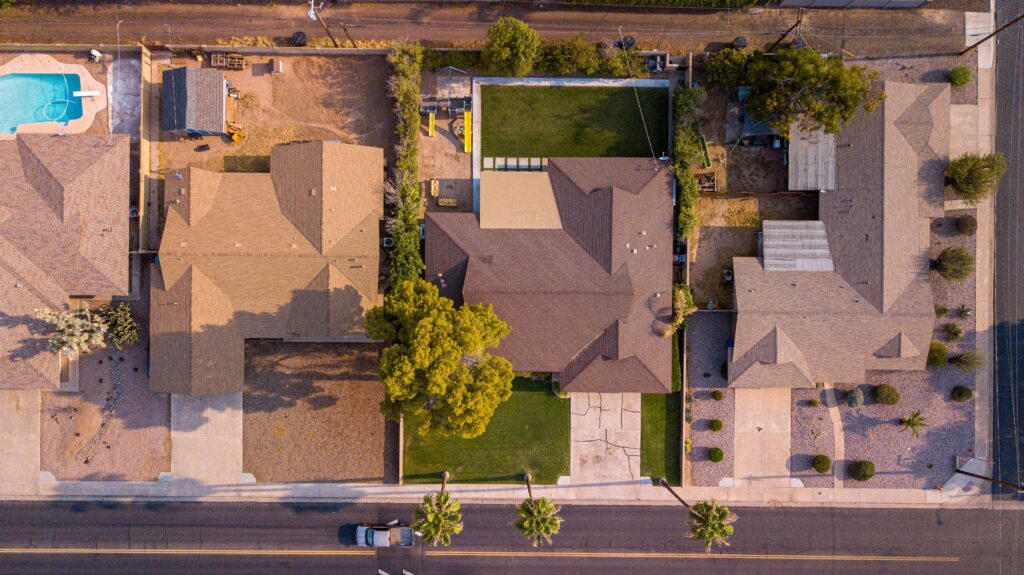
A few weeks ago, a homeowner in Glen Burnie noticed water stains spreading across her ceiling after a heavy rainstorm. At first, she hoped a minor repair would solve the issue, but after a professional inspection, she learned that her shingles, flashing, and underlayment were all deteriorating. What she really needed was a full roof replacement. The news came as a surprise, not only because of the expense but because she had no idea what a fair estimate should look like.
If you live in Maryland, whether it’s in Annapolis, Crofton, or Silver Spring, this situation might sound familiar. A roof doesn’t last forever, and understanding the true cost of replacing it is essential for keeping your property in good shape and avoiding unexpected budget setbacks. For homeowners, property managers, and real estate investors alike, knowing how to estimate the cost of a roof replacement can help you plan ahead, compare quotes wisely, and prevent overpaying for unnecessary work.
In this guide, we’ll explore the key factors that influence roofing costs in Maryland, materials, labor, permits, and even regional climate conditions, so you can make informed decisions and safeguard the value of your property from Bethesda to Columbia.
Key Takeaways
· Understand the full process: A roof replacement in Maryland involves more than new shingles, it includes inspection, removal, structural repairs, and precise installation of multiple protective layers.
· Plan and budget carefully: Estimating the cost requires factoring in materials, labor, permits, and disposal. Getting at least three detailed estimates ensures transparency and fair pricing.
· Choose the right materials: Asphalt shingles suit most homes in cities like Glen Burnie and Crofton, while metal or slate may better serve upscale properties in Bethesda or Potomac for their longevity and aesthetics.
· Verify contractor credentials: Always work with licensed, insured professionals familiar with local building codes and climate conditions across Maryland.
· Prioritize ventilation and maintenance: Proper attic airflow and regular inspections extend your roof’s lifespan and prevent costly moisture damage.
· Don’t overlook warranties: Understand the difference between manufacturer and workmanship warranties to secure reliable protection for your investment.
· Mind weather and timing: Schedule replacements during dry seasons, such as spring or early fall, to avoid delays and ensure optimal installation conditions.
· Think long term: Quality materials and professional workmanship in your roof replacement can increase property value, improve energy efficiency, and offer peace of mind for years to come.
Understanding What a Roof Replacement Involves
A roof replacement goes beyond patching a few shingles or sealing a leak. It’s a complete overhaul that includes removing the old materials down to the deck, inspecting the underlying structure, and installing new shingles, underlayment, flashing, and ventilation systems. In Maryland, where heavy rain, humidity, and winter snow can put stress on roofing materials, this process ensures your home or investment property remains structurally sound and energy-efficient.
For homeowners in Bowie or Potomac, understanding what’s involved helps avoid confusion when contractors present estimates. A clear grasp of the scope, from tear-off to cleanup, makes comparing bids straightforward and ensures you’re paying for quality, not unnecessary extras.
Key Factors That Affect Roof Replacement Costs
1. Roof Size and Pitch
A larger or steeper roof naturally requires more materials and time. For example, a two-story home in Rockville with multiple gables will cost more to reroof than a smaller, single-level property in Arnold. The pitch also impacts safety and labor costs, as steep roofs demand specialized equipment and additional precautions.
2. Roofing Materials
Your choice of materials may be the biggest cost variable. Asphalt shingles remain the most common in Glen Burnie and Annapolis due to their affordability and durability. However, metal, tile, and slate, popular in higher-end neighborhoods like Bethesda or Potomac, can elevate both aesthetics and the overall price of your roof replacement. Always weigh upfront costs against long-term performance and maintenance.
3. Labor and Permits
Local labor rates and municipal permit fees influence pricing too. In Maryland counties, roofing permits are often mandatory to ensure compliance with safety and energy codes. A licensed, insured contractor might charge more upfront, but the assurance of quality workmanship reduces future repair risks.
Why Estimating Accurately Matters
Getting a realistic estimate helps property owners in Columbia or Silver Spring plan budgets, schedule maintenance, and protect investments. An informed approach to roof replacement cost estimation prevents overspending, ensures transparency in contractor negotiations, and ultimately extends the lifespan of your entire property’s structure.
Step-by-Step Process for a Successful Roof Replacement
For homeowners and property managers in Maryland, whether in Annapolis, Silver Spring, or Rockville, understanding the steps involved in a roof replacement helps ensure the job is completed efficiently, safely, and to the highest quality standards. Knowing what your contractor should do at each stage allows you to track progress, verify the quality of materials, and determine if the cost estimate aligns with what’s being delivered.
Step 1: Initial Roof Inspection and Assessment
Every roof replacement begins with a thorough inspection. A certified roofing contractor will evaluate the existing structure to identify damage, moisture issues, or structural weaknesses. In areas with older homes, like Bethesda or Arnold, inspections often reveal hidden issues such as rotted decking or poor attic ventilation.
The inspection includes:
· Evaluating shingles, flashing, and underlayment
· Measuring roof dimensions and steepness
· Checking for water damage or leaks
· Assessing gutters, skylights, and vents
A detailed inspection report should outline all necessary repairs and material recommendations, providing a foundation for an accurate estimate.
| Inspection Focus | Description | Why It Matters |
| Deck Integrity | Checks if the wood sheathing is sound | Prevents sagging or future leaks |
| Flashing Condition | Ensures proper water redirection | Reduces risk of moisture damage |
| Ventilation | Assesses attic airflow | Enhances roof lifespan and energy efficiency |
Step 2: Estimate and Material Selection
Once the inspection is complete, the contractor prepares a written estimate. This document should include material costs, labor, permits, and disposal fees. In Crofton or Bowie, where homeowner associations may have specific design guidelines, material selection, color, texture, and type, can also affect both compliance and price.
Common Roofing Materials Used in Maryland
| Material Type | Average Lifespan | Approximate Cost per Sq. Ft. | Ideal For |
| Asphalt Shingles | 20–30 years | $3–$5 | Typical suburban homes |
| Metal Roofing | 40–70 years | $7–$12 | Modern or energy-efficient properties |
| Slate or Tile | 50+ years | $12–$25 | Luxury homes in areas like Potomac or Bethesda |
Homeowners should always confirm that the chosen materials suit the property’s architectural style and local climate conditions.
Step 3: Securing Permits and Preparing the Site
Before beginning the roof replacement, the contractor must obtain all necessary permits as required by local codes in Maryland jurisdictions. This ensures regulations and safety standards are followed.
Proper site preparation includes:
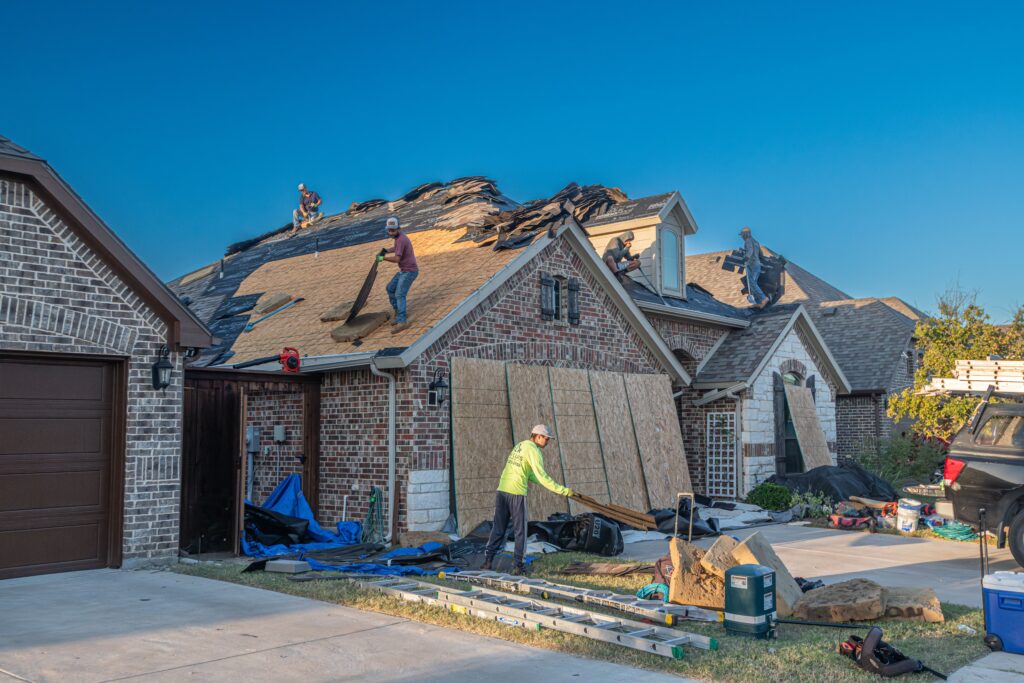
· Laying tarps or plywood to protect landscaping
· Setting up scaffolding or ladders securely
· Delivering materials to a designated staging area
· Ensuring clear access for debris removal
This step is crucial for avoiding damage to property surroundings and maintaining safety during construction.
Step 4: Removing the Old Roof
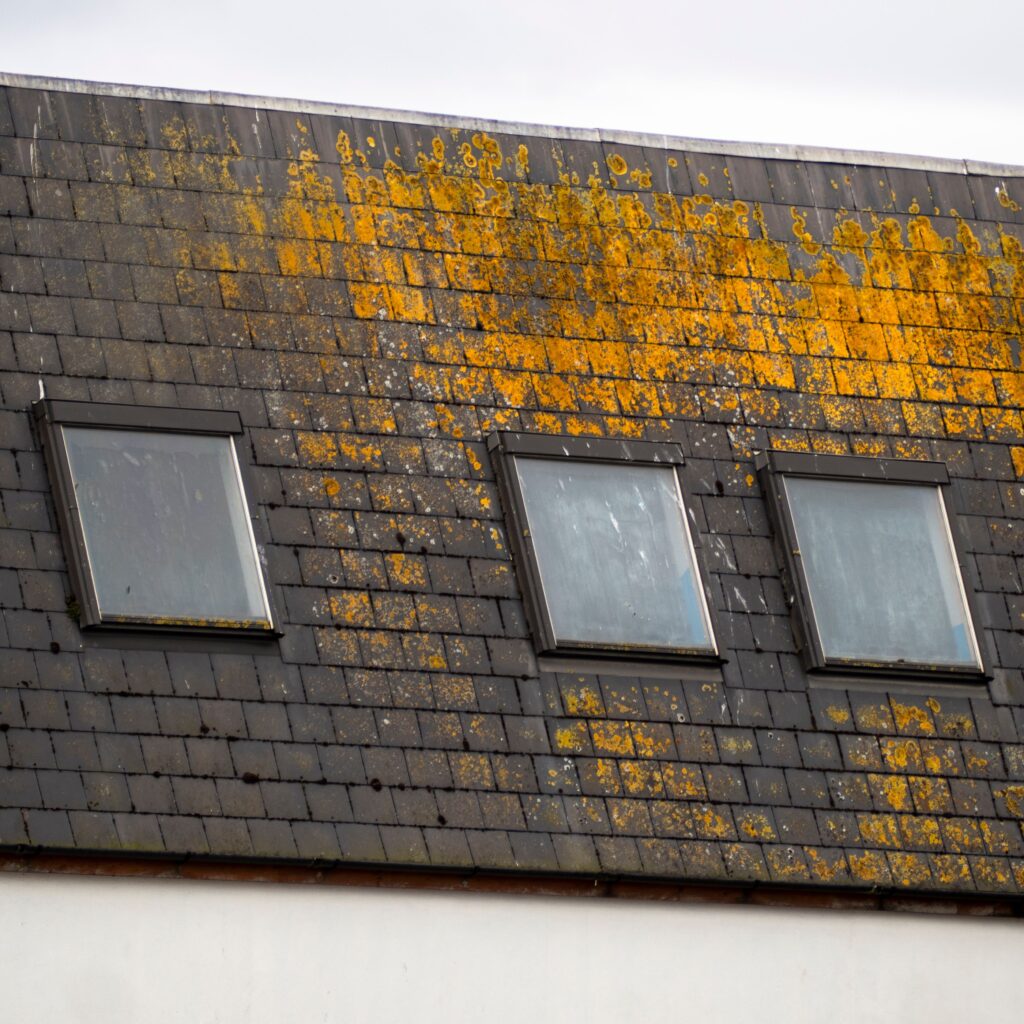
This phase involves stripping away all existing shingles, underlayment, nails, and flashing. In older neighborhoods like Annapolis or Glen Burnie, roofs may have multiple layers, which increases disposal labor and costs. After removal, contractors check the roof deck for rot or mold and replace damaged sections before proceeding.
Proper disposal of old materials, including recycling asphalt shingles if available, demonstrates environmental responsibility, a rising priority among modern Maryland homeowners.
Step 5: Installation of New Roofing System
The actual installation includes several layers designed to protect your home:
4. Deck preparation: Clean and repair the surface.
5. Underlayment installation: This waterproof barrier prevents leaks.
6. Drip edge and flashing: Guides water safely into gutters.
7. Shingle or panel installation: The visible, protective top layer.
8. Ventilation components: Ridge vents or exhaust fans ensure airflow and reduce moisture buildup.
Weather is a major consideration in this step. In humid climates like Columbia or Silver Spring, roofing work should ideally be scheduled during dry conditions to allow adhesives and sealants to cure properly.
Step 6: Final Inspection and Cleanup
After installation, a good contractor will conduct a detailed final inspection. They check for even shingle alignment, sealed flashing, clean gutter installation, and proper ventilation. Homeowners in Arnold or Bowie should expect a final walkthrough and receive documentation of the materials used, warranty details, and maintenance recommendations.
Cleanup is equally important, debris, nails, and scraps are removed, leaving your property spotless. Some companies even use magnetic rollers to pick up stray nails from lawns and driveways.
Step 7: Post-Replacement Maintenance Guidance
A roof is a long-term investment. Your contractor should provide maintenance advice to help extend its life. This might include annual inspections before Maryland’s rainy season, gutter cleaning schedules, and reminders to monitor attic ventilation.
Routine care prevents costly damage and ensures your roof replacement continues to protect your home or rental property for decades. Whether you own a townhouse in Rockville or a waterfront estate in Annapolis, following this structured process guarantees not only a durable roof but also peace of mind that your investment was wisely managed.
Knowing a few practical tips can make a big difference when planning or maintaining a roof replacement. Proper guidance not only reduces unexpected expenses but also ensures the new roof performs efficiently for many years. Whether you manage a rental property in Columbia or own a family home in Bethesda, following expert advice can help you achieve long-term, worry-free results.
Top Tips for Better Results
· Choose certified contractors: Always verify licenses and insurance. Maryland codes vary slightly by city, so ensure your roofer understands local permitting.
· Schedule work in favorable weather: Spring or early fall in Annapolis or Crofton offers the best conditions for installation.
· Invest in quality ventilation: Proper attic airflow reduces heat buildup and prolongs shingle life.
· Clean gutters regularly: Prevent water from backing up under the shingles, especially important in wooded neighborhoods like Arnold or Potomac.
· Request a detailed warranty: Confirm what’s covered, materials, labor, or both, before work begins.
· Keep records of inspections: Annual checkups help detect small issues before they escalate.
Applying professional standards and timely maintenance ensures every roof replacement delivers durability, efficiency, and true value for property owners across Maryland.
Key Concepts to Understand Before Starting a Roof Replacement
A well-planned roof replacement is one of the most valuable investments Maryland property owners can make. However, achieving a high-quality result depends on understanding several basic yet critical concepts. These terms, materials, and cost factors help homeowners in Annapolis, Crofton, or Bethesda make informed decisions, communicate clearly with contractors, and ensure long-term performance for their roofs.
Roof Structure and Components
Every roofing system is more than just shingles. It’s a layered system that protects your home from wind, rain, and temperature changes common across Maryland’s seasons. Knowing the essentials makes it easier to assess contractor quotes and verify workmanship.
| Component | Function | What to Check |
| Decking | The wooden foundation of the roof that supports all materials | Look for signs of moisture or rot before new installation |
| Underlayment | A waterproof barrier installed over the deck | Ensure high-quality, synthetic underlayment in humid climates like Silver Spring |
| Flashing | Metal strips around joints and chimneys that prevent leaks | Proper sealing is key in storm-prone areas like Annapolis |
| Shingles or Panels | The visible outer layer providing weather resistance | Material choice affects cost, appearance, and longevity |
| Ventilation | Air circulation system between attic and roof | Vital for preventing heat buildup and ice dams during Maryland winters |
Material Selection and Performance
The choice of material strongly affects the cost, appearance, and lifespan of a roof replacement. Homeowners in Columbia or Arnold may prefer asphalt shingles for practicality, while those in Bethesda or Potomac often select slate or metal for higher-end properties.
| Material | Durability | Cost per Sq. Ft. | Maintenance Level | Climate Suitability |
| Asphalt Shingles | 20–30 years | $3–$5 | Low | Performs well in varied Maryland climates |
| Metal Roofing | 40–70 years | $7–$12 | Moderate | Excellent for humid areas like Crofton |
| Slate or Tile | 50+ years | $12–$25 | Medium to High | Ideal for luxury homes or historic districts |
| Synthetic Options | 30–40 years | $6–$10 | Low | Good balance of durability and aesthetics |
When comparing these options, weigh both the upfront investment and long-term maintenance. For rental properties or multi-unit buildings in Rockville or Glen Burnie, durability and minimal upkeep often matter more than luxury finishes.
Labor, Permits, and Local Regulations
In Maryland, roofing contractors must hold proper licenses and meet local code requirements. Cities like Annapolis and Bowie often require permits that ensure safety and compliance. Property managers should confirm that their contractor obtains the correct documentation before project start.
Labor costs can represent up to 60% of the total roof replacement price. Complex rooflines, steep slopes, and multi-story homes demand more time and specialized safety gear, slightly increasing costs. Choosing an experienced team familiar with local regulations avoids inspection delays and costly rework.
Warranty and Insurance Considerations
A comprehensive warranty can protect your investment, but terms vary between manufacturers and installers. Understanding these differences helps prevent misunderstandings if problems arise later.
| Warranty Type | Coverage Example | Typical Duration |
| Manufacturer Warranty | Covers defects in roofing materials | 20–50 years |
| Workmanship Warranty | Covers errors during installation | 5–15 years |
| Extended System Warranty | Provides combined coverage on both parts and labor | Varies by contractor |
Homeowners in Potomac or Columbia should also review their insurance policies. Not all damages are covered, natural wear, mold, or poor maintenance might void claims. Having clear documentation from your roofing company simplifies any future insurance discussions.
Energy Efficiency and Sustainable Practices
Energy-efficient roofing can reduce cooling costs and environmental impact. Light-colored or reflective shingles minimize heat absorption, while proper ventilation helps regulate indoor temperatures, a valuable feature for properties in Silver Spring or Crofton. Some Maryland homeowners even qualify for local energy-saving incentives when choosing advanced materials or recycling old asphalt shingles.
Estimating Costs Accurately
Estimating the cost of a roof replacement means more than just multiplying square footage by the price of shingles. Homeowners should consider:
· Roof complexity (number of ridges, valleys, or dormers)
· Type of underlayment and flashing
· Labor intensity due to roof height or pitch
· Disposal and cleanup fees
· Permit and inspection costs
Requesting a transparent, line-by-line estimate ensures there are no hidden surprises. Compare quotes not just on price but on quality, materials, warranty, and contractor reputation all contribute to long-term value.
Understanding these key concepts allows Maryland homeowners, property managers, and investors to approach every roof replacement project confidently. By combining good planning, quality materials, and professional expertise, you’ll achieve a roofing system that protects your property, enhances curb appeal, and provides peace of mind for decades.
Frequently Asked Questions About Roof Replacement
How can I tell if I need a roof replacement or just a repair?
If you notice curling shingles, frequent leaks, or visible sagging, it may be time for a full roof replacement. In humid regions like Silver Spring or Columbia, moisture damage can accelerate deterioration. A professional inspection helps determine whether repairs are sufficient or if the existing structure has reached the end of its life.
What is the average cost of a roof replacement in Maryland?
Prices vary based on materials, roof size, and complexity. Homeowners in areas like Potomac or Bethesda typically pay more due to premium materials, while those in Crofton or Glen Burnie might spend less using standard asphalt shingles. Most projects in Maryland fall between $8,000 and $18,000.
How long does the process take?
An average roof replacement usually takes two to five days, depending on weather and roof size. Scheduling during dry weeks in spring or fall can help prevent delays.
Will my homeowner’s insurance cover part of the cost?
Coverage depends on your policy and the cause of damage. Storm-related replacements in Annapolis or Bowie are often partially covered, but normal wear and tear typically is not. Always verify with your insurer before authorizing work.
How can I ensure I’m getting a fair estimate?
Request at least three detailed quotes from licensed Maryland contractors. Each estimate should list material types, labor costs, disposal fees, and warranty terms to allow fair comparison.
What maintenance steps should I follow after installation?
Inspect your roof twice a year, clean gutters seasonally, and check attic ventilation to ensure long-term durability, especially during Maryland’s high-humidity months.
A careful approach to estimating, selecting professionals, and maintaining your roof replacement will protect your investment and keep your property in top condition for decades.