
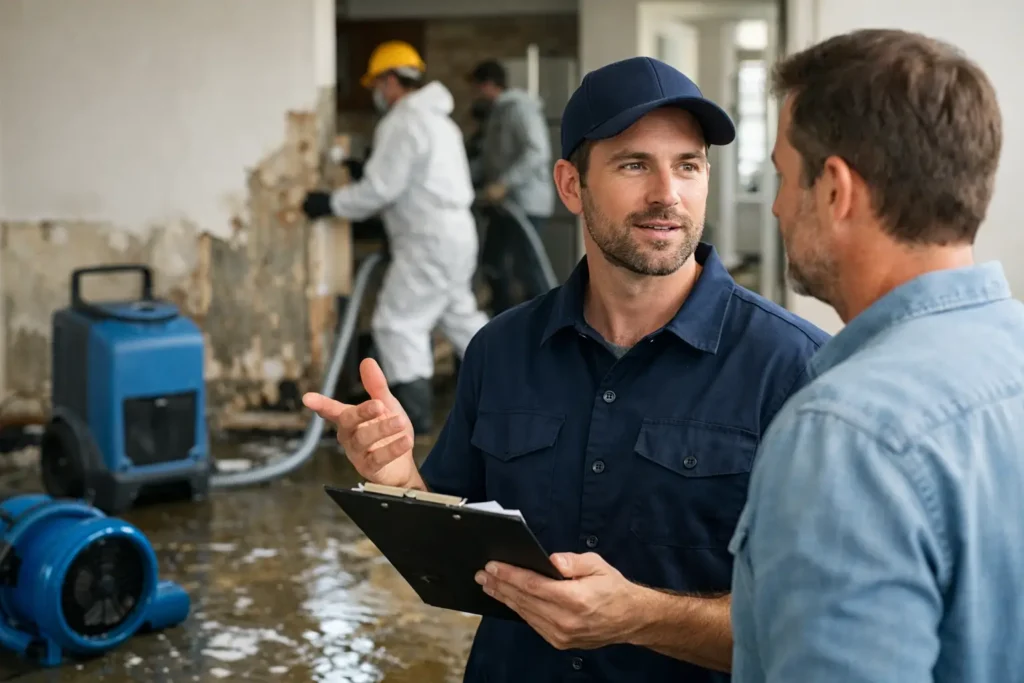
The first hour after water shows up where it should not be matters more than most homeowners realize. A burst pipe behind a wall, a failed sump pump, or roof leaks after a storm can turn a manageable repair into damaged flooring, swollen drywall, and mold growth fast. That is why choosing the right water damage restoration company is not just about who can show up first. It is about who can protect your home, document the damage properly, and guide the project through cleanup, repairs, and recovery.
For Maryland homeowners, water damage often comes with pressure from every direction. You may be trying to stop the source, move furniture, contact insurance, and figure out whether the damage is cosmetic or structural. In that moment, a dependable contractor matters. You need a team that can act quickly without cutting corners and communicate clearly while your home feels anything but settled.
Key Takeaways
- Choosing a water damage restoration company is not just about fast response. Homeowners need a team that can protect the property, document damage, dry the structure properly, and manage repairs.
- Water damage restoration usually involves more than water extraction. It may include moisture testing, demolition of damaged materials, drying, dehumidification, cleaning, sanitizing, and reconstruction.
- Speed matters, but process matters more. A contractor should respond quickly while still identifying the water source, moisture path, affected materials, and proper drying strategy.
- Hidden moisture is one of the biggest risks after water damage. Water can remain behind baseboards, under flooring, inside walls, or above ceilings even when the surface looks dry.
- Homeowners should understand the difference between mitigation and full restoration. Mitigation stops further damage, while restoration repairs or rebuilds the affected areas.
- Proper documentation can help support insurance claims, reduce confusion, and create a clearer record of the damage, scope of work, and repairs needed.
- The right restoration company should communicate clearly, protect unaffected areas, manage the project professionally, and help bring the home back to a safe, finished condition.
What a water damage restoration company should actually do
Many homeowners assume restoration starts and ends with water extraction. That is only one part of the job. A qualified water damage restoration company should assess how far the moisture traveled, identify materials that can be saved, remove what cannot be restored, and create a plan to dry the property thoroughly before rebuilding begins.
That process usually includes moisture testing, removal of damaged drywall or insulation where needed, air movement and dehumidification, cleaning and sanitizing affected areas, and repairs once conditions are dry and stable. If the company also handles reconstruction, the transition is smoother. You are not left hiring one contractor for emergency mitigation and another for the rebuild.
That matters more than people think. Water damage is rarely just a cleanup problem. It can affect trim, paint, cabinets, flooring, framing, and sometimes adjoining rooms that looked untouched at first glance.
Why speed matters, but process matters more
Quick response is essential. The longer water sits, the more damage spreads. Wood flooring can cup, drywall can soften, and hidden moisture can settle into wall cavities and subfloors. But speed alone is not enough if the work is incomplete or poorly documented.
A good restoration company moves quickly and methodically. They should identify the category of water involved, explain what can be salvaged, and use drying equipment based on the actual conditions in the home, not guesswork. Clean water from a supply line and contaminated water from a backup are very different situations. The cleanup approach, safety precautions, and replacement needs may change significantly depending on the source.
This is one of those areas where the cheapest option can become the most expensive. If materials are dried improperly or moisture is missed behind finished surfaces, you may face odor, mold, or repeat repairs later.
Signs you hired the right water damage restoration company
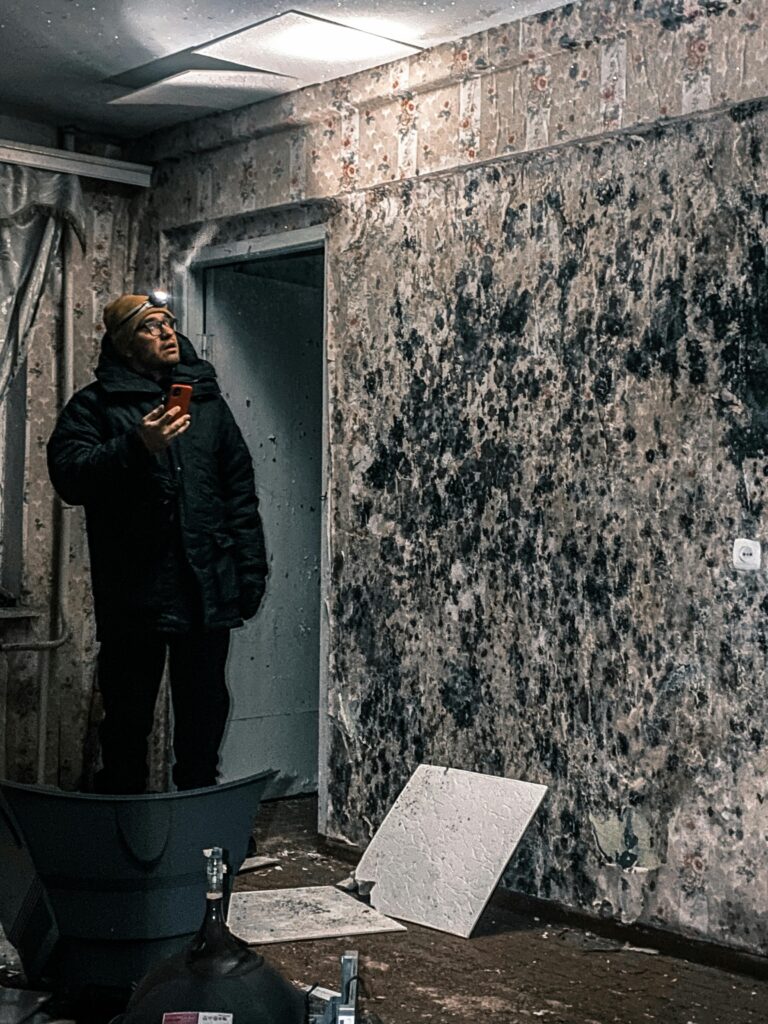
Homeowners are often evaluating contractors under stress, which makes it easy to miss red flags. A reliable water damage restoration company should communicate clearly from the start. You should know what was damaged, what the next step is, and what timeline is realistic.
Professionalism shows up in practical ways. The crew protects unaffected areas, documents damage thoroughly, explains equipment placement, and sets expectations about noise, access, and follow-up visits. They should also be able to work with insurance documentation when applicable, because poor records can create delays or disputes later.
It also helps when the same company can carry the work beyond emergency mitigation. Restoration is not finished when the fans come out. If your walls, ceilings, flooring, or built-ins need repair, a contractor with both restoration and renovation experience can help bring the space back properly instead of delivering a patchwork result.
Questions to ask before work begins
Even during an emergency, you have the right to ask a few important questions. Ask what caused the damage and whether the source has been fully addressed. Ask how they will determine when the structure is dry. Ask what materials may need removal and whether they expect hidden damage behind walls, under flooring, or above ceilings.
You should also ask who will handle repairs after mitigation. Some companies stop at drying and demolition. Others manage the entire project, including reconstruction. Neither model is automatically wrong, but homeowners are usually better served when there is one accountable team managing the job from damage control through final repairs.
Insurance is another area where clarity matters. A contractor should not promise coverage decisions they do not control, but they should understand how to document damage, provide estimates, and support a smoother claims process.
What Maryland homeowners should watch for
Homes across Maryland deal with a mix of risks, from heavy rain and coastal weather patterns to aging plumbing and basement moisture issues. Older homes may have hidden vulnerabilities in framing, insulation, or previous renovations. Newer homes can still suffer major losses when water travels through finished lower levels, engineered flooring, and modern drywall assemblies.
Basements deserve special attention. Water in a basement is often treated like a routine inconvenience, especially after storms. But standing water or recurring seepage can affect more than stored belongings. It can damage flooring systems, lead to persistent humidity, and create conditions for mold if the area is not dried fully.
Busy homeowners in places like Bethesda, Columbia, Rockville, or Annapolis often want one thing above all else: a company that handles the problem without creating more of one. That means organized scheduling, clean job sites, responsive updates, and repairs that match the quality of the rest of the home.
The difference between mitigation and full restoration
This is where confusion happens most often. Mitigation is the emergency phase. It focuses on stopping further damage, removing water, drying the structure, and making the property safe. Full restoration includes repairing or rebuilding what was damaged so the home looks and functions as it should again.
If your kitchen had a supply line leak, mitigation may involve removing wet materials and drying the area. Restoration may involve replacing cabinets, repairing drywall, repainting, and installing new flooring. If your upstairs bathroom overflowed into the level below, the final scope may include ceiling repair, trim replacement, texture matching, and repainting in multiple rooms.
For homeowners, the advantage of a full-service contractor is continuity. There is less room for miscommunication, fewer handoffs, and a clearer line of responsibility. Companies like Vinis Renovation & Restoration are built around that kind of end-to-end service, which can be especially helpful when water damage affects both structure and finishes.
How to avoid bigger problems after the cleanup
The visible damage is not always the biggest problem. Hidden moisture is what creates trouble later. A room may look dry while water remains trapped behind baseboards, beneath flooring, or inside wall assemblies. That is why professional drying and verification matter.
Homeowners should also think beyond immediate repairs. If the water came from a worn roof, aging pipe, failed appliance line, or poor drainage around the home, that root issue needs attention too. Otherwise, restoration becomes a temporary fix.
There is also a design opportunity in some cases. When damaged areas must be rebuilt, homeowners sometimes choose to upgrade finishes, improve layout issues, or replace older materials with more durable options. It depends on budget, insurance scope, and how extensive the damage is, but a thoughtful contractor can help you weigh repair versus improvement without losing sight of urgency.
Choosing confidence over chaos
A water emergency can make your home feel unpredictable very quickly. The right company brings order back into the situation. They should know how to respond fast, dry the structure correctly, explain the process in plain language, and restore the damaged areas with care and craftsmanship.
If you are comparing options, look beyond emergency extraction alone. Choose a water damage restoration company that treats your home like a long-term investment, not a short-term cleanup job. When the work is handled properly from the start, recovery feels less overwhelming and the results hold up long after the floors are dry.
When water damage happens, homeowners do not just need equipment. They need a steady hand, a clear plan, and a team that knows how to put a home back together the right way.
Frequently Asked Questions
1. What does a water damage restoration company do?
A water damage restoration company helps assess the damage, remove standing water, dry affected areas, remove materials that cannot be saved, clean and sanitize the space, and repair or rebuild damaged parts of the home. Some companies handle only emergency mitigation, while others also manage full reconstruction.
2. Why is fast response important after water damage?
Fast response helps limit how far the damage spreads. The longer water sits, the more it can affect drywall, flooring, cabinets, trim, framing, and nearby rooms. However, speed should not replace proper documentation, moisture testing, drying, and repair planning.
3. What is the difference between water mitigation and water restoration?
Water mitigation is the emergency phase. It focuses on stopping further damage, extracting water, drying the structure, and making the area safe. Water restoration is the repair phase, which may include replacing drywall, flooring, cabinets, trim, paint, ceilings, or other damaged finishes.
4. How do professionals know when a home is fully dry?
A professional restoration company should use moisture testing and drying equipment to monitor affected materials. Surfaces can look dry while moisture remains hidden behind walls, beneath flooring, or inside structural assemblies, so visual inspection alone is not enough.
5. Can water damage cause mold?
Yes. If moisture is not removed properly, it can create conditions where mold may develop. That is why complete drying, dehumidification, cleaning, and follow-up checks are important after a water damage event.
6. Should I call insurance after water damage?
In many cases, yes. Homeowners should contact their insurance provider to understand their coverage and claim process. A restoration contractor cannot guarantee what insurance will cover, but they can help document the damage, provide estimates, and support the claims process with clear records.
7. What should I ask before hiring a water damage restoration company?
Ask what caused the damage, whether the source has been fixed, how they will determine when the structure is dry, what materials may need removal, how they document the damage, whether they work with insurance documentation, and whether they handle reconstruction after mitigation.