
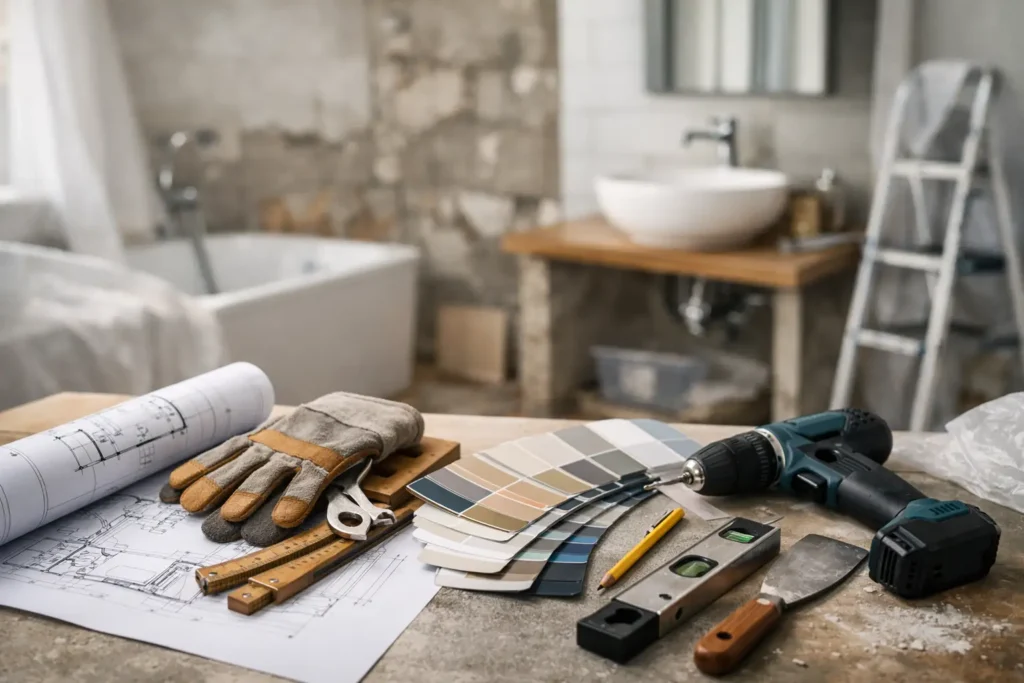
The hardest part of a bathroom remodel often starts before the first tile comes off the wall. If you want to prepare for bathroom renovation the right way, the real work is in the planning – setting a budget that matches your goals, clearing the space, and knowing what can affect schedule, cost, and daily life at home.
A bathroom renovation can make your home more comfortable, improve storage, fix ongoing moisture issues, and add value. It can also create temporary stress if you go into the project without a clear plan. Homeowners who prepare well usually make faster decisions, avoid unnecessary delays, and get better results because the project starts with realistic expectations.
Table of Contents
ToggleWhy it pays to prepare for bathroom renovation
Bathrooms are small rooms, but they involve a lot of moving parts. Plumbing, electrical, ventilation, waterproofing, tile work, cabinetry, paint, and fixtures all have to come together in the right order. When one decision gets delayed, the whole timeline can shift.
Preparation helps protect both your budget and your routine. If you know what you want before demolition begins, your contractor can order materials on time, schedule crews more efficiently, and reduce the chance of expensive mid-project changes. That does not mean every detail has to be locked in months ahead, but the major choices should be made early.
It also helps you spot hidden priorities. Many homeowners start with cosmetic ideas like a new vanity or upgraded shower tile, then discover the bigger issue is poor ventilation, a damaged subfloor, or aging plumbing. A good plan makes room for both the look you want and the function your bathroom needs.
Start with the purpose of the remodel
Before choosing finishes, decide what problem the renovation is supposed to solve. An outdated hall bath has different priorities than a master bathroom used every day by two working adults. A bathroom used by children or older family members may need more attention to safety, durability, and layout.
In some homes, the goal is better storage and a cleaner look. In others, it is fixing water damage, replacing worn materials, or making the space easier to maintain. If you are renovating before selling, your choices may lean toward broad appeal and cost control. If this is your long-term home, comfort and durability may matter more than resale trends.
That clarity affects everything else. It helps you decide where to invest and where to simplify.
Build a realistic budget before work begins
One of the best ways to prepare for bathroom renovation is to separate must-haves from nice-to-haves. A lot of projects begin with a dream layout and end with a revised scope once pricing comes in. That is normal. What matters is knowing your priorities before you have to make those trade-offs.
Your budget should cover more than finishes. It needs to account for labor, demolition, disposal, plumbing and electrical updates, waterproofing, permits if required, and possible repairs behind the walls. In older Maryland homes, hidden issues are not unusual. Water damage, mold, outdated wiring, and uneven framing can all add scope once the room is opened up.
That is why it is smart to keep a contingency amount in reserve. A renovation goes more smoothly when unexpected repairs do not force rushed decisions.
Decide what stays and what changes
Keeping the existing layout can help control costs because moving plumbing and electrical lines usually adds time and labor. If your current layout works, you may get the best return by upgrading surfaces, fixtures, lighting, and storage without relocating the toilet or shower.
On the other hand, some bathrooms need a more substantial change. A cramped vanity area, poor shower access, or lack of ventilation may justify reworking the layout. The right choice depends on how long you plan to stay in the home, how much inconvenience you are willing to accept during construction, and what the room truly needs.
This is where professional guidance matters. A contractor with remodeling and restoration experience can often identify whether a problem is cosmetic or tied to water intrusion, structural wear, or code-related concerns.
Choose materials with daily use in mind
It is easy to focus on appearance, but bathrooms are high-moisture, high-traffic spaces. Materials should look good and hold up well. That usually means thinking beyond the showroom sample.
Tile size, grout color, countertop material, cabinet finish, and fixture quality all affect maintenance and longevity. A beautiful natural stone may require more upkeep than porcelain. A trendy matte black fixture can look sharp but may show water spots more easily. Large-format tile can reduce grout lines, but it may not be the best fit for every floor slope or room size.
There is no single right answer. The best choices depend on who uses the bathroom and how much maintenance you want to take on. Families with children may prioritize easy cleaning and durability. Homeowners remodeling a primary bath may place more value on comfort and appearance.
Order selections early
Product delays can hold up a project even when the jobsite is ready. Vanities, custom glass, specialty tile, and certain plumbing fixtures often take longer than expected to arrive. If a key item shows up late or damaged, installation may have to pause.
That is why early selection matters. Try to finalize the major items before demolition starts, including vanity, sink, faucet, toilet, shower system, tile, lighting, mirror, and hardware. If your design includes custom or semi-custom pieces, give yourself more lead time.
A clear materials list also reduces confusion during construction. Everyone knows what is being installed, and substitutions are less likely to happen under pressure.
Prepare your home, not just the bathroom
Bathroom remodeling affects more than one room. Crews need a path in and out of the house, space for tools and materials, and access to water and power. Dust and noise are part of the process, even with careful protection.
Before work begins, remove everything from the bathroom, including toiletries, rugs, wall decor, medicine cabinet contents, and any storage baskets. If nearby hall closets or linen cabinets may be affected, clear those out too. Take down fragile items along the work path and protect furniture if the renovation area is close to bedrooms or main living spaces.
If this is your only full bathroom, temporary arrangements should be made in advance. That might mean scheduling around another bathroom in the home or planning a short stay elsewhere during the most disruptive phase. Busy households feel the impact of a bathroom renovation quickly, so it helps to talk through that routine before the first day of work.
Ask the right questions before the project starts
A smooth remodel depends on communication. Homeowners should know the expected timeline, work hours, payment schedule, and what happens if hidden damage is uncovered. It is also helpful to understand who will be on site, how debris will be managed, and how the home will be protected during demolition and installation.
You do not need to micromanage the process, but you should know how decisions will be handled if something changes. For example, if a tile is backordered or a subfloor issue is found, will the contractor walk you through options right away? Clear answers upfront create confidence later.
This is also the time to confirm practical details like ventilation upgrades, lighting placement, storage needs, and fixture heights. Small decisions made early can have a big effect on the finished space.
Expect a few surprises and plan for them
Even well-managed projects can uncover unknowns once walls and floors are opened. That is especially true in older homes or bathrooms with a history of leaks. The goal is not to avoid every surprise. It is to be ready for them.
Good preparation gives you room to respond without derailing the whole renovation. If there is damaged framing, outdated plumbing, or signs of mold, handling it correctly protects the long-term quality of the space. Cutting corners may save money in the short term, but it usually leads to bigger problems later.
For homeowners who want one accountable partner throughout the process, working with a contractor that understands both remodeling and repair can make a real difference. Vinis Renovation & Restoration approaches bathroom projects with that bigger-picture mindset, which is especially valuable when a simple remodel reveals underlying damage.
Prepare for bathroom renovation with the finish line in mind
The best bathroom renovations do not just look better on reveal day. They work better six months later, when storage makes sense, ventilation keeps moisture under control, and surfaces still feel easy to maintain. That outcome starts with thoughtful preparation.
If you take time to define your goals, set a realistic budget, make material decisions early, and prepare your household for the disruption, the project becomes much more manageable. A bathroom renovation will always involve some inconvenience, but with the right planning, it can feel organized instead of overwhelming.
A well-prepared project gives your contractor the foundation to do quality work, and it gives you something just as valuable – confidence in the process from day one.